Workplace Overuse Injuries: Prevention, Treatment, And FAQs
Understand the hidden risks of daily work tasks and how to safeguard your body from painful overuse conditions.
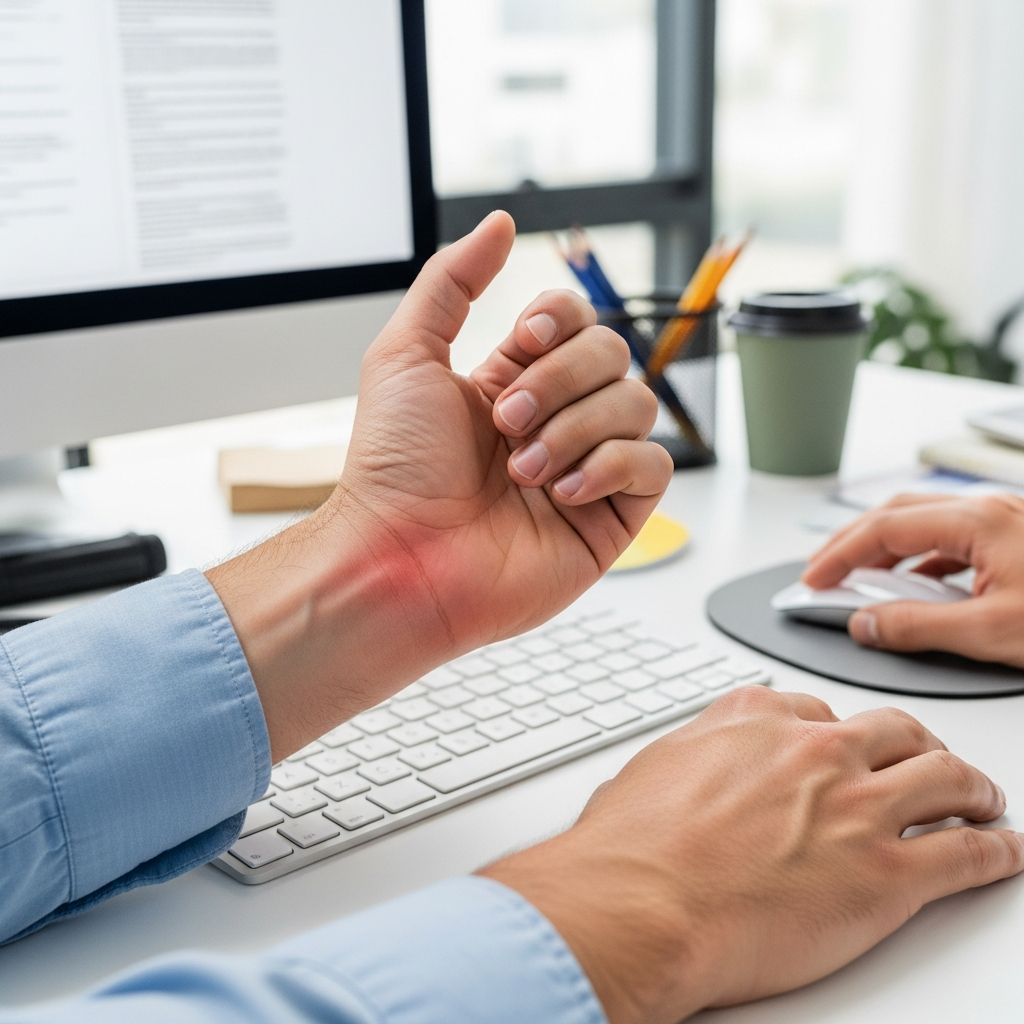
Workplace overuse injuries, often stemming from repeated motions and sustained awkward positions, impact millions of workers globally by causing persistent discomfort in muscles, tendons, and joints. These conditions develop gradually when physical demands exceed the body’s recovery capacity, leading to inflammation and functional limitations.
Understanding the Roots of Workplace Overuse
At their core, these injuries result from activities that overload specific body parts over time. Repetitive actions like typing, assembly line operations, or constant lifting create micro-traumas that accumulate without adequate rest. Forceful muscle exertions, such as gripping tools tightly or carrying heavy loads repeatedly, compound the issue by straining tendons and ligaments.
Awkward postures maintained for hours—think hunching over a desk or reaching overhead—further exacerbate strain. Poor workstation setups, including non-adjustable chairs or screens at eye level, force the body into unnatural alignments, increasing tension in the neck, shoulders, and back.
Beyond physical factors, mental pressures play a significant role. High-stress environments with tight deadlines heighten muscle tension, making tissues more vulnerable to injury. A demanding workload without breaks amplifies this risk, turning routine tasks into potential hazards.
Common Body Areas Affected and Why
Upper body regions bear the brunt due to their frequent involvement in desk-based or manual jobs. Fingers and hands suffer from precise, repeated manipulations; wrists from sustained flexion; elbows from extension forces; and shoulders from overhead or sustained arm positions.
The neck and back round out the list, often from prolonged sitting or poor posture. These areas connect the kinetic chain, so strain in one spot ripples to others, creating widespread discomfort.
| Body Part | Common Triggers | Prevalence Note |
|---|---|---|
| Hands/Wrists | Typing, gripping | High in office workers |
| Elbows/Shoulders | Lifting, reaching | Common in manual labor |
| Neck/Back | Prolonged sitting | Affects 30%+ of desk jobs |
Recognizing Early Warning Signs
Initial indicators are subtle but progressive: aching muscles after work, mild tingling in extremities, or stiffness upon waking. Without intervention, these evolve into constant pain, numbness, swelling, and reduced grip strength.
- Pain and discomfort: Dull aches escalating to sharp pains, often worsening at night.
- Sensory changes: Tingling, pins-and-needles, or burning sensations in affected areas.
- Motor issues: Weakness, spasms, or limited joint mobility.
- Other effects: Swelling, temperature fluctuations, sleep disruption, and coordination loss.
Early detection is crucial; untreated symptoms persist during rest, signaling chronic inflammation and potential permanent damage.
Risk Amplifiers in Modern Workplaces
Sedentary lifestyles weaken core muscles, reducing resilience to repetitive stress. Insufficient conditioning means even light tasks overload unprepared tissues.
Related Stories



Psychosocial elements like job dissatisfaction or isolation foster tension. Conversely, supportive environments with wellness programs mitigate these risks.
Hobbies outside work, such as intense sports or instrument playing, can tip the balance if not balanced with recovery.
Proactive Prevention Strategies
Prevention hinges on balancing load and capacity through ergonomic tweaks, fitness, and habits.
Optimizing Your Workspace
Adjust chairs for feet-flat support, position screens at eye level, and use keyboards that keep wrists neutral. Alternate tasks to vary motions and incorporate standing desks for posture breaks.
Building Physical Resilience
Aim for 150 minutes of weekly moderate exercise, focusing on strength training for key muscle groups. Simple routines like wrist stretches or shoulder rolls during shifts enhance endurance.
Stress Management Techniques
Practice mindfulness, take micro-breaks for deep breathing, and foster open communication at work to curb tension buildup.
- Schedule 5-minute stretch breaks hourly.
- Rotate tasks between team members.
- Invest in supportive equipment like ergonomic mice.
Effective Treatment Pathways
Treatment prioritizes pain relief, function restoration, and recurrence prevention. Start with conservative approaches before escalating.
Immediate Self-Care Steps
Rest affected areas without total immobilization; apply ice for inflammation (10-20 minutes) or heat for stiffness. Over-the-counter anti-inflammatories like ibuprofen aid symptom control.
Professional Interventions
Physiotherapy employs targeted exercises, ultrasound, TENS units, and manual therapy to rebuild strength and mobility. Occupational therapists assess and redesign workspaces.
In severe cases, injections or short-term bracing provide relief, with surgery as a last resort for nerve entrapments.
| Treatment Type | Description | Expected Benefits |
|---|---|---|
| Self-Care | Ice/heat, rest, meds | Quick pain reduction |
| Physio | Exercises, modalities | Restores function |
| Ergo Review | Workstation audit | Prevents relapse |
Long-Term Rehabilitation
View recovery as athletic training: progressive strengthening, flexibility work, and load management ensure sustained fitness for job demands.[10]
When to Seek Urgent Help
Consult a doctor if symptoms persist beyond two weeks, intensify at rest, or include severe weakness/numbness. Early specialist input prevents progression to chronic states.
FAQs on Workplace Overuse Injuries
What distinguishes acute from overuse injuries?
Acute injuries occur suddenly from trauma; overuse builds slowly from repetition.
Can home workouts prevent these issues?
Yes, targeted strength and cardio routines bolster tissue resilience.
How long does recovery typically take?
Mild cases resolve in weeks with care; chronic ones may need months.[10]
Are these injuries only for office workers?
No, manual laborers and hobbyists are equally at risk.
Does stress really contribute?
Absolutely—it tenses muscles, accelerating wear.
Empowering Your Daily Routine
By integrating awareness, adjustments, and proactive habits, workers can thrive without succumbing to overuse pitfalls. Employers benefit too, with reduced absenteeism and higher productivity. Commit to monitoring your body’s signals and adapting environments accordingly for optimal health.
References
- Occupational overuse syndrome (OOS) — Healthify. Accessed 2026. https://healthify.nz/health-a-z/o/occupational-overuse-syndrome-oos
- Occupational Overuse Syndrome (Technological Diseases): Carpal Tunnel Syndrome — PMC (NCBI). 2014-12-01. https://pmc.ncbi.nlm.nih.gov/articles/PMC4272839/
- 5 Possible Causes of Occupational Overuse Syndrome — Work Health Solutions. Accessed 2026. https://workhealthsolutions.com/docs/5-possible-causes-of-occupational-overuse-syndrome/
- OCCUPATIONAL OVERUSE SYNDROME (OOS) – a patient’s guide — Family Doctor. Accessed 2026. https://www.familydoctor.co.nz/categories/bones-and-joints/occupational-overuse-syndrome-oos-a-patients-guide/
- Occupational Overuse Injury — The Hands Physio. Accessed 2026. https://thehandsphysio.com.au/injuries/occupational-overuse-injury/
Similar Articles








Read full bio of medha deb