Worst Foods for Gut Health: Complete Guide
Discover the foods damaging your gut microbiome and learn what to avoid for optimal digestive health.
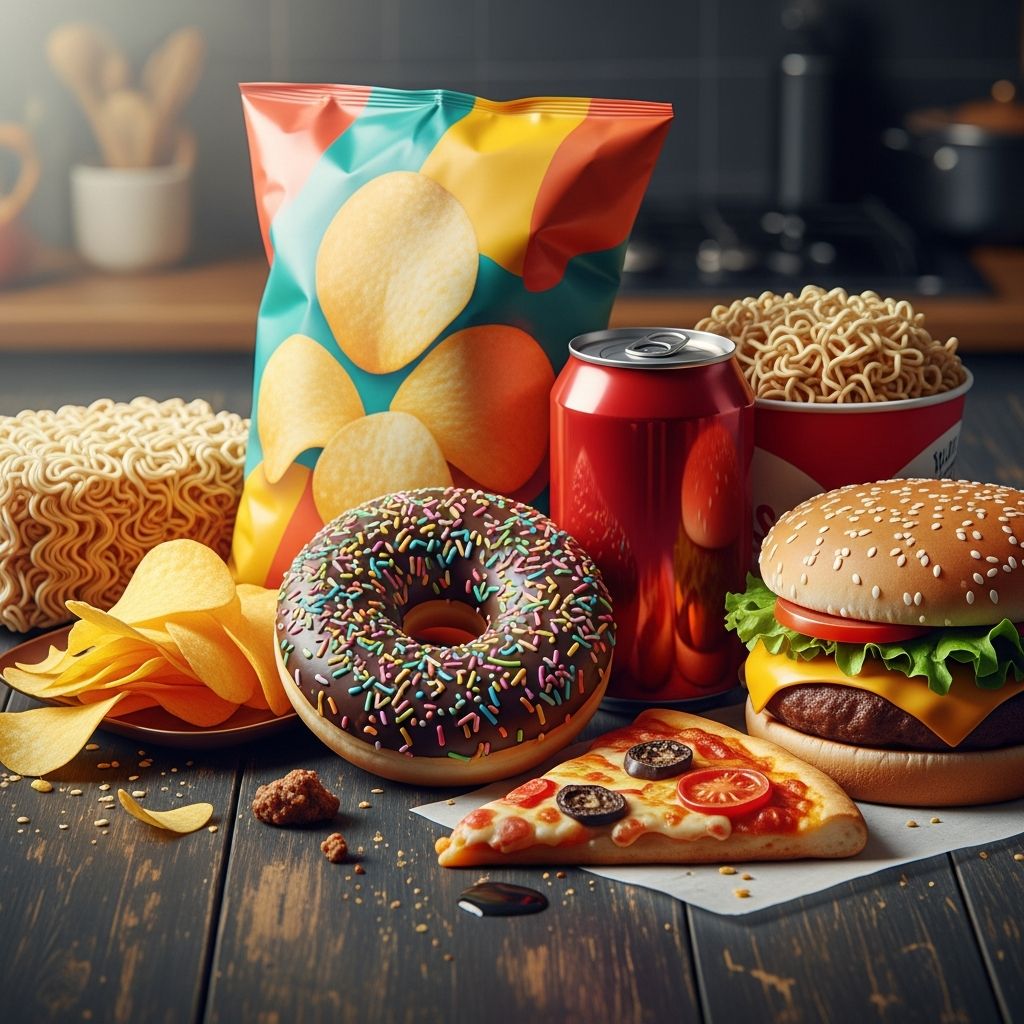
Your gut health is fundamental to your overall wellbeing, influencing everything from nutrient absorption to immune function and mental health. However, modern dietary habits have introduced numerous foods and additives that actively damage the delicate ecosystem of your digestive system. Understanding which foods harm your gut microbiome is the first step toward creating a healthier, more resilient digestive system.
How Diet Shapes Gut Health
Diet directly influences gut health by affecting digestive fluids, microbial balance, and gut motility. Your food choices determine which bacteria thrive in your intestines, how efficiently your body absorbs nutrients, and whether your digestive system functions optimally or becomes compromised. When you consume foods that support healthy digestion, you strengthen the mucus barrier that protects your intestinal walls and promote the growth of beneficial bacteria. Conversely, poor dietary choices create an environment where harmful microbes flourish, inflammation develops, and your digestive function deteriorates.
Research published in the Proceedings of the National Academy of Sciences demonstrates that gut microbial composition can influence what foods we crave by altering the availability of key amino acids like tryptophan, which regulates appetite and cravings. This creates a concerning cycle: consuming unhealthy foods alters your gut bacteria in ways that make you crave more unhealthy foods.
The Four Worst Foods for Gut Health
While many foods can harm your digestive system, several stand out as particularly damaging due to their widespread consumption and potent negative effects on gut function.
1. Liquid Sugar and Sugary Beverages
Sugary drinks—including soda, fruit juices, and sweetened teas—contain excessive amounts of high-fructose corn syrup, one of the most damaging substances for your gut. Unlike glucose, which cells throughout your body can utilize for energy, fructose is processed almost entirely in your liver.
When your liver’s glycogen reserves become saturated, excess fructose converts into triglycerides and cholesterol, contributing to fatty liver disease and reduced bile output. This reduction in bile creates multiple problems for your digestive system. Lower bile production increases the risk of small intestinal bacterial overgrowth (SIBO), nutrient malabsorption, and poor elimination of waste products and toxins.
Additionally, fructose can ferment in your intestines, which feeds harmful microbes, triggers bloating, and weakens your gut barrier. Research published in Frontiers in Pharmacology reveals that fructose and its microbial metabolites stimulate fat accumulation in the liver and reprogram liver cells to promote inflammation and lipogenesis.
2. Refined Starches and Maltodextrin
Modified starches and maltodextrin are common additives in processed foods that create significant problems for digestive health. The metabolism of modified starches requires key nutrients and can contribute to deficiencies in magnesium, zinc, and vitamin B1—nutrients essential for energy production, enzyme activity, and healthy digestion.
Perhaps more concerning, research published in Frontiers in Immunology demonstrates that maltodextrin may disrupt the protective mucus barrier in your gut, potentially weakening intestinal defenses and increasing susceptibility to harmful microbes and chronic inflammation. This disruption of your gut’s protective barrier is particularly dangerous because it allows pathogenic bacteria to attach to intestinal walls and trigger inflammatory responses.
Related Stories



3. Modified Starches and Maltodextrin
Modified starches and maltodextrin are common additives in processed foods that create significant problems for digestive health. The metabolism of modified starches requires key nutrients and can contribute to deficiencies in magnesium, zinc, and vitamin B1—nutrients essential for energy production, enzyme activity, and healthy digestion.
Perhaps more concerning, research published in Frontiers in Immunology demonstrates that maltodextrin may disrupt the protective mucus barrier in your gut, potentially weakening intestinal defenses and increasing susceptibility to harmful microbes and chronic inflammation. This disruption of your gut’s protective barrier is particularly dangerous because it allows pathogenic bacteria to attach to intestinal walls and trigger inflammatory responses.
4. Non-Organic and Genetically Modified (GMO) Foods
Genetically modified organisms have become commonplace in the modern food supply. One essential characteristic of GMO foods is their ability to withstand glyphosate spraying (the active ingredient in RoundUp) without being killed. Glyphosate is a known toxin that has been the subject of numerous lawsuits.
Research studying the effects of glyphosate on the gut found that both glyphosate and RoundUp have significant effects on gut bacterial population composition. This means that consuming GMO foods treated with these herbicides directly alters your microbiome in ways that promote harmful bacteria and reduce beneficial species.
Additional Foods That Damage Gut Health
Sugar and Refined Carbohydrates
Beyond liquid sugars, added sugars appear throughout the modern diet in packaged snacks, condiments, cereals, desserts, and countless other products. Consuming added sugar regularly contributes to an imbalance of yeast and microbes in your gut. Sugar feeds pathogenic bacteria and candida, harmful organisms that compete with beneficial bacteria for resources. Additionally, sugar compromises the delicate mucus layer that lines your large intestine, reducing your gut’s protective barrier.
A 2020 study on mice demonstrated that sugar consumption “showed significant changes in the microbial population inside the gut,” confirming that even moderate sugar intake fundamentally alters your microbiome composition.
Artificial Sweeteners
Many people turn to artificial sweeteners like sucralose (Splenda) or aspartame (NutraSweet/Equal) to avoid sugar, believing this is a healthier choice. Unfortunately, this substitution causes even greater harm to gut health. A 2018 study titled “Epidemiological studies indicate that the use of artificial sweeteners doubles the risk for Crohn’s disease” revealed the severe impact of these additives.
Artificial sweeteners can decimate good bacteria in your gut while allowing harmful bacteria to proliferate, even with limited use. Research indicates that emulsifiers and artificial sweeteners may disrupt gut muscle movement and contribute to digestive issues such as constipation or diarrhea.
Trans Fats and Processed Vegetable Oils
Trans fats and man-made fats added to many packaged, processed, and fast foods are extremely difficult to digest and negatively impact overall weight and metabolism. Beyond their digestive effects, these unhealthy fats promote inflammation throughout your body and your digestive tract specifically.
Fried Foods and Processed Foods
Fried foods, animal protein in excess, and foods containing antibiotics have all been associated with poor gut health. Ultra-processed foods are typically low in fiber and potassium but high in sodium, which disrupts fluid balance, contributes to bloating, and leads to irregularity. Low-fat, high-sugar foods impair digestive signaling, delay gastric emptying, and spike insulin levels, which can contribute to electrolyte imbalances and digestive discomfort.
The Mechanisms of Gut Damage
How These Foods Damage Your Gut Lining
Diets high in refined grains, added sugars, and seed oils weaken the gut lining and feed harmful bacteria. This creates two simultaneous problems: your intestinal barrier becomes compromised, and pathogenic microbes multiply. This combination triggers inflammatory responses and impairs nutrient absorption, making your gut more vulnerable to irritation and food sensitivities.
Impact on Digestive Fluids and Bile Production
Processed foods high in refined grains, sugars, and hydrogenated oils can impair digestive fluid production and overburden the liver. This reduces bile output, which creates a cascade of digestive problems including increased risk of SIBO, nutrient malabsorption, and poor elimination of waste products and toxins.
Ultra-Processed Foods and Systemic Effects
High consumption of ultra-processed foods changes the gut microbiota and leads to inflammation. Research suggests that the factors causing concern include acellular nutrients, food additives (emulsifiers and artificial sweeteners), and pathogen-associated molecular patterns. Importantly, these effects may even be transferred to later generations via epigenetic changes, meaning your dietary choices today can affect your children’s health.
Supporting Your Gut Health: What to Consume Instead
While understanding which foods to avoid is essential, knowing what to eat is equally important for rebuilding your gut health.
Fermented and Probiotic-Rich Foods
Naturally fermented foods rich in probiotics provide beneficial bacteria essential for gut health. Fermented foods contain Lactobacillus and Bifidobacterium, common types of good bacteria. Include sauerkraut, kimchi, miso, natto, tempeh, kefir, and kombucha in your diet. However, beware of added sugar in commercial kefir and kombucha products.
Bone Broth
Cultures worldwide have turned to bone broths for optimal health. Bone broth contains high levels of glycine, which helps heal the gut lining and reduces inflammation. The gelatin in broth is a protein known to help digest food, and it also contains high levels of glutamine, which helps prevent bacteria from reaching the small intestine.
Healthy Fats and Whole Foods
Healthy fats found in olive oil, beef tallow, and grass-fed meat support steady bile flow. These should be consumed with every meal to help digestion and absorption of vitamins and minerals. Other beneficial options include avocado and avocado oil, coconut oil, nuts, and seeds.
Fiber-Rich Foods and Hydration
To support gut function, prioritize hydration and potassium-rich foods such as leafy green vegetables, avocados, and mineral-rich broths. Fiber is essential for feeding beneficial bacteria and promoting regular bowel movements.
Lifestyle Factors Beyond Food
While diet is critical, poor gut health often stems not only from foods high in sugar and processed ingredients, but also from lifestyle factors including chronic stress, alcohol use, poor sleep, certain medications, and physical inactivity. A comprehensive approach to gut health requires attention to all these areas.
Foods to Avoid: Quick Reference List
- Sugary drinks (soda, fruit juices, sweetened teas)
- High-fructose corn syrup and added sugars
- Refined seed oils (soybean, canola, corn, cottonseed)
- Trans fats and hydrogenated oils
- Modified starches and maltodextrin
- Non-organic and GMO foods
- Artificial sweeteners (aspartame, sucralose)
- Emulsifiers and chemical food additives
- Fried foods
- Processed meats with antibiotics
- Low-fat, high-sugar products
Frequently Asked Questions
Q: How long does it take to restore gut health after avoiding harmful foods?
A: Gut healing timelines vary individually, but many people notice improvements in digestion and energy levels within 2-4 weeks of eliminating harmful foods and adding gut-supporting options. Complete microbiota rebalancing may take 3-6 months or longer depending on how damaged your gut was and your overall lifestyle factors.
Q: Are all sugars equally harmful to gut health?
A: While all added sugars should be minimized, fructose (especially high-fructose corn syrup) is particularly damaging because it’s processed almost entirely in the liver and converts to triglycerides when liver glycogen is saturated. Natural sugars from whole fruits are less problematic due to accompanying fiber and nutrients.
Q: Can I consume any processed foods while healing my gut?
A: During active gut healing, minimizing ultra-processed foods is ideal. Once your gut is healthier, you may tolerate some processed foods occasionally if they don’t contain refined oils, artificial sweeteners, or excessive sugars. Focus on whole foods as your dietary foundation.
Q: Why are artificial sweeteners worse than sugar for gut health?
A: Artificial sweeteners can decimate beneficial gut bacteria while allowing harmful bacteria to proliferate, even in small amounts. Studies show they can double the risk of conditions like Crohn’s disease, whereas regular sugar primarily feeds harmful microbes—artificial sweeteners actively kill good bacteria.
Q: How do I know if my gut health has improved?
A: Signs of improved gut health include regular bowel movements, reduced bloating and gas, better energy levels, clearer skin, improved mood, and better nutrient absorption (increased satiety and fewer cravings). Digestive discomfort, constipation, and diarrhea should diminish.
References
- Worst Foods for Gut Health You Must Avoid — Dr. Berg. 2025. https://www.drberg.com/blog/worst-foods-for-gut-health
- The Best and Worst Foods for Gut Health — MaxLiving. 2025. https://www.maxliving.com/clinic/resources/articles/the-best-and-worst-foods-for-gut-health
- Gut Microbiota: An Important Link between Western Diet and Disease — National Institutes of Health (NIH/PMC). 2019. https://pmc.ncbi.nlm.nih.gov/articles/PMC6835660/
- Best Foods for Gut Health (and Worst Foods) — Ancient Nutrition. 2025. https://ancientnutrition.com/blogs/all/best-worst-foods-for-gut-health
- The Best (and Worst) Foods for Gut Health — SaladPower. 2025. https://www.saladpower.com/blogs/saladpower-blog/the-best-and-worst-foods-for-gut-health
Similar Articles








Read full bio of Sneha Tete