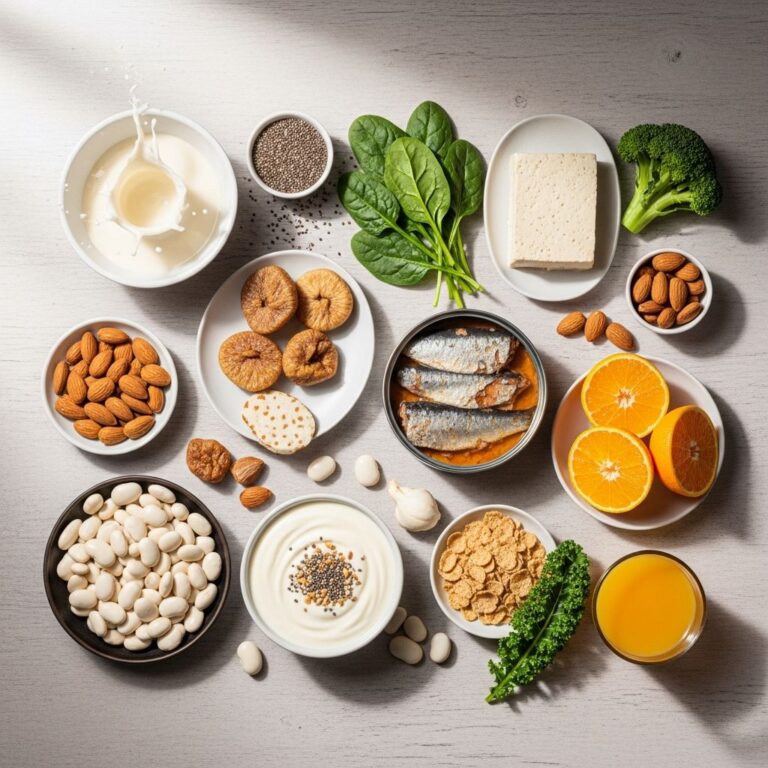
Worst Foods for Your Gut: 7 Science-Backed Offenders
Discover the top foods that can harm your gut microbiome and learn how to protect your digestive health for better overall wellness.
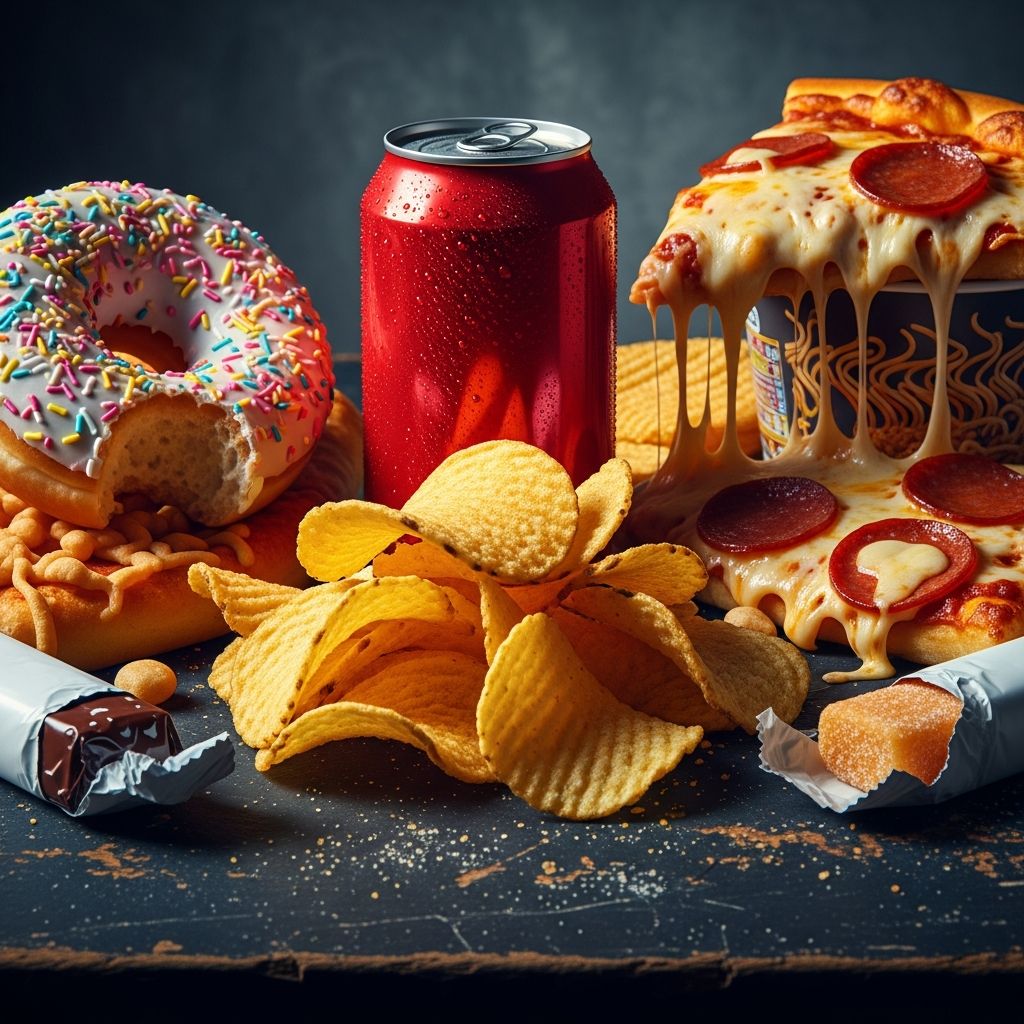
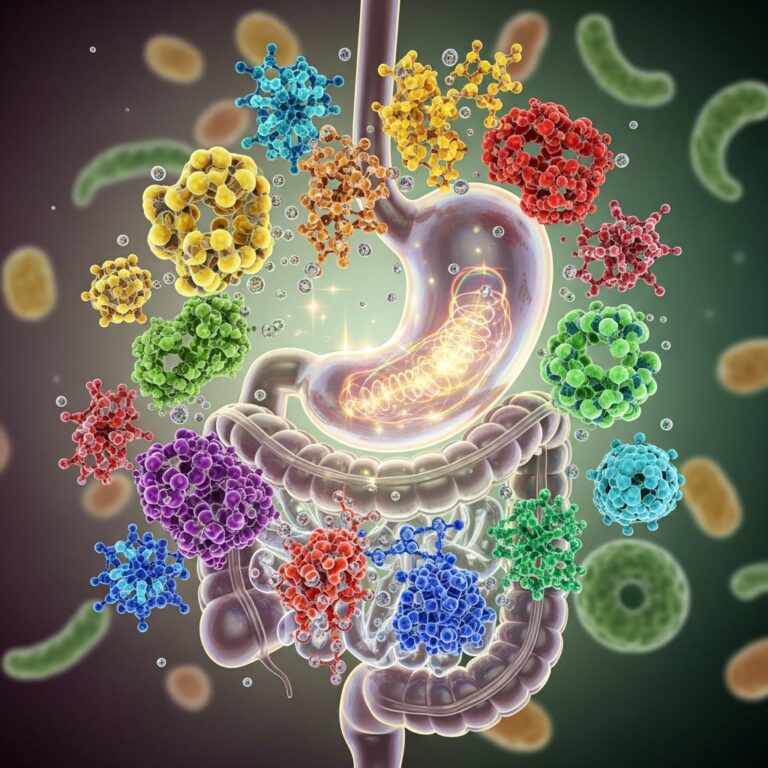
Your gut microbiome—a diverse community of trillions of bacteria, fungi, and other microbes—plays a crucial role in digestion, immunity, mental health, and disease prevention. Diets high in certain foods can disrupt this delicate balance, leading to inflammation, leaky gut, and conditions like IBS or IBD. This article breaks down the worst offenders based on scientific evidence and offers practical advice to nurture your gut.
What Makes a Food Bad for Your Gut?
Gut-disrupting foods often lack fiber, contain harmful additives, or promote harmful bacteria growth. Ultra-processed foods strip away essential nutrients, refined sugars feed pathogens, and fats from fried items reduce microbial diversity. Individual factors like genetics and sensitivities matter, but patterns of consumption have the biggest impact.
Maintaining gut health requires diversity: aim for 30+ plant foods weekly to feed beneficial bacteria. High-fiber diets support short-chain fatty acid production, which strengthens the gut barrier and reduces inflammation.
1. Ultra-Processed Foods
Ultra-processed foods—like sodas, chips, instant noodles, and packaged snacks—dominate modern diets and are among the worst for your gut. They are engineered with acellular nutrients (lacking plant fiber structure), additives, and emulsifiers that starve good bacteria and damage the mucus layer.
- Why harmful: Lack of fiber leads to rapid sugar absorption, underfeeding microbes and promoting inflammation-linked species. Emulsifiers like polysorbate-80 disrupt the gut barrier, increasing leaky gut risk.
- Common sources: Breakfast cereals, granola bars, frozen meals, sugary yogurts.
- Evidence: Diets high in these foods correlate with lower microbiome diversity and higher IBD risk.
Swap for whole foods: Choose oats, nuts, and fresh produce to rebuild microbial resilience.
2. Red and Processed Meats
Excessive red meat (beef, pork, lamb) and processed meats (bacon, sausages, hot dogs) alter gut bacteria unfavorably. They reduce beneficial species and boost TMAO production—a metabolite linked to heart disease.
- Why harmful: High animal protein shifts microbiome toward obesity-associated bacteria. For every 100g daily meat increase, IBD risk rises 38%.
- Common sources: Burgers, steaks, deli meats, pepperoni.
- Saturated fats: Further lower diversity and promote leaky gut.
A 2023 review of over 4 million people confirmed meat-heavy diets harm gut composition. Limit to 1-2 servings weekly; opt for plant proteins like lentils or fish.
3. Fried Foods
Fried items—french fries, doughnuts, fried chicken—are tough to digest due to saturated and trans fats. They reduce bacterial diversity and impair gut lining integrity.
- Why harmful: Oils promote pathogenic overgrowth; harder digestion stresses the gut. Liver patients are advised to avoid them entirely.
- Common sources: Fast food, packaged snacks with hydrogenated oils.
Bake or air-fry instead to retain nutrients without the gut damage.
4. Refined Sugars and Artificial Sweeteners
Sugars from sodas, candies, and baked goods, plus sweeteners like aspartame or sucralose, feed upper-GI pathogens while starving fiber-dependent good bacteria. High-glucose/fructose diets reduce diversity and increase Proteobacteria, triggering inflammation.
Related Stories



- Why harmful: Rapid fermentation causes bloating; long-term use alters microbiota composition.
- Common sources: Soda, candy, diet drinks, cereals.
High-sugar diets weaken tight junctions, leading to leaky gut and IBD risk. Choose whole fruits for natural sweetness.
5. High FODMAP Foods (for Sensitive Guts)
FODMAPs—fermentable carbs in onions, garlic, wheat, beans, and dairy—trigger symptoms in IBS sufferers by rapid fermentation. They’re prebiotic for others but problematic if sensitive.
| High FODMAP Food | Low FODMAP Alternative |
|---|---|
| Onions, garlic | Green tops of scallions, garlic-infused oil |
| Wheat bread/pasta | Sourdough, rice/quinoa |
| Apples, pears | Bananas, strawberries |
| Cow’s milk | Lactose-free milk, almond milk |
Test via elimination diet; most tolerate FODMAPs well as they nourish microbes.
6. Alcohol
Excess alcohol thins the mucus barrier, kills beneficial bacteria, and reduces diversity. It favors inflammatory microbes and contributes to dysbiosis.
- Why harmful: Damages gut cells, increases permeability.
- Tip: Limit to 1 drink/day; non-alcoholic options preserve balance.
7. Foods with Antibiotics and Additives
Conventionally raised meats/dairy often contain antibiotic residues, wiping out good bacteria. Additives like carboxymethylcellulose erode mucus.
Choose organic, additive-free products. Probiotics during antibiotic use can mitigate damage.
Why Gut Health Matters
A disrupted microbiome links to obesity, diabetes, eczema, IBD, and mental health issues. Balanced bacteria produce anti-inflammatory compounds; imbalance allows pathogens to thrive. Diverse diets foster resilience against infections and chronic disease.
Best Foods for Gut Health
Counteract damage with:
- Probiotics: Yogurt, kefir, kimchi, sauerkraut, miso.
- Prebiotics: Oats, bananas, garlic (if tolerated), legumes.
- Fiber-rich: Whole grains, fruits, veggies—aim for 30 plants/week.
No magic food exists; trial-and-error with a dietitian yields best results.
Frequently Asked Questions (FAQs)
What are the worst foods for gut health?
Ultra-processed foods, red/processed meats, fried foods, refined sugars, excessive alcohol, and high FODMAPs for sensitive individuals top the list.
Can I eat red meat occasionally?
Yes, moderation (1-2 servings/week) is key; excess promotes harmful bacteria and TMAO.
Do artificial sweeteners harm the gut?
They can disrupt microbiota in some people, favoring pathogens over beneficial species.
How quickly can I improve my gut health?
Shifts occur in days with fiber increases, but full diversity takes weeks. Add plants gradually.
Are fermented foods always good?
Great for most, but high FODMAP ones like some sauerkraut may irritate IBS guts.
Practical Tips to Protect Your Gut
- Eat diverse plants daily.
- Limit processed items to <10% of diet.
- Stay hydrated; exercise regularly.
- Manage stress—cortisol harms microbes.
- Consult pros for persistent issues.
By avoiding these worst foods and embracing whole-food patterns, you can restore balance and thrive.
References
- The worst foods for gut health — Medical News Today. 2023-05-15. https://www.medicalnewstoday.com/articles/326256
- The Worst Foods for Gut Health: A Science-Backed Guide — Seed. 2024-01-10. https://seed.com/cultured/worst-foods-for-gut-health-guide/
- Influence of Foods and Nutrition on the Gut Microbiome and Implications for Intestinal Health — PMC (National Library of Medicine). 2022-09-02. https://pmc.ncbi.nlm.nih.gov/articles/PMC9455721/
- Gut health — Better Health Channel (Victoria.gov.au). 2023-11-20. https://www.betterhealth.vic.gov.au/health/healthyliving/gut-health
Similar Articles








Read full bio of Sneha Tete