Wound Cleansers: Expert Guide To Safe, Effective Options
Essential guide to wound cleansers: types, ideal properties, and best practices for effective wound healing and infection prevention.
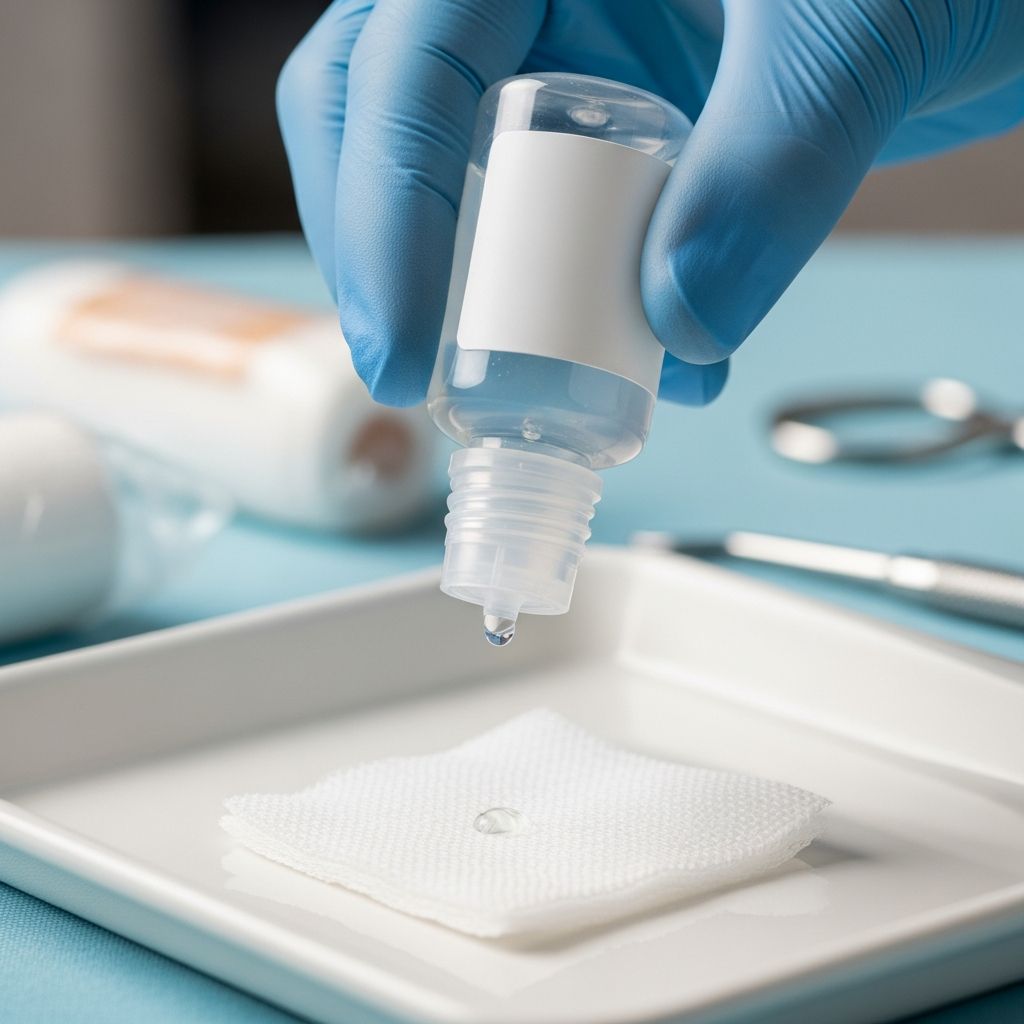
Wound cleansers are rinsing solutions used to remove foreign materials from a wound surface and its surrounding skin. They serve as a cost-effective means to promote wound healing and reduce infection rates in both acute and chronic wounds.
What are wound cleansers?
Wound cleansers consist of rinsing solutions designed specifically to clean wound surfaces by removing debris, bacteria, and other contaminants while minimizing damage to healthy tissue. These solutions are applied during the initial steps of wound bed preparation, helping to create an optimal environment for healing. Unlike routine washing, therapeutic wound cleansing involves diligent techniques to loosen and remove tough biofilms and necrotic material without harming regenerating tissues.
The process aids in preventing infection, debriding loose material, and preparing the wound bed for dressings or advanced therapies. Clinical decisions on cleanser selection often follow local guidelines, but evidence supports using non-toxic, effective agents over traditional antiseptics that may impair healing.
Who needs wound cleansers?
Patients with acute wounds from trauma, surgery, or burns, as well as those with chronic wounds like venous leg ulcers, diabetic foot ulcers, or pressure injuries, benefit from proper cleansing. Routine use is recommended as the first step in wound management to reduce bioburden and foreign bodies, particularly in contaminated or colonized wounds. Cleansing is essential before dressing changes to prevent secondary infections, especially in ‘weak’ wounds prone to complications.
What is the purpose of wound cleansers?
The primary goals include removing visible debris, invisible bacteria, and biofilms; reducing microbial load to prevent infection; and promoting a moist healing environment without cytotoxicity. Cleansers support physical debridement via low surface tension, which penetrates coatings and lifts pathogens. They also soothe inflammation during wet-to-dry phases and enhance patient comfort.
In modern wound care, cleansers contribute to antimicrobial stewardship by proactively managing infection risks topically, avoiding systemic antibiotics.
What are the ideal properties of a wound cleanser?
An ideal wound-cleansing solution should possess several key characteristics to balance efficacy and safety:
- Non-toxic to human cells, avoiding cytotoxicity to fibroblasts and keratinocytes essential for healing.
- Non-irritant and hypoallergenic, preventing pain or periwound damage.
- Low surface tension for effective penetration and removal of debris, bacteria, and biofilms.
- Antimicrobial activity against bacteria, fungi, and viruses without fostering resistance.
- Clinically effective at reducing bioburden while preserving growth factors and regenerating epithelium.
- Cost-effective and stable, with preservatives ensuring sterility for extended periods.
- Compatible with dressings and suitable for acute/chronic, superficial/deep wounds.
These properties ensure cleansers optimize local wound conditions without delaying repair.
How should wound cleansers be used?
Wound cleansing follows a structured approach:
- Assess the wound for contamination, bioburden, and sensitivity.
- Select appropriate solution based on wound type and guidelines.
- Apply via irrigation (8-15 psi pressure), soaking, or wet-to-dry wraps for 10-15 minutes.
- Remove debris gently with gauze or no-touch techniques.
- Pat dry periwound skin and proceed to dressing.
Warm solutions to body temperature if possible for comfort, though not mandatory for short phases. Repeat between dressing changes as needed, especially in infected wounds.
What wound cleansers are used?
Common categories include:
- Water and saline: Safe, inert options for low-bioburden wounds; saline mimics body fluids, but lacks antimicrobial action.
- Antimicrobial solutions: Modern broad-spectrum agents like polyhexamethylene biguanide (PHMB) and octenidine.
Related Stories



Polyhexanide (PHMB)
PHMB 0.1% solutions (e.g., Prontosan®) combine biguanide antiseptic with surfactants like undecylenamidopropyl betaine. Low surface tension aids debris/biofilm removal; broad-spectrum activity prevents recontamination. Studies show 97% healing in venous ulcers vs. 89% with saline/Ringer’s, with faster closure (60% in 3 months). Safe under occlusive dressings; sterility lasts 8 weeks.
Octenidine
Octenidine dihydrochloride with surfactants loosens encrusted dressings and microbes. Effective for superficial wounds; avoid near sinus tracts. Broad-spectrum, no resistance reported.
Other antimicrobials
Cadexomer iodine absorbs exudate and debrides; caution in allergies/thyroid issues. Older antiseptics like chlorhexidine or povidone-iodine are discouraged due to cytotoxicity.
| Cleanser Type | Pros | Cons | Best For |
|---|---|---|---|
| Saline/Ringer’s | Non-toxic, cheap | Ineffective vs. biofilm | Clean wounds |
| PHMB | Biofilm removal, fast healing | Costlier | Chronic/infected |
| Octenidine | Loosens debris, broad-spectrum | Avoid deep tracts | Superficial |
| Iodine | Debridement | Cytotoxic risks | Select cases |
Clinical evidence
A 6-month study of 59 venous leg ulcers cleansed with PHMB showed superior healing (97% complete) and reduced time to closure compared to saline/Ringer’s (89%). Kaplan-Meier analysis confirmed statistical significance (p<0.05). PHMB optimized wound beds, prevented infections, and improved comfort. Consensus documents emphasize therapeutic cleansing's role in infection management.
Precautions and contraindications
- Avoid cytotoxic agents in clean wounds.
- Test for allergies (e.g., iodine).
- Do not overuse to prevent removing healing tissues.
- Contraindicated in certain sensitivities or near-body cavities for some agents.
Frequently asked questions
What is the best wound cleanser?
The ‘best’ depends on wound type; PHMB for infected/chronic, saline for clean acute wounds.
Is tap water safe for wounds?
Yes for low-risk wounds, but potable quality required; saline preferred.
Can wound cleansers delay healing?
Cytotoxic ones can; choose non-toxic modern agents.
How often to cleanse wounds?
At dressing changes or as bioburden dictates.
Does PHMB cause resistance?
No evidence; broad-spectrum without resistance.
Related topics
- Wound care
- Antiseptic
- Wound bed preparation
- Biofilm wound infection
References
- Assessment of a Wound Cleansing Solution in the Treatment of Venous Leg Ulcers — HMP Global Learning Network. 2008. https://www.hmpgloballearningnetwork.com/site/wounds/article/8882
- Wound cleansers – DermNet — DermNet NZ. 2024-01 (updated). https://dermnetnz.org/topics/wound-cleansers
- Technology update: role of wound cleansing in the management of chronic wounds — Wounds UK. 2023-02. https://wounds-uk.com/wp-content/uploads/2023/02/content_11343.pdf
- How Can Wound Cleansers Aid in Antimicrobial Stewardship? — WoundSource. 2023 (recent update). https://www.woundsource.com/blog/how-can-wound-cleansers-aid-in-antimicrobial-stewardship
- Therapeutic wound and skin cleansing: Clinical evidence and recommendations — Wounds International. 2023. https://woundsinternational.com/consensus-documents/therapeutic-wound-and-skin-cleansing-clinical-evidence-and-recommendations/
- Wound cleansing, topical antiseptics and wound healing — PMC/NIH (gov). 2021. https://pmc.ncbi.nlm.nih.gov/articles/PMC7951490/
Similar Articles








Read full bio of Sneha Tete