Wound Healing Process: 4 Phases And Practical Care
Discover the intricate stages of wound healing, from initial clotting to full tissue remodeling, and learn how to support your body's natural recovery.
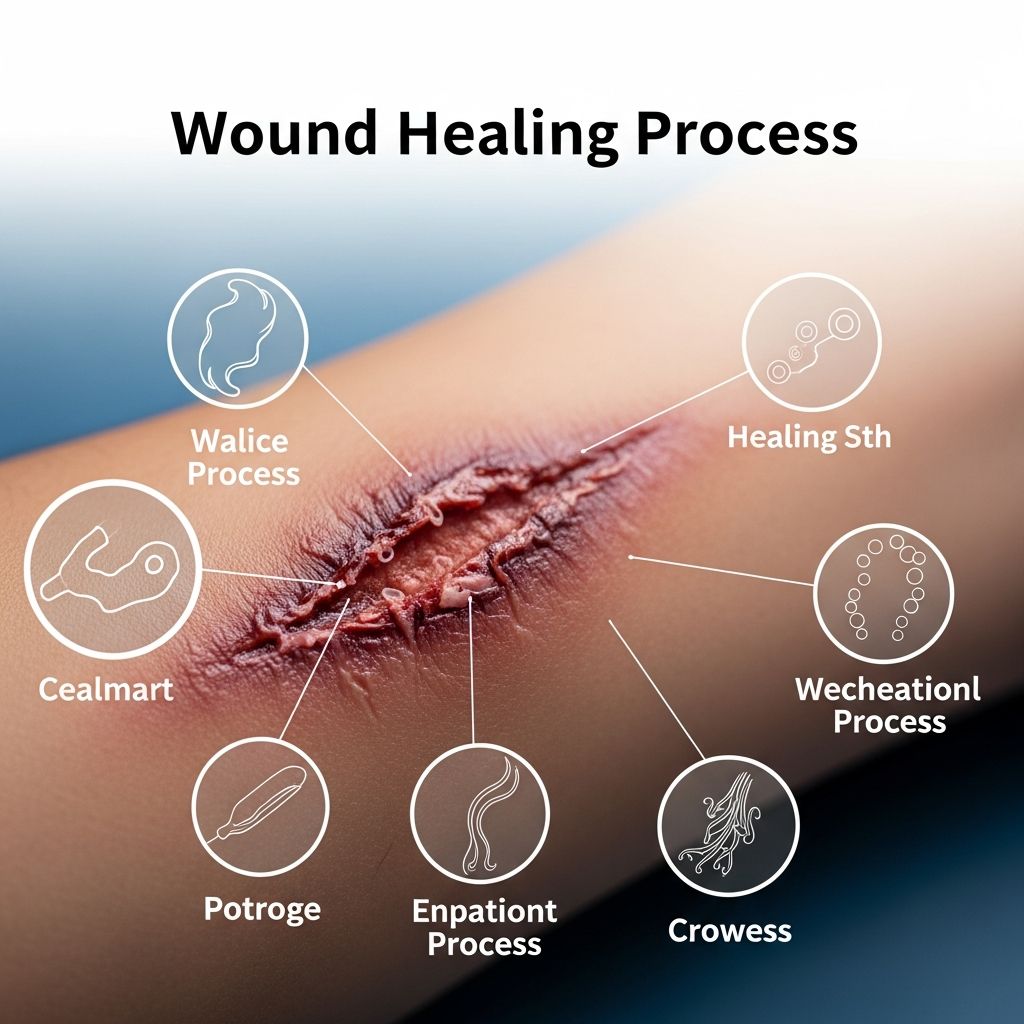
The human body possesses an extraordinary ability to repair itself after injury through a meticulously orchestrated sequence of biological events known as wound healing. This dynamic process restores skin integrity and function, typically unfolding in four overlapping phases: hemostasis, inflammation, proliferation, and maturation. Each stage involves specific cellular activities, chemical signals, and tissue changes that work synergistically to close wounds and minimize infection risk.
Understanding the Fundamentals of Tissue Repair
Wound healing begins the moment damage occurs, whether from cuts, burns, or surgical incisions. Far from a linear progression, these phases overlap, with cells like platelets, neutrophils, macrophages, fibroblasts, and endothelial cells coordinating via cytokines, growth factors, and extracellular matrix components. This complexity ensures efficient repair while adapting to wound type, size, and location.
Optimal healing requires rapid hemostasis to stop bleeding, controlled inflammation to clear debris, robust proliferation for new tissue formation, and prolonged remodeling for strength. Disruptions at any stage can lead to delayed closure, excessive scarring, or chronic wounds.
Phase 1: Hemostasis – The Immediate Seal
Hemostasis kicks off within seconds of injury, prioritizing blood loss prevention. Vascular constriction narrows damaged vessels, while platelets aggregate at the site, releasing chemicals like serotonin and histamine to enhance permeability and attract repair cells. These platelets form a plug reinforced by fibrin proteins, creating a stable clot that acts as a provisional barrier.
This phase lasts minutes to hours, sometimes up to two days for larger wounds. The fibrin scaffold not only halts bleeding but also serves as a framework for incoming inflammatory cells. Keeping the area covered supports this initial clotting by maintaining moisture and pressure.
Phase 2: Inflammation – Cleanup and Defense
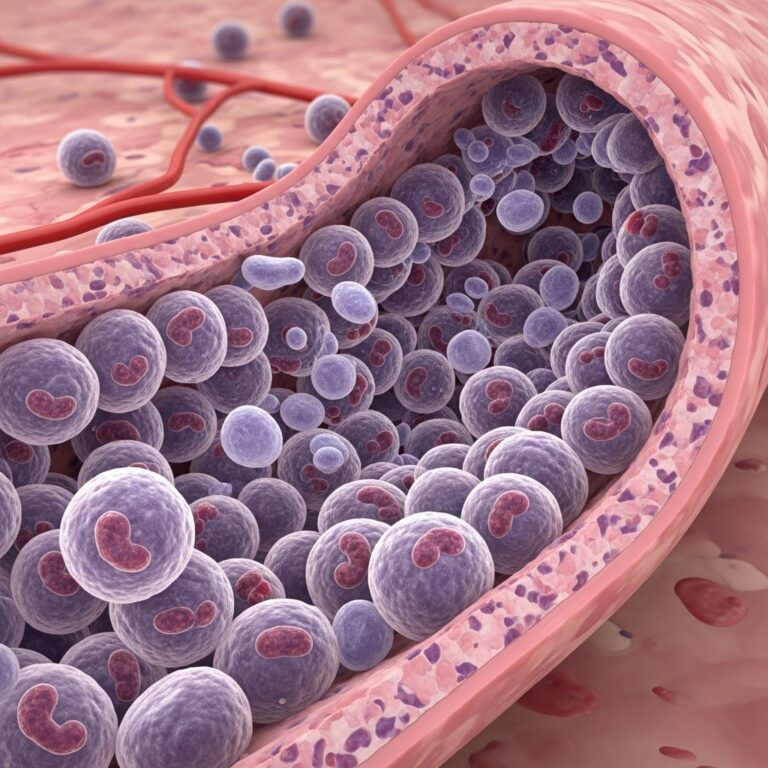
Transitioning seamlessly from hemostasis, the inflammatory phase spans 1-5 days, dominated by immune responses. Neutrophils arrive first within hours, performing phagocytosis to engulf bacteria, dead cells, and debris. They release mediators promoting further cell recruitment.
Macrophages follow, sustaining cleanup, resolving inflammation, and secreting growth factors like PDGF, TGF-β, FGF, and EGF. These signal fibroblasts and endothelial cells for the next phase. Signs include redness, swelling, heat, and pain, indicating active defense. Prolonged inflammation signals potential issues like infection.
Phase 3: Proliferation – Building New Tissue
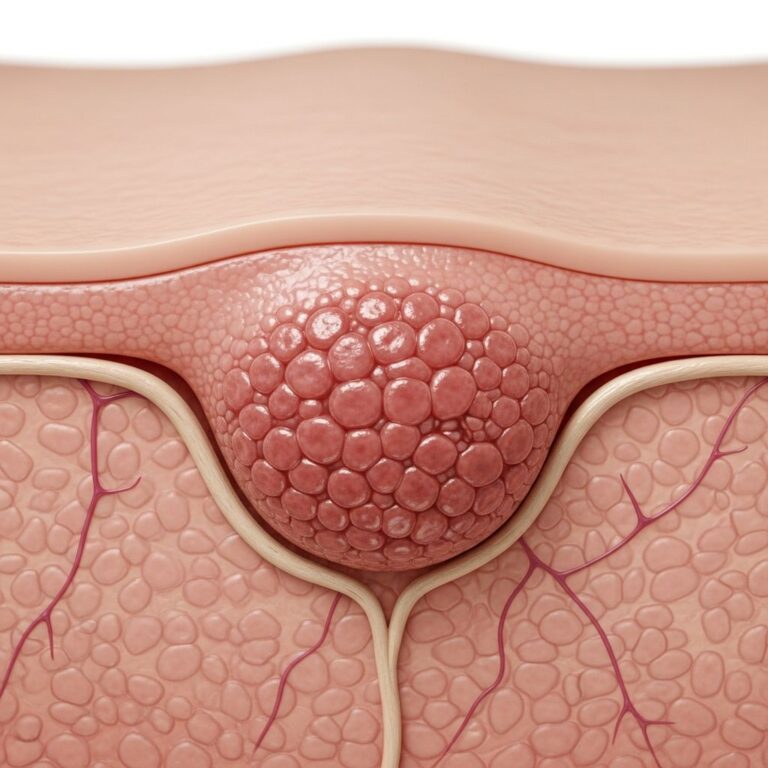
Starting around day 3 and lasting 3-21 days or weeks, proliferation rebuilds the wound bed. Fibroblasts migrate, synthesizing collagen, glycosaminoglycans, and proteoglycans to form granulation tissue – a pink, vascular matrix filling the gap.
Angiogenesis and vasculogenesis create new vessels via endothelial progenitor cells, ensuring oxygen and nutrients. Reepithelialization sees epithelial cells migrate from edges, forming a thin layer that thickens over time. Myofibroblasts drive contraction, shrinking the wound. Moisture and oxygen are crucial here for fibroblast activity and collagen deposition.
| Key Proliferative Processes | Description | Timeline |
|---|---|---|
| Granulation Tissue Formation | Fibroblasts deposit ECM with new vessels | Days 5-7+ |
| Angiogenesis | New blood vessel growth | Ongoing |
| Reepithelialization | Epithelial cell migration and layering | Weeks |
| Wound Contraction | Myofibroblast pulling | Throughout |
Related Stories



Phase 4: Maturation and Remodeling – Gaining Strength
The final phase, from 21 days to over a year, refines the repair. Collagen reorganizes, cross-links, and aligns, boosting tensile strength to about 80% of original skin, though scars remain weaker. Excess cells undergo apoptosis, vessels regress, and the matrix stabilizes.
This remodeling minimizes bulk, flattens scars, and restores function. Full maturity can take years, influenced by wound depth and individual factors.
Factors That Influence Healing Speed and Quality
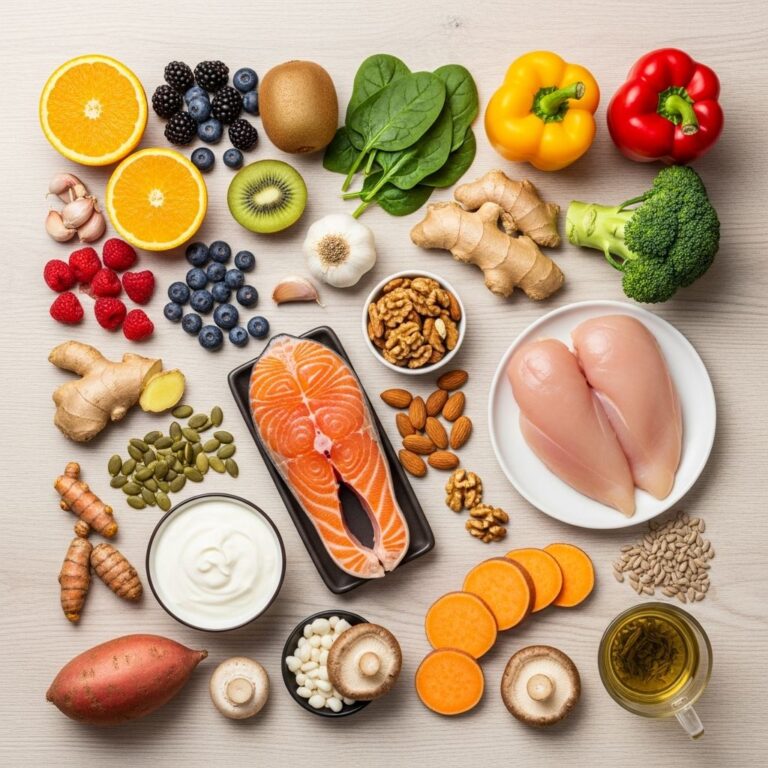
Several elements can accelerate or hinder healing across phases. Nutrition provides building blocks: protein for collagen, vitamin C for synthesis, zinc for cell division. Age slows repair due to reduced cell activity; diabetes impairs circulation and immunity; smoking constricts vessels and depletes oxygen.
- Positive Influences: Adequate hydration, balanced diet, controlled blood sugar, non-smoking status.
- Negative Influences: Infection, poor circulation, malnutrition, chronic stress, certain medications like steroids.
External care matters: clean wounds reduce bacterial load, while pressure offloading prevents shear on chronic ulcers.
Types of Wounds and Their Healing Patterns
Wounds heal via primary intention (edges approximated, minimal scarring, e.g., surgical stitches), secondary intention (open, fills with granulation, more scarring, e.g., ulcers), or tertiary (delayed closure). Acute wounds (cuts) heal predictably; chronic ones (pressure sores) stall in inflammation.
Practical Tips for Supporting Wound Recovery
Promote healing by cleaning gently with saline, applying moist dressings, elevating limbs, and eating nutrient-rich foods. Avoid picking scabs or exposing to dirt. Seek medical help for signs of infection: pus, fever, increasing pain.
- Monitor for redness spreading beyond edges.
- Use over-the-counter antiseptics sparingly.
- Protect with bandages but change regularly.
When to Consult a Healthcare Professional
Professional intervention is vital for deep wounds, animal bites, foreign objects, or those not improving in 1-2 weeks. Diabetics, immunocompromised individuals, or those with large burns need prompt care to avert complications like cellulitis or sepsis.
FAQs on Wound Healing
What is the normal timeline for a small cut to heal?
Small cuts typically clot in minutes, inflame for days, proliferate over a week, and remodel fully in months.
Why do some wounds scar more than others?
Deeper wounds or tension areas produce more collagen, leading to visible scars during remodeling.
Can diet really speed up healing?
Yes, vitamins A, C, protein, and zinc support collagen and immunity.
What delays wound healing in older adults?
Reduced blood flow, thinner skin, and slower cell turnover prolong phases.
Is moist wound healing better than dry?
Moist environments enhance epithelial migration and reduce scarring.
Advances in Wound Care Research
Emerging therapies target stalled phases: growth factor dressings boost proliferation, negative pressure aids granulation, stem cells enhance angiogenesis. Understanding EPCs and MSCs opens doors to regenerative medicine.
In summary, wound healing exemplifies biological precision, but optimal outcomes demand supportive care attuned to each phase’s needs.
References
- Wound Healing Phases – StatPearls — NCBI Bookshelf. 2023-08-08. https://www.ncbi.nlm.nih.gov/books/NBK470443/
- Understanding the Stages of Wound Healing — Healogics. 2024-01-15. https://www.healogics.com/wound-care-patient-information/understanding-the-stages-of-wound-healing-from-inflammation-to-remodeling/
- The Four Stages of Wound Healing — Wound Evolution. 2023-05-20. https://www.woundevolution.com/blog/the-four-stages-of-wound-healing/
- Factors Affecting Wound Healing — PMC/NCBI. 2010-07-01. https://pmc.ncbi.nlm.nih.gov/articles/PMC2903966/
Similar Articles








Read full bio of Sneha Tete