Wounds: What You Need To Know About Types, Healing, And Care
Comprehensive guide to wound types, healing processes, infections, and advanced management strategies for optimal recovery.
A
wound
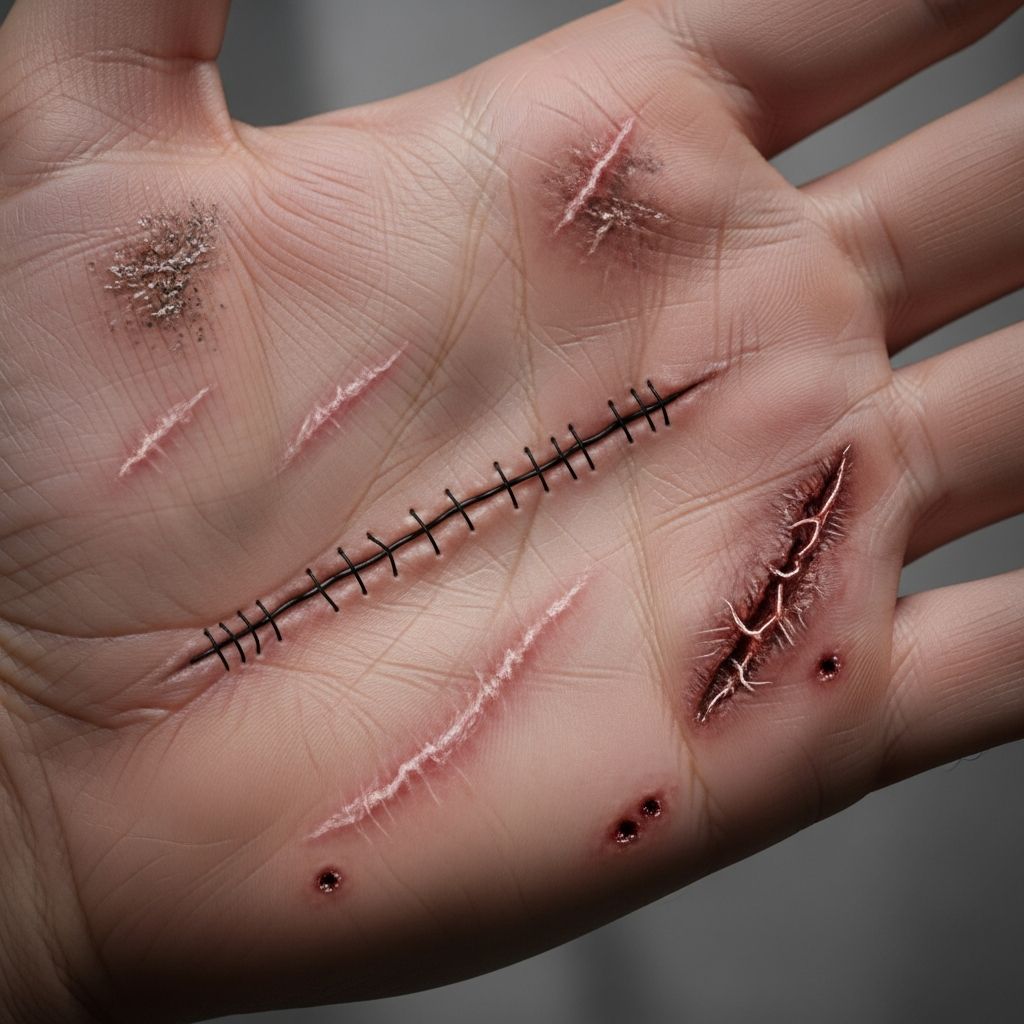
is a physical injury where the skin or mucous membrane is torn, pierced, cut, or otherwise broken. Wound healing is a complex process involving inflammatory, vascular, connective tissue, and epithelial cells working together over time.What is a wound?
Wounds disrupt the skin’s protective barrier, exposing underlying tissues to potential infection and dehydration. The severity depends on depth, size, location, and contamination level. Acute wounds, such as cuts or surgical incisions, typically heal within 4 weeks following normal phases, while chronic wounds persist longer, often due to underlying conditions like diabetes or poor circulation.
Who gets wounds?
Anyone can sustain a wound from trauma, surgery, or medical conditions. High-risk groups include the elderly, diabetics, immobile patients prone to pressure ulcers, and those with vascular diseases. Surgical patients face risks from operative sites, with infections being a leading hospital-acquired complication.
Types of wounds
Wounds are classified by depth, aetiology, acuity, and contamination. These categories guide treatment and predict healing potential.
By depth
| Type | Description |
|---|---|
| Superficial | Involves only the epidermis and upper dermis; heals quickly by regeneration |
| Partial thickness | Skin loss up to lower dermis; recruits keratinocytes from adnexal structures |
| Full thickness | Extends to subcutaneous tissue; slower healing, often results in scarring |
| Deep/complicated | Penetrates cavities, organs, or bone; requires specialized management |
By aetiology
- Mechanical: Abrasions (grazes), lacerations, incisions, punctures, avulsions
- Thermal: Burns, frostbite
- Chemical: Acid/alkali exposure
- Primary: From direct trauma (e.g., cuts, bites)
- Secondary: From diseases (diabetic, venous, pressure ulcers)
- Other: Gunshot, animal bites, poisoned wounds
By acuity
- Fresh: <8 hours post-injury
- Old: >8 hours, increased infection risk
By contamination (surgical)
- Clean: Elective, no inflammation
- Clean-contaminated: Respiratory/GI tract entered
- Contaminated: Acute inflammation, gross spillage
- Dirty: Pus, perforation present
Wound healing
Wound healing occurs in three overlapping phases: inflammation, proliferation, and remodelling. Haemostasis precedes these, forming a scab for protection.
Inflammation phase
Begins immediately: Vasoconstriction halts bleeding, platelets form a clot. White blood cells infiltrate to clear debris and bacteria. Lasts 2-5 days; excessive inflammation delays healing.
Proliferation phase
Days 3-21: Fibroblasts produce collagen, angiogenesis forms new vessels, epithelial cells migrate to close the wound. Moist environments accelerate this by promoting cell migration.
Remodelling phase
Weeks to years: Collagen reorganizes, scar matures and strengthens to 80% of original tissue. Full-thickness wounds scar; superficial ones regenerate.
Fetal wounds heal without scars via regeneration, unlike adult fibrosis.
Factors affecting wound healing
Healing rate depends on:
- Wound factors: Size, depth, location (e.g., lower legs heal slower), infection
- Patient factors: Age, nutrition (protein, vitamins A/C/zinc), comorbidities (diabetes, smoking impairs oxygenation)
- Treatment: Timely cleaning, moist dressing vs. dry scab.
Chronic wounds fail to progress due to persistent inflammation or biofilm.
Wound assessment
Evaluate: Depth, dimensions, exudate, odour, surrounding skin, pain, granulation/tissue type. Tools like TIME (Tissue, Infection, Moisture, Edge) guide management.
Related Stories



Surgical site infections
Defined by CDC: Infection within 30 days post-op, involving skin/subcutis/muscle, with purulent drainage, positive cultures, or signs like pain, swelling, erythema.
Risk factors: Host (obesity, diabetes), wound class, duration >2 hours. Prevention: Asepsis, prophylactic antibiotics, normothermia.
Complications: Prolonged hospital stay (7-10 days extra), sepsis.
Wound management
Prompt intervention minimizes scarring and infection. Cleanse with saline/antimicrobials, debride necrotic tissue, apply dressings.
Wound cleansing
Use saline, water, or broad-spectrum antimicrobials (e.g., polyhexamethylene biguanide). Avoid cytotoxic antiseptics like hydrogen peroxide.
Dressings
- Passive: Cover only (gauze)
- Interactive: Maintain moisture (hydrogels, foams)
- Advanced: Honey-impregnated, silver, negative pressure.
Skin substitutes
Autografts: Patient’s own skin; gold standard for burns, but creates donor site.
Allografts/Xenografts: Temporary cadaver/animal skin.
Bioengineered: Cultured keratinocytes/fibroblasts for chronic wounds.
Honey in wound care
Medical-grade honey (e.g., Manuka) provides antibacterial (H2O2, methylglyoxal), anti-inflammatory effects, promotes autolysis. Effective for infected/chronic wounds when antibiotics fail.
Other therapies
- Negative pressure wound therapy
- Silver dressings for infection
- Topical adhesives for low-tension wounds
Complications
Infection: Cellulitis, abscess, osteomyelitis.
Scarring: Hypertrophic (confined, regresses) vs. keloids (beyond margins, persistent). Keloids common post-trauma/surgery in predisposed (dark skin, genetic).
Chronic ulcers: Pressure (stage 1-4), venous, diabetic[10].
Hypertrophic scars and keloids
Excessive collagen deposition. Keloids: Firm, itchy, grow beyond wound; histology shows thick hyalinized bundles. Treatment: Steroids, 5-FU, radiation, surgery (recurs).
Prevention
For surgical wounds: Sterile technique, hair removal if needed, perioperative antibiotics. General: Nutrition, smoking cessation, offloading pressure.
FAQ
How long do wounds take to heal?
Superficial: 3-7 days; partial/full thickness: 3-6 weeks; chronic: months. Factors like moisture and nutrition accelerate.
When to seek medical help?
Increasing pain/redness, pus, fever, no healing in 2 weeks, deep wounds, animal bites.
Is a moist or dry wound better?
Moist: Faster epithelialization (50% quicker), less scarring vs. dry eschar.
Can honey really heal wounds?
Yes, medical-grade honey reduces infection, debrides, and promotes healing in burns/ulcers.
What causes keloids?
Genetic predisposition + injury; more in Asians/Africans. Avoid unnecessary surgery.
References
- Wounds — DermNet NZ. 2005 (updated). https://dermnetnz.org/topics/wounds
- Normal wound healing — DermNet NZ. 2009. https://dermnetnz.org/cme/wound-healing/normal-wound-healing
- Wound infections — DermNet NZ. 2005. https://dermnetnz.org/topics/wound-infections
- Wound cleansers — DermNet NZ. https://dermnetnz.org/topics/wound-cleansers
- Honey in Wound Care — DermNet NZ. https://dermnetnz.org/topics/honey
- Keloid and Hypertrophic Scar — DermNet NZ. https://dermnetnz.org/topics/keloid-and-hypertrophic-scar
Similar Articles








Read full bio of Sneha Tete