Xanthan Gum: Comprehensive Guide To Uses, Benefits & Safety
Discover what xanthan gum is, its benefits for health and cooking, potential risks, and safe usage guidelines for everyday diets.
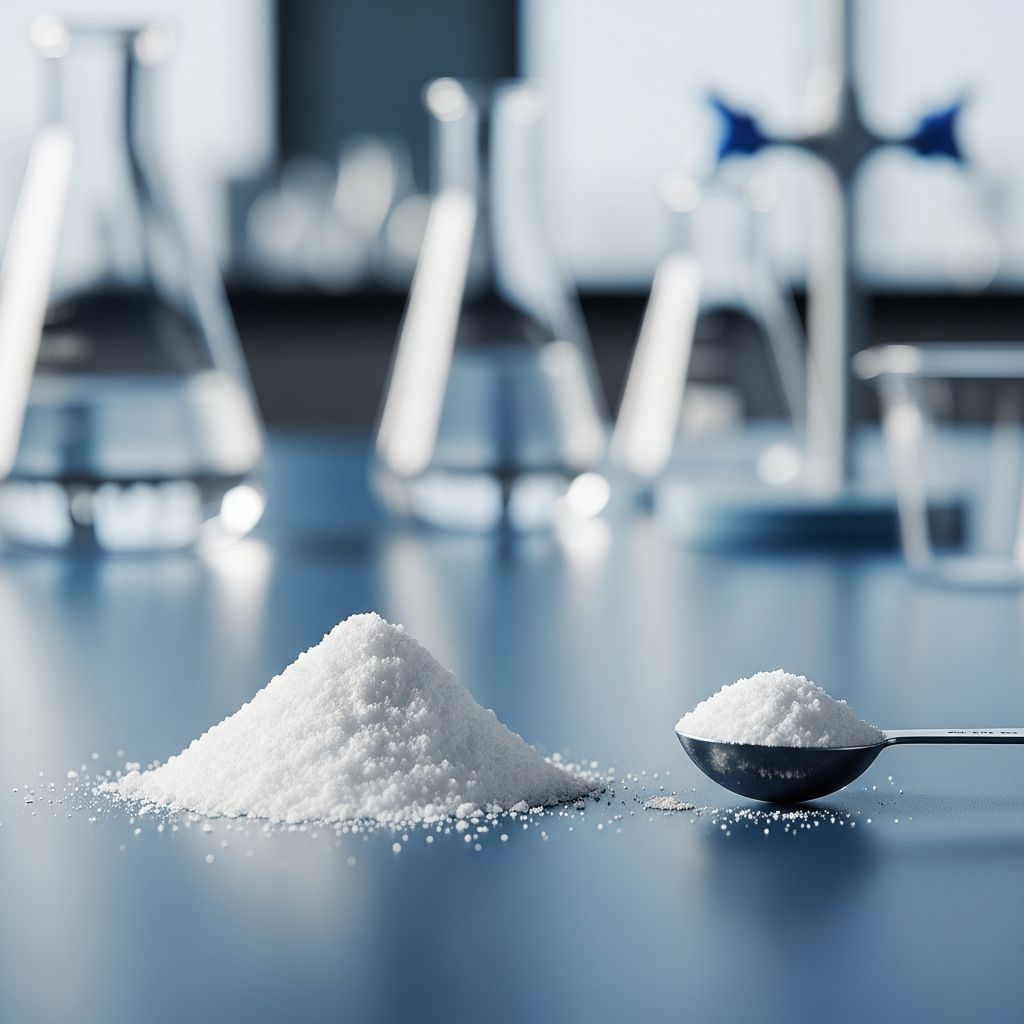
Xanthan gum is a widely used food additive that functions as a thickener, stabilizer, and emulsifier in countless products, from sauces to gluten-free baked goods. Produced through bacterial fermentation, it enhances texture without altering flavor and may provide health benefits like blood sugar regulation.
What Is Xanthan Gum?
**Xanthan gum** is a polysaccharide, a complex carbohydrate derived from the fermentation of sugars by the bacterium *Xanthomonas campestris*. This bacteria, which naturally affects cruciferous vegetables like cabbage and broccoli, produces a gum-like substance during fermentation with glucose, sucrose, or lactose.
The process involves growing the bacteria in a sugar-rich medium, then precipitating and drying the resulting gum into a fine powder. Chemically, xanthan gum consists of repeating units of glucose, mannose, and glucuronic acid, giving it unique thickening properties even in small amounts—typically 0.1% to 1% of a recipe’s weight.
Unlike starches that break down under heat, xanthan gum remains stable across a wide temperature range, from freezing to boiling, and works in both acidic and alkaline environments. This versatility makes it indispensable in industrial food production and home cooking.
Production Process
Xanthan gum production is a controlled fermentation akin to yogurt or beer making but optimized for yield. Here’s a step-by-step overview:
- Seeds of *Xanthomonas campestris* are inoculated into a nutrient broth containing sugars (often corn or soy-based) and nitrogen sources.
- The mixture ferments aerobically for 1-4 days at 28-30°C (82-86°F), producing a viscous broth.
- Alcohol (like isopropanol) precipitates the gum, which is then recovered, washed, dried, and milled into powder.
- Purification ensures food-grade quality, removing impurities and bacteria remnants.
Commercial production yields high-purity xanthan gum approved by regulatory bodies worldwide. It’s vegan, gluten-free, and kosher-certified, appealing to diverse dietary needs.
Common Uses in Food and Beyond
Xanthan gum’s primary role is improving texture in processed foods where natural thickeners fall short. Key applications include:
- Sauces and dressings: Prevents separation in salad dressings, ketchup, and gravies.
- Bakery products: Enhances structure in gluten-free breads, muffins, and cakes by mimicking gluten’s elasticity.
- Dairy alternatives: Thickens plant-based milks, ice creams, and yogurts.
- Low-sugar/fat products: Compensates for reduced moisture-binding in diet foods.
Beyond food, it’s used in toothpaste for stability, cosmetics as a suspending agent, and pharmaceuticals for controlled drug release. In gluten-free baking, ¼ to ½ teaspoon per cup of flour creates chewy textures without gumminess.
Health Benefits
Emerging research highlights xanthan gum’s potential beyond thickening. While not a nutrient powerhouse, its soluble fiber-like properties offer benefits:
Lowers Blood Sugar Levels
Xanthan gum slows carbohydrate digestion by forming a gel in the gut, reducing post-meal blood sugar spikes. A study showed participants eating xanthan-coated rice had significantly lower glycemic responses than controls. Another 2022 trial confirmed decreased glucose levels and favorable gut microbiome changes with increased short-chain fatty acids.
Reduces Cholesterol
High doses (10-15g daily) lowered total cholesterol by 10% in small human trials, likely by binding bile acids and promoting excretion. Effects were seen after 23 days in healthy men consuming 10x the typical intake.
Related Stories



Promotes Satiety and Weight Management
By delaying gastric emptying, xanthan gum increases fullness, potentially aiding weight loss. Users report prolonged satisfaction from smaller meals.
Improves Digestion
As a soluble fiber, it softens stool, eases bowel movements, and acts as a prebiotic, feeding beneficial gut bacteria. Small trials suggest relief for IBS-related constipation.
Other Potential Benefits
Animal studies indicate anti-tumor effects in melanoma models, though human data is lacking. It also aids dry mouth as a saliva substitute and swallowing in dysphagia patients by thickening liquids.
| Benefit | Supporting Evidence | Typical Dose for Effect |
|———|———————|————————|
| Blood Sugar Control | Human studies on rice meals | 5-15g per meal |
| Cholesterol Reduction | 23-day trial in men | 10-13g daily |
| Satiety | Observational fullness reports | 5-10g |
| Laxative Effect | Stool softening studies | 10-15g |
Is Xanthan Gum Safe?
The
FDA
classifies xanthan gum as GRAS (Generally Recognized as Safe) with no specified upper limit for food use. The European Food Safety Authority (EFSA) reaffirmed its safety in 2017, noting no adverse effects up to 214 mg/kg body weight daily in most subjects.Animal studies, including multi-generational rat and dog trials, showed no toxicity, tumors, or reproductive issues even at massive doses. Human tolerance is high; typical dietary intake is under 1g daily, far below levels causing issues.
Potential Side Effects and Risks
While safe for most, high intake (15g+) can cause:
- Digestive upset: Bloating, gas, diarrhea, or loose stools due to its laxative effect.
- Intestinal discomfort: In sensitive individuals or those with IBS, it may worsen symptoms.
Rare allergies occur, especially if produced from corn/soy in sensitive people. A 2019 rat study suggested pro-inflammatory potential at extreme doses, but human relevance is unclear. Vulnerable groups include those with chronic diarrhea, fecal incontinence, or corn/soy allergies—consult a doctor.
No evidence links it to cancer or long-term harm in humans.
Who Should Avoid or Limit Xanthan Gum?
- People with severe digestive disorders (e.g., IBD flare-ups).
- Those prone to laxative effects or allergies to base ingredients.
- Infants under 1 year, though pediatric exposure is minimal.
Pregnant/nursing individuals can use it safely per regulatory approvals.
Xanthan Gum vs. Other Thickeners
| Thickener | Source | Best For | Drawbacks |
|---|---|---|---|
| Xanthan Gum | Bacterial fermentation | Gluten-free, heat-stable | Potential digestive issues at high doses |
| Guar Gum | Guar beans | Cold-thickening | Less stable in acid/heat |
| Psyllium Husk | Plantain seeds | Fiber supplement | Strong flavor, gels quickly |
| Cornstarch | Corn | Hot thickening | Breaks down in freezing/acid |
How to Use Xanthan Gum at Home
Start small: Blend into dry ingredients or sprinkle slowly into liquids while whisking to avoid clumps. Common ratios:
- ¼ tsp per cup liquid for sauces.
- ½ tsp per cup flour for baking.
- ⅛ tsp per quart for ice cream base.
Store in a cool, dry place; it lasts indefinitely.
Alternatives to Xanthan Gum
- **Guar gum:** Similar thickening, cheaper, but less versatile.
- **Chia/flax seeds:** Natural gels for smoothies/baking.
- **Agar-agar:** Vegan gelatin alternative for jellies.
- **Arrowroot:** Clear thickener for sauces.
Regulatory Status Worldwide
Approved by FDA, EFSA, WHO, and Codex Alimentarius as a safe additive (E415 in EU). No ADI limit in the US; EFSA sets 0- unlimited based on safety data.
Frequently Asked Questions (FAQs)
Is xanthan gum natural?
Yes, it’s naturally produced via bacterial fermentation, though industrially processed.
Does xanthan gum have calories?
About 4 calories per gram, but negligible in typical use as it’s not fully digested.
Is it keto or low-carb friendly?
Yes, with zero net carbs since it’s fermented by gut bacteria.
Can xanthan gum replace eggs in baking?
Partially; combine with other binders for best vegan results.
Is xanthan gum inflammatory?
No strong evidence in humans; animal studies at extreme doses are not conclusive.
References
- Xanthan Gum — Is This Food Additive Healthy or Harmful? — Healthline. 2023. https://www.healthline.com/nutrition/xanthan-gum
- Xanthan gum: Uses, health information, and substitutes — Medical News Today. 2023. https://www.medicalnewstoday.com/articles/320272
- Food Additives and Health — Harvard T.H. Chan School of Public Health. 2024. https://nutritionsource.hsph.harvard.edu/food-additives/
- Xanthan gum | Definition, Uses, Properties, & Health — Britannica. 2024. https://www.britannica.com/topic/xanthan-gum
- Harmful or Harmless: Xanthan Gum — Chris Kresser. 2022. https://chriskresser.com/harmful-or-harmless-xanthan-gum/
- Xanthan gum: Uses, Substitutes, & Health Information — WebMD. 2023. http://www.webmd.com/vitamins-and-supplements/xanthan-gum-uses-and-risks
- Re‐evaluation of xanthan gum (E 415) as a food additive — PMC – NIH. 2020-01-15. https://pmc.ncbi.nlm.nih.gov/articles/PMC7009887/
Similar Articles








Read full bio of medha deb