Xanthoma: Lipid Deposits and Health Risks
Discover the causes, types, and management of xanthoma, yellowish skin growths signaling potential lipid disorders and systemic issues.
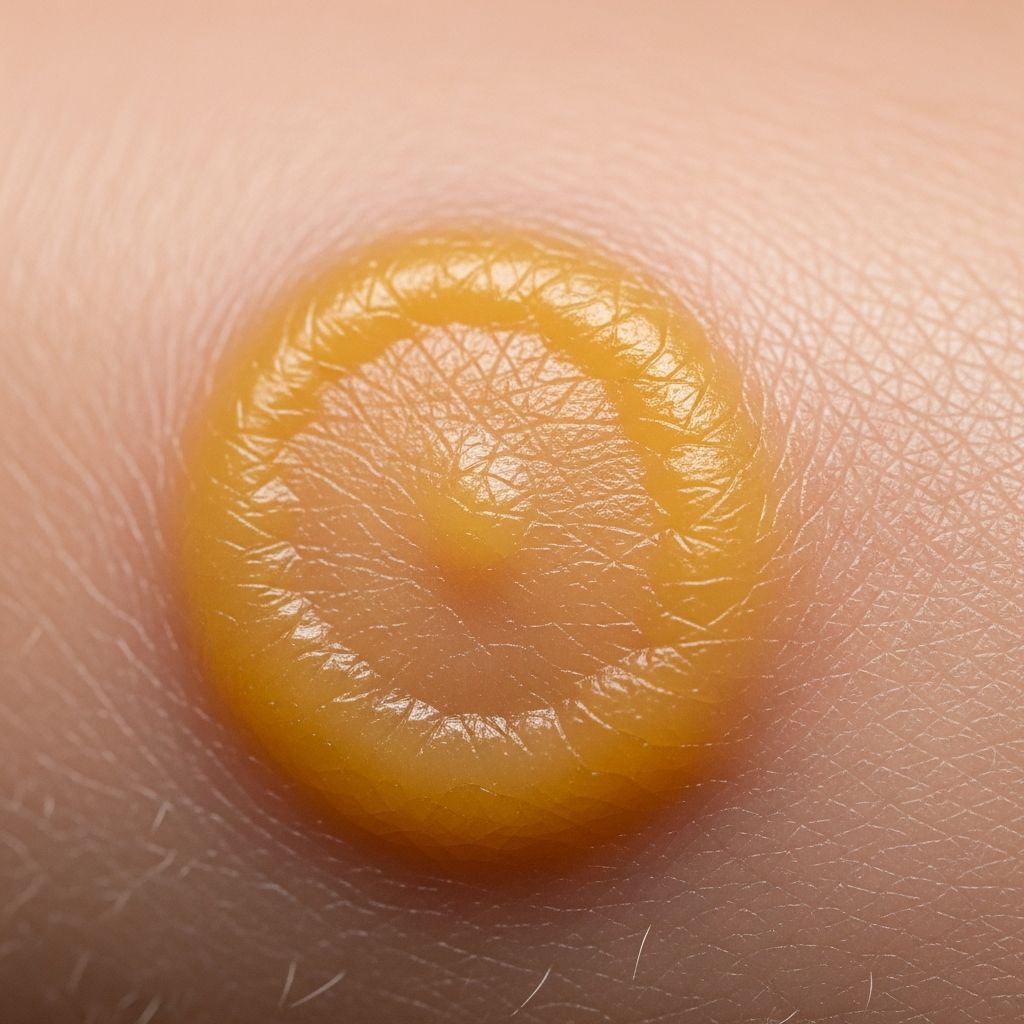
Xanthoma refers to visible accumulations of lipids beneath the skin’s surface, appearing as yellowish nodules or plaques. These growths often indicate disruptions in fat metabolism, prompting investigation into broader health concerns.
The Science Behind Xanthoma Formation
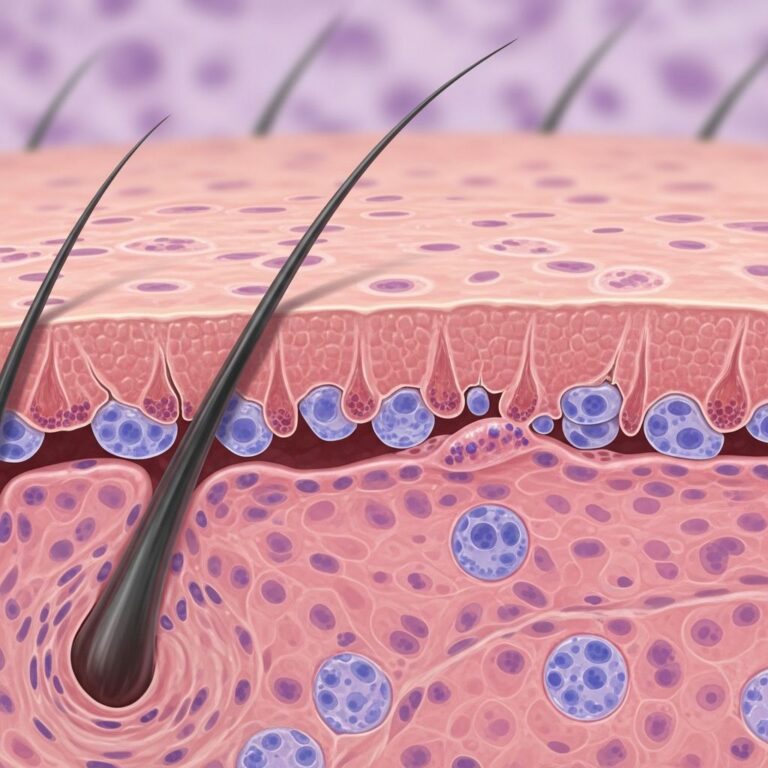
At its core, xanthoma develops when macrophages—immune cells—engulf excess lipids that cannot be properly cleared from the bloodstream. This process leads to foamy cells clustering in the dermis or subcutaneous tissues, creating the characteristic yellow hue from cholesterol crystals and triglycerides. Unlike typical skin issues, xanthomas are not primarily inflammatory but rather a byproduct of systemic lipid imbalances.
Primary drivers include dyslipidemias, where genetic or acquired factors impair lipoprotein processing. For instance, severe hypertriglyceridemia (>1000 mg/dL) floods the system with chylomicrons, overwhelming clearance mechanisms. Secondary contributors range from metabolic diseases to medication effects, amplifying lipid deposition risks.
Common Types of Xanthoma and Their Features
Xanthomas vary by location, onset, and associated conditions. Recognizing these distinctions aids in pinpointing underlying pathologies.
- Tuberous xanthomas: Firm, reddish-yellow nodules over pressure points like elbows, knees, and buttocks. Linked to elevated LDL cholesterol in familial hypercholesterolemia.
- Tendinous xanthomas: Subcutaneous swells along tendons, especially Achilles and hand extensors. Strongly tied to genetic cholesterol disorders, sometimes with neurological complications in rare variants.
- Eruptive xanthomas: Sudden crops of small (2-5mm), itchy papules with red halos on extensors, buttocks, and limbs. Hallmark of acute hypertriglyceridemia, often postprandial.
- Plane xanthomas: Flat, yellow patches on palms, creases, or diffusely. Palmar forms signal type III hyperlipoproteinemia; eyelid xanthelasmas may occur independently.
- Rare variants: Tuberoeruptive or disseminated forms in histiocytic disorders or paraproteinemias.
| Type | Appearance | Key Association | Risk |
|---|---|---|---|
| Tuberous | Nodules on knees/elbows | High LDL | CVD |
| Tendinous | Tendon swells | FH | Early MI |
| Eruptive | Itchy papules | High TG | Pancreatitis |
| Plane (palmar) | Crease yellowing | Type III | Atherosclerosis |
Root Causes: From Genetics to Lifestyle Factors
Most xanthomas stem from dyslipidemias classified as primary (inherited) or secondary (acquired). Primary types include familial hypercholesterolemia (FH), where LDL receptor defects cause cholesterol buildup, leading to tendinous and tuberous forms.
Type V hyperlipoproteinemia, combining chylomicrons and VLDL, triggers eruptive xanthomas amid triglycerides exceeding 5000 mg/dL, as seen in cases with creamy serum layers post-centrifugation. Genetic lipase deficiencies exacerbate this in youth.
Secondary triggers abound: diabetes mellitus impairs insulin-dependent lipase activity, hypothyroidism slows lipid clearance, nephrotic syndrome leaks lipoproteins, and cholestasis disrupts bile-mediated excretion. Medications like estrogens, retinoids, or immunosuppressants (e.g., cyclosporine) elevate lipids; malignancies or gammopathies add rare causes.
Lifestyle amplifies risks—diets high in saturated fats and sugars spike triglycerides, while obesity fuels insulin resistance. Chylomicronemia syndrome, with triglycerides >1000 mg/dL, heightens pancreatitis odds by 5-20% at extreme levels.
Recognizing Symptoms and When to Worry
Skin changes often precede systemic symptoms. Eruptive types erupt rapidly (days-weeks), pruritic with erythematous rims, sometimes Koebnerizing on trauma sites. Tendinous forms grow insidiously, painless but deforming.
Beyond skin, clues include lipemia retinalis (milky retinal vessels), abdominal pain from pancreatitis, or xanthomatous eyelid plaques hinting at cardiac risk—even sans dyslipidemia, xanthelasma predicts ischemia. In FH, xanthomas signal premature atherosclerosis; eruptive ones warn of acute pancreatic threats.
Related Stories



Prevalence is low—chylomicronemia at 1:10,000—but underdiagnosis occurs until lesions appear. Vigilance is key in at-risk groups: diabetics, familial lipid histories, or post-bariatric patients.
Diagnostic Approaches: From Exam to Biopsy
Clinical pattern plus lipid panel suffices often. Milky plasma confirms severe hypertriglyceridemia; electrophoresis identifies lipoprotein types. Biopsy reveals foam cells, Touton giant cells, and cholesterol clefts—gold standard for ambiguous cases.
Screen for comorbidities: fasting glucose, thyroid function, renal proteins, liver enzymes. ECG and retinal exam detect complications; in pediatrics, genetic testing for lipase defects. Differential includes histiocytoses, granulomas, or pseudoxanthomas—histology differentiates.
Treatment Strategies: Targeting the Source
Xanthomas regress with lipid normalization; cosmetic removal is secondary. Core is aggressive dyslipidemia management:
- Diet: Ultra-low fat (<15g>
- Medications: Fibrates/niacin for TG; statins for cholesterol. Apheresis in refractory FH.
- Comorbidity control: Glycemic/thyroid optimization; discontinue offending drugs.
- Surgical: Excision/laser for persistent lesions, e.g., xanthelasma.
Case outcomes show rapid lesion clearance post-therapy, averting pancreatitis. Long-term, cardiovascular prophylaxis via statins reduces morbidity.
Prevention and Long-Term Monitoring
Early lipid screening in families with FH or diabetes prevents xanthoma onset. Annual profiles for high-risk adults; lifestyle—Mediterranean diet, exercise—curbs progression.
Monitor triglycerides quarterly during treatment; educate on flare triggers like feasts. Genetic counseling for heritable forms ensures progeny vigilance.
Frequently Asked Questions (FAQs)
Are xanthomas cancerous?
No, they are benign lipid deposits, but signal serious conditions like heart disease or pancreatitis.
Can diet alone resolve xanthomas?
In eruptive cases, strict low-fat diets often suffice initially, but medications aid sustained control.
Do xanthomas always mean high cholesterol?
No, triglycerides more common in eruptive types; some plane forms lack dyslipidemia.
How quickly do xanthomas appear?
Eruptive: days; tuberous/tendinous: months-years.
Is biopsy always needed?
Not if classic with lipid derangement; yes for atypia.
References
- Eruptive xanthoma: Warning sign of systemic disease — Cleveland Clinic Journal of Medicine. 2015-10-01. https://www.ccjm.org/content/83/10/715
- Xanthoma – Skin Condition: Fatty Deposits — MD Searchlight. Recent. https://mdsearchlight.com/skin-problems-and-treatments/xanthoma/
- Xanthoma: Risk Factors, Diagnosis & Treatments — Healthline. Recent. https://www.healthline.com/health/xanthoma
- Xanthomas — DermNet NZ. Recent. https://dermnetnz.org/topics/xanthoma
- Eruptive xanthomas – PMC — National Library of Medicine. 2012. https://pmc.ncbi.nlm.nih.gov/articles/PMC3907905/
- Xanthoma: MedlinePlus Medical Encyclopedia — MedlinePlus. Recent. https://medlineplus.gov/ency/article/001447.htm
Similar Articles








Read full bio of Sneha Tete