Yaws: Causes, Symptoms, Treatment & Prevention Complete Guide
Comprehensive guide to yaws: causes, stages, diagnosis, treatment, and global eradication efforts for this neglected tropical disease.
Yaws is a chronic infectious disease caused by the spirochaete bacterium Treponema pallidum subsp. pertenue. It is a neglected tropical disease primarily affecting the skin, bones, and joints, mainly in children under 15 years old living in poor, humid rural communities in tropical regions of Africa, Asia, and the Pacific.
The disease spreads through direct skin-to-skin contact with active lesions, entering via minor trauma like scratches or insect bites, typically on the legs. Without early treatment, it progresses through distinct stages, leading to disfiguring and disabling complications.
What is yaws?
Yaws, also known as framboesia tropica, belongs to the treponemal group of bacteria, closely related to those causing syphilis (T. pallidum subsp. pallidum), bejel, and pinta. Unlike syphilis, yaws is not sexually transmitted and does not affect the genitals or central nervous system.
It thrives in warm, humid tropical environments with poor hygiene and limited healthcare access. Globally, yaws is endemic in 16 countries, mostly in the Western Pacific, West Africa, and Southeast Asia. The World Health Organization (WHO) estimates 46,000–120,000 cases annually, though underreporting is common due to its remote occurrence.
Children aged 2–15 are most susceptible, with new lesions rare in adults, suggesting acquired immunity after primary infection. Poverty, overcrowding, and lack of footwear facilitate transmission.
Who gets yaws?
Yaws predominantly affects impoverished children in rural, forested tropical areas. Risk factors include:
- Age under 15 years, peaking at 5–10 years.
- Living in humid, tropical climates of 13 African countries, 7 Pacific island nations, and parts of Latin America.
- Poor socioeconomic conditions, inadequate hygiene, and barefoot walking.
- Close contact with infected individuals in endemic communities.
Historically prevalent worldwide, mass treatment campaigns reduced cases by 95% between 1952–1964, but resurgence occurred post-1970s due to program interruptions.
What causes yaws?
The causative agent is Treponema pallidum subsp. pertenue, a motile, spiral-shaped bacterium indistinguishable microscopically from syphilis treponemes. It penetrates intact skin rarely but enters via micro-abrasions, multiplies locally, and disseminates via lymphatics and blood within hours.
Humans are the only reservoir, though recent evidence suggests possible zoonotic transmission from nonhuman primates, complicating eradication. The bacterium survives poorly outside the body, requiring direct contact with open lesions for transmission.
What are the clinical features of yaws?
Yaws evolves in four stages: primary, secondary, latent, and tertiary. Early stages (primary and secondary) are infectious; late stages are not.
Primary yaws
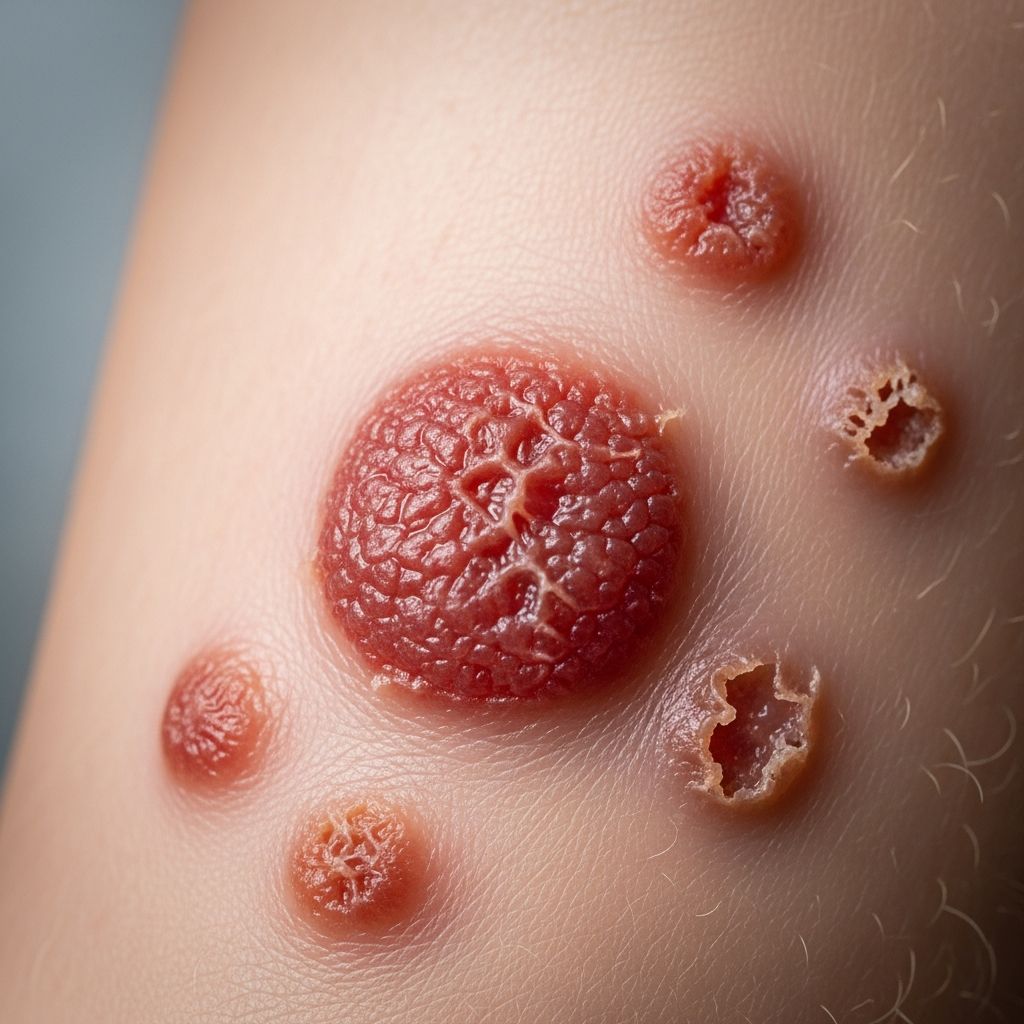
Incubation is 9–90 days (average 21 days). The hallmark ‘mother yaw’ appears as a painless, pruritic papule (1–2 cm) at the inoculation site, often legs or feet. It enlarges into a raspberry-like papilloma with yellow crust, teeming with treponemes, highly contagious. Heals spontaneously in 3–6 months with scarring, but dissemination follows in 10–15% untreated.
Secondary yaws
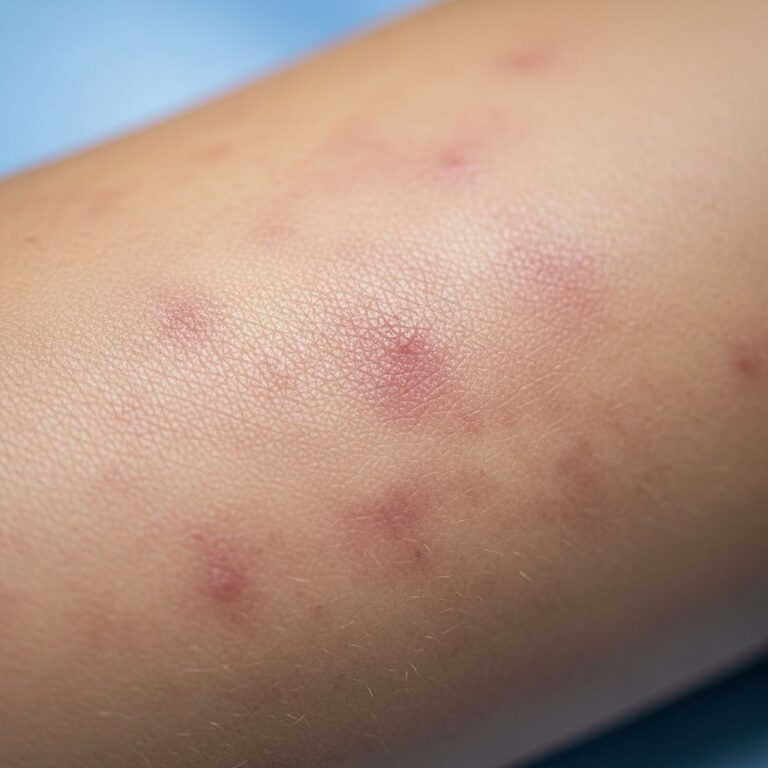
Weeks to months after primary (average 2 months), multiple disseminated lesions erupt: small papules progressing to exudative, crusty plaques. Common sites: face, trunk, extremities. Hyperkeratotic plaques on palms/soles (‘crab yaws’) cause painful fissuring, impairing gait. Dactylitis (painful finger/toe swelling) and long bone periostitis occur in 10–20%. Lesions heal over months but relapse without treatment.
Related Stories



Latent yaws
Period of clinical quiescence lasting years, with subclinical infection. Reactivation can trigger secondary-like lesions.
Tertiary yaws
Develops in ~10% untreated cases, 5–10 years post-infection. Destructive gummas cause ulcerative nodules near joints, leading to osteitis, saber shins, hypertrophic osteitis (goundou: maxillary hyperostosis), nasal cartilage destruction (gangosa), and contractures. Skin hyperkeratosis persists. Now rare due to antibiotics.
Diagnosis of yaws
Diagnosis relies on clinical features in endemic areas, confirmed by:
- Darkfield microscopy: Visualizes motile treponemes from lesion exudate (gold standard, but requires expertise).
- Serology: Nontreponemal (RPR/VDRL) and treponemal (TPHA/TPPA) tests positive, but cannot differentiate yaws from syphilis.
- PCR: Detects T. p. pertenue DNA; promising but not routine.
- Differential: pyoderma, impetigo, leprosy, ulcers (Buruli, tropical), psoriasis, syphilis.
Field diagnosis uses algorithms: compatible lesions + serology + response to treatment.
What is the treatment for yaws?
Early yaws is curable with a single intramuscular benzathine penicillin G (1.2 million units adults; 0.6 million children <10 years) or oral azithromycin (30 mg/kg single dose, max 2g). Azithromycin preferred for mass administration ease.
Healing: Primary/secondary lesions resolve in weeks–months; late damage may persist. Jarisch-Herxheimer reaction possible (fever, rash post-treatment).
Treatment failure rare; monitor clinically/serologically. Alternatives: doxycycline, erythromycin for penicillin-allergic.
What is the outcome for yaws?
Untreated early yaws: 10% progress to tertiary disfigurement. Treated early: full cure, no relapse. Late treatment: irreversible bone/skin changes. Single-dose therapy prevents transmission.
How can yaws be prevented?
WHO’s Morges Strategy targets eradication by 2030:
- Total community treatment (TCT) with azithromycin in endemic villages.
- Targeted treatment for active cases/contacts.
- Surveillance, hygiene education, wound care.
- Challenges: azithromycin resistance, low coverage, mapping gaps, possible animal reservoirs.
Integration with other NTD programs enhances feasibility.
History of yaws
Described since 1679; called ‘framboesia’ for raspberry-like lesions. Mid-20th century campaigns treated 150 million, reducing prevalence 95%. Resurgence post-1980s; WHO renewed efforts 2012.
Related information
DermNet NZ resources: syphilis, bejel, pinta, neglected tropical diseases.
Frequently asked questions about yaws
What is yaws?
A chronic bacterial skin infection by T. pallidum pertenue, non-venereal, affecting children in tropics.
How do you get yaws?
Direct contact with infectious skin ulcers via skin breaks.
Is yaws contagious?
Yes, early active lesions; not late stages or asymptomatic.
Can yaws be cured?
Yes, single-dose penicillin or azithromycin cures early disease.
Does yaws affect bones?
Yes, secondary (periostitis) and tertiary (gummas, saber shins).
Is yaws the same as syphilis?
No, different subspecies; yaws not sexual, no neurosyphilis.
Can adults get yaws?
Rare; immunity likely post-childhood infection.
How is yaws diagnosed?
Clinically + darkfield microscopy or serology.
References
- Yaws – A Review of Clinical Features, Diagnosis and Treatment — PubMed/NCBI. 2024. https://pubmed.ncbi.nlm.nih.gov/40036381/
- Yaws – DermNet — DermNet NZ. 2024. https://dermnetnz.org/topics/yaws
- Yaws (Endemic treponematoses) — World Health Organization. 2024-01-17. https://www.who.int/health-topics/yaws
- Yaws: a review of clinical features, diagnosis and treatment — Clinical and Experimental Dermatology, Oxford Academic. 2024. https://academic.oup.com/ced/advance-article/doi/10.1093/ced/llaf100/8044850
- Yaws – Symptoms, Causes, Treatment — NORD (National Organization for Rare Disorders). 2024. https://rarediseases.org/rare-diseases/yaws/
- Bejel, Yaws, and Pinta — Merck Manual Consumer Version. 2024. https://www.merckmanuals.com/home/infections/bacterial-infections-spirochetes/bejel-yaws-and-pinta
- Yaws: The forgotten tropical skin disease — PMC/NCBI. 2021-12-01. https://pmc.ncbi.nlm.nih.gov/articles/PMC8680937/
- Yaws fact sheet — World Health Organization. 2023-11-21. https://www.who.int/news-room/fact-sheets/detail/yaws
Similar Articles








Read full bio of medha deb