Yeast-Free Diet: Comprehensive Guide And 7-Day Meal Plan
Explore the yeast-free diet: its principles, benefits, foods to eat and avoid, plus sample meal plans for better health.
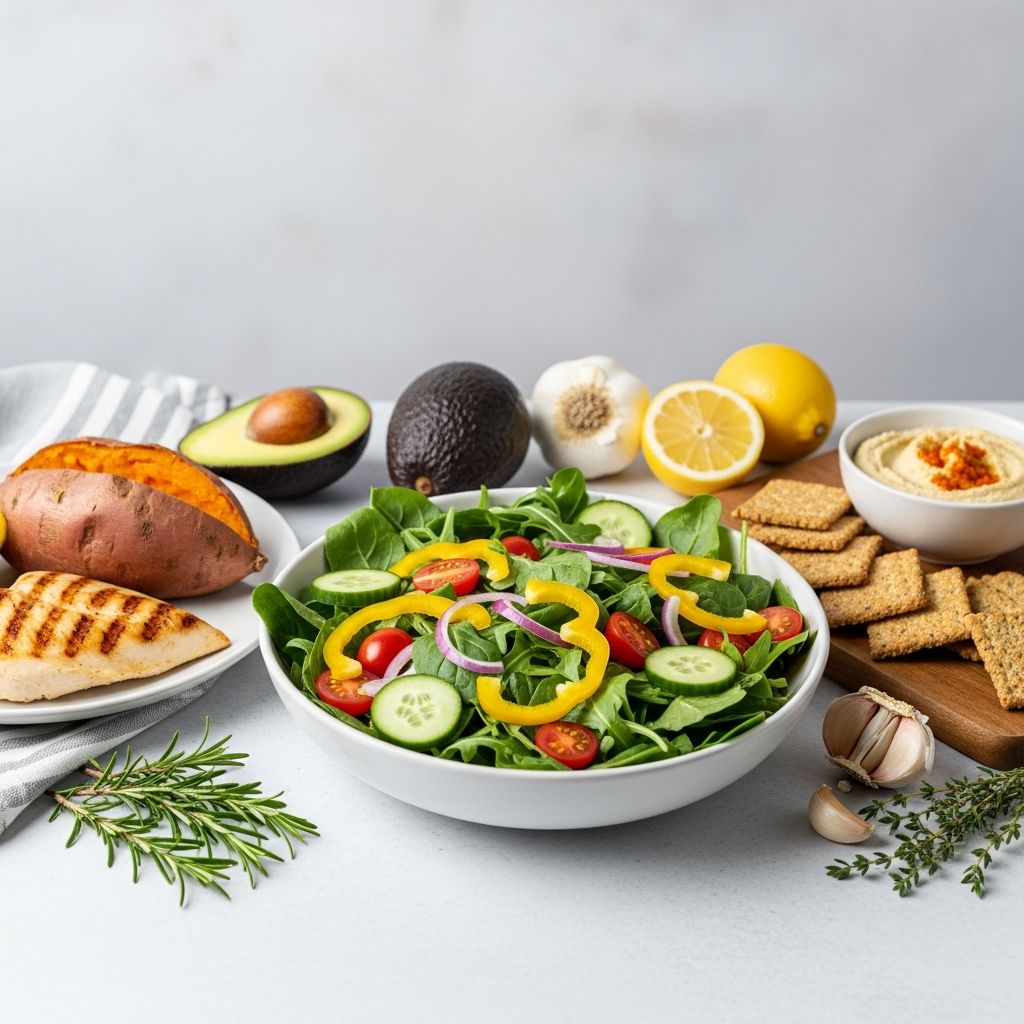
The yeast-free diet, often referred to as the candida diet or anti-candida diet, is a low-sugar, anti-inflammatory eating plan designed to reduce
Candida albicans
overgrowth in the body. Proponents claim it helps alleviate symptoms like fatigue, digestive issues, and recurrent yeast infections by eliminating foods that allegedly “feed” yeast. While scientific evidence is limited, the diet emphasizes whole foods, which can improve overall health by cutting processed sugars and refined carbs.What Is a Yeast-Free Diet?
A yeast-free diet restricts foods believed to promote yeast proliferation, particularly sugars, refined carbs, gluten, alcohol, and certain dairy products. It is based on the theory that high-sugar diets contribute to
Candida overgrowth
in the gut or vagina, leading to symptoms like bloating, brain fog, and infections. The plan typically lasts 3-6 months, starting with a strict “cleanse” phase followed by gradual reintroduction of foods.Unlike standard diets, it prioritizes non-starchy vegetables, lean proteins, healthy fats, and low-sugar fruits. Mayo Clinic notes that while there’s no proof it directly treats yeast syndrome, swapping processed foods for fresh ones often leads to general health improvements. High-fat, low-fiber Western diets exacerbate gut dysbiosis and fungal growth, making dietary shifts beneficial.
Who Might Benefit from a Yeast-Free Diet?
This diet is popular among those with recurrent yeast infections, IBS, or suspected candida overgrowth. It may help individuals with weakened immune systems, as high sugar intake can worsen candida in such cases. A study showed dietary changes reduced candida yeasts in stool over 3 months. Probiotic-rich foods like yogurt with Lactobacillus acidophilus have reversed candida-related issues in some trials.
- People with chronic fatigue or digestive discomfort.
- Those prone to vaginal yeast infections.
- Individuals seeking to improve gut microbiota diversity.
However, it’s not a substitute for medical treatment; consult a doctor for diagnosed infections.
Foods to Avoid on a Yeast-Free Diet
The diet eliminates anything that could fuel yeast growth. Key restrictions include:
- Sugars: Table sugar, honey, syrups, high-sugar fruits (bananas, grapes), and artificial sweeteners.
- Refined carbs: White bread, pasta, rice, and gluten-containing grains.
- Yeast-containing foods: Bread, beer, wine, vinegar, and fermented items like soy sauce.
- Dairy: Cheese, milk (due to lactose), except some probiotic yogurts.
- Processed foods: Those with additives, preservatives, or mold (e.g., peanuts, dried fruits).
- Alcohol and caffeine: Promote inflammation and dysbiosis.
Gluten avoidance lacks evidence unless celiac disease is present. High-fat processed foods increase gut permeability, aiding fungal translocation.
Foods to Eat on a Yeast-Free Diet
Focus on nutrient-dense, low-glycemic options to support gut health:
- Vegetables: Leafy greens, broccoli, cauliflower, zucchini, peppers (non-starchy preferred).
- Proteins: Chicken, turkey, eggs, wild-caught fish like salmon, sardines.
- Healthy fats: Avocado, olive oil, coconut oil, flaxseeds.
- Gluten-free grains: Quinoa, millet, buckwheat, oat bran in moderation.
- Low-sugar fruits: Berries, lemons, limes, green apples.
- Probiotics: Yogurt with live cultures, kefir, sauerkraut.
- Herbs and spices: Garlic, oregano, ginger for antifungal properties.
Whole grains and fiber-rich plants boost short-chain fatty acids (SCFAs), which nourish gut cells and suppress pathogens.
Related Stories



Potential Benefits of a Yeast-Free Diet
Despite limited direct evidence for candida control, the diet offers broad advantages:
- Gut health improvement: Reduces dysbiosis from Western diets high in fat/sugar.
- Weight management: Low-calorie whole foods aid loss.
- Reduced inflammation: Cuts processed foods linked to metabolic issues.
- Better energy and digestion: Anecdotal reports of less bloating.
Probiotics in the diet, like Lactobacillus, combat candida and restore microbiota balance. One review highlights how fiber-rich diets enhance immune responses against fungi.
Potential Risks and Downsides
Restrictive nature can lead to nutrient gaps if not balanced. Little human research supports efficacy, and claims are controversial. Very low-carb phases may cause fatigue initially. Not ideal long-term without supervision.
Sample 7-Day Yeast-Free Meal Plan
This plan provides ~1,800 calories daily, focusing on approved foods. Adjust portions as needed.
| Day | Breakfast | Lunch | Dinner | Snacks |
|---|---|---|---|---|
| Monday | Green smoothie (spinach, berries, almond milk, chia seeds) | Grilled chicken salad with olive oil dressing | Baked salmon with broccoli and quinoa | Handful of almonds; celery sticks |
| Tuesday | Scrambled eggs with avocado and spinach | Turkey lettuce wraps with cucumber | Stir-fried tofu with zucchini and peppers | Coconut yogurt; lemon water |
| Wednesday | Chia pudding with coconut milk and berries | Tuna salad with mixed greens | Grilled turkey with cauliflower mash | Flaxseeds; herbal tea |
| Thursday | Omelet with mushrooms and kale | Quinoa bowl with veggies and tahini | Baked cod with asparagus | Olives; green apple |
| Friday | Smoothie bowl with nuts and seeds | Chicken veggie soup | Steak with Brussels sprouts | Probiotic kefir; carrot sticks |
| Saturday | Egg muffins with spinach | Salmon salad | Shrimp stir-fry with bok choy | Avocado half; berries |
| Sunday | Yogurt parfait with seeds | Lentil salad (gluten-free) | Chicken curry with coconut milk and greens | Nuts; cucumber slices |
Drink plenty of water; include herbal teas. This promotes SCFA production for gut repair.
Recipes for the Yeast-Free Diet
Antifungal Garlic Chicken Stir-Fry
Serves 4. Prep: 10 min, Cook: 15 min.
- 1 lb chicken breast, sliced
- 2 cups broccoli florets
- 1 bell pepper, sliced
- 3 garlic cloves, minced
- 2 tbsp coconut oil
- Salt, pepper, oregano
Heat oil, sauté garlic, add chicken until cooked. Stir in veggies; cook 5-7 min. Garlic’s allicin fights fungi.
Lemon-Berry Smoothie
Serves 1.
- 1 cup spinach
- ½ cup berries
- Juice of 1 lemon
- 1 cup almond milk
- 1 tbsp flaxseeds
Blend until smooth. Low-sugar, fiber-rich.
Cauliflower Rice Bowl
Serves 2.
- 1 head cauliflower, riced
- 4 oz turkey
- 1 avocado
- Olive oil, herbs
Sauté cauliflower and turkey; top with avocado. Healthy fats support microbiota.
Frequently Asked Questions (FAQs)
Does the yeast-free diet really work for candida overgrowth?
Limited evidence; it may reduce yeast counts via diet changes but isn’t proven to cure infections. Benefits stem from healthier eating.
How long should I follow a yeast-free diet?
Typically 3-6 months, then reintroduce foods slowly to test tolerance.
Can I eat fruit on a yeast-free diet?
Low-sugar ones like berries yes; avoid high-sugar fruits.
Is gluten really bad for candida?
No evidence unless gluten-intolerant; restriction is precautionary.
What about probiotics on this diet?
Highly recommended; strains like L. acidophilus combat candida.
Tips for Success on a Yeast-Free Diet
- Read labels for hidden sugars/yeast.
- Incorporate antifungals like garlic, oregano.
- Stay hydrated; manage stress to support immunity.
- Combine with probiotics for best gut results.
- Monitor symptoms; seek medical advice if persistent.
A healthy lifestyle amplifies benefits, reducing dysbiosis risks from poor diets.
References
- Does the Candida Diet Work? — Evvy. 2023. https://www.evvy.com/blog/does-the-candida-diet-work
- Candida Cleanse Diet: What Does It Treat? — Mayo Clinic. 2023-10-12. https://www.mayoclinic.org/healthy-lifestyle/consumer-health/expert-answers/candida-cleanse/faq-20058174
- Healthy Diet and Lifestyle Improve the Gut Microbiota and Help Fight Candida Overgrowth — PMC (NCBI). 2023-06-20. https://pmc.ncbi.nlm.nih.gov/articles/PMC10302699/
- The Candida Diet: Beginner’s Guide and Meal Plan — Healthline. 2023. https://www.healthline.com/nutrition/candida-diet
Similar Articles








Read full bio of medha deb