Facial Yeast Infections: Causes, Symptoms & Treatment
Learn how to identify, treat, and prevent facial yeast infections with expert medical guidance.
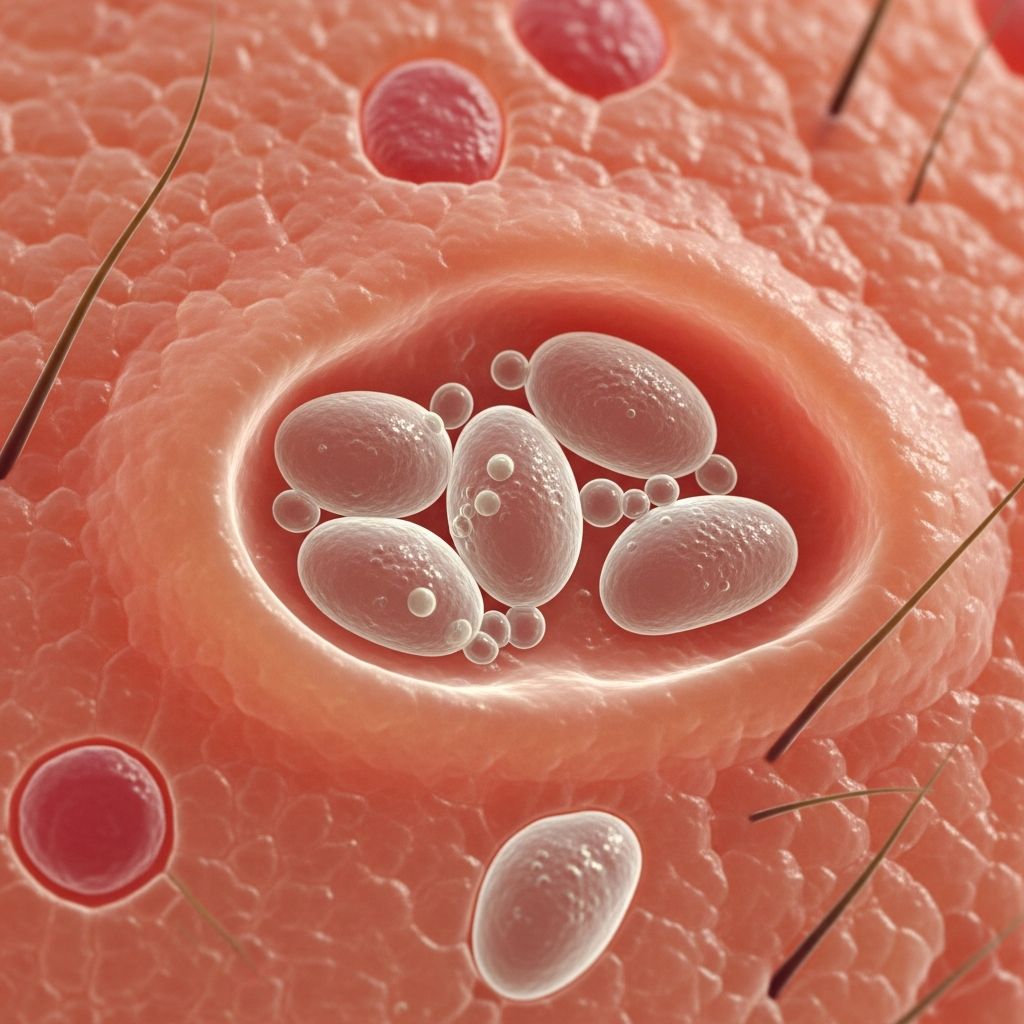
Understanding Facial Yeast Infections
A yeast infection on your face occurs when Candida, a naturally occurring fungus in your body, grows out of control on the skin’s surface. While yeast exists harmlessly on everyone’s skin, certain conditions can cause it to multiply excessively, leading to an uncomfortable and often unsightly infection. Facial yeast infections are more common than many people realize and can affect individuals of any age or gender. The condition is typically characterized by inflammation, discomfort, and visible skin changes that may resemble acne or other dermatological conditions.
The face is a particularly sensitive area, making yeast infections in this location especially bothersome. Unlike yeast infections in other body areas, facial infections are immediately visible and can affect your appearance and self-confidence. However, the good news is that facial yeast infections respond well to treatment when properly identified and managed by a healthcare provider.
Causes of Facial Yeast Infections
Facial yeast infections develop when specific environmental and biological factors create an ideal breeding ground for Candida overgrowth. Understanding these causes can help you identify risk factors and take preventive measures.
Environmental Factors
Hot temperatures, humidity, and sun exposure are significant contributors to facial yeast infections. These environmental conditions create warm, moist environments on the skin’s surface where yeast thrives and multiplies rapidly. People living in tropical climates or those experiencing summer months face elevated risk during these periods. Additionally, excessive sweating combined with poor ventilation on the face can accelerate yeast growth.
Skin Type and Conditions
Individuals with oily skin face a higher risk of developing facial yeast infections. The excess sebum production creates an oily environment that yeast prefers. People who sweat excessively, whether due to physical activity or underlying conditions, also experience increased susceptibility. The combination of moisture and oil on the face creates the perfect conditions for Candida proliferation.
Other Contributing Factors
Various other factors can increase your risk of facial yeast infections. Prolonged antibiotic use can disrupt the natural balance of microorganisms on your skin, allowing yeast to overgrow. Weakened immune systems, whether from illness or medications, reduce your body’s ability to control fungal growth. Poor hygiene practices, sharing personal items like towels or cosmetics, and using contaminated beauty products can also facilitate infection development.
Recognizing Symptoms of Facial Yeast Infections
Early recognition of facial yeast infection symptoms is crucial for prompt treatment. Knowing what to look for helps you seek appropriate medical care before the condition worsens.
Primary Symptoms
The most common symptom of a facial yeast infection is a red, sometimes itchy and painful rash that closely resembles acne. This rash may appear on various parts of the face including the cheeks, chin, forehead, or around the mouth and nose. The affected areas typically show inflammation and may feel tender when touched. Many people initially mistake facial yeast infections for acne breakouts, delaying proper treatment.
Related Stories



Secondary Symptoms
Beyond the basic rash, facial yeast infections often present with additional symptoms. Dry, scaly patches may develop on the infected areas, sometimes accompanied by oozing pus. These patches can be particularly uncomfortable and may worsen with certain skincare products or environmental irritants. Some individuals experience itching, burning sensations, or general discomfort in the affected areas.
Associated Conditions
While facial yeast infections are the primary concern, related conditions may develop. An itchy beard in men can indicate a skin yeast infection, particularly affecting the areas beneath facial hair where moisture accumulates. Women may experience similar issues along the jawline or beneath the chin where skin folds trap moisture.
Tinea Versicolor: A Specific Type of Facial Yeast Infection
Tinea versicolor represents a specific type of yeast infection that commonly affects the face, chest, back, and other body areas. Understanding this particular condition helps in recognizing its unique characteristics and treatment requirements.
Characteristics and Appearance
Tinea versicolor causes distinctive skin discoloration that varies based on your race and ethnicity. People with tinea versicolor may develop itchy brown, pink, red, white, or yellow patches on their face, back, chest, and belly. These patches often have a distinctive appearance with defined borders and may create a patchwork pattern across the skin. The discoloration can be particularly noticeable in areas with tan lines or on lighter skin tones.
Risk Factors
You’re more likely to develop tinea versicolor if you have oily skin, sweat a lot, or live in a tropical climate. The same environmental risk factors that cause general facial yeast infections apply specifically to tinea versicolor development. People with naturally oily complexions create ideal conditions for this yeast overgrowth.
Treatment Approach
Tinea versicolor is generally easy to treat with appropriate antifungal medications. Over-the-counter antifungal creams or shampoos often provide effective treatment for mild cases. You’ll apply these medications as creams or washes to affected areas for anywhere from a few minutes to several hours before rinsing. Mild cases typically respond within several weeks of daily application. For more severe or widespread tinea versicolor, your healthcare provider may prescribe oral antifungal medications or prescription-strength topical treatments.
Treatment Options for Facial Yeast Infections
Various treatment approaches exist for facial yeast infections, ranging from over-the-counter options to prescription medications. The most appropriate treatment depends on the infection’s severity, type, and your individual circumstances.
Topical Antifungal Treatments
Topical antifungal medications represent the first-line treatment for most facial yeast infections. These include creams, ointments, and specialized preparations applied directly to affected facial areas. Over-the-counter options are available at most pharmacies and drugstores, making them easily accessible for mild infections. Prescription-strength topical antifungals offer more potent formulations for stubborn or more severe infections. These medications work by either killing the fungus or stopping its growth, allowing your skin to heal naturally.
Oral Antifungal Medications
For more severe facial yeast infections or cases that don’t respond to topical treatments, oral antifungal medications may be necessary. These pills, lozenges, or liquids work systemically throughout your body to combat the yeast infection from within. Oral antifungals are particularly useful for widespread infections or when topical applications prove ineffective. Your healthcare provider will determine the appropriate dosage and duration based on your specific situation.
Treatment Timeline
Most mild to moderate cases of facial yeast infections clear up within two to three days after completing the prescribed treatment course. More severe infections may require a couple of weeks to clear up completely following treatment initiation. However, improvement typically becomes noticeable within the first few days of starting appropriate antifungal therapy. It’s essential to continue treatment even after symptoms improve to ensure complete eradication of the infection and prevent recurrence.
Prevention Strategies
Preventing facial yeast infections is often easier than treating them. Implementing preventive measures can significantly reduce your risk of developing these uncomfortable infections.
Environmental Control
Managing heat and humidity on your face is crucial for prevention. Keep your face clean and dry, especially after sweating or being in humid environments. Avoid prolonged sun exposure without protection, as this can create ideal conditions for yeast growth. If you live in a tropical or hot climate, be particularly vigilant about keeping your face clean and dry throughout the day.
Skincare Practices
Maintain a consistent, gentle skincare routine that keeps your face clean without over-drying or irritating the skin. Use mild cleansers appropriate for your skin type and avoid harsh scrubbing. If you have oily skin, use oil-control products, but avoid over-washing, which can strip natural oils and cause rebound oiliness. Consider using non-comedogenic products to prevent clogged pores that create environments conducive to yeast growth.
Lifestyle Modifications
Avoid prolonged antibiotic use when possible, as this disrupts the natural balance of microorganisms on your skin. Don’t share personal items like towels, pillowcases, or cosmetics with others, as this can spread yeast or introduce contaminated products to your face. Replace cosmetics regularly and ensure all beauty products are stored properly and haven’t expired. If you experience frequent yeast infections, consider discussing preventive treatments with your healthcare provider, such as using prescription medicated cleansers once or twice monthly.
When to Seek Medical Attention
While some minor skin changes might not require immediate attention, certain situations warrant professional medical evaluation. Contact your healthcare provider if you notice persistent rashes on your face, especially if they don’t improve with over-the-counter treatments within two to three weeks. If you’re uncertain whether you have a yeast infection or another skin condition, professional diagnosis is important because treating a non-fungal infection with antifungal medications may worsen the condition.
Seek immediate attention if your facial infection is accompanied by fever, severe pain, or signs of spreading infection. If you have a weakened immune system or are pregnant, consult your healthcare provider before starting any yeast infection treatment to ensure safety.
Important Treatment Considerations
When treating facial yeast infections, several important factors can influence treatment success. Always complete the full course of prescribed or recommended treatment, even if symptoms disappear earlier. Stopping treatment prematurely can lead to incomplete recovery and recurrence of the infection. Additionally, antifungal resistance can develop if medications are used incorrectly or stopped too early, making future infections harder to treat.
Avoid using anti-itch creams containing steroids on suspected fungal infections, as these can make infections worse and more difficult to treat. Your healthcare provider can perform a culture test to confirm the presence of yeast and identify the specific type, ensuring targeted and effective treatment.
Managing Recurrent Facial Yeast Infections
If your facial yeast infection returns repeatedly, particularly if you live in a hot or humid climate, your healthcare provider may recommend ongoing preventive measures. These might include using prescription medicated cleansers once or twice monthly to slow and manage yeast growth. Identifying and addressing underlying risk factors, such as oily skin or excessive sweating, can help prevent future infections. Keeping detailed records of when infections occur and associated environmental factors can help you and your healthcare provider identify patterns and develop more effective prevention strategies.
Frequently Asked Questions About Facial Yeast Infections
Q: Can I treat a facial yeast infection with over-the-counter products?
A: Yes, over-the-counter antifungal creams and treatments can be effective for mild facial yeast infections. However, it’s important to confirm you actually have a yeast infection first, as misdiagnosis can lead to ineffective treatment. If over-the-counter treatments don’t improve your symptoms within two to three weeks, contact your healthcare provider for evaluation and prescription options.
Q: How long does it take to treat a facial yeast infection?
A: Most mild to moderate facial yeast infections clear up within two to three days after completing treatment. More severe cases may take up to two weeks to resolve completely. Improvement typically becomes noticeable within the first few days of starting appropriate antifungal therapy.
Q: Can facial yeast infections spread to other people?
A: While direct transmission of yeast infections is uncommon, the yeast can spread through sharing personal items like towels, cosmetics, or pillowcases. Maintaining good hygiene practices and not sharing personal items helps prevent spreading yeast to others or reinfecting yourself.
Q: Why do facial yeast infections keep coming back?
A: Recurrent facial yeast infections often result from unresolved underlying risk factors such as oily skin, excessive sweating, or living in a hot, humid climate. Incomplete treatment or stopping medication too early can also cause recurrence. If you experience frequent infections, work with your healthcare provider to identify and address the root causes.
Q: Is a facial yeast infection dangerous?
A: Facial yeast infections are generally not dangerous, though they can be uncomfortable and affect your appearance. However, if left untreated, symptoms may worsen over time. If you have a weakened immune system or the infection spreads to other areas, it’s important to seek medical attention promptly.
Q: Can I use cosmetics while treating a facial yeast infection?
A: It’s best to minimize cosmetic use during treatment, particularly heavy foundations or products that can trap moisture on your skin. If you must wear cosmetics, ensure they’re non-comedogenic and change them regularly. Some cosmetics may interfere with treatment effectiveness or worsen symptoms.
References
- Where Can You Get a Yeast Infection on Your Body? — Cleveland Clinic. 2025. https://health.clevelandclinic.org/where-can-you-get-a-yeast-infection
- What Is Candidiasis? Yeast Infection Signs & Symptoms — Cleveland Clinic. 2025-05-13. https://my.clevelandclinic.org/health/diseases/23198-candidiasis
- Tinea Versicolor: Symptoms, Causes & Treatments — Cleveland Clinic. 2025. https://my.clevelandclinic.org/health/diseases/17719-tinea-versicolor
- Fungal Infection, Fungal Rash, Skin Fungus Treatment — Cleveland Clinic. 2025. https://my.clevelandclinic.org/health/diseases/4276-skin-fungus
- What Is Candida Albicans? An Overview — Cleveland Clinic. 2025. https://my.clevelandclinic.org/health/diseases/22961-candida-albicans
Similar Articles








Read full bio of medha deb