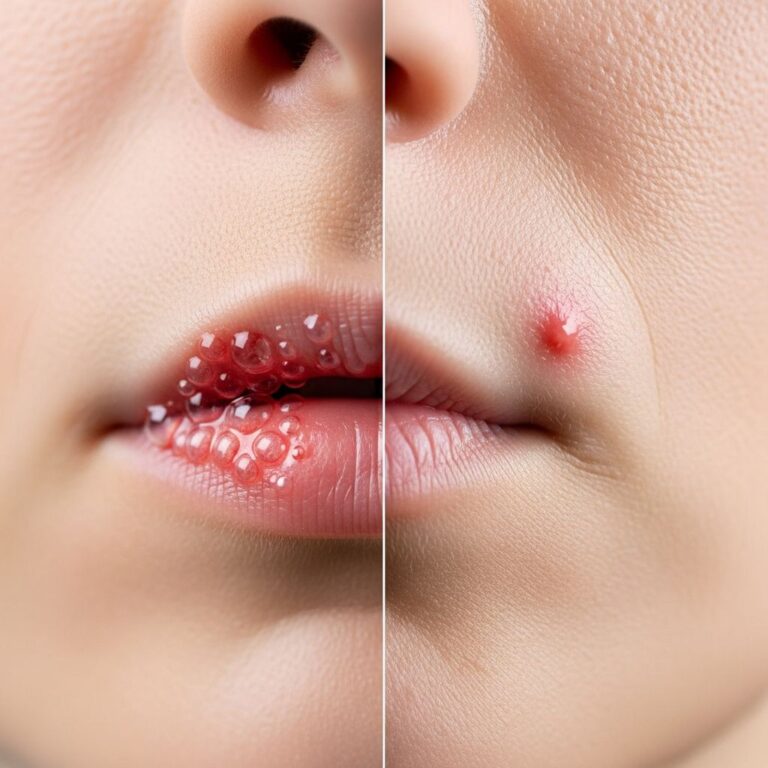
Yeast Infection On Skin: Symptoms, Treatment, And Prevention Tips
Recognize, treat, and prevent cutaneous candidiasis: symptoms, causes, and expert care tips for skin yeast infections.
A
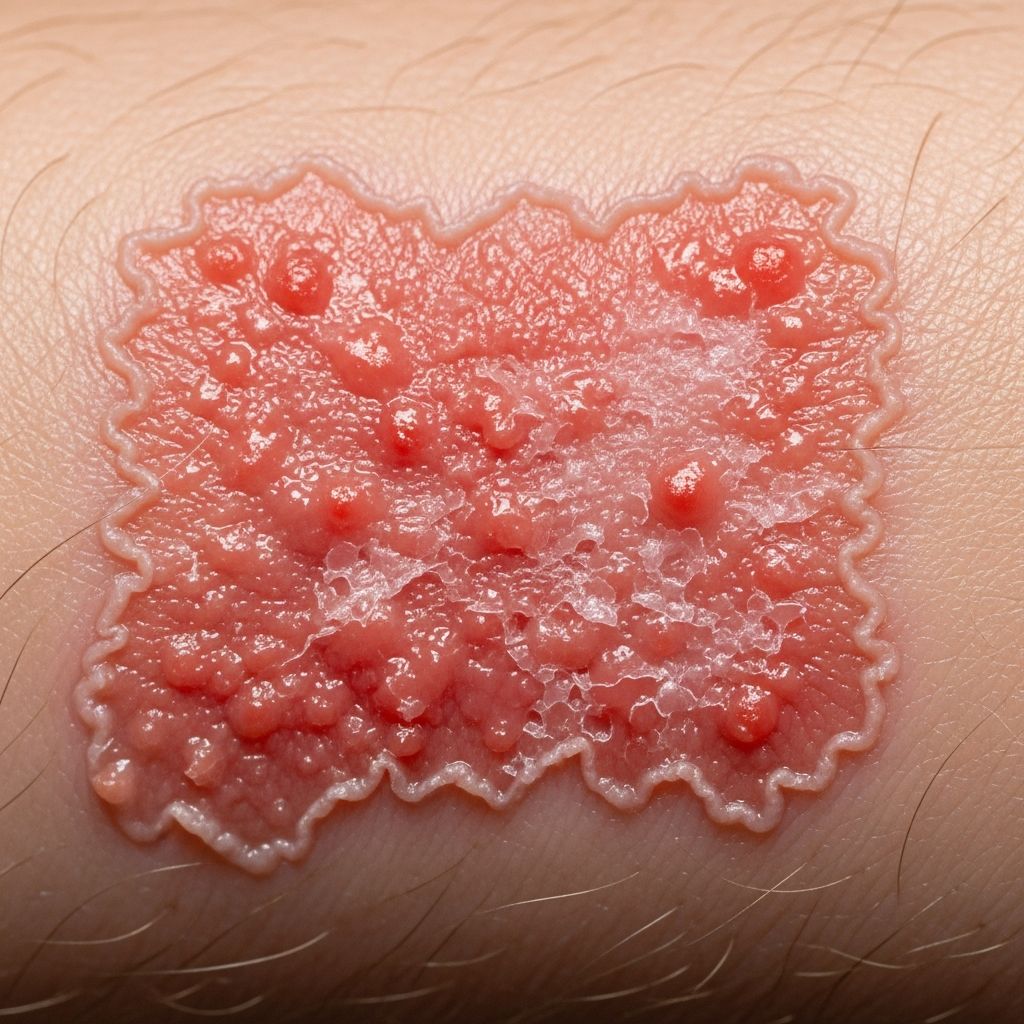
yeast infection on the skin
, medically termed cutaneous candidiasis, occurs when Candida fungi overgrow in warm, moist body areas, leading to red, itchy rashes. This common condition affects skin folds like armpits, groin, and under breasts, thriving in environments disrupted by antibiotics, diabetes, or obesity.What Is a Yeast Infection on the Skin?
Cutaneous candidiasis is a fungal infection caused primarily by Candida albicans, a yeast naturally present on skin, mouth, and intestines. Under normal conditions, beneficial bacteria keep it in check, but factors like moisture, warmth, and immune suppression allow overgrowth, penetrating skin layers and causing infection. Unlike bacterial infections, yeast infections feature satellite pustules and prefer creased, occluded areas.
This differs from vaginal or oral thrush but shares the Candida culprit. Infants experience it as severe diaper rash, while adults see it in intertriginous zones—skin folds where friction and sweat converge. Early recognition prevents spread to nails or systemic issues in vulnerable groups.
Symptoms of Yeast Infection on Skin
Symptoms emerge in moist, warm sites, starting subtly but progressing to discomfort. Key signs include:
- Intense itching or soreness, often worse at night.
- Red, growing rash with sharp borders and smaller satellite lesions.
- Rash in skin folds: groin, armpits, under breasts, abdomen creases, buttocks, genitals.
- Pimple-like bumps from infected hair follicles (folliculitis).
- Cracking, scaling, or weeping skin in chronic cases.
In infants, it mimics stubborn diaper rash unresponsive to standard creams. Adults with diabetes may note persistent rashes fueled by high blood sugar. Differentiate from eczema or psoriasis by the moist, beefy-red appearance and pustules.
Causes and Risk Factors
**Candida albicans** dominates, but other species like C. tropicalis contribute. The fungus exploits:
- Warm, moist environments: Sweat-trapped folds.
- Antibiotics/steroids: Kill competing bacteria.
- Diabetes: Elevated glucose feeds yeast.
- Obesity: Deep skin folds retain moisture.
- Weakened immunity: HIV, chemotherapy, infancy.
Additional triggers: tight clothing, poor hygiene, incontinence. Not typically contagious, but shared towels risk transmission in immunocompromised settings.
How to Diagnose Yeast Skin Infections
Diagnosis is clinical: providers identify via visual exam of characteristic rash in folds. Confirmation uses:
- KOH prep: Scraping reveals yeast under microscope.
- Culture: Identifies Candida species.
- Biopsy: Rare, for atypical cases.
Screen for diabetes in adults via blood glucose, as hyperglycemia exacerbates. Rule out psoriasis, inverse eczema, or erythrasma (bacterial mimic with coral-red fluorescence).
Treatment Options for Skin Yeast Infections
Treatment combines hygiene, topicals, and addressing causes.
Home Care and Hygiene
- Keep areas clean and dry: Gentle soap, thorough drying.
- Use absorbent powders (talc-free).
- Wear breathable fabrics; loose clothing.
- Weight loss reduces folds.
Medications
| Topical Antifungals | Examples | Use |
|---|---|---|
| Polyenes | Nystatin | Safe for infants, folds. |
| Azoles | Clotrimazole, Miconazole | OTC, twice daily 1-2 weeks. |
| Allylamines | Terbinafine | Dermatophyte overlap. |
Related Stories



Severe cases need oral fluconazole or itraconazole. Diabetics control sugars. Expect improvement in 3-7 days; full resolution 2 weeks. Recurrent? Extend therapy or investigate immunity.
Prevention Strategies
Proactive steps minimize recurrence:
- Dry skin folds post-bathing/showering.
- Apply barrier creams (zinc oxide) in high-risk areas.
- Manage diabetes/obesity.
- Avoid unnecessary antibiotics.
- Infants: Frequent diaper changes, breathable diapers.
For athletes or humid climates, antifungal powders prevent athlete’s foot crossover.
When to See a Doctor
Seek care if:
- Rash persists >1 week despite OTC.
- Spreads rapidly or causes pain/fever.
- Recurs frequently.
- Accompanied by systemic symptoms.
Immunocompromised individuals warrant prompt evaluation to avert dissemination.
Complications and Prognosis
Most resolve with treatment, especially if triggers corrected. Risks include:
- Nail involvement (onychomycosis): Thick, discolored nails.
- Recurrence: Without lifestyle changes.
- Systemic spread: Rare, in severe immunosuppression.
Prognosis excellent with adherence; chronic cases need dermatology referral.
Frequently Asked Questions (FAQs)
Can yeast skin infections spread to other body parts?
Yes, if untreated, they extend via autoinoculation or moisture to nails, mouth.
Are OTC antifungals enough for skin yeast infections?
Often yes for mild cases (clotrimazole 2 weeks); severe need prescription.
Is a yeast skin infection contagious?
Rarely; healthy people resist, but caution in shared damp environments.
How long does treatment take?
Improvement in days; complete 1-4 weeks depending on severity.
Can diet affect yeast skin infections?
Indirectly: Reduce sugars if diabetic, as glucose fuels growth.
This comprehensive guide empowers recognition and management of skin yeast infections. Consult professionals for personalized advice.
References
- Candida infection of the skin — MedlinePlus Medical Encyclopedia. U.S. National Library of Medicine. 2024. https://medlineplus.gov/ency/article/000880.htm
- Candidiasis Basics — Centers for Disease Control and Prevention. 2024-04-24. https://www.cdc.gov/candidiasis/about/
- Andrews’ Diseases of the Skin: Clinical Atlas — Elsevier (via MedlinePlus refs). 2025. https://medlineplus.gov/ency/article/000880.htm
- Principles of Dermatology — Elsevier. 2025. https://medlineplus.gov/ency/article/000880.htm
Similar Articles








Read full bio of Sneha Tete