Can Stress Cause Yeast Infections? 5 Key Prevention Tips
Discover how chronic stress contributes to yeast infections by weakening immunity and disrupting vaginal pH balance.
Chronic stress can significantly increase the risk of yeast infections by elevating cortisol levels, weakening the immune system, and disrupting vaginal pH balance, creating an environment ripe for Candida overgrowth.
Yeast infections, also known as candidiasis, affect millions of women annually. While not directly caused by stress, it acts as a key risk factor. This article delves into the mechanisms linking stress to yeast infections, symptoms, treatments, prevention tips, and expert advice on managing recurrent cases.
What Is a Yeast Infection?
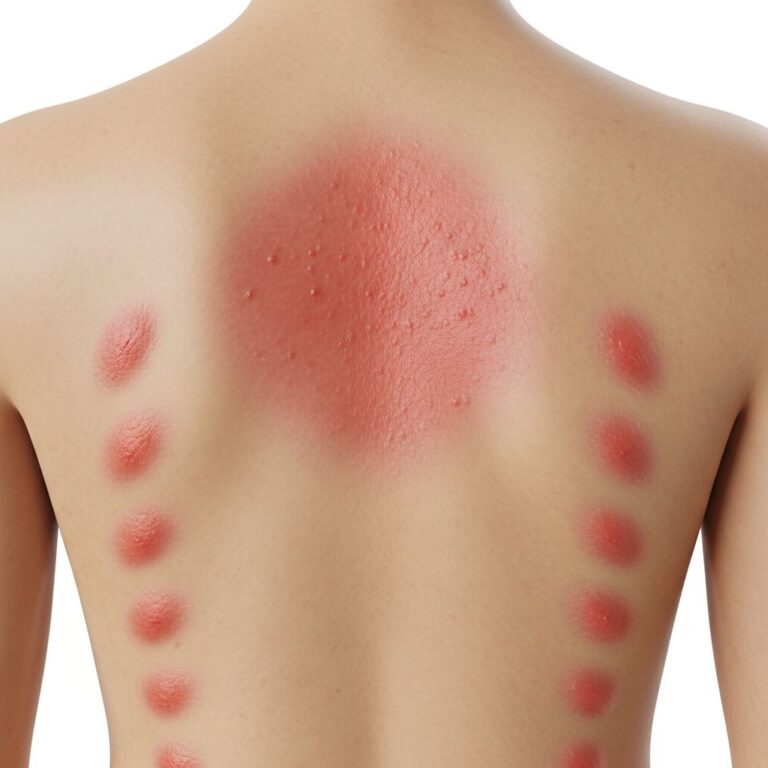
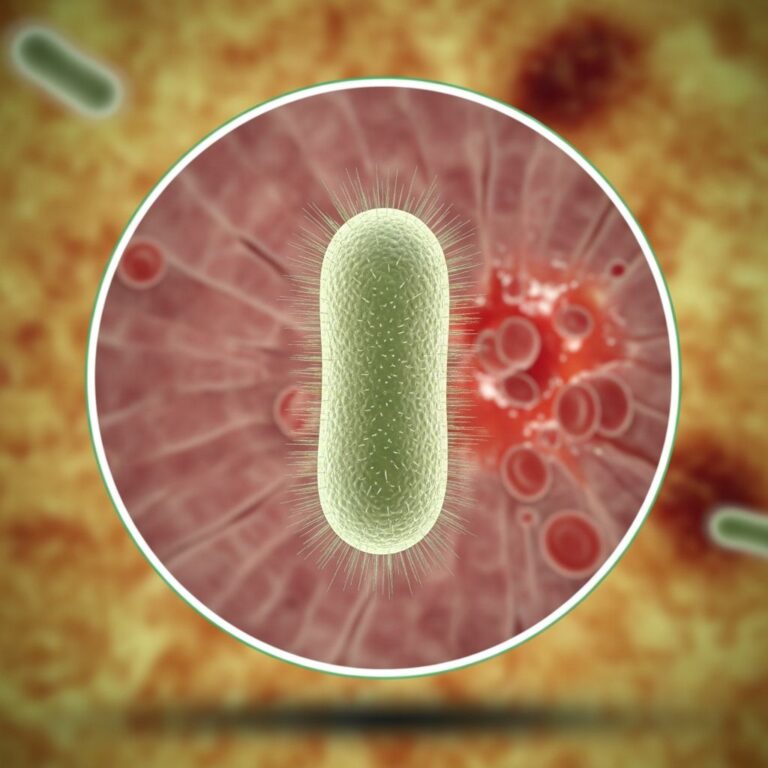
A yeast infection is an overgrowth of the fungus Candida albicans, naturally present in the vagina, mouth, skin, and intestines. When this fungus multiplies uncontrollably, it leads to uncomfortable symptoms like intense itching, burning, redness, and thick, white, clumpy discharge resembling cottage cheese.
Mild cases may resolve in 3 days, while moderate to severe infections can take 1-2 weeks. Vaginal yeast infections are the most common type, but they can occur elsewhere. The imbalance often stems from disruptions in the vaginal microbiome, where beneficial bacteria like lactobacilli keep yeast in check.
How Does Stress Contribute to Yeast Infections?
Stress doesn’t directly cause yeast infections but creates conditions for them. Here’s how:
- Cortisol Surge: Under stress, the body releases cortisol, a hormone that elevates blood sugar levels. Yeast thrives on sugar (glycogen), promoting overgrowth.
- Immune Suppression: Chronic stress weakens immunity, impairing the body’s ability to fight fungal invasions. A 2020 study linked higher stress, anxiety, and depression levels to increased vaginal yeast infections in women.
- pH Imbalance: Cortisol disrupts gut and vaginal microbiomes, altering pH. This acidic shift favors yeast proliferation over healthy bacteria.
- Glycogen Alteration: Stress may reduce vaginal glycogen production, paradoxically providing yeast with inconsistent energy sources that trigger compensatory growth.
These effects compound, especially during prolonged stress from work, relationships, or life changes.
Symptoms of Stress-Related Yeast Infections
Symptoms mirror standard yeast infections but may recur with stress spikes:
- Itching and irritation around the vagina and vulva
- Burning sensation, especially during urination or intercourse
- Thick, white, odorless discharge
- Redness and swelling of the vulva
- Soreness or pain during sex
If symptoms persist beyond a week or include fever, they may indicate a more serious infection requiring medical attention.
Other Common Causes of Yeast Infections
Besides stress, several factors contribute:
| Cause | Description |
|---|---|
| Hormonal Changes | Pregnancy, oral contraceptives, or menstrual cycles alter estrogen, boosting glycogen and yeast growth. |
| Antibiotics | Kill beneficial bacteria, allowing yeast dominance. |
| Uncontrolled Diabetes | High blood sugar feeds yeast. |
| Hygiene Practices | Soap washing genitals, tight synthetic clothing, or damp underwear trap moisture. |
| Immunosuppressants | Steroids, chemotherapy, or HIV weaken defenses. |
Stress often exacerbates these triggers.
Can Stress Cause Recurrent Yeast Infections?
Yes, ongoing stress creates a vicious cycle. Weakened immunity leads to frequent infections, and discomfort heightens stress, perpetuating the loop. Women with high stress report more recurrent cases. Addressing stress is crucial for breaking this pattern.
Diagnosis of Yeast Infections
Diagnosis involves a pelvic exam and microscopic analysis of discharge to confirm Candida. pH testing distinguishes yeast from bacterial vaginosis. For recurrent cases, cultures identify resistant strains. Self-diagnosis risks mis-treatment, so consult a healthcare provider.
Treatment Options for Stress-Related Yeast Infections
Treatments target fungus elimination and symptom relief:
- Over-the-Counter (OTC) Antifungals: Creams, ointments, or suppositories like miconazole or clotrimazole (1-7 day courses).
- Prescription Oral Medications: Fluconazole (single 150mg dose) for severe or recurrent infections; 90% effective per 2016 guidelines.
- Home Remedies: Probiotics (lactobacilli, lactoferrin) restore balance; yogurt or supplements show promise. Cool compresses soothe itching.
Related Stories



Treatment duration: 2 weeks max. Recurrent cases may need 6-month maintenance therapy.
How to Prevent Stress-Induced Yeast Infections
Lifestyle changes reduce risk:
- Manage Stress: Practice mindfulness, yoga, meditation, or therapy. A 2019 review showed stress reduction boosts immunity.
- Diet Adjustments: Limit sugar and refined carbs; eat probiotic-rich foods like yogurt, kefir.
- Exercise Regularly: 30 minutes daily lowers cortisol and improves circulation.
- Hygiene Tips: Wear cotton underwear, avoid douches/feminine sprays, change out of wet clothes promptly.
- Probiotics: Oral or vaginal supplements maintain microbiome health.
When to See a Doctor
Seek medical help if:
- Symptoms persist after OTC treatment
- Recurrent infections (4+ per year)
- Pregnant, diabetic, or immunocompromised
- Symptoms include abdominal pain, fever, or foul discharge
- First-time infection
An OBGYN can rule out underlying issues like diabetes or hormonal imbalances.
Outlook and Long-Term Management
Most yeast infections resolve in 1-2 weeks with treatment. Stress management prevents recurrence, improving overall health. Track symptoms with a journal to identify stress triggers.
Frequently Asked Questions (FAQs)
Can stress alone cause a yeast infection?
No, but it weakens immunity and raises blood sugar, making overgrowth likely.
Why am I suddenly getting yeast infections?
Sudden stress, hygiene changes, or hormones could be culprits.
What’s the fastest way to treat a yeast infection?
Single-dose fluconazole or 3-day creams clear 90% of uncomplicated cases quickly.
Do probiotics cure yeast infections?
They help restore balance but aren’t a standalone cure; combine with antifungals.
How does stress lead to recurrent infections?
By chronically suppressing immunity and disrupting pH/glycogen levels.
References
- StatPearls: Vaginal Candidiasis — NCBI Bookshelf. 2023-10-13. https://www.ncbi.nlm.nih.gov/books/NBK543220/
- Can Stress Cause a Yeast Infection? — Healthline (Medically reviewed by Debra Rose Wilson). 2023-04-13. https://www.healthline.com/health/can-stress-cause-yeast-infection
- Stressed? Your Lifestyle Might Be Causing Your Yeast Infection — OBGYN Miami. 2023. https://obgynmiami.com/blog/stressed-your-lifestyle-might-be-causing-your-yeast-infection/
- Practice Guidelines for the Treatment of Candidiasis — Infectious Diseases Society of America (via PubMed). 2016-04-20. https://pubmed.ncbi.nlm.nih.gov/26814067/
- Stress and Immunity: Psychological Interventions and Health Outcomes — Frontiers in Immunology. 2019-07-23. https://www.frontiersin.org/articles/10.3389/fimmu.2019.01441/full
Similar Articles








Read full bio of Sneha Tete