Can Stress Cause Yeast Infections? What You Need To Know
Discover how chronic stress contributes to yeast infections by weakening immunity and disrupting vaginal balance—plus prevention tips.
Chronic stress does not directly cause yeast infections but significantly increases risk by elevating cortisol levels, weakening the immune system, and disrupting vaginal pH balance, fostering Candida overgrowth.
Yeast infections, also known as candidiasis, affect millions annually, with stress emerging as a key modifiable risk factor. This article examines the mechanisms linking stress to vaginal yeast infections, symptoms, treatments, prevention strategies, and when to seek medical help, drawing from medical research and expert guidelines.
What Is a Yeast Infection?
A yeast infection is an overgrowth of the fungus Candida albicans, naturally present in the vagina, mouth, skin, and intestines. When microbial balance disrupts, Candida multiplies, causing inflammation and uncomfortable symptoms.
Common symptoms include intense vaginal itching, burning, redness, swelling, thick white clumpy discharge resembling cottage cheese, pain during sex or urination, and soreness. Mild cases may resolve in 3 days; moderate to severe ones take 1-2 weeks.
- Itching and irritation: Often the first sign, worsening at night.
- Discharge: White, odorless, and curd-like.
- Pain: During intercourse or urination.
- Redness/swelling: Around the vulva and vagina.
These differ from bacterial vaginosis (fishy odor, thin gray discharge) or STIs like trichomoniasis (frothy green discharge).
How Does Stress Contribute to Yeast Infections?
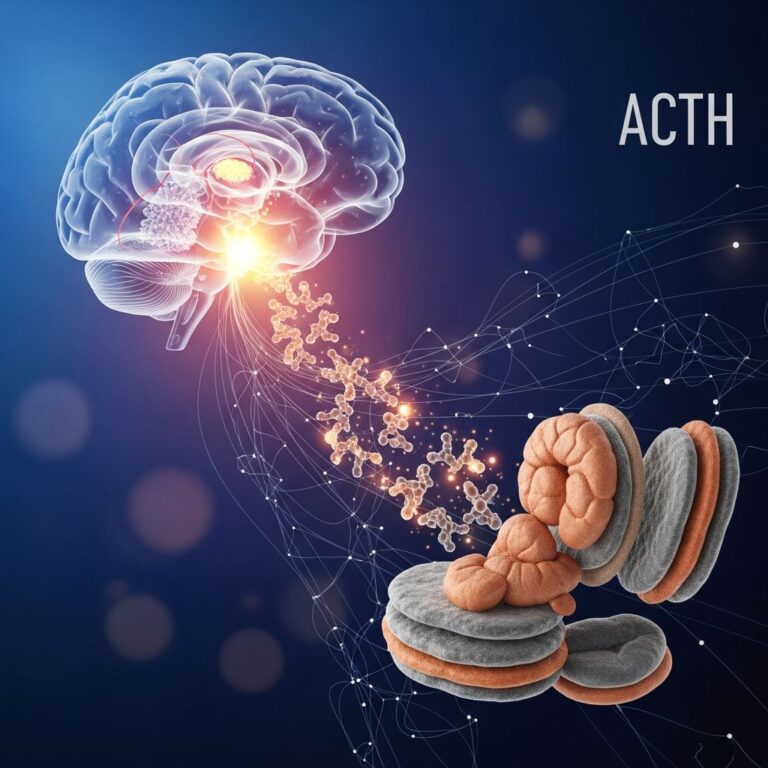
Stress indirectly promotes yeast infections through physiological changes. When stressed, the body releases cortisol, a hormone that elevates blood sugar—feeding Candida—and suppresses immunity, impairing fungal control.
A 2020 study found women with stress, anxiety, or depression had higher vaginal yeast infection rates, linking psychological strain to microbial imbalance. Cortisol also alters vaginal pH (normally 3.8-4.5), creating a yeast-friendly environment, and reduces glycogen production, which yeast uses for energy—though chronic stress may paradoxically enable overgrowth via immunity dips.
Stress weakens gut and vaginal microbiomes, reducing beneficial bacteria like Lactobacillus that keep Candida in check. This immunosuppression makes fighting infections harder, potentially leading to recurrent cases.
Other Common Causes of Yeast Infections
Besides stress, multiple factors disrupt vaginal flora:
- Hormonal shifts: Pregnancy, oral contraceptives, or menstrual cycles raise estrogen, promoting glycogen and yeast growth.
- Antibiotics: Kill beneficial bacteria, allowing Candida dominance.
- Uncontrolled diabetes: High blood sugar mirrors stress-induced hyperglycemia.
- Hygiene issues: Douching, scented soaps, tight synthetic clothing, or prolonged moisture trap yeast.
- Immunosuppression: From steroids, chemotherapy, or illnesses like HIV.
| Risk Factor | Mechanism | Prevention Tip |
|---|---|---|
| Stress | Cortisol elevates sugar, weakens immunity | Meditation, exercise |
| Antibiotics | Kills good bacteria | Probiotics during use |
| Hormones | Increases glycogen | Monitor birth control |
| Diabetes | High blood sugar | Glycemic control |
| Tight clothes | Moisture retention | Cotton underwear |
Symptoms of Stress-Related Yeast Infections
Stress-induced infections mirror standard ones but may recur with high-stress periods. Watch for cyclical symptoms tied to work deadlines, anxiety spikes, or life changes. Persistent itching post-stressful events signals a link.
Severe cases involve cracking skin, intense burning, or swelling requiring prompt care. Recurrent infections (4+ yearly) warrant investigation for underlying stress or immunity issues.
Diagnosis and When to See a Doctor
Related Stories



Diagnosis involves a pelvic exam, pH test (>4.5 suggests yeast), and microscopic wet mount revealing Candida hyphae. Culture tests confirm non-albicans strains.
Consult an OBGYN if:
- Symptoms persist >1 week despite OTC treatment.
- You’re pregnant, diabetic, or immunocompromised.
- Infections recur frequently.
- Symptoms include fever, abdominal pain, or foul discharge (possible PID).
- No prior yeast diagnosis.
Treatment Options for Yeast Infections
Most respond to antifungals; stress-related ones benefit from addressing root causes.
- OTC creams/suppositories: Miconazole or clotrimazole (1-7 days) for uncomplicated cases.
- Oral fluconazole: Single 150mg dose effective for 90% uncomplicated infections per 2016 guidelines.
- Prescription for severe/recurrent: Multi-dose fluconazole or terconazole.
Outlook: Mild cases clear in days; full resolution in 2 weeks. Avoid sex/tampons during treatment.
Home Remedies and Natural Support
While not curative, these ease symptoms and aid recovery:
- Probiotics: Lactobacillus strains restore vaginal flora; lactoferrin shows promise. Yogurt with live cultures or supplements (daily for 1-2 weeks).
- Coconut oil: Antifungal caprylic acid; apply topically.
- Tea tree oil: Diluted suppository (consult doctor).
- Vinegar baths: 1 cup apple cider vinegar in bath soothes irritation.
- Cold compress: Reduces swelling.
Preventing Stress-Induced Yeast Infections
Lifestyle changes break the stress-yeast cycle:
- Manage stress: Mindfulness, yoga, or therapy improves immunity per 2019 review. Aim for 10-20 min daily meditation.
- Diet: Limit sugar/yeast (bread, beer); eat yogurt, garlic, fermented foods.
- Exercise: 30 min moderate activity reduces cortisol.
- Hygiene: Breathable cotton underwear, no douching/sprays, dry after baths.
- Sleep: 7-9 hours nightly supports immunity.
For recurrent cases, track stress via journal; cognitive behavioral therapy helps chronic sufferers.
Can Stress Cause Recurrent Yeast Infections?
Yes, chronic stress perpetuates a cycle: weakened immunity leads to infections, causing more discomfort and stress. Breaking it requires holistic management—stress reduction halves recurrence risk in studies.
Frequently Asked Questions (FAQs)
What causes sudden yeast infections?
Sudden spikes often tie to stress surges, antibiotic use, hormonal shifts, or hygiene changes.
Fastest yeast infection cure?
Single-dose oral fluconazole clears 90% uncomplicated cases quickly; creams take 1-3 days for relief.
Why recurrent yeast infections?
Often unmanaged diabetes, antibiotics, stress, or immunosuppression; see a doctor for evaluation.
Is stress the only cause?
No, but a major risk factor alongside hormones, antibiotics, and diabetes.
Probiotics prevent yeast infections?
Promising for restoration, especially Lactobacillus; more research needed.
References
- Stressed? Your Lifestyle Might Be Causing Your Yeast Infection — OBGYN Miami. 2023. https://obgynmiami.com/blog/stressed-your-lifestyle-might-be-causing-your-yeast-infection/
- Can Stress Cause a Yeast Infection? — Healthline (Medically reviewed by Debra Rose Wilson). 2023-04-13. https://www.healthline.com/health/can-stress-cause-yeast-infection
- Vaginal Yeast Infection (Thrush) — NCBI Bookshelf / InformedHealth.org. 2023. https://www.ncbi.nlm.nih.gov/books/NBK543220/
Similar Articles








Read full bio of Sneha Tete