Yeast Infection Symptoms: 10 Key Signs To Look For
Recognize the signs of vaginal yeast infections early—from itching and discharge to when to seek medical help for effective treatment.
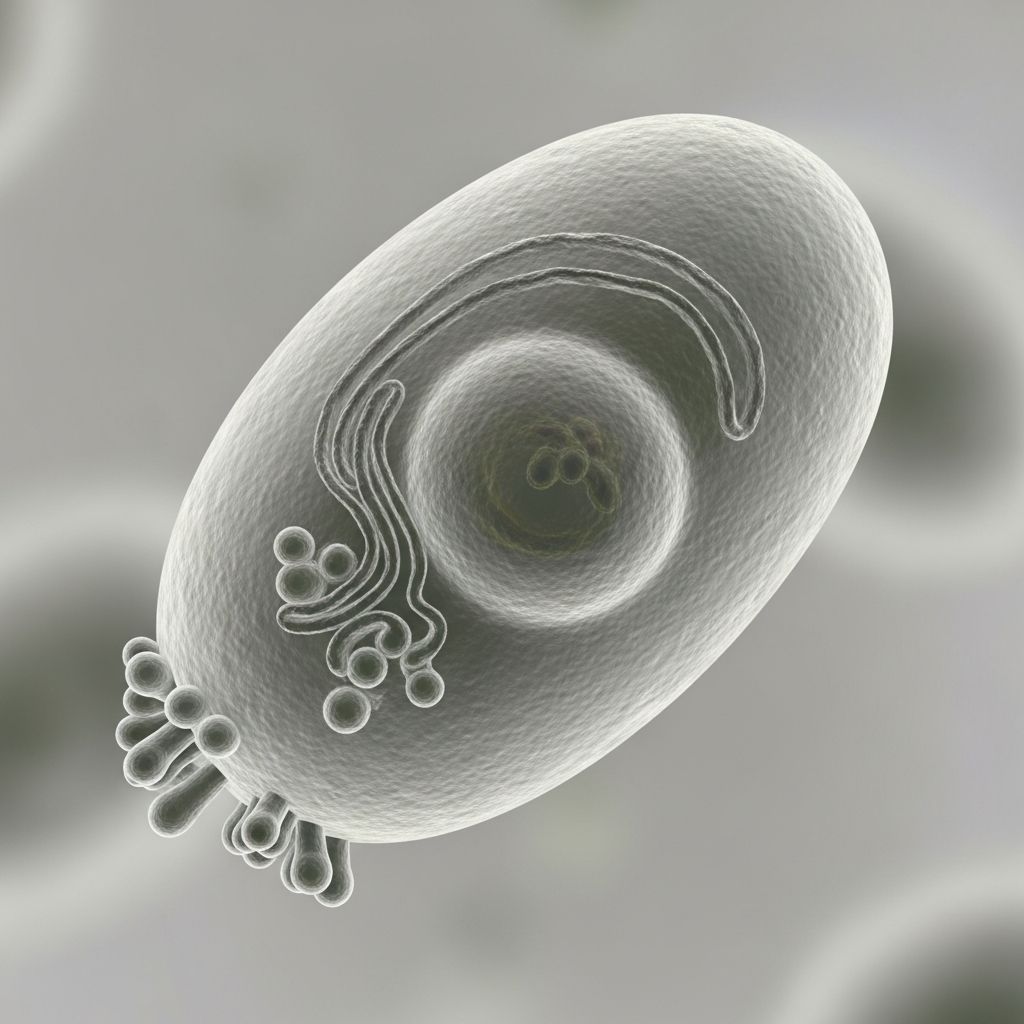
Vaginal yeast infections, also known as vaginal candidiasis, are common fungal infections affecting the vagina and vulva, causing irritation, itching, and discharge. These infections impact most people assigned female at birth at least once, with symptoms ranging from mild to severe.
What Is a Yeast Infection?
A
yeast infection
is an overgrowth of the fungus Candida albicans in the vagina, disrupting the natural balance of yeast and bacteria. Unlike bacterial vaginosis or sexually transmitted infections, yeast infections are not typically sexually transmitted but can be triggered by various factors. Lactobacillus bacteria normally keep yeast in check, but disruptions lead to symptomatic overgrowth.While anyone can develop a yeast infection, they are more prevalent during periods of hormonal change, such as pregnancy or while using hormonal contraceptives. Recurrent infections, defined as four or more per year, require medical evaluation to rule out underlying conditions.
Yeast Infection Symptoms
Symptoms of a vaginal yeast infection typically develop quickly and can vary in intensity. Common signs include:
- **Intense itching and irritation** in the vagina and vulva (the tissues at the vaginal opening).
- **Burning sensation**, especially during sexual intercourse or urination.
- **Redness and swelling** of the vulva, which may be less visible on darker skin tones.
- **Pain or soreness** in the vaginal area.
- **Thick, white vaginal discharge** resembling cottage cheese, usually odorless.
These symptoms can mimic other conditions like bacterial vaginosis or STIs, so self-diagnosis is not recommended, particularly for first-time occurrences.
Complicated Yeast Infection Symptoms
A
complicated yeast infection
involves more severe or persistent symptoms and may require prescription treatment. Indicators include:- Severe redness, swelling, and itching leading to cracks, tears, or sores.
- Four or more infections annually.
- Infection by non-Candida albicans fungi, which are harder to treat.
- Occurrence during pregnancy.
- Presence in individuals with uncontrolled diabetes or weakened immune systems, such as those with HIV.
Complicated cases often do not respond to over-the-counter antifungals and necessitate professional diagnosis via microscopic exam or culture.
Causes of Yeast Infections
The primary cause is an overgrowth of Candida albicans, which naturally resides in the vagina in small amounts. Imbalances occur when protective lactobacillus bacteria decrease, allowing yeast to proliferate into vaginal tissues.
Key triggers include:
- Antibiotics: Broad-spectrum antibiotics kill beneficial bacteria, enabling yeast overgrowth.
- Hormonal changes: Elevated estrogen from pregnancy, birth control pills, or hormone therapy promotes yeast growth.
- Uncontrolled diabetes: High blood sugar provides an ideal environment for candida.
- Weakened immunity: Conditions like HIV or corticosteroid use reduce the body’s ability to control fungal growth.
- Sexual activity: While not an STI, sex can introduce yeast or disrupt vaginal pH, especially oral-genital contact.
Risk Factors for Yeast Infections
| Risk Factor | Description |
|---|---|
| Antibiotic use | Broad-spectrum drugs eliminate protective vaginal bacteria, leading to yeast dominance. |
| Elevated estrogen | Common in pregnancy, oral contraceptives, or hormone replacement therapy. |
| Poorly managed diabetes | Excess glucose in urine and vaginal secretions feeds yeast. |
| Immune suppression | From HIV, chemotherapy, or steroids, increasing susceptibility. |
| Tight or non-breathable clothing | Retains moisture, creating a favorable environment for fungal growth. |
Related Stories



Individuals with these risk factors should monitor for early symptoms and adopt preventive measures.
Prevention Tips for Yeast Infections
Preventing yeast infections involves maintaining vaginal health and avoiding triggers. Effective strategies include:
- Wear cotton underwear and loose-fitting clothes to promote airflow.
- Avoid douching, scented soaps, bubble baths, or feminine sprays, which disrupt natural flora.
- Change out of wet swimsuits or workout gear promptly.
- Use antibiotics only when prescribed; discuss probiotics with your doctor.
- Maintain diabetes control through diet, medication, and monitoring.
- Practice good hygiene: wipe front to back and urinate after sex.
Probiotics containing lactobacillus may help restore balance, though evidence is mixed; consult a healthcare provider.
When to See a Doctor for Yeast Infection Symptoms
Seek medical attention if:
- It’s your first yeast infection.
- Symptoms persist after OTC treatment.
- You experience unusual discharge, fever, or abdominal pain.
- You have recurrent infections or risk factors like pregnancy or diabetes.
A healthcare professional can confirm diagnosis via pelvic exam, pH test, or microscopy, ruling out similar conditions like trichomoniasis or herpes.
Treatment Options for Yeast Infections
Most uncomplicated yeast infections resolve with antifungal medications. Options include:
- OTC creams/suppositories: Clotrimazole or miconazole for 1-7 days.
- Prescription orals: Fluconazole (Diflucan) single dose for severe cases.
- Long-term suppression: Weekly fluconazole for recurrent infections.
Avoid self-treatment during pregnancy; use only provider-approved topicals. Complete the full course to prevent recurrence.
Yeast Infection vs. Other Conditions
| Condition | Key Differences from Yeast Infection |
|---|---|
| Bacterial Vaginosis | Fishy odor, thin gray discharge; pH >4.5. |
| Trichomoniasis | Frothy green discharge, strong odor; STI. |
| Herpes | Painful blisters/ulcers, flu-like symptoms. |
| Atrophic Vaginitis | Thinning/dryness from menopause; less discharge. |
Accurate diagnosis prevents mismanagement and complications.
Frequently Asked Questions (FAQs)
Can men get yeast infections?
Yes, men can develop penile yeast infections, often from sexual contact with infected partners, causing redness, itching, and rash. Antifungal creams treat them effectively.
Are yeast infections contagious?
Not primarily, but yeast can pass during sex. Use condoms and treat partners if symptomatic.
How long do yeast infection symptoms last without treatment?
Symptoms may persist or worsen; mild cases can self-resolve, but treatment speeds recovery.
Can I have sex with a yeast infection?
Avoid until cleared to prevent irritation and partner transmission.
Do probiotics cure yeast infections?
They may prevent recurrence by restoring flora but aren’t a standalone cure.
References
- Yeast infection (vaginal) – Symptoms and causes — Mayo Clinic Staff. 2024-11-19. https://www.mayoclinic.org/diseases-conditions/yeast-infection/symptoms-causes/syc-20378999
Similar Articles








Read full bio of Sneha Tete