Yeast Infection Vs. UTI: 7 Key Differences To Know
Understand the key differences between yeast infections and UTIs, including symptoms, causes, diagnosis, and treatment options for accurate self-awareness.
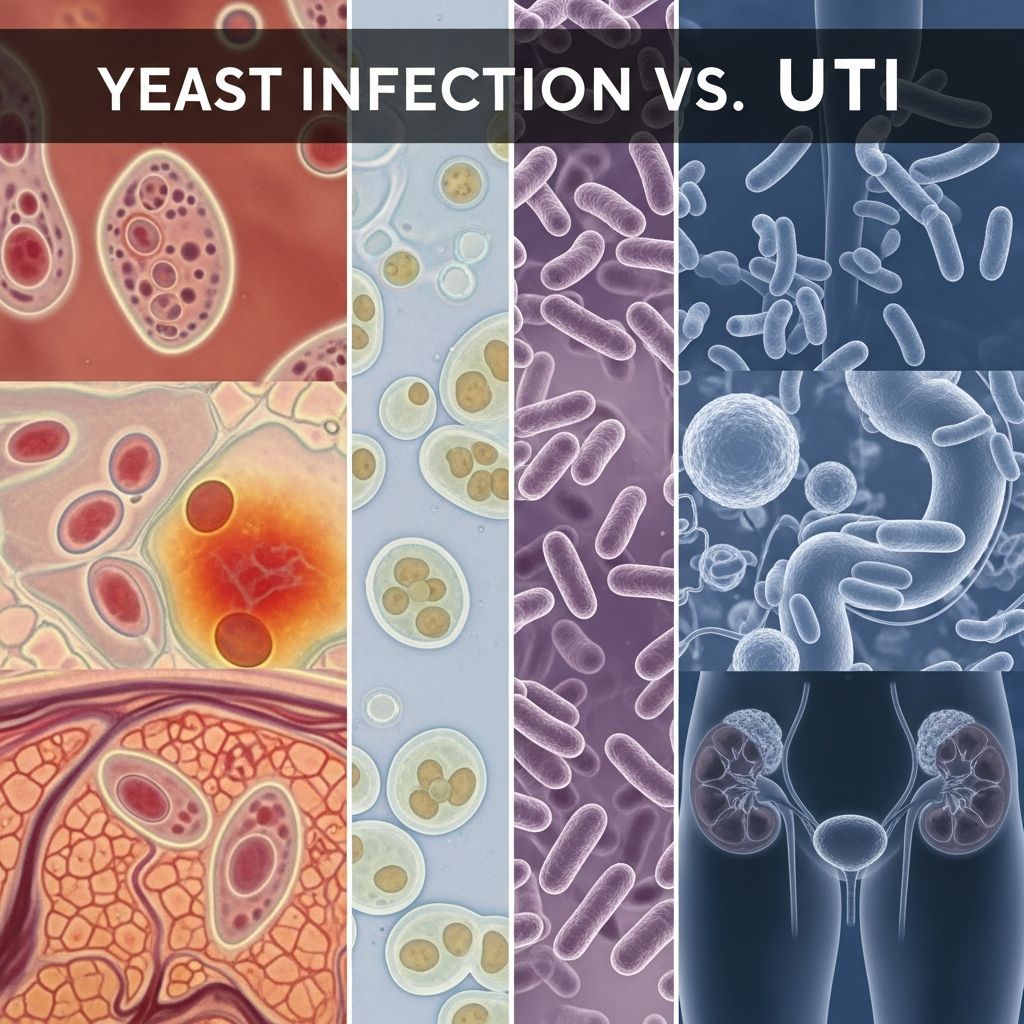
Yeast infections and urinary tract infections (UTIs) are two common conditions that can cause discomfort in the pelvic area, often leading to confusion due to overlapping symptoms like pain during urination. However, yeast infections result from an overgrowth of Candida fungus in the vagina, while UTIs are bacterial infections in the urinary tract, primarily affecting the bladder and urethra. Distinguishing between them is crucial, as treatments differ—antifungals for yeast infections and antibiotics for UTIs—and untreated cases can lead to complications like kidney infections.
What Is a Yeast Infection?
A yeast infection, also known as candidiasis, occurs when there is an overgrowth of the fungus Candida albicans in the vagina or vulva. This fungus naturally lives in the body but can proliferate due to factors like antibiotic use, hormonal changes, diabetes, or a weakened immune system. Women are particularly prone, with up to 75% experiencing at least one in their lifetime.
Symptoms of a Yeast Infection
Key symptoms focus on external vaginal discomfort:
- Intense itching and irritation of the vagina and vulva
- Thick, white, clumpy discharge resembling cottage cheese, typically odorless
- Redness, swelling, and burning sensation around the vulva
- Pain or soreness during sex or urination due to inflammation
- Vaginal dryness or cracking skin in severe cases
Unlike UTIs, yeast infections rarely cause urinary urgency or fever unless complicated.
What Is a UTI?
A urinary tract infection (UTI) is caused by bacteria, usually E. coli, entering the urethra and multiplying in the bladder. It affects about 50-60% of women at some point, often triggered by sexual activity, poor hygiene, or dehydration. If untreated, it can ascend to the kidneys, causing pyelonephritis.
Symptoms of a UTI
UTI symptoms center on the urinary system:
- Burning or pain during urination (dysuria)
- Frequent, urgent need to urinate, often passing small amounts
- Cloudy, bloody, or foul-smelling urine
- Pelvic or lower abdominal pressure/pain
- In advanced cases: fever, chills, back pain, nausea
Symptoms typically escalate quickly, distinguishing them from yeast infections.
Yeast Infection vs. UTI: Key Differences
While both can cause pelvic pain and burning urination, their profiles differ significantly. Use this comparison to identify your symptoms:
| Symptom | Yeast Infection | UTI |
|---|---|---|
| Burning during urination | Possible (due to external irritation) | Primary symptom |
| Frequent urge to urinate | Rare | Common, with small volumes |
| Vaginal discharge | Thick, white, clumpy, odorless | None or cloudy urine only |
| Itching/Irritation | Intense vulvar itching | No |
| Urine changes | Normal | Cloudy, bloody, strong odor |
| Abdominal pain | Rare | Lower abdomen or back |
| Fever/Chills | Uncommon | Possible if kidney involvement |
Location matters: Yeast symptoms are external (vulva/vagina), while UTIs are internal (bladder/urethra). Overlap occurs in 20-30% of cases, often after antibiotics, which kill good bacteria and promote yeast growth.
Causes and Risk Factors
Causes of Yeast Infections
- Antibiotic disruption of vaginal flora
- Pregnancy, birth control pills, or hormone therapy
- Uncontrolled diabetes (high sugar feeds yeast)
- Tight clothing or poor ventilation
Causes of UTIs
- Bacterial entry via urethra (shorter in women)
- Sexual intercourse (“honeymoon cystitis”)
- Catheter use or urinary retention
- Dehydration concentrating urine
Shared risks include diabetes and immunosuppression, increasing dual infection chances.
Diagnosis: How Doctors Tell Them Apart
Self-diagnosis is unreliable; see a healthcare provider. For yeast infections, a pelvic exam and microscopic wet mount test detect fungal elements. UTIs require a urinalysis and culture to confirm bacteria and rule out other issues. In ambiguous cases, both tests may be performed. pH testing helps: acidic for yeast, alkaline for bacterial overgrowth.
Related Stories



Treatment Options
Treating Yeast Infections
Over-the-counter antifungals like miconazole or clotrimazole (1-7 day creams/suppositories) suffice for uncomplicated cases. Prescription oral fluconazole for severe/recurrent infections. Avoid douching; use probiotics to restore flora.
Treating UTIs
Antibiotics such as nitrofurantoin or trimethoprim-sulfamethoxazole for 3-7 days. Drink plenty of water; phenazopyridine for symptom relief. Recurrent UTIs may need low-dose prophylaxis. Never use yeast meds for UTIs—it worsens bacterial spread.
Complications and When to See a Doctor
Untreated yeast infections can cause chronic inflammation or spread. UTIs risk kidney damage or sepsis. Seek immediate care for fever, back pain, vomiting, or symptoms lasting >48 hours, especially in pregnancy or with diabetes. Pregnant women need prompt evaluation to prevent preterm labor.
Prevention Strategies
- Hygiene: Wipe front-to-back; urinate post-sex
- Hydration: 8+ glasses water daily to flush bacteria
- Diet: Limit sugar; probiotics via yogurt
- Clothing: Breathable cotton underwear; avoid irritants
- Cranberry: Products may reduce UTI recurrence (evidence mixed)
Frequently Asked Questions (FAQs)
Can a yeast infection cause UTI symptoms?
Yes, inflammation can mimic burning urination, but no urinary frequency or cloudy urine.
Can I have both at once?
Common after antibiotics; treat both accordingly.
Are OTC tests reliable?
UTI strips detect leukocytes/nitrites; yeast kits check pH/discharge. Confirm with a doctor.
How long do symptoms last untreated?
Yeast: weeks; UTI: days to kidney infection.
Is it safe to treat at home?
Uncomplicated yeast yes; UTIs always need antibiotics.
References
- Yeast infection vs. UTI: Symptoms and treatment — Medical News Today. 2023-05-15. https://www.medicalnewstoday.com/articles/326010
- UTIs vs. Yeast Infections: How to Tell the Difference — My OBGyne. 2024-02-10. https://myobgyne.com/utis-vs-yeast-infections/
- Yeast infection vs. UTI: How to tell the difference — Flo Health. 2024-08-20. https://flo.health/menstrual-cycle/health/symptoms-and-diseases/yeast-infection-vs-uti
- Yeast Infection vs. Urinary Tract Infection: What’s the Difference? — Healthline. 2023-11-12. https://www.healthline.com/health/yeast-infection-vs-urinary-tract-infection
- UTI vs Yeast Infection: Understanding the Differences and Symptoms — Monistat. 2024-01-05. https://www.monistat.com/vaginal-health-blog-articles/it-uti-or-yeast-infection-learn-how-to-tell-difference
- Yeast Infection vs. UTI: How to Tell the Difference — GoodRx. 2024-06-18. https://www.goodrx.com/conditions/urinary-tract-infection/uti-or-yeast-infection
Similar Articles








Read full bio of medha deb