Yeast Infections: Causes, Symptoms, and Treatment
Complete guide to understanding yeast infections, symptoms, causes, and effective treatment options.
Yeast infections are among the most common fungal infections affecting millions of people worldwide. Caused primarily by the Candida fungus, these infections can occur in various parts of the body, though they most commonly affect the genital area, mouth, and skin. Understanding the causes, symptoms, and treatment options is essential for managing this condition effectively and preventing complications.
What Is a Yeast Infection?
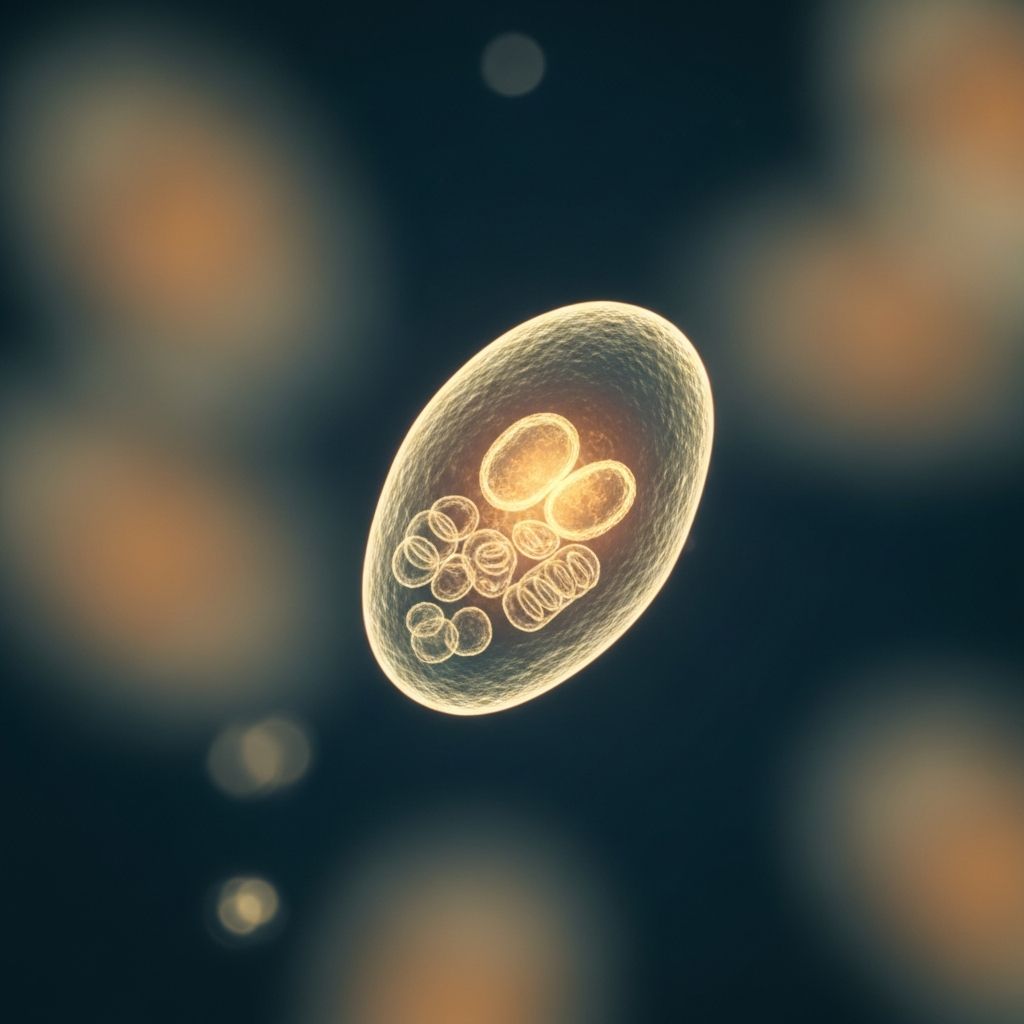
A yeast infection is a fungal infection caused by an overgrowth of Candida, a naturally occurring fungus found in the human body. While small amounts of Candida are normal and harmless, certain conditions can cause this fungus to multiply rapidly, leading to infection. The most common type is caused by Candida albicans, though other species can also be responsible for infections.
Yeast naturally lives in various parts of the body, including the digestive tract, skin, and reproductive organs. When the balance of microorganisms is disrupted, yeast can proliferate and cause symptoms. This imbalance can result from various factors, including antibiotic use, hormonal changes, or a weakened immune system.
Types of Yeast Infections
Yeast infections can manifest in different forms depending on the location and severity of the infection. Understanding the different types helps in identifying symptoms and seeking appropriate treatment.
Vaginal Yeast Infections
Vaginal yeast infections are the most common type, affecting approximately 75% of women at least once in their lifetime. These infections occur when Candida overgrows in the vaginal area, disrupting the normal bacterial flora. Symptoms typically include itching, burning during urination, and thick, white vaginal discharge.
Oral Thrush
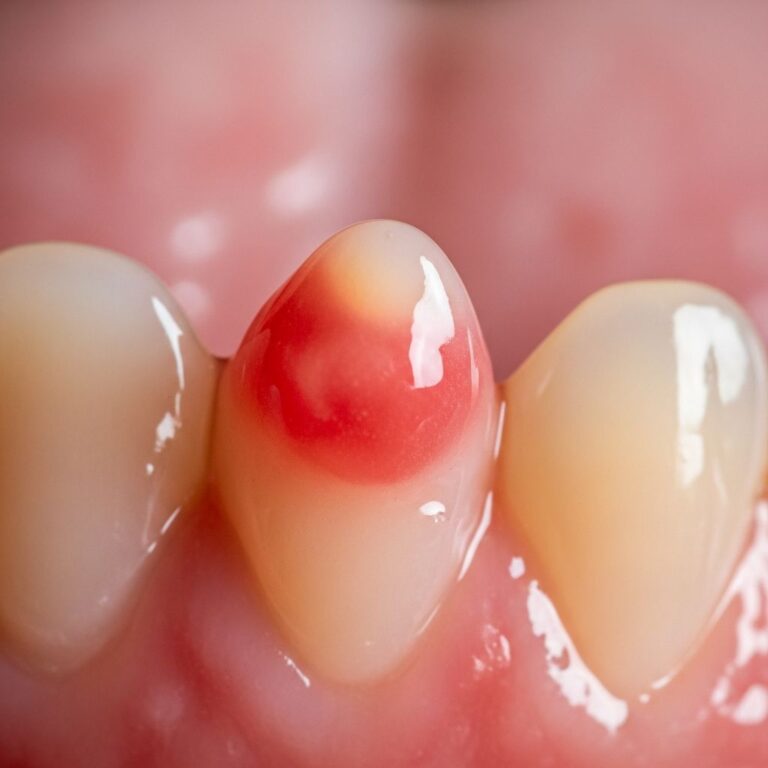
Oral thrush develops in the mouth and throat, presenting as white patches on the tongue, inner cheeks, or palate. This type of infection is more common in infants, elderly individuals, and people with weakened immune systems. It can make eating and swallowing uncomfortable.
Penile Yeast Infections
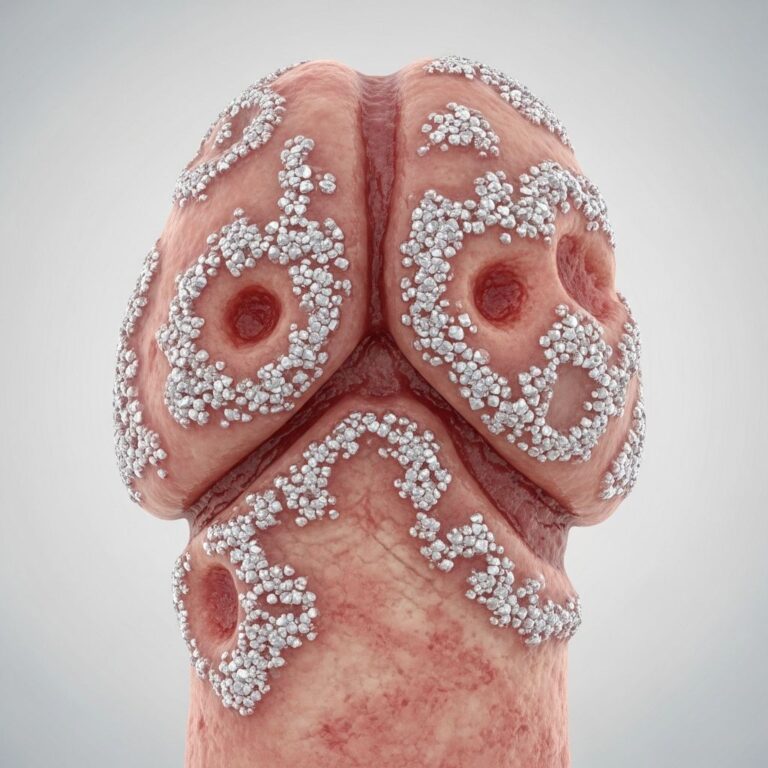
Men can also develop yeast infections, typically on the penis. These infections may cause itching, redness, and discharge. They are often less common than vaginal infections but can occur, particularly in uncircumcised men.
Skin Yeast Infections
Yeast can infect skin, particularly in warm, moist areas such as the groin, armpits, and under the breasts. These infections appear as red, itchy rashes and are sometimes called cutaneous candidiasis.
Systemic Yeast Infections
In severe cases, particularly in immunocompromised individuals, yeast can enter the bloodstream and cause systemic infections. This is a serious condition requiring immediate medical attention and hospitalization.
Causes and Risk Factors
Several factors can increase the likelihood of developing a yeast infection. Identifying and understanding these risk factors can help in prevention and early treatment.
Common Causes Include:
- Antibiotic Use: Antibiotics kill beneficial bacteria that help keep yeast in check, allowing Candida to overgrow
- Hormonal Changes: Fluctuations during menstruation, pregnancy, or while taking hormonal contraceptives can increase infection risk
- Weakened Immune System: Conditions like HIV/AIDS or medications that suppress immunity increase susceptibility
- High Blood Sugar: Diabetes or uncontrolled blood glucose levels create an environment where yeast thrives
- Moisture and Warmth: Tight clothing, poor hygiene, or excessive sweating in warm areas promote fungal growth
- Sexual Contact: Yeast infections can sometimes be transmitted between sexual partners
- Douching: Douches disrupt the normal vaginal flora, increasing infection risk
- Prolonged Antibiotic Use: Extended courses of antibiotics significantly increase the risk of yeast infections
Related Stories



Symptoms and Signs
The symptoms of a yeast infection vary depending on the type and location of the infection. Recognizing these symptoms early can lead to quicker treatment and relief.
Vaginal Yeast Infection Symptoms:
- Intense itching in the vaginal area
- Burning sensation during urination or intercourse
- Thick, white, odorless vaginal discharge (often described as cottage cheese-like)
- Vaginal soreness and redness
- Vulvar pain or discomfort
Oral Thrush Symptoms:
- White patches or lesions on the tongue or inside the cheeks
- Redness and irritation in the mouth
- Difficulty swallowing or eating
- Altered taste sensation
- Mild fever in some cases
General Yeast Infection Symptoms:
- Localized itching and redness
- Pain or discomfort in affected areas
- Unusual discharge or drainage
- Cracking or peeling skin in severe cases
Diagnosis
While many people self-diagnose yeast infections based on symptoms, a healthcare provider can confirm the diagnosis through various methods. Proper diagnosis is important, as other conditions can mimic yeast infection symptoms.
Diagnostic Methods:
- Physical Examination: Healthcare providers visually inspect the affected area and assess symptoms
- Wet Mount Microscopy: A sample of vaginal fluid is examined under a microscope to identify Candida cells
- Culture Testing: Samples are cultured to identify the specific type of yeast and determine the most effective treatment
- KOH Test: Potassium hydroxide is applied to samples to identify fungal elements
- PCR Testing: Polymerase chain reaction can identify yeast DNA with high accuracy
Treatment Options
Fortunately, yeast infections are highly treatable with various options available depending on the severity and type of infection.
Over-the-Counter Medications:
Many vaginal yeast infections can be treated with antifungal creams and suppositories available without a prescription. Common options include:
- Miconazole (Monistat)
- Clotrimazole (Lotrimin, Mycelex)
- Tioconazole
- Tolnaftate
These medications are typically applied directly to the affected area and provide relief within 3-7 days.
Prescription Medications:
For more severe or recurring infections, healthcare providers may prescribe:
- Fluconazole (Diflucan): An oral antifungal medication taken as a single dose or multiple doses
- Itraconazole: Another oral antifungal option for resistant infections
- Nystatin: Commonly used for oral thrush and available as a suspension or lozenge
- Butoconazole: A prescription cream for vaginal infections
Natural and Home Remedies:
While evidence is limited, some people find relief with complementary approaches:
- Yogurt with live cultures applied topically or consumed orally
- Tea tree oil diluted in a carrier oil (use with caution)
- Apple cider vinegar douches (not recommended by most healthcare providers)
- Coconut oil as a topical application
- Garlic supplements or topical application
It is important to consult with a healthcare provider before using home remedies, as some may worsen symptoms or interfere with medical treatment.
Prevention Strategies
Preventing yeast infections is often easier than treating them. Several lifestyle and hygiene practices can reduce the risk of developing these infections.
Preventive Measures:
- Maintain Proper Hygiene: Keep the affected areas clean and dry, but avoid douching
- Wear Breathable Clothing: Choose cotton underwear and loose-fitting clothing to reduce moisture and warmth
- Avoid Irritants: Limit use of scented products, douches, and harsh soaps
- Manage Blood Sugar: If diabetic, maintain proper glucose control
- Use Antibiotics Wisely: Take antibiotics only when prescribed and complete the full course
- Dietary Modifications: Reduce sugar and refined carbohydrate intake, which can feed yeast
- Stay Dry: Change out of wet swimwear and sweaty clothing promptly
- Practice Safe Sex: Use protection and communicate with partners about infection status
When to See a Healthcare Provider
While most yeast infections are not serious, certain situations warrant professional medical evaluation:
- First-time yeast infection symptoms
- Symptoms that do not improve after treatment
- Recurring infections (more than four per year)
- Severe symptoms causing significant discomfort
- Pregnancy-related symptoms
- Signs of spreading or systemic infection
- Weakened immune system or HIV/AIDS diagnosis
- Unusual symptoms or concurrent conditions
Complications
While most yeast infections resolve without complications, certain situations can lead to more serious outcomes. Untreated or recurrent infections may result in:
- Chronic pelvic pain
- Sexual dysfunction or discomfort
- Secondary bacterial infections
- Systemic candidiasis in immunocompromised individuals
- Complications during pregnancy or childbirth
- Reduced quality of life due to recurring symptoms
Frequently Asked Questions (FAQs)
Q: Can yeast infections be transmitted sexually?
A: While yeast infections are not typically classified as sexually transmitted infections, they can occasionally be transmitted between sexual partners. Men may develop balanitis (penile yeast infection) from infected partners. Using protection can help reduce transmission risk.
Q: How long does a yeast infection last?
A: Without treatment, yeast infections may persist for weeks or months. With proper treatment, most infections resolve within 3-7 days. Some severe or recurring cases may require extended treatment.
Q: Can men get yeast infections?
A: Yes, men can develop yeast infections, though they are less common than in women. They typically affect the penis and may cause itching, redness, and discharge. Treatment is similar to other yeast infections.
Q: Is a yeast infection dangerous during pregnancy?
A: Yeast infections during pregnancy are common but generally not dangerous to the fetus. However, they should be treated to prevent complications during delivery. Pregnant women should consult their healthcare provider before using any treatment.
Q: Why do I keep getting yeast infections?
A: Recurring yeast infections may result from incomplete treatment, underlying health conditions, antibiotic use, hormonal changes, or sexual transmission from a partner. Consulting a healthcare provider can help identify the underlying cause.
Q: Can diet affect yeast infections?
A: Yes, diet can influence yeast infection risk. High-sugar diets may promote yeast growth, while foods rich in probiotics and antifungal properties may help prevent infections. Reducing refined carbohydrates and sugar is generally recommended.
Q: Are over-the-counter yeast infection treatments effective?
A: Over-the-counter antifungal treatments are effective for many vaginal yeast infections. However, if symptoms persist after treatment or if infections are recurrent, professional medical evaluation is necessary to ensure proper diagnosis and treatment.
References
- Vulvovaginal Candidiasis: Epidemiology, Microbiology and Risk Factors — Centers for Disease Control and Prevention (CDC). Updated 2024. https://www.cdc.gov/fungal/candidiasis/genital/index.html
- Candidiasis (Yeast Infection): Treatment and Management — National Institute of Allergy and Infectious Diseases (NIAID). Updated 2023. https://www.niaid.nih.gov/diseases-conditions/candidiasis
- Oral Candidiasis: Clinical Presentation, Diagnosis, and Management — Academy of General Dentistry. 2023. https://www.agd.org
- Treatment of Vaginal Candidiasis: Antifungal Medications and Clinical Evidence — American College of Obstetricians and Gynecologists (ACOG). Updated 2024. https://www.acog.org
- Risk Factors and Prevention of Recurrent Candida Vulvovaginitis — PubMed Central, National Institutes of Health. 2023. https://www.ncbi.nlm.nih.gov/pmc/
- Systemic Candidiasis and Invasive Candida Infections: Epidemiology and Risk Factors — World Health Organization (WHO). 2023. https://www.who.int
Similar Articles








Read full bio of medha deb