Understanding Yellow Eyes: Medical Causes and Treatment Options
Explore why your eyes turn yellow and what medical interventions can help restore their health.
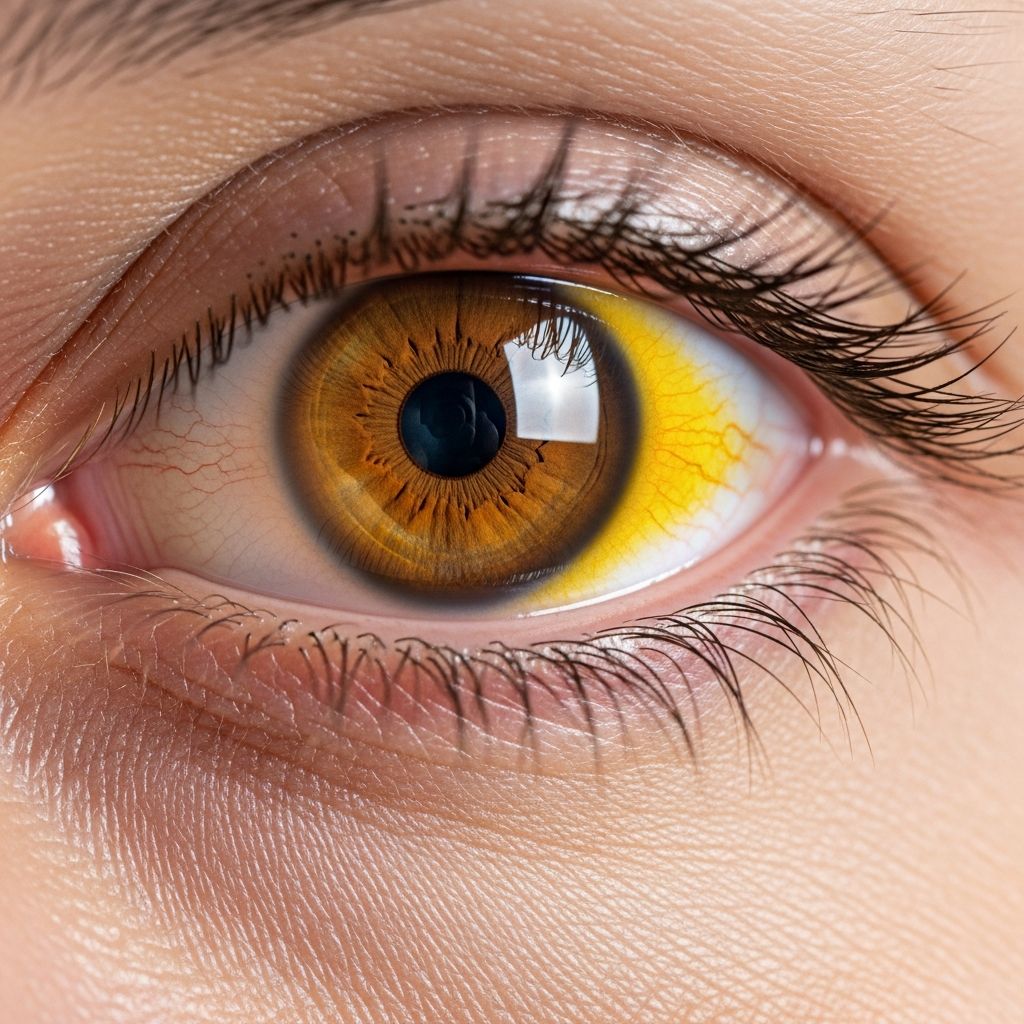
The sudden appearance of a yellowish hue in the whites of your eyes can be alarming. This discoloration, medically termed scleral icterus or the yellowing of the sclera, typically signals an elevation in bilirubin levels circulating through your bloodstream. Bilirubin is a natural byproduct generated when your body breaks down aging red blood cells, a process normally managed efficiently by your liver. When this system malfunctions, bilirubin accumulates in your tissues and blood, manifesting visibly in the eyes and sometimes the skin—a condition commonly known as jaundice.
Understanding the root causes of yellow eyes and recognizing accompanying symptoms empowers you to seek timely medical intervention. While some causes resolve independently, others require professional treatment to prevent serious complications.
The Science Behind Yellowing Eyes
Your eyes turn yellow when bilirubin deposits accumulate in the sclera, the protective white layer covering most of your eyeball. This process begins with red blood cell degradation in your liver. Under normal circumstances, your liver efficiently processes bilirubin and excretes it through bile into your digestive system. However, when your liver struggles with this function, bile ducts become obstructed, or your body breaks down red blood cells excessively, bilirubin levels rise dramatically.
The intensity of the yellow discoloration correlates directly with bilirubin concentration in your blood. Mild cases may appear as a subtle yellow tint, while elevated levels produce deep, pronounced yellowing. This visual change frequently represents the first noticeable indication that something requires medical attention.
Major Pathways Leading to Yellow Eyes
Liver-Related Disruptions
Your liver serves as the processing center for bilirubin management. When liver function deteriorates, bilirubin cannot be processed effectively, leading to accumulation. Several conditions compromise liver health:
- Hepatitis infections (types A, B, C, and D) directly attack liver cells, causing inflammation and reducing processing capacity.
- Cirrhosis represents advanced liver scarring that severely limits the organ’s ability to filter and manage bilirubin.
- Nonalcoholic fatty liver disease (NAFLD) develops when fat accumulates in liver tissue, impairing function.
- Acute pancreatitis can trigger jaundice through inflammatory effects on liver tissue.
- Alcohol-related damage occurs through chronic consumption that deteriorates liver structure and function.
- Medication toxicity from excessive acetaminophen use or certain prescription medications can injure liver cells.
Bile Duct Obstruction
When bile cannot flow from your liver to your gallbladder and intestines, it backs up into your bloodstream, raising bilirubin levels rapidly. Common obstructive causes include:
- Gallstones blocking the bile ducts, preventing normal bile drainage.
- Bile duct inflammation (cholangitis), which swells and restricts flow.
- Tumors in the pancreas, liver, or gallbladder compressing nearby ducts.
Red Blood Cell Disorders
Excessive and premature destruction of red blood cells floods your system with bilirubin faster than your liver can process it. These conditions include:
- Hemolytic anemia, where your immune system attacks healthy red blood cells.
- Sickle cell disease, producing abnormally shaped cells that die prematurely and overwhelm liver processing capacity.
- Thalassemia and other inherited blood disorders affecting red cell lifespan.
- Autoimmune hemolytic anemia, triggering immune destruction of red blood cells.
Related Stories



Genetic and Rare Conditions
Gilbert’s syndrome, an inherited liver disorder, impairs your liver’s ability to process bilirubin efficiently, though it typically causes only mild, intermittent yellowing. Other rare genetic conditions similarly disrupt bilirubin metabolism without causing severe disease.
Medication and Substance-Related Causes
Numerous medications processed through your liver can trigger yellow eyes as a side effect. These include oral contraceptives, certain antibiotics like amoxicillin, anabolic steroids, and chlorpromazine. Even over-the-counter pain relievers cause yellowing when used excessively, particularly acetaminophen. Once you discontinue these medications and your liver recovers, your eyes typically return to normal white coloration.
Additional Contributing Factors
Malaria, a mosquito-borne blood infection, causes bilirubin elevation in endemic regions. Autoimmune diseases attacking liver tissue and inflammatory conditions like sarcoidosis, which can damage liver function, also produce jaundice. A non-pathological cause includes pinguecula, a yellowish growth on the sclera surface often resulting from prolonged sun exposure, creating the appearance of yellow eyes without affecting bilirubin levels.
Recognizing Accompanying Symptoms
Yellow eyes rarely appear in isolation. Accompanying symptoms provide crucial diagnostic clues and indicate severity:
- Fatigue and weakness reflecting the systemic effects of elevated bilirubin and underlying disease.
- Darkened urine, appearing tea or cola-colored due to bilirubin excretion.
- Pale or clay-colored stools, indicating reduced bile reaching your intestines.
- Itchy skin from bilirubin accumulation in skin tissues.
- Abdominal discomfort and fullness, particularly with gallbladder obstruction.
- Fever and chills, suggesting infection like hepatitis or cholangitis.
- Appetite loss and nausea, common in liver disease.
- Unexplained weight loss indicating systemic illness.
Mild cases might present only yellowing eyes without additional symptoms, whereas severe cases involve multiple constitutional symptoms indicating urgent medical needs.
Diagnostic Approach and Testing
Your physician employs a systematic diagnostic strategy to identify the underlying cause. Initial evaluation includes:
- Comprehensive medical history and symptom review covering medication use, alcohol consumption, and travel to endemic disease areas.
- Physical examination assessing eye discoloration, abdominal tenderness, and skin yellowing.
- Blood tests measuring bilirubin levels and liver enzyme activity to assess hepatic function.
- Complete blood count (CBC) evaluating red blood cell health and identifying hemolytic disorders.
- Imaging procedures like ultrasound or CT scans to visualize liver structure, gallstones, or bile duct obstructions.
These combined findings establish the specific diagnosis, directing targeted treatment.
Treatment Strategies Based on Underlying Cause
Managing Liver Disease
Hepatitis treatment depends on the viral type and stage of infection. Antiviral medications effectively suppress hepatitis B and C, halting progression and allowing liver recovery. Lifestyle modifications addressing alcohol consumption prove essential, often requiring medical assistance or counseling programs. NAFLD management focuses on dietary changes reducing fat intake and weight loss, improving liver function without medication.
Addressing Bile Duct Obstruction
Gallstone management employs endoscopic retrograde cholangiopancreatography (ERCP), a minimally invasive procedure removing obstructing stones without major surgery. Tumors typically require surgical intervention or oncology-directed treatment, depending on cancer type and stage.
Blood Disorder Treatment
Hemolytic anemias and sickle cell disease benefit from medications reducing red blood cell destruction and blood transfusions when severe, directly lowering bilirubin production.
Medication-Related Cases
Simply discontinuing the offending medication allows your liver to recover and normalize bilirubin processing, restoring normal eye color without additional intervention.
Lifestyle Modifications Supporting Recovery
Beyond specific medical treatments, lifestyle adjustments significantly impact recovery and prevention of recurrence:
- Hydration and balanced nutrition including leafy greens, fruits, and whole grains support liver regeneration and function.
- Alcohol elimination or strict limitation, as alcohol represents a major contributor to liver damage.
- Avoiding hepatotoxic medications and substances that burden liver processing capacity.
- Weight management reducing fatty liver disease progression.
- Regular physical activity promoting overall metabolic health.
Distinguishing Yellow Eyes from Other Conditions
Not all eye discoloration indicates jaundice. Pinguecula, a harmless growth on the eye surface from sun exposure, creates yellow appearance without involving bilirubin elevation or systemic disease. True jaundice typically affects both eyes symmetrically and often accompanies other symptoms. When unsure, professional eye examination clarifies the distinction.
When to Seek Immediate Medical Attention
Certain symptoms warrant urgent evaluation. Contact your healthcare provider promptly if you experience persistent yellow eyes, especially accompanied by fever, severe abdominal pain, or dramatically darkened urine. These indicate potentially serious conditions requiring immediate diagnosis and treatment.
Prevention Strategies
While some yellow eye causes cannot be prevented, several risk factors remain modifiable. Limiting alcohol consumption protects liver health fundamentally. Using medications only as directed prevents hepatotoxicity. Vaccinating against hepatitis A and B provides immunity against these viral causes. Maintaining healthy weight reduces NAFLD development. Regular health screening, particularly for those with family history of liver or blood disorders, enables early detection.
Frequently Asked Questions
How quickly do eyes return to normal after treatment begins?
Recovery timing depends on the underlying cause severity and treatment type. Simple medication cessation may resolve yellowing within weeks as your liver recovers. Treating infections requires longer timelines, potentially months. Surgical interventions for obstructions typically show improvement within days to weeks post-procedure.
Can yellow eyes develop suddenly or do they progress gradually?
Onset varies by cause. Acute conditions like sudden bile duct obstruction produce rapid yellowing, sometimes within hours. Chronic liver disease typically develops gradually over months or years. Your doctor can determine onset patterns through symptom history.
Are home remedies effective for treating yellow eyes?
Home remedies alone cannot treat yellow eyes, as the underlying condition requires professional diagnosis and targeted treatment. However, supportive measures like hydration, rest, and dietary modifications complement medical therapy and support recovery.
Can yellow eyes indicate cancer?
Certain cancers, particularly those affecting the liver, pancreas, or gallbladder, can obstruct bile flow or damage the liver, producing yellow eyes. However, most yellow eye cases result from non-cancerous conditions. Professional evaluation determines the specific cause.
Conclusion
Yellow eyes represent a visible warning sign that your body’s bilirubin processing system requires attention. Rather than cosmetic concern alone, this discoloration reflects potential disruptions in liver function, bile flow, or red blood cell health—conditions ranging from easily reversible to requiring substantial intervention. Prompt professional evaluation through blood testing and imaging establishes the accurate diagnosis, enabling targeted treatment addressing the underlying cause rather than merely the symptom. Combined with supportive lifestyle modifications emphasizing liver health, proper medical management restores normal eye color while addressing the serious health conditions causing discoloration. Early recognition and medical consultation maximize treatment effectiveness and prevent progression to severe complications.
References
- Yellow Eyes: Causes and Treatment — All About Vision. https://www.allaboutvision.com/conditions/symptoms/yellow-eyes/
- Scleral Icterus: Causes, Symptoms & Treatment Options — Dr. Agarwal’s Eye Hospital. https://www.dragarwal.com/blog/all-about-eye-health/why-do-eyes-blink-scleral-icterus-causes-symptoms-treatment-options/
- How to get rid of yellow eyes: Treatment and home remedies — Medical News Today. 2021. https://www.medicalnewstoday.com/articles/321746
- Yellow Eyes: Causes and Treatment — WebMD. https://www.webmd.com/a-to-z-guides/causes-of-yellow-eyes
- Jaundice — NHS. https://www.nhs.uk/conditions/jaundice/
- Why You Have Yellow Eyes (And How to Whiten Them) — Mill Creek Eye Center. https://www.millcreekeye.com/why-you-have-yellow-eyes-and-how-to-whiten-them/
Similar Articles








Read full bio of medha deb