Yellow Fever: Symptoms, Causes, Prevention & Treatment
Learn about yellow fever: symptoms, transmission, prevention, and why vaccination is crucial for travelers.
What Is Yellow Fever?
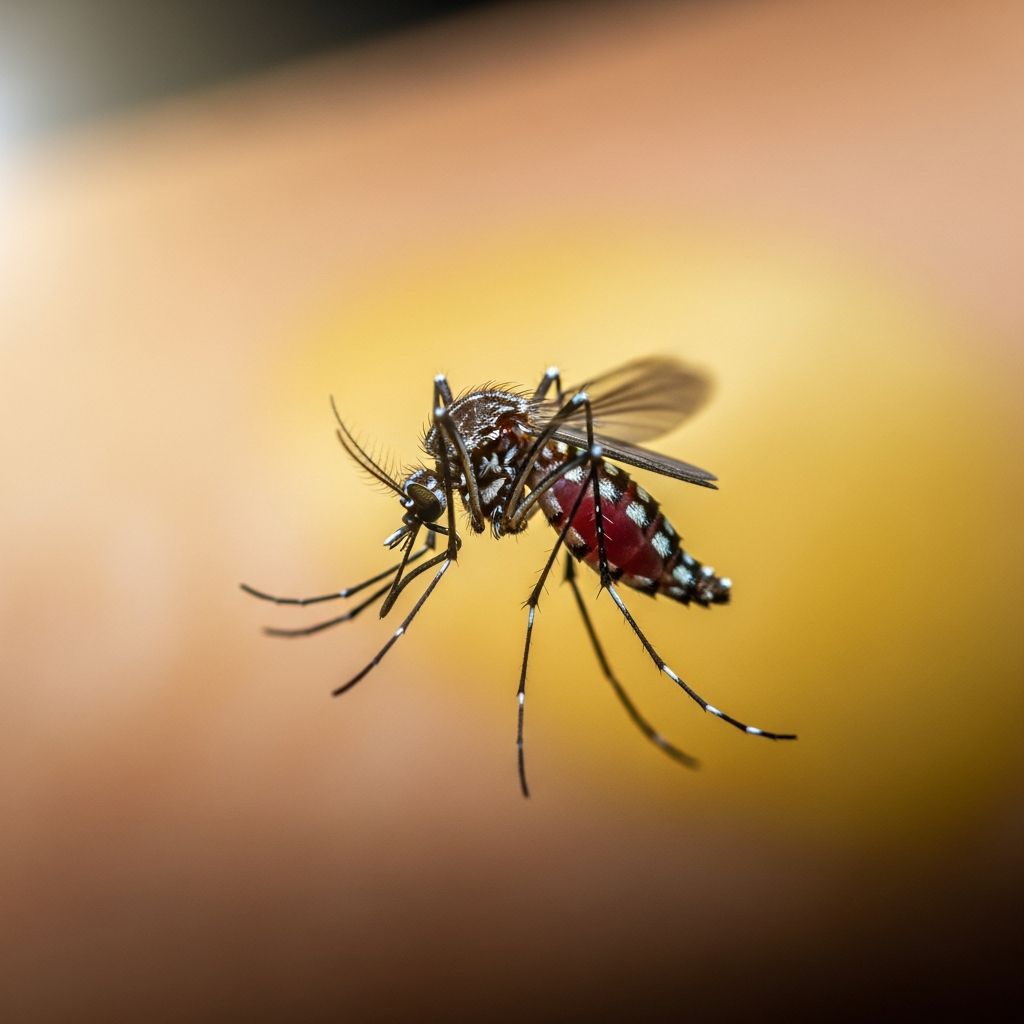
Yellow fever is a viral disease caused by the yellow fever virus, a member of the Flavivirus family. It is transmitted to humans through the bite of infected mosquitoes, primarily Aedes aegypti and other Aedes species. The disease is most common in tropical and subtropical regions of sub-Saharan Africa and South America, but cases have also been reported in the Caribbean. Yellow fever is not present in Asia-Pacific regions, though imported cases have occurred due to travel and increased global connectivity.
How Is Yellow Fever Transmitted?
Yellow fever is spread by mosquitoes that become infected after biting a person or animal carrying the virus. There are three main transmission cycles:
- Jungle (sylvatic) yellow fever: Mosquitoes transmit the virus between monkeys and humans in forested areas. People who work or travel in these regions are at risk.
- Intermediate (savannah) yellow fever: Semidomestic mosquitoes infect both humans and monkeys in areas where people live near forests. This is the most common type of outbreak in Africa.
- Urban yellow fever: The virus spreads from person to person in densely populated areas with high mosquito populations, especially where vaccination rates are low.
Symptoms of Yellow Fever
Most people infected with yellow fever virus either have no symptoms or only mild symptoms and recover completely. For those who do develop symptoms, the illness typically begins 3 to 6 days after infection. Symptoms can be divided into three stages:
Stage 1: Infection
- Fever
- Chills
- Severe headache
- Back pain
- General body aches
- Nausea and vomiting
- Fatigue and weakness
- Loss of appetite
- Light sensitivity
These symptoms usually last for about 3 to 7 days. Most people recover at this stage.
Stage 2: Remission
After the initial symptoms, there may be a brief period (a few hours to a day) where the person feels better. However, for about 1 in 7 people, the disease progresses to a more severe stage.
Stage 3: Intoxication (Severe Disease)
- High fever
- Jaundice (yellowing of the skin and eyes)
- Bleeding from the nose, mouth, ears, or eyes
- Vomiting blood or passing blood in stool
- Shock
- Organ failure (liver, kidney, heart)
- Delirium, coma, or convulsions
Among those who develop severe disease, 30–60% die. Recovery from severe yellow fever can take several months, and some people may experience prolonged weakness and fatigue.
Diagnosis of Yellow Fever
Diagnosing yellow fever can be challenging because its symptoms are similar to other viral infections. Diagnosis is based on:
- Travel history to endemic areas
- Exposure to mosquitoes
- Physical examination
- Laboratory tests, including blood tests to detect the virus or antibodies
Early diagnosis is crucial for proper management and to prevent further spread of the disease.
Treatment for Yellow Fever
There is no specific antiviral treatment for yellow fever. Treatment is supportive and focuses on relieving symptoms and preventing complications:
- Rest and hydration
- Pain relievers (such as acetaminophen or ibuprofen) to reduce fever and discomfort
- Close monitoring in a hospital for severe cases
- Management of bleeding, shock, and organ failure as needed
Related Stories



Patients with severe symptoms may require intensive care. Recovery depends on the severity of the disease and the quality of medical care.
Prevention of Yellow Fever
Prevention is the most effective way to protect against yellow fever. Key prevention strategies include:
Vaccination
The yellow fever vaccine is a live-attenuated vaccine that provides long-lasting immunity. It is recommended for travelers going to areas where yellow fever is common. The vaccine is given as a single injection and is highly effective. Most people develop immunity within 10 days of vaccination, and protection lasts for at least 10 years, often for life.
- The vaccine is not recommended for infants under 9 months of age.
- People with weakened immune systems should consult a healthcare provider before vaccination.
- Some countries require proof of vaccination for entry.
Travel Precautions
- Use insect repellent containing DEET, picaridin, or oil of lemon eucalyptus.
- Wear long-sleeved shirts and pants.
- Stay in air-conditioned or well-screened rooms.
- Use bed nets if sleeping areas are not screened.
- Avoid outdoor activities during peak mosquito hours (dawn and dusk).
Community Measures
- Eliminate mosquito breeding sites (standing water).
- Use mosquito control programs in endemic areas.
- Ensure high vaccination coverage in at-risk populations.
Yellow Fever Vaccine: Benefits and Side Effects
The yellow fever vaccine is safe and effective for most people. Common side effects include:
- Mild fever
- Headache
- Muscle aches
- Soreness at the injection site
Serious side effects are rare but can include allergic reactions and, in very rare cases, neurological or organ complications. The vaccine is not recommended for certain groups, such as infants under 9 months, pregnant women (unless travel is unavoidable), and people with severe allergies to eggs or other vaccine components.
Complications of Yellow Fever
Severe yellow fever can lead to life-threatening complications, including:
- Shock
- Disseminated intravascular coagulation (DIC)
- Coma
- Death
- Kidney failure
- Secondary bacterial infections
- Liver infection
Early medical intervention can improve outcomes, but the risk of death remains high in severe cases.
Global Impact and Outbreaks
Yellow fever affects approximately 200,000 people worldwide each year, with about 30,000 deaths. The disease is most prevalent in sub-Saharan Africa and South America, but outbreaks can occur in other regions due to travel and climate change. Deforestation, urbanization, and decreased immunity in local populations have contributed to the spread of yellow fever in recent years.
Frequently Asked Questions (FAQs)
Q: Can yellow fever be cured?
A: There is no specific cure for yellow fever. Treatment focuses on managing symptoms and supporting recovery.
Q: How long does the yellow fever vaccine last?
A: The yellow fever vaccine provides protection for at least 10 years, often for life.
Q: Is yellow fever contagious from person to person?
A: No, yellow fever is not directly contagious between people. It is spread by infected mosquitoes.
Q: What should I do if I suspect I have yellow fever?
A: Seek medical attention immediately, especially if you have recently traveled to an area where yellow fever is common.
Q: Can I get yellow fever in the United States?
A: Yellow fever is not endemic to the United States, but imported cases can occur in travelers returning from affected regions.
References
- Yellow Fever: Symptoms, Diagnosis, and Treatment — Centers for Disease Control and Prevention. 2024. https://www.cdc.gov/yellow-fever/symptoms-diagnosis-treatment/index.html
- The Emergence of Yellow Fever: Outbreak, Symptoms, Transmission — National Center for Biotechnology Information. 2023. https://pmc.ncbi.nlm.nih.gov/articles/PMC10583891/
- Yellow Fever Vaccine: Benefits & Side Effects — Cleveland Clinic. 2023. https://my.clevelandclinic.org/health/drugs/18844-yellow-fever-vaccine-live-suspension-for-injection
Similar Articles








Read full bio of Sneha Tete