Yellow Nails: Causes, Treatments, and Prevention Guide
Discover what causes yellow nails and effective treatments to restore nail health.
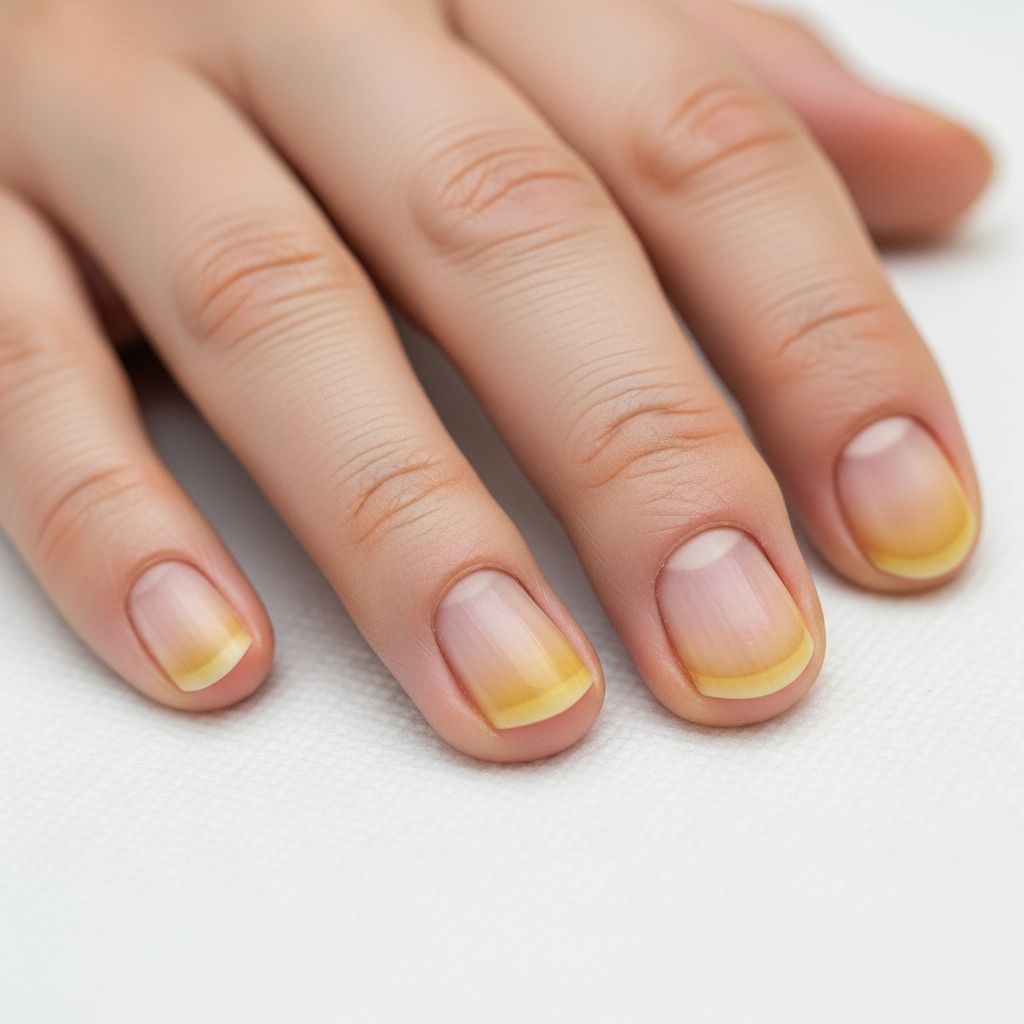
Yellow nails are a common concern that can affect anyone, regardless of age or gender. While the discoloration is often temporary and caused by external factors, persistent yellowing of the nails may indicate an underlying health condition that requires medical attention. Understanding the causes of yellow nails and knowing when to seek professional help can protect your overall health and restore the appearance of your nails.
What Causes Yellow Nails?
Yellow nails can result from various causes, ranging from cosmetic issues to serious health conditions. The key is determining whether the yellowing is temporary or persistent. If your nails are yellowed due to external staining from nail polish or dyes, new nail growth should emerge in a healthy, clear color as the stained nail grows out. However, if new growth remains yellow, this signals an underlying issue that warrants investigation.
Cosmetic and External Causes
Nail Polish and Acetone Removers: One of the most common causes of yellow nails is frequent use of colored nail polish and acetone-based removers. Certain nail polish shades—particularly darker colors—can stain the nail plate, creating a white-yellow discoloration that appears purely cosmetic and is not harmful. This type of staining is very common among regular nail polish users and will naturally grow out over time as new, healthy nail grows in.
Acrylic Nails: Acrylic nails can also contribute to yellowing, especially if worn continuously without breaks. Dermatologists recommend taking periodic breaks from acrylic applications to allow your natural nails to recover and breathe.
Smoking: Tobacco use is another external cause of yellow nails. Smoking can stain nails and give them a distinctive yellowish hue due to tar and nicotine residue.
Fungal Infections
Fungal infections, also known as onychomycosis, are among the most common medical causes of yellow nails. The discoloration typically occurs because the fungal infection causes thickening and deformity of the nail plate. Fungal infections are more commonly seen in toenails than fingernails, and the condition can worsen with tight-fitting shoes or trauma to the nails. Many people with nail fungus may also have athlete’s foot, as the infections are related. The most common fungal infection is caused by organisms from the *Trichophyton* family.
Nutritional Deficiencies
Yellow nails can sometimes indicate vitamin or mineral deficiencies. Introducing a multivitamin supplement to your daily regimen may help address this issue. Vitamin E, in particular, plays an important role in maintaining healthy nails by helping cells retain moisture and promoting a healthier appearance.
Serious Health Conditions
While less common, persistent yellow nails can indicate more serious underlying conditions:
- Thyroid Conditions: Thyroid disorders can manifest as yellow nail discoloration.
- Psoriasis: This autoimmune skin condition can cause nail changes, including yellowing, thickening, and ridging.
- Diabetes: People with diabetes often experience dry, thickened nails that can become discolored and brittle. These nails are more susceptible to fungal infections.
- Liver Disease: Yellowing of nails and skin can occur with underlying liver disease and jaundice.
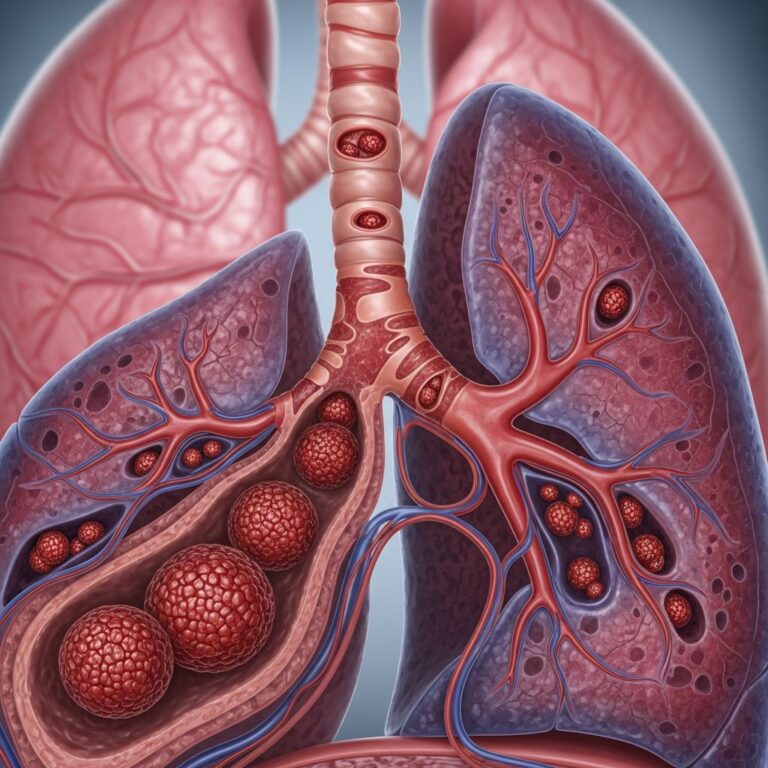
- Respiratory and Lymphatic Problems: Yellow nail syndrome (YNS) is a rare systemic disease characterized by continually yellow nails accompanied by respiratory breathing problems and lymphedema.
- Skin Cancer: In rare cases, yellow nails can indicate the presence of skin cancer.
- Chronic Lung Conditions: Internal malignancies and lymphatic obstructions can also present with yellow nails.
- Rheumatoid Arthritis: This inflammatory condition may occasionally cause nail discoloration.
Related Stories



Home Remedies and Treatment Options
The appropriate treatment for yellow nails depends entirely on the underlying cause. Before pursuing medical intervention, several home remedies can be effective for mild cases of discoloration.
Tea Tree Oil
If your nails are discolored due to a bacterial infection or fungus, tea tree oil offers an accessible treatment option. Mix one or two drops of tea tree oil with a carrier oil such as olive oil, coconut oil, or jojoba oil, and apply the mixture directly to the affected nail. Research has demonstrated that tea tree oil can effectively stop common strains of nail fungus from growing, making it a popular natural remedy.
Vitamin E Treatment
Vitamin E is renowned for helping cells retain moisture and promoting a healthier appearance in skin, hair, and nails. This vitamin has been clinically studied as a successful treatment for yellow nail syndrome specifically. Vitamin E stimulates healthy nail growth and can be applied topically or taken orally to promote faster and healthier nail growth. For yellow nail syndrome—a condition that causes nails to become discolored, ridged, and thick—vitamin E supplementation may provide relief.
Diluted Vinegar Soaks
For nail polish staining specifically, soaking your nails in diluted vinegar (one part vinegar to four parts water) can help reduce yellowing. This simple remedy works best for cosmetic discoloration and should be used regularly as part of your nail care routine.
Giving Your Nails a Break
If yellowing is caused by nail polish or acrylic nails, the most effective remedy is simply taking a break from these products. Allow your nails time to recover and grow out healthy. Avoid acetone-based nail polish removers, as acetone can contribute to staining and damage.
Medical Treatments and Prescription Options
When home remedies prove ineffective, prescription medications may be necessary, particularly for fungal infections.
Oral Antifungal Medications
For fungal infections, oral prescriptions such as terbinafine (Lamisil) or itraconazole (Sporanox) can be highly effective. However, it’s important to note that the FDA has flagged both of these medications as potentially dangerous to the liver for long-term use. Common side effects include diarrhea and abdominal pain. These oral medications typically take weeks to months to show results, as healthy nail growth gradually replaces the yellowed appearance. Additionally, no oral or topical antifungal is 100 percent effective, and recurrence of nail fungus is common.
For full eradication of fungal infections, systemic medication typically needs to be prescribed for at least three months. Current antifungal treatments have cure rates of generally 50-60%, meaning some patients may need to repeat the course of treatment and still not achieve complete resolution.
Topical Antifungal Treatments
Ciclopirox (Penlac Nail Lacquer) serves as an alternative prescription treatment that is applied to the nail much like traditional nail polish. This topical option may be preferred by patients concerned about oral medication side effects, though topical treatments alone are generally less effective than oral medications for treating fungal infections.
Addressing Specific Conditions
Psoriasis-Related Nail Changes
Psoriatic nails are best treated with systemic medications specifically designed for psoriasis. A dermatologist can tailor treatment based on how many nails are affected and whether there is skin or joint involvement. For cases limited to nails only, steroid injections directly into the nail cuticle (intralesional steroid injections) may be effective. When psoriasis involves widespread skin changes or psoriatic arthritis alongside nail changes, systemic medications become necessary. Newer biologic agents, such as ixekizumab, have shown promise for treating widespread skin and nail involvement.
Onycholysis (Nail Lifting)
Onycholysis occurs when the tip of the nail plate lifts away from the nail bed, creating a white or yellow appearance as the nail bed becomes exposed to air. This condition commonly results from trauma or psoriasis and can also be a side effect of certain medications. People in occupations involving frequent hand work—such as butchers, food handlers, and hairdressers—frequently experience this condition. Prevention involves avoiding trauma to nails, wearing protective gloves, and avoiding wet or harsh chemical exposure. Keep nails trimmed neatly and avoid cleaning under the nails, as this can worsen the condition.
Diabetes-Related Nail Changes
People with diabetes often struggle with dry skin, and nails can become similarly affected, becoming thickened, discolored, brittle, and prone to crumbling. These nails are particularly susceptible to fungal infections, which leads to further thickening and yellowing. Management involves maintaining better glucose control, treating any underlying fungal infection, and coordinating nail care with a podiatrist.
Yellow Nail Syndrome
Yellow nail syndrome is a rare systemic disease characterized by yellow toenails and fingernails alongside systemic symptoms including respiratory problems and lymphedema (leg swelling). Currently, there is no effective treatment for the nails themselves. Treatment focuses on addressing the systemic symptoms related to respiratory issues and peripheral edema.
When to See a Doctor
After attempting home treatments, your condition should begin to improve within 10 days to two weeks. If the yellowing persists beyond this timeframe, schedule an appointment with your doctor. Your healthcare provider can run tests to determine whether the yellow nails result from fungus, yeast, bacterial infection, or a more serious underlying condition.
Seek immediate medical attention if you develop new darkly colored streaks in the nail, as this may indicate a more serious condition. You may need to be referred to a dermatologist for specialized evaluation and treatment, especially if multiple nails are affected or if systemic symptoms are present.
Prevention Strategies
Preventing yellow nails involves protecting your nails from both external damage and infection:
- Take regular breaks from nail polish and acrylic nails to allow natural recovery
- Use non-acetone nail polish removers when possible
- Keep nails dry and avoid prolonged moisture exposure
- Wear comfortable, properly fitted shoes to reduce nail trauma and fungal infection risk
- Avoid tight-fitting shoes that can worsen fungal infections
- Wear protective gloves when working with hands or harsh chemicals
- Maintain good foot and nail hygiene
- Treat underlying conditions like athlete’s foot promptly
- Ensure adequate nutrition, including sufficient vitamin E and other essential nutrients
- Avoid smoking, which can stain and damage nails
- Practice good diabetes management if you have this condition
Frequently Asked Questions
Q: How long does it take for yellow nails to grow out?
A: Nails grow slowly, typically taking several months to completely grow out. If the yellowing is from external staining, new growth should emerge in a healthy color. If you’re treating a fungal infection, it may take three to six months of consistent treatment for significant improvement.
Q: Are yellow nails always a sign of fungal infection?
A: No, yellow nails can result from many causes, including nail polish staining, nutritional deficiencies, smoking, and serious health conditions. Only a healthcare provider can determine the actual cause through examination and testing.
Q: Can yellow nails be cured naturally?
A: Some cases of yellow nails caused by external factors can resolve with home remedies like taking breaks from nail polish, vitamin E supplementation, and tea tree oil application. However, if the yellowing is caused by fungal infection or an underlying health condition, professional medical treatment is typically necessary.
Q: Is yellow nail syndrome serious?
A: Yellow nail syndrome is a rare condition but can be serious as it involves systemic symptoms including respiratory problems and lymphedema. Medical attention is necessary for managing these symptoms.
Q: Should I stop wearing nail polish if my nails are yellow?
A: Yes, taking a break from nail polish allows your nails to recover, especially if the yellowing is caused by staining. Give your nails at least a few weeks to a few months without polish to assess whether the discoloration improves.
References
- Yellow Nails: Causes, Treatment and Prevention — Healthline. May 4, 2023. https://www.healthline.com/health/yellow-nails
- What Can You Do About Yellow Nails? — Ohio State Health & Discovery. https://health.osu.edu/health/skin-and-body/yellowing-fingernails
- 10 Things Your Nails Can Tell You About Your Health — TIME Magazine. https://time.com/4126454/nail-health-signs/
Similar Articles








Read full bio of Sneha Tete