Yerba Mate Benefits: 7 Science-Backed Health Gains
Discover the science-backed health benefits of yerba mate, from boosting energy to supporting heart health and weight management.
Yerba mate, a traditional South American herbal tea derived from the leaves of the Ilex paraguariensis plant, has gained global popularity for its unique nutritional profile and potential health advantages. Packed with antioxidants, caffeine, and bioactive compounds, it provides sustained energy without the typical coffee jitters.
What Is Yerba Mate?
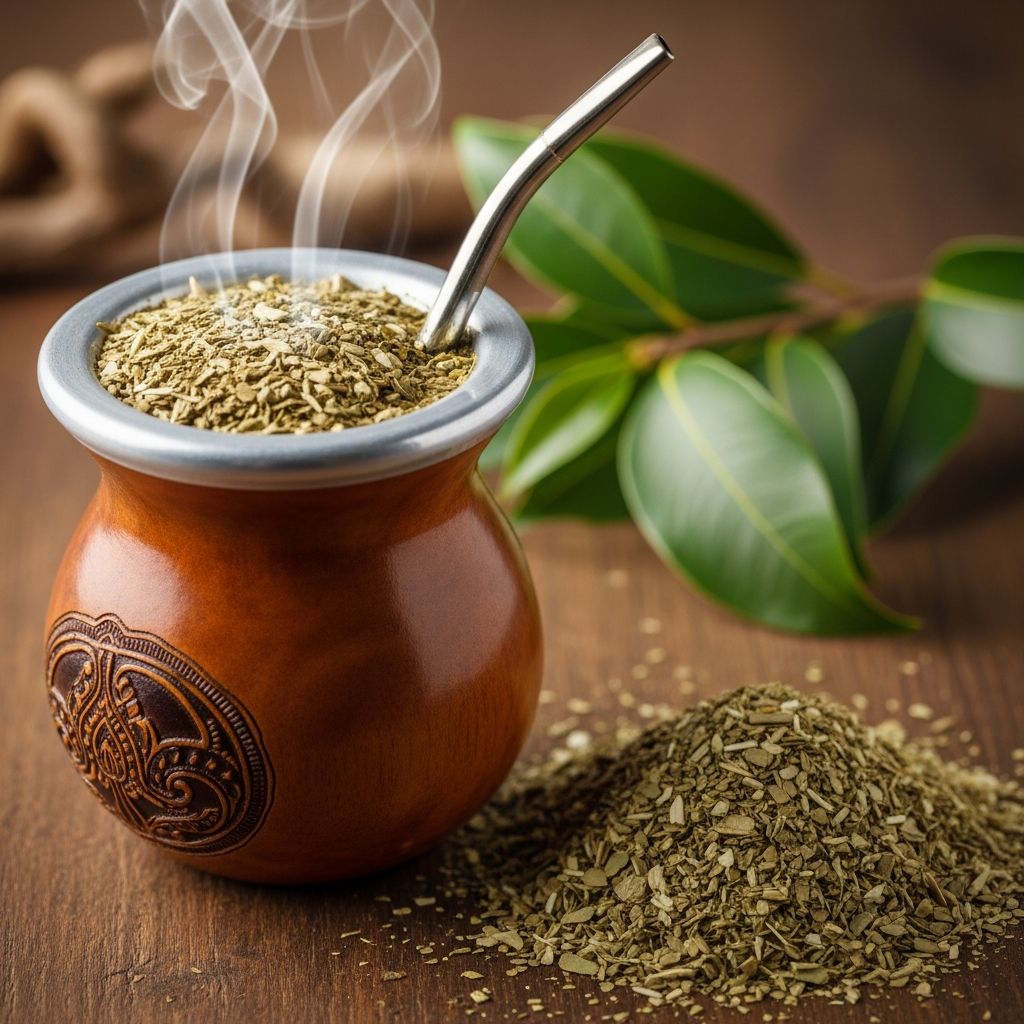
Yerba mate is made by drying the leaves and stems of the Ilex paraguariensis plant over fire, then steeping them in hot water. Native to South America, particularly Paraguay, Brazil, and Argentina, it has been consumed for centuries in social rituals using a gourd and metal straw called a bombilla. Unlike typical teas, it contains about 80mg of caffeine per cup, comparable to coffee, along with theobromine for smoother stimulation.
Nutritionally, yerba mate stands out with xanthines (caffeine, theobromine), caffeoyl derivatives (key antioxidants), saponins (anti-inflammatory and cholesterol-lowering), and polyphenols linked to disease prevention. It also provides vitamins A, C, E, B vitamins, and minerals like magnesium, potassium, and manganese.
7 Health Benefits of Yerba Mate
1. Rich in Antioxidants and Nutrients
Yerba mate is loaded with powerful antioxidants that combat oxidative stress and inflammation. Caffeoyl derivatives and polyphenols protect cells from damage, potentially reducing chronic disease risk. Saponins contribute anti-inflammatory effects and may lower cholesterol. Studies confirm its antioxidant capacity rivals green tea, with unique compounds setting it apart.
- Xanthines: Stimulants like caffeine and theobromine for energy.
- Caffeoyl derivatives: Primary antioxidants promoting health.
- Saponins: Bitter compounds with anti-inflammatory properties.
- Polyphenols: Linked to lower disease risk.
2. Can Boost Energy and Improve Mental Focus
With roughly 80mg caffeine per cup, yerba mate enhances alertness and reduces fatigue by influencing brain signaling molecules. Users report sustained focus without jitters or crash, thanks to theobromine’s synergy with caffeine. This makes it ideal for mental clarity during work or study.
Research supports its role in improving cognitive function, with testimonials highlighting smoother energy compared to coffee.
3. May Improve Physical Performance
Yerba mate’s caffeine content boosts physical endurance by mobilizing fatty acids for fuel and delaying fatigue. Studies show it enhances performance in activities like cycling or running, increasing time to exhaustion. Combined with its antioxidants, it supports recovery and reduces exercise-induced oxidative damage.
4. May Help Fight Infections
Antioxidant and antimicrobial properties in yerba mate may inhibit bacterial growth, including strains resistant to antibiotics. In vitro studies demonstrate its potential against infections, though human trials are limited. Its saponins and polyphenols contribute to immune support.
5. May Help You Lose Weight and Belly Fat
Evidence suggests yerba mate aids weight management by reducing fat cell numbers and lipid content. It increases metabolism via caffeine and signals fat production reduction. A study of individuals with high BMI found yerba mate supplements lowered body fat over 12 weeks. Paired with diet, it enhances fat oxidation.
| Study Details | Findings |
|---|---|
| 12-week supplement trial | Reduced body fat and BMI |
| Metabolism boost | Increased fat burning |
Related Stories



6. Lowers Blood Sugar Levels
Yerba mate may improve insulin sensitivity and lower fasting glucose. In diabetics drinking 11oz daily, hemoglobin A1C and fasting levels dropped significantly. It reduces serum lipids and advanced glycation end products (AGEs), aiding diabetes management. Animal studies confirm blood sugar reduction dose-dependently.
7. May Lower Your Risk of Heart Disease
Antioxidants like polyphenols reduce LDL cholesterol and triglycerides. A 2019 study showed 12 weeks of yerba mate lowered total and LDL cholesterol in overweight women, especially with low-calorie diets. It blocks cholesterol absorption and inhibits synthesis, benefiting those on statins.
Additional benefits include blood pressure reduction and anti-inflammatory effects from polyphenols.
How to Prepare Yerba Mate
Traditional preparation uses a gourd (mate) filled with ½-¾ dry leaves, topped with hot water (not boiling, around 150-180°F to preserve nutrients). Insert bombilla, sip, and refill 10-15 times. Modern options include tea bags or French press. Start with 1-2 cups daily.
- Cure the gourd for flavor.
- Use water at 70-80°C.
- Avoid metal utensils with acidic brews.
Side Effects and Risks
Moderate intake is safe, but high doses risk insomnia, anxiety, or digestive issues from caffeine. Hot yerba mate consumption links to esophageal cancer risk due to thermal injury, not the plant—use cooler water. Pregnant individuals should limit to 200mg caffeine daily. Those with acid reflux or on medications consult doctors. Long-term high intake may increase cancer risk, per some studies.
- Caffeine sensitivity: Jitters, heart palpitations.
- Hot beverage risk: Esophageal damage.
- Interactions: With MAOIs or stimulants.
Frequently Asked Questions (FAQs)
Is yerba mate healthier than coffee?
Yerba mate provides similar caffeine with added antioxidants and smoother energy, potentially fewer jitters. Both have benefits, but yerba mate excels in polyphenols.
Can yerba mate help with weight loss?
Yes, studies show it reduces body fat, BMI, and boosts metabolism, especially with diet and exercise.
Does yerba mate lower cholesterol?
Research confirms reductions in LDL and total cholesterol, enhancing statin effects.
Is yerba mate safe every day?
1-2 cups daily is generally safe for healthy adults; monitor caffeine intake.
How much caffeine in yerba mate?
About 80mg per cup, similar to coffee.
Can diabetics drink yerba mate?
Yes, it may lower blood sugar and A1C levels.
Yerba mate offers a compelling blend of tradition and science-backed benefits. Incorporate it mindfully for optimal health gains.
References
- 7 Health Benefits of Yerba Mate (Backed by Science) — Healthline. 2025-02-07. https://www.healthline.com/nutrition/8-benefits-of-yerba-mate
- Yerba Mate Benefits and Risks: 8 Health Facts to Consider — GoodRx. https://www.goodrx.com/health-topic/latine-health/yerba-mate-benefits
- Yerba Mate 101: History, Benefits, and Brewing Essentials — Rupa Health. https://www.rupahealth.com/post/yerba-mate-101-history-benefits-and-brewing-essentials
- Yerba Mate—A Long but Current History — PMC – PubMed Central. 2021-11-15. https://pmc.ncbi.nlm.nih.gov/articles/PMC8622869/
- Yerba mate: Is it safe to drink? — Mayo Clinic. https://www.mayoclinic.org/healthy-lifestyle/nutrition-and-healthy-eating/expert-answers/yerba-mate/faq-20058343
Similar Articles








Read full bio of medha deb