Yerba Mate Vs Green Tea: 7 Key Differences Explained
Discover which herbal infusion—Yerba Mate or green tea—offers superior antioxidants, energy, and health benefits for your daily routine.
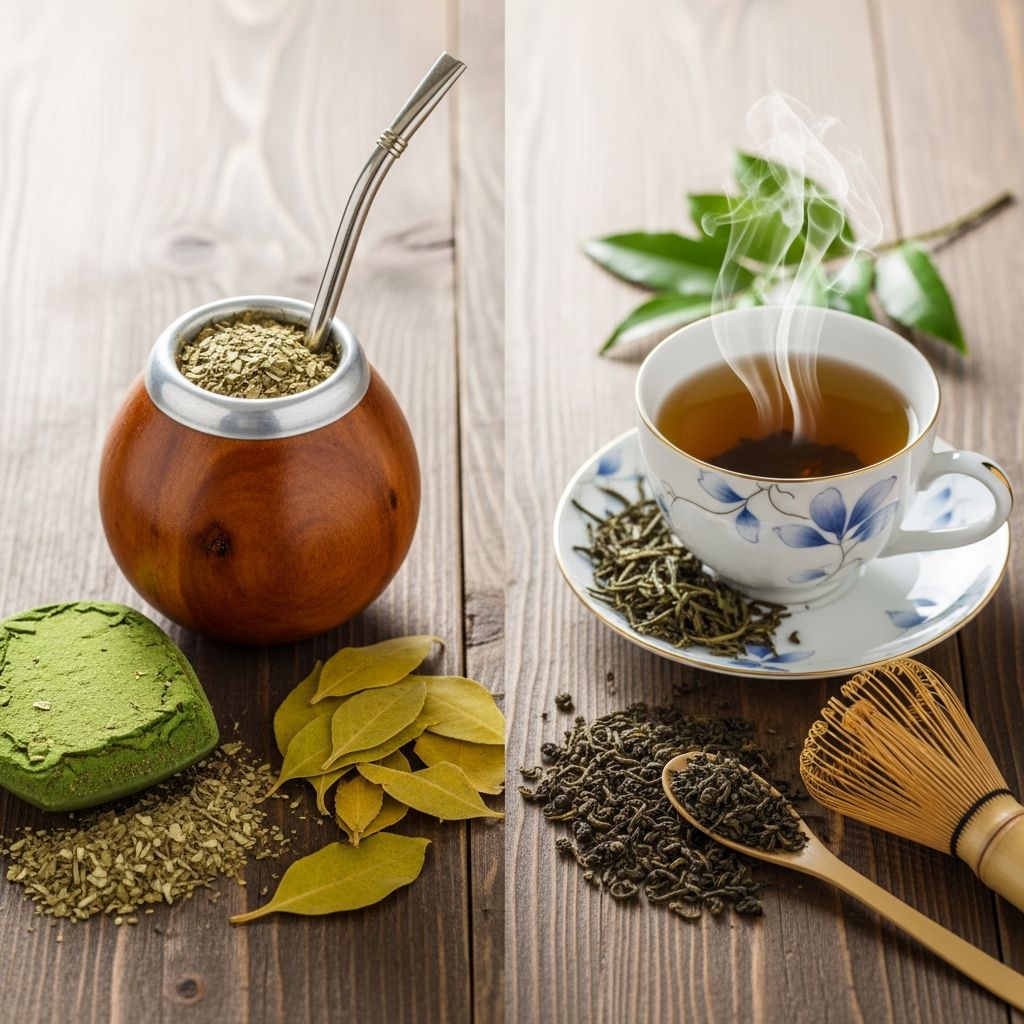
Yerba mate and green tea are both popular beverages renowned for their health-promoting properties, but they differ significantly in antioxidants, caffeine levels, nutritional profiles, and effects on the body. This comprehensive comparison examines their origins, key compounds, benefits, and practical considerations to help you decide which suits your lifestyle best.
What Is Yerba Mate?
Yerba mate is a traditional South American drink derived from the leaves of the Ilex paraguariensis plant, native to regions like Argentina, Brazil, and Paraguay. It is typically prepared by steeping dried leaves in hot water and consumed from a gourd using a metal straw called a bombilla. Unlike typical teas, yerba mate offers a robust, earthy flavor with natural stimulating effects due to its caffeine content and unique compound profile.
Historically consumed for centuries in social rituals, yerba mate provides sustained energy without the crash often associated with coffee. Its rich composition includes vitamins, minerals, and antioxidants that contribute to various health benefits.
What Is Green Tea?
Green tea comes from the Camellia sinensis plant, primarily grown in East Asia, especially China and Japan. The leaves are minimally processed—steamed or pan-fried to prevent oxidation—preserving their vibrant green color and potent compounds. It is brewed simply by steeping in hot water and enjoyed worldwide for its mild, grassy taste.
Celebrated in tea ceremonies and daily routines, green tea has been linked to longevity and disease prevention in traditional medicine. Its fame stems from high levels of catechins, particularly EGCG, a powerful antioxidant.
Antioxidants in Yerba Mate vs. Green Tea
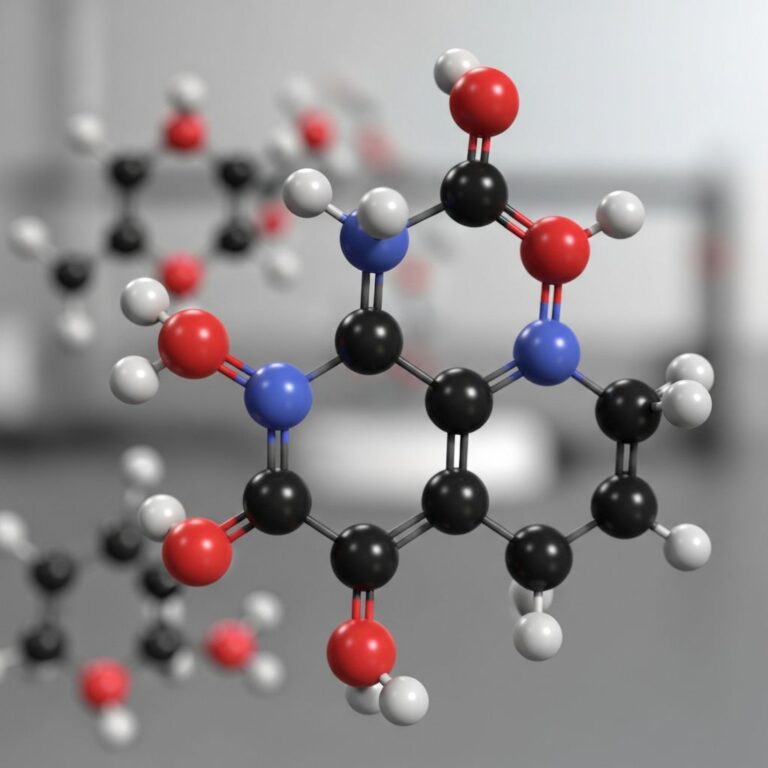
Both beverages excel in antioxidant content, which combats oxidative stress and cell damage from free radicals. However, their primary antioxidants differ: green tea’s star is epigallocatechin-3-gallate (EGCG), while yerba mate features chlorogenic acid, akin to that in green coffee beans.
EGCG in green tea supports slowed aging, enhanced cognitive function, better heart health, accelerated fat oxidation for weight loss, and inhibition of tumor growth in organs like the stomach, liver, colon, and lungs. Chlorogenic acid in yerba mate aids in reducing blood pressure, exhibiting antibacterial effects, lowering cholesterol, boosting cognition, decreasing cancer cells, and stabilizing blood sugar.
Studies indicate yerba mate may have a higher overall antioxidant concentration than green tea, potentially making it more effective against oxidative stress. For instance, yerba mate’s polyphenols and unique acids like 3,5-dicaffeoylquinic acid outperform green tea’s EGCG in certain anti-cancer assays.
Nutritional Comparison
Yerba mate boasts 196 active compounds, surpassing green tea’s 144. It contains 24 vitamins and minerals, including A, B1, B3, B5, C, E, calcium, magnesium, iron, phosphorus, and selenium, plus 15 amino acids, fatty acids, flavonoids, polyphenols, and chlorophyll.
Green tea, while nutrient-dense, focuses more on catechins, flavonoids, and polyphenols, with fewer vitamins and minerals overall. Both provide protective compounds, but yerba mate’s broader spectrum supports comprehensive nutrition.
Related Stories



| Nutrient/Compound | Yerba Mate | Green Tea |
|---|---|---|
| Active Compounds | 196 | 144 |
| Vitamins & Minerals | 24 (A, B-complex, C, E, etc.) | Fewer, mainly via catechins |
| Key Antioxidant | Chlorogenic acid | EGCG |
| Other Benefits | Amino acids, fatty acids | Flavonoids, polyphenols |
Caffeine Content
Yerba mate delivers higher caffeine—about 370mg per 50g brewed in 500ml water—compared to green tea’s 30-60mg per cup, providing stronger, sustained energy without coffee-like jitters. This makes yerba mate ideal for focus and endurance, while green tea offers gentle stimulation.
- Yerba Mate: Robust energy boost, mental clarity, euphoria.
- Green Tea: Calming alertness, L-theanine synergy with caffeine.
Health Benefits Comparison
Yerba Mate Benefits
- High antioxidants reduce oxidative stress and inflammation.
- Supports heart health by lowering LDL cholesterol and blood pressure.
- Promotes digestion and gastrointestinal health.
- Aids weight management via fat metabolism and appetite control.
- Enhances cognition, mental clarity, and sustained energy.
- Potential anti-cancer effects from unique acids.
Green Tea Benefits
- Powerful EGCG for anti-aging and tumor inhibition.
- Improves heart health and fat oxidation.
- Boosts cognitive function and metabolism.
- Antioxidant protection against chronic diseases.
Yerba mate edges out in nutrient diversity and energy, while green tea shines in specific antioxidant potency.
Taste and Preparation
Yerba mate has a bold, smoky, grassy taste, prepared traditionally in a gourd with multiple infusions for evolving flavors. Green tea is lighter, vegetal, and simpler to brew in a cup.
- Yerba Mate: Social, ritualistic; hot water at 70-80°C.
- Green Tea: Versatile (hot/cold); 80-85°C to avoid bitterness.
Side Effects and Safety
Both are safe in moderation, but high yerba mate intake links to rare cancer risks when very hot; green tea may cause issues for caffeine-sensitive individuals. Limit to 3-4 cups daily. Pregnant people should consult doctors due to caffeine.
Which One Should You Choose?
Choose yerba mate for nutrient-rich energy and broad benefits; opt for green tea for gentle antioxidants and calm focus. Many alternate both for complementary effects.
Frequently Asked Questions (FAQs)
Is yerba mate better than green tea?
Yerba mate often surpasses green tea in antioxidant count, nutrients, and sustained energy, but both offer unique benefits.
Does yerba mate have more caffeine than green tea?
Yes, yerba mate provides significantly more caffeine for longer-lasting stimulation without crashes.
Can yerba mate help with weight loss?
Its chlorogenic acid and caffeine enhance fat metabolism and appetite control, supporting weight management.
Is yerba mate safe to drink daily?
Yes, in moderation (2-3 servings), but avoid scalding hot to minimize risks.
How do you prepare yerba mate vs. green tea?
Yerba mate uses a gourd and bombilla for repeated brews; green tea is steeped briefly in a cup.
References
- Yerba Mate vs. Green Tea: Which Drink Is Better? — Yerba Crew. 2023. https://yerbacrew.com/blogs/guides/yerba-mate-vs-green-tea-which-drink-is-better
- Is Yerba Mate Green Tea? Key Differences Explained — Matecaps. 2024. https://matecaps.com/blogs/yerba-country/is-yerba-mate-green-tea-key-differences-explained
- Green Tea vs Yerba Mate — Circle of Drink. 2023. https://circleofdrink.com/blogs/blog/green-tea-vs-yerba-mate
- Yerba Mate vs. Green Tea: What You Need to Know — Infuse Skincare. 2024. https://infuse-skin.com/blogs/news/yerba-mate-vs-green-tea-what-you-need-to-know
- Yerba mate is healthier than green tea — Taragui. 2023. https://www.taragui.com/en/post/yerba-mate-is-healthier-than-green-tea
- Yerba Mate: A Tea for Energy and More — Tealeavz. 2024. https://tealeavz.com/blogs/tea-talk/yerba-mate-a-tea-for-energy-and-more
Similar Articles








Read full bio of medha deb