Yoga for Better Sleep: Science-Backed Benefits
Transform your sleep quality with yoga practices backed by Harvard research.
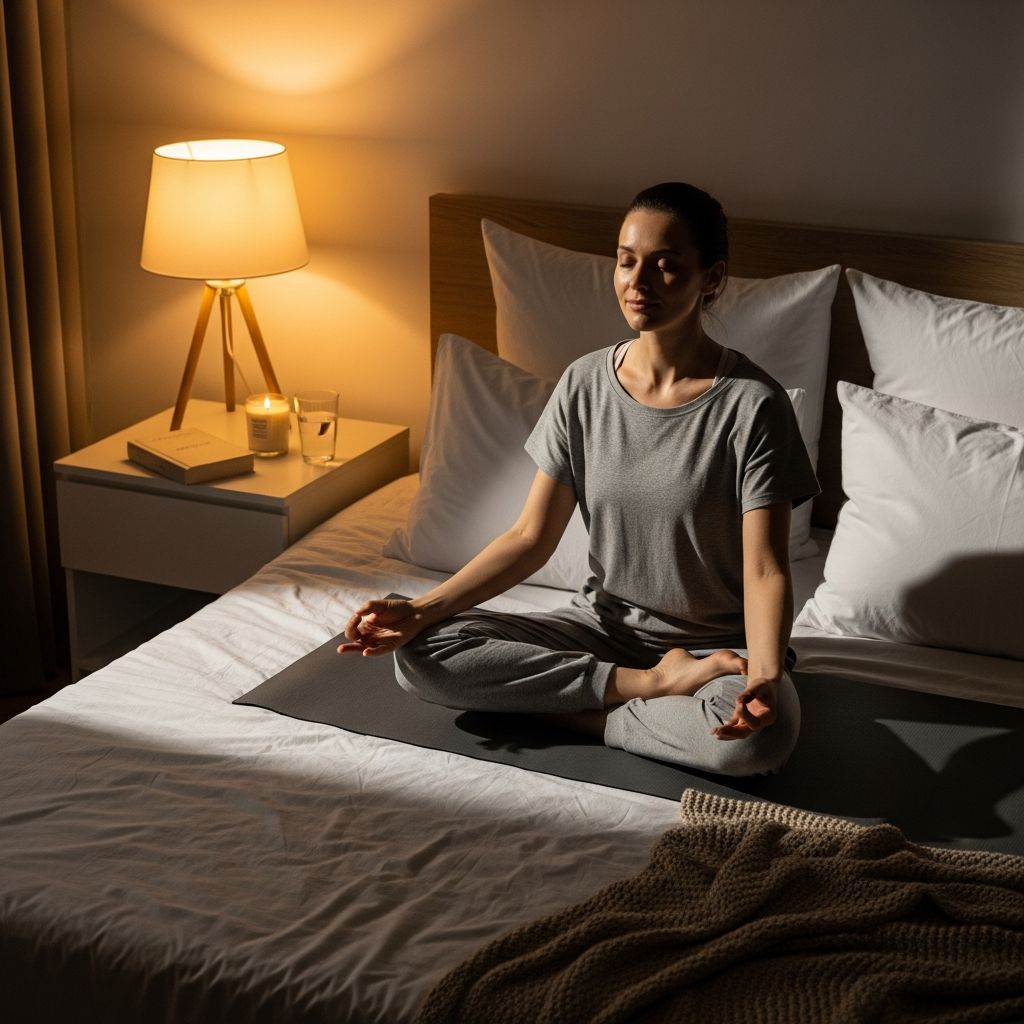
Yoga for Better Sleep: A Comprehensive Guide
Sleep is one of the most essential pillars of good health, yet millions of people struggle with insomnia and poor sleep quality every night. While many turn to medication as a first resort, emerging research suggests that a natural, time-tested practice offers remarkable benefits: yoga. Clinical trials conducted at Harvard Medical School have demonstrated that yoga can be as effective—if not more so—than pharmaceutical interventions for sleep disorders. This comprehensive guide explores the science behind yoga’s sleep-enhancing properties and provides practical techniques you can implement immediately.
Understanding the Sleep Crisis
In today’s fast-paced world, quality sleep has become increasingly elusive. Stress, anxiety, racing thoughts, and poor sleep habits contribute to a epidemic of sleep deprivation affecting people across all age groups. The American sleep recommendations suggest that adults should aim for seven to eight hours of quality sleep each night, yet many fall far short of this target. Poor sleep doesn’t just leave you feeling tired—it undermines immune function, metabolic health, mental clarity, and emotional resilience. Traditional pharmaceutical approaches to insomnia often come with side effects and dependency risks, making natural alternatives like yoga increasingly appealing.
The Harvard Research on Yoga and Sleep
Dr. Sat Bir Singh Khalsa, Associate Professor of Medicine at Harvard Medical School, has been conducting groundbreaking research on sleep and yoga since 1985. His clinical trials have yielded impressive findings that challenge conventional approaches to sleep disorders. The research tested a simple yoga protocol specifically designed for people with chronic insomnia, measuring multiple dimensions of sleep quality.
Key Findings from Clinical Trials
The Harvard research documented statistically significant improvements across numerous sleep metrics:
- Sleep efficiency increased substantially
- Total sleep time extended significantly
- Total wake time decreased
- Sleep onset latency (time to fall asleep) reduced to the ideal 10-20 minute range
- Wake time after sleep onset decreased
- Number of nighttime awakenings reduced
- Overall sleep quality improved markedly
These results demonstrate that yoga doesn’t just help you fall asleep faster—it fundamentally improves the architecture and quality of your sleep throughout the entire night. Additionally, research on high school students showed that regular yoga and deep breathing helped them fall asleep faster, increased their resilience to stress, and reduced post-traumatic stress symptoms.
Why Yoga Outperforms Traditional Sleep Aids
Dr. Khalsa emphasizes that “yoga has things to offer that medicine doesn’t and is better than a pill approach for insomnia.” This statement reflects a fundamental difference in how yoga addresses sleep problems compared to pharmaceutical interventions. While sleep medications typically work by inducing drowsiness, yoga addresses the root causes of sleep disruption.
The Stress-Sleep Connection
One of the primary reasons yoga proves so effective is its ability to reduce stress and negative thought patterns. Stress and anxiety are among the most common culprits behind insomnia. When stress hormones like cortisol and adrenaline remain elevated in the evening, they keep your nervous system in a heightened state of alert, making sleep nearly impossible. Yoga breaks this cycle through multiple mechanisms working synergistically.
Related Stories



The Nervous System and Sleep Physiology
Understanding how yoga affects your nervous system illuminates why this practice works so well for sleep. Your autonomic nervous system has two primary modes: the sympathetic nervous system (fight-or-flight) and the parasympathetic nervous system (rest-and-digest). For quality sleep, your parasympathetic nervous system must dominate.
How Yoga Rebalances Your Nervous System
Regular yoga practice leads to readjustment of the nervous system and restoration of emotional stability. During deep yogic breathing, several physiological changes occur simultaneously:
- The breath naturally slows and deepens
- The parasympathetic nervous system activates, signaling safety to your body
- Respiratory muscles strengthen, improving oxygen saturation
- Upper airway muscles strengthen, reducing sleep disturbances
- Heart rate decreases, promoting relaxation
- Physiological arousal decreases significantly
In people with high stress levels, cortisol and adrenaline remain elevated, actively preventing sleep onset. Yoga’s multifaceted approach addresses this directly by calming the entire nervous system through coordinated breathing, mindful movement, and conscious relaxation.
Core Benefits of Yoga for Sleep
Beyond the nervous system effects, yoga offers several distinct advantages for sleep quality:
Mind-Body Awareness and Thought Management
Yoga practice increases mind-body awareness and helps you change negative thought patterns through mindfulness. Many people who struggle with insomnia experience racing thoughts or catastrophic thinking that prevents sleep. Through yoga, you develop the capacity to observe these thoughts without judgment and redirect your mental focus toward calm awareness. This cognitive shift often proves more powerful than any medication.
Reduced Anxiety and Emotional Regulation
Research indicates that yoga results in people with anxiety disorders sleeping more soundly for longer durations and reducing tossing and turning. The combination of physical postures, breathing techniques, and meditation trains your nervous system to remain calm even when faced with stressors. This enhanced emotional regulation extends far beyond the bedroom, improving your overall quality of life.
Physical and Chemical Changes
Yoga practice triggers multiple beneficial physiological changes:
- Release of endorphins, which lower stress and anxiety
- Regulation of circadian rhythms, your body’s internal clock
- Changes in body temperature that facilitate sleep onset
- Activation of the relaxation response, which affects gene expression related to inflammation and cellular health
The Best Yoga Practices for Sleep
The Bridge Pose: The Gold Standard
Dr. Khalsa identifies the bridge pose as the optimal yoga asana for sleep. This pose involves lifting your torso while lying on your back, supported by the strength of your legs and shoulders. The bridge pose offers multiple benefits: it gently stretches the front of your body, strengthens your legs and core, and calms your nervous system. Performing this pose for several minutes before bed can significantly improve your sleep quality.
Yoga Nidra: The Yoga of Sleep
Yoga nidra represents a specialized form of yoga specifically designed for deep relaxation and sleep. In Sanskrit, “nidra” means sleep. Unlike active yoga practices, yoga nidra guides practitioners into progressively deeper states of relaxation, moving from alpha brain waves (simple relaxation) toward theta waves (deeper meditative states) and potentially delta waves (deep sleep). Research shows that even in the alpha state, practitioners experience profound mental and physical health benefits, including reduced anxiety, depression, and insomnia.
Pranayama: The Power of Breath
Deep breathing practices, collectively known as pranayama, form a cornerstone of yoga’s sleep benefits. Dr. Khalsa recommends specific techniques like Shambhavi mudra—a practice involving deep breathing and gazing at your eyebrow center—which directly impacts the pineal gland that releases melatonin, the sleep-inducing hormone. Even simple deep breathing exercises performed for just ten minutes can calm your nervous system and prepare your body for sleep.
Intensity and Timing Considerations
While yoga powerfully improves sleep, the intensity and timing of practice matter significantly. Research indicates that moderate-intensity physical activities improve sleep quality more effectively than high-intensity exercise, particularly in evening hours. High-intensity exercise conducted more than 90 minutes before bedtime can actually interfere with sleep onset. Instead, practice gentle to moderate yoga in the evening, or perform more vigorous practices earlier in the day. This timing optimization ensures that your yoga practice enhances rather than disrupts your sleep.
Combining Yoga with Cognitive Behavioral Therapy
Dr. Khalsa’s research demonstrates enhanced results when yoga combines with cognitive behavioral therapy (CBT) for insomnia. CBT teaches you to identify and change thought patterns and behaviors that undermine sleep. When combined with yoga’s physical and breathing benefits, this integrated approach addresses insomnia from multiple angles simultaneously, providing comprehensive treatment that often surpasses medication alone.
Sleep Duration and Quality Standards
Contemporary sleep science has established that seven to eight hours represents the optimal sleep duration for adults. However, quantity matters less than quality. A person sleeping six hours of deeply restorative sleep may feel more refreshed than someone sleeping eight hours fitfully. Yoga improves both dimensions: it extends total sleep time while simultaneously deepening sleep quality, allowing you to wake feeling genuinely rested.
Frequently Asked Questions About Yoga for Sleep
How quickly does yoga improve sleep quality?
Many people notice improvements within the first week of regular practice. However, more substantial and lasting changes typically develop over four to eight weeks of consistent practice. Patience and consistency prove essential.
How long should I practice yoga for sleep benefits?
Even brief daily practice—as little as ten minutes—can produce meaningful improvements in sleep quality. However, practitioners typically experience more robust benefits from 20 to 45 minutes of practice. The key is consistency rather than duration.
When should I practice yoga for best sleep results?
Evening practice, performed one to three hours before bedtime, generally proves most effective. This timing allows your nervous system to settle into a calm state well before sleep onset. Morning or afternoon practice also benefits sleep, though the effects may be slightly less direct.
Can yoga replace sleep medication?
For many people, yoga becomes sufficiently effective to eliminate the need for medication. However, if you currently take sleep medication, consult your healthcare provider before making changes. Some people find that yoga allows them to reduce medication dosages gradually under medical supervision.
Which yoga style works best for sleep?
Gentle to moderate intensity styles like Hatha, Yin, and restorative yoga typically work best for sleep. More vigorous styles like Vinyasa or power yoga are excellent for daytime practice but may be too stimulating before bed.
Do I need to be flexible to benefit from yoga for sleep?
Flexibility is completely unnecessary. Yoga adapts to your current body and abilities. Focus on gentle stretching, breathing, and relaxation rather than achieving perfect poses.
Practical Implementation Guide
To harness yoga’s sleep-enhancing benefits, establish a consistent evening practice routine. Begin with five to ten minutes of deep breathing, gradually increasing to 20-30 minutes as you become comfortable. Include gentle stretches, the bridge pose, and finish with a five-minute relaxation period in corpse pose (savasana). This simple routine, practiced regularly, can transform your sleep quality within weeks. Consider supplementing your practice with yoga nidra recordings, which guide you through progressive relaxation, or combine your physical practice with cognitive techniques that address racing thoughts and anxiety.
References
- Yoga Better Than a Sleep Pill for Insomnia: What Are Takeaways from a Harvard Study? — The Indian Express. 2023-10-15. https://indianexpress.com/article/health-wellness/yoga-for-insomnia-harvard-study-9910426/
- The Effect of Physical Activity on Sleep Quality and Sleep Disorder — National Center for Biotechnology Information. 2023. https://pmc.ncbi.nlm.nih.gov/articles/PMC10503965/
- The Benefits of Yoga Nidra: The Yoga of Sleep — IDEA Health & Fitness Association. 2013. https://www.ideafit.com/the-benefits-of-yoga-nidra-the-yoga-of-sleep/
Similar Articles








Read full bio of medha deb