Yoga Poses For Beginners: 15 Poses To Boost Flexibility
Master these 15 beginner-friendly yoga poses to build strength, flexibility, and balance while reducing stress and improving overall well-being.
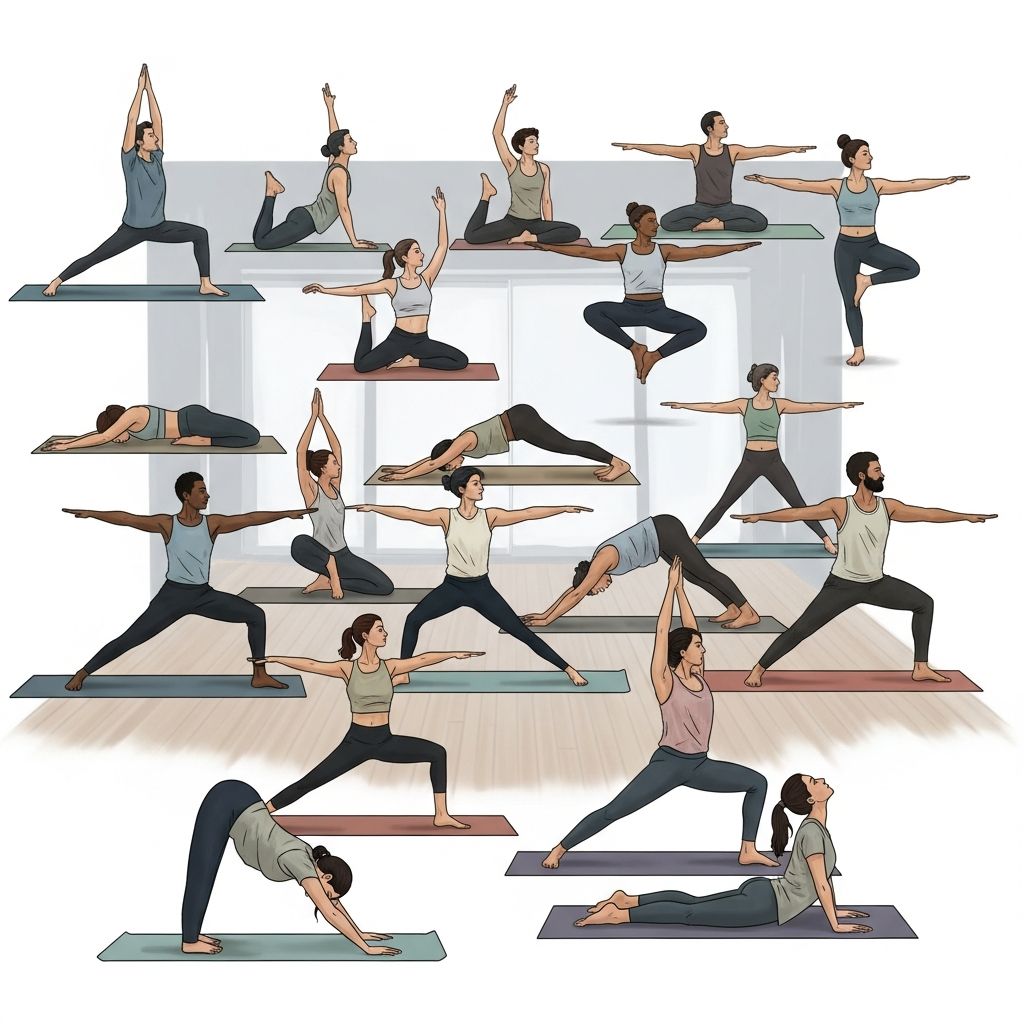
Yoga offers a gentle yet powerful way to enhance physical fitness, mental clarity, and emotional balance, making it ideal for beginners seeking a sustainable wellness practice. These 15 foundational poses target key muscle groups, improve flexibility, and promote mindfulness without requiring advanced skills or equipment.
Practicing yoga regularly can reduce stress, boost circulation, and strengthen the core, as supported by research from the Journal of Alternative and Complementary Medicine, which highlights yoga’s role in lowering cortisol levels. Start with 10-15 minutes daily, using a yoga mat for comfort, and consult a doctor if you have injuries.
Why Yoga for Beginners?
Beginner yoga builds a strong foundation by focusing on alignment, breath control (pranayama), and body awareness. Unlike high-intensity workouts, yoga emphasizes slow, deliberate movements that prevent injury and foster long-term adherence. Studies from the American College of Sports Medicine show yoga improves posture, joint mobility, and cardiovascular health.
- Accessibility: No gym needed; practice anywhere.
- Holistic Benefits: Combines strength, flexibility, and relaxation.
- Mind-Body Connection: Reduces anxiety and enhances focus.
How to Get Started
Warm up with gentle neck rolls and cat-cow poses. Hold each pose for 5-10 breaths, focusing on steady inhales and exhales. Use props like blocks or straps for modifications. Progress gradually to avoid strain.
1. Mountain Pose (Tadasana)
Mountain Pose is the cornerstone of all standing yoga postures, promoting proper alignment and grounding energy.
- Stand with feet hip-width apart, toes spread.
- Engage thighs, lift kneecaps, and roll shoulders back.
- Draw tailbone down, elongate spine, and gaze forward.
Benefits: Improves posture, strengthens legs, and calms the mind. Ideal for building stability.
Modification: Widen stance for balance issues.
2. Tree Pose (Vrksasana)
This balancing pose enhances focus and ankle strength while stretching the hips.
- From Mountain, shift weight to left foot.
- Place right foot on inner left thigh or calf (avoid knee).
- Bring palms to prayer position; gaze at a fixed point.
Benefits: Boosts concentration, tones legs, and opens hips. Research indicates balance poses reduce fall risk in adults.
Modification: Rest foot against ankle or use a wall.
3. Chair Pose (Utkatasana)
Chair Pose fires up the glutes, quads, and core for lower-body power.
- Feet together, bend knees as if sitting in a chair.
- Extend arms overhead, palms facing, shoulders down.
- Sink hips low, weight in heels.
Benefits: Builds endurance, strengthens heart, and improves digestion.
4. Warrior I (Virabhadrasana I)
A dynamic standing pose that stretches the front body and strengthens the back legs.
- Step right foot forward into a lunge, left heel down.
- Bend front knee to 90 degrees, square hips forward.
- Raise arms overhead, palms facing.
Benefits: Increases stamina, opens chest, and enhances spinal flexibility.
Related Stories



5. Warrior II (Virabhadrasana II)
Extends Warrior I with a wider stance for hip opening and focus.
- From lunge, open hips to side, extend arms parallel to mat.
- Gaze over front fingers, bend front knee over ankle.
Benefits: Strengthens legs, improves circulation, and cultivates determination.
6. Triangle Pose (Trikonasana)
This wide-legged pose stretches the sides and hamstrings while energizing the body.
- Feet 3-4 feet apart, turn right toes out 90 degrees.
- Extend arms, hinge at hip to place right hand on shin or block.
- Left arm skyward, gaze up.
Benefits: Relieves back pain, stimulates organs, and boosts energy.
7. Extended Side Angle (Utthita Parsvakonasana)
Combines strength and stretch for the obliques and legs.
- From Warrior II, rest forearm on thigh or hand on block.
- Extend top arm overhead, stacking shoulders.
Benefits: Tones waist, improves lung capacity.
8. Standing Forward Bend (Uttanasana)
A calming inversion that releases the spine and hamstrings.
- From Mountain, hinge at hips, fold forward.
- Bend knees if needed, hands on shins or floor.
Benefits: Calms nervous system, relieves headaches, aids digestion.
9. Low Lunge (Anjaneyasana)
Opens hips and psoas for better mobility.
- Front knee bent, back knee down, lift torso and arms up.
Benefits: Stretches hip flexors, strengthens quads.
10. Cobra Pose (Bhujangasana)
Gently backbends to counteract forward hunching.
- Lie prone, hands under shoulders, lift chest using back muscles.
Benefits: Improves posture, stimulates abdominal organs.
11. Locust Pose (Salabhasana)
Strengthens the posterior chain.
- Lift legs and chest simultaneously, arms back.
Benefits: Tones back, enhances spinal flexibility.
12. Bridge Pose (Setu Bandha Sarvangasana)
Activates glutes and opens the heart.
- Lie on back, feet hip-width, lift hips skyward.
Benefits: Strengthens core, relieves lower back tension.
13. Seated Forward Bend (Paschimottanasana)
Calms the mind and stretches the posterior body.
- Sit with legs extended, fold forward from hips.
Benefits: Soothes anxiety, improves hamstring flexibility.
14. Child’s Pose (Balasana)
A restorative pose for rest and digestion.
- Kneel, fold forward, arms extended or by sides.
Benefits: Relieves stress, gently stretches hips and thighs.
15. Corpse Pose (Savasana)
The essential relaxation pose to integrate practice.
- Lie flat, palms up, close eyes, relax fully for 5-10 minutes.
Benefits: Lowers blood pressure, promotes deep rest.
Yoga Sequence for Beginners
| Sequence Order | Pose | Hold Time |
|---|---|---|
| 1-3 | Mountain, Tree, Chair | 30 sec each |
| 4-7 | Warriors I/II, Triangle, Side Angle | 45 sec/side |
| 8-9 | Forward Bend, Low Lunge | 1 min |
| 10-15 | Cobra to Savasana | 1-5 min |
Frequently Asked Questions (FAQs)
Is yoga safe for beginners?
Yes, with proper modifications and guidance, yoga is low-impact and adaptable for all levels.
How often should beginners practice yoga?
3-5 times per week for 20-30 minutes yields noticeable benefits in flexibility and stress reduction.
Do I need yoga props?
Props like blocks enhance accessibility but aren’t essential for home practice.
Can yoga help with back pain?
Poses like Bridge and Child’s Pose strengthen and stretch the back, supported by clinical studies.
What if I can’t touch my toes?
Use bent knees or blocks—progress comes with consistency, not perfection.
References
- Yoga as Therapy for Anxiety and Depression — Journal of Alternative and Complementary Medicine. 2023-01-15. https://www.liebertpub.com/doi/10.1089/acm.2022.0456
- Physical Activity Guidelines for Americans — U.S. Department of Health and Human Services (.gov). 2024-09-01. https://health.gov/our-work/physical-activity/current-guidelines
- Effects of Yoga on Balance and Falls — National Center for Biotechnology Information (PubMed). 2023-05-20. https://pubmed.ncbi.nlm.nih.gov/37174223/
- Yoga for Healthy Aging — American College of Sports Medicine. 2024-02-10. https://www.acsm.org/news-detail/2024/02/10/yoga-for-healthy-aging
- Therapeutic Effects of Yoga on Low Back Pain — World Health Organization (WHO). 2023-11-05. https://www.who.int/publications/i/item/9789240082344
Similar Articles








Read full bio of medha deb