You Don’t Have to Be Underweight to Have an Eating Disorder
Eating disorders affect people of all sizes, debunking myths that only underweight individuals suffer from these serious mental health conditions.
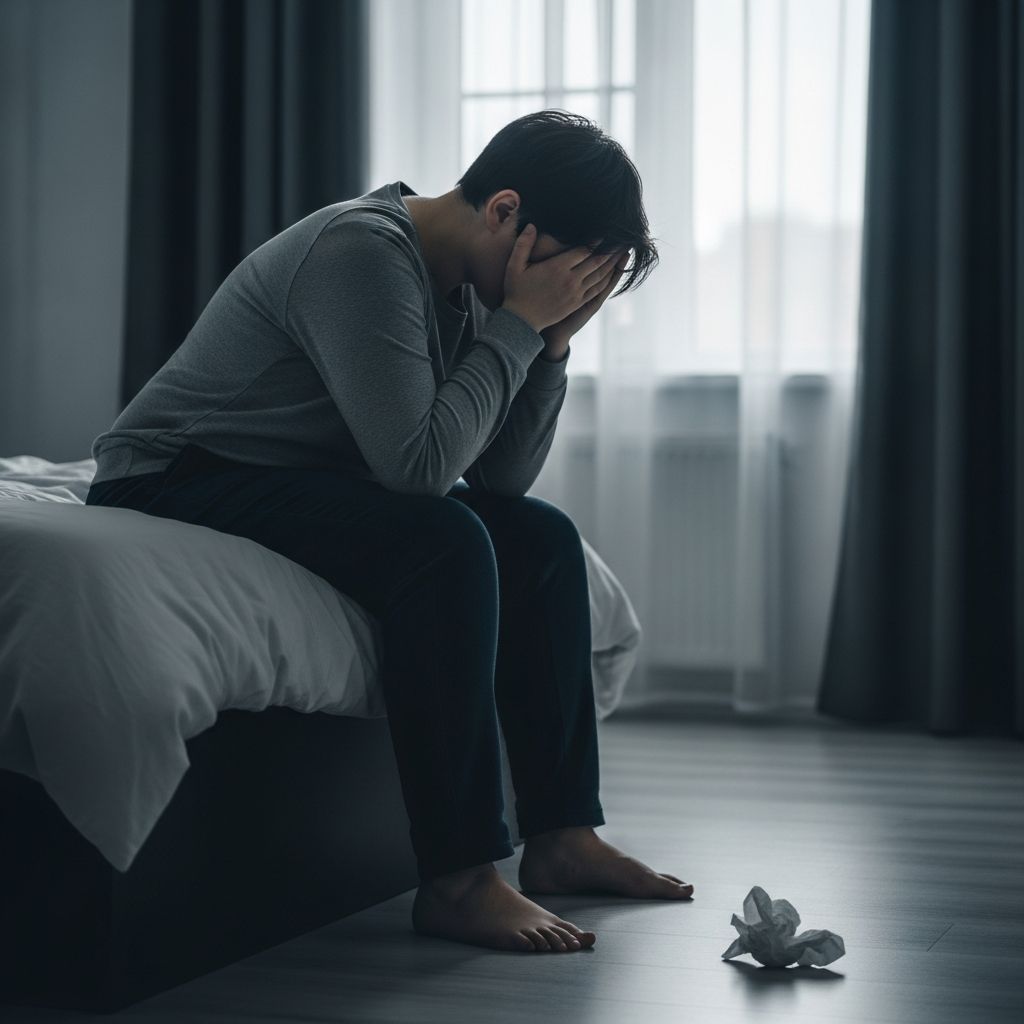
Eating disorders are serious mental health conditions that disrupt a person’s relationship with food, body image, and overall well-being. Contrary to popular belief, these disorders do not require someone to be underweight; many individuals maintain average or above-average weights while struggling intensely.
Eating Disorder Myths and Stereotypes
Common misconceptions prevent many from seeking help. These stereotypes harm those affected by delaying diagnosis and treatment.
Myth 1: Eating Disorders Only Affect Young, Teenage White Girls
Eating disorders impact people across all ages, genders, ethnicities, and backgrounds. Men, older adults, and diverse ethnic groups are also vulnerable, yet stereotypes focus on young white females.
- Men often develop disorders after being overweight, triggered by body image pressures in sports or media.
- Athletes, particularly in endurance sports, show high rates: 16% of female UK distance runners have eating disorders.[10]
Myth 2: Anorexia and Bulimia Are the Only Serious Eating Disorders
While anorexia nervosa and bulimia nervosa are well-known, other disorders like binge eating disorder (BED), avoidant/restrictive food intake disorder (ARFID), and other specified feeding or eating disorder (OSFED) are equally serious.
BED involves recurrent binge episodes without purging, often leading to overweight or obesity, yet causing profound distress.
Myth 3: All People with Eating Disorders Are Underweight
This is the core myth: many with bulimia, BED, or OSFED maintain normal or higher weights. People with bulimia may purge after binges, keeping weight stable; BED sufferers often gain weight.
ARFID limits food intake due to sensory issues or fear, not body image, and can result in underweight but also nutrient deficiencies without extreme thinness.
Myth 4: Recovery Is Just a Matter of Learning How to Eat Again
Recovery addresses deep psychological and physiological issues, not just behaviors. Focusing only on eating ignores underlying thoughts on body and food, increasing relapse risk.
Myth 5: Eating Disorders Are a Lifestyle Choice from Vanity
These are not choices; multiple factors like genetics, trauma, and biology contribute. Blaming vanity stigmatizes sufferers and hinders recovery.
Why These Myths Are Harmful
Myths lead to underdiagnosis, especially for non-underweight individuals. People in the ‘grey area’—with binge episodes but compensation via dieting—often feel invalidated.
- Delays treatment: Normal weight hides severity.
- Increases shame: Sufferers blame themselves.
- Overlooks men and athletes: Unique triggers ignored.[10]
Disordered eating—extreme dieting, fasting, detoxes—can progress to full disorders if unchecked, yet is dismissed as ‘healthy’.
Types of Eating Disorders Beyond Anorexia
| Type | Description | Weight Impact | Key Symptoms |
|---|---|---|---|
| Anorexia Nervosa | Extreme restriction leading to severe low weight. | Underweight | Fear of gaining weight, distorted body image. |
| Bulimia Nervosa | Binge-purge cycles. | Normal/Overweight | Self-induced vomiting, laxatives. |
| Binge Eating Disorder (BED) | Uncontrolled binges without purging. | Often Overweight | Guilt, distress post-binge. |
| OSFED | Doesn’t fit other categories but causes distress. | Any weight | Atypical anorexia, subthreshold bulimia. |
| ARFID | Avoidance due to sensory fears. | Often Underweight | Nutrient deficiencies, tube feeding need. |
Related Stories



Disordered Eating vs. Eating Disorders
Disordered eating involves problematic habits like preoccupation with weight, rigid diets, or cleanses. It becomes a disorder when interfering with life, causing withdrawal or distress.
Not all disordered eating progresses, but early intervention prevents escalation. Diagnosis requires meeting clinical thresholds for tailored treatment.
Treatment and Recovery
Treatment varies by type, per NICE guidelines:
- Psychotherapy: CBT for bulimia/BED; MANTRA for restrictive disorders.
- Dietetic support: Stable eating plans, nutrition education.
- Medical monitoring: For physical risks like electrolyte imbalance.
- Intensive options: Daycare, inpatient for severe cases.
Recovery is holistic, addressing pain, low self-esteem, and coping beyond food control. No blame—it’s an illness.
Frequently Asked Questions (FAQs)
Q: Can you have an eating disorder if you’re not underweight?
A: Yes, disorders like bulimia, BED, and OSFED affect people of all sizes. Weight does not determine diagnosis.
Q: What’s the difference between disordered eating and an eating disorder?
A: Disordered eating is problematic but not diagnosable; disorders severely impair life and require professional treatment.
Q: Do men get eating disorders?
A: Yes, often triggered by sports, muscle dysmorphia, or prior overweight status.
Q: How common is binge eating disorder?
A: It’s prevalent, especially in ‘grey areas’ where binges occur with compensation, often undertreated.
Q: Is recovery possible?
A: Yes, with early intervention, therapy, and support. Full recovery is achievable.
Challenging Stereotypes: What Needs to Change
To dismantle myths, raise awareness via education, media representation, and policy. Encourage help-seeking regardless of weight or demographics. Schools, sports, and social media must promote body positivity.[10]
Prevalence is rising—more anorexia admissions—but all disorders need attention. Early signs like food preoccupation warrant support.
References
- Debunking eating disorder myths and stereotypes — Patient.info. 2023. https://patient.info/features/mental-health/debunking-eating-disorder-stereotypes-and-myths
- What is the difference between disordered eating and an eating disorder — Patient.info. 2023. https://patient.info/features/mental-health/what-is-the-difference-between-disordered-eating-and-an-eating-disorder
- Types of Eating Disorders — Patient.info. 2023. https://patient.info/mental-health/eating-disorders/types-of-eating-disorder
- Eating Disorders: What You Need to Know — National Institute of Mental Health (NIMH). 2023-11-29. https://www.nimh.nih.gov/health/publications/eating-disorders
- Anorexia Nervosa: Causes, Symptoms, and Treatment — Patient.info. 2023. https://patient.info/mental-health/eating-disorders/anorexia-nervosa
Similar Articles








Read full bio of Sneha Tete