Young Onset Parkinson’s Resources: Essential Guide In 2025
Essential tools, support networks, and strategies for thriving with early Parkinson's diagnosis under age 50.

Young onset Parkinson’s disease (YOPD), diagnosed before age 50, affects about 10% of all Parkinson’s cases and presents unique challenges due to career, family, and long-term planning needs. This guide compiles essential resources to help individuals and families manage symptoms, access support, and maintain quality of life.
Defining Young Onset Parkinson’s Disease
YOPD shares core symptoms with typical Parkinson’s, such as tremors, rigidity, bradykinesia, and postural instability, but progresses more slowly, with fewer cognitive impairments like memory loss or confusion. Diagnosis relies on medical history and physical exams, often delayed because symptoms in younger people are mistaken for injuries or arthritis.
Key distinctions include higher rates of dystonia (painful muscle contractions causing abnormal postures) and dyskinesia (involuntary movements from long-term levodopa use). Younger patients typically start with non-levodopa treatments to minimize these side effects.
Navigating the Diagnostic Journey
The path to confirming YOPD can be lengthy, involving multiple specialists. Early signs like foot dystonia or shoulder rigidity are often misattributed to sports injuries or stress. Persistence in seeking movement disorder specialists is crucial for accurate diagnosis.
- Initial Steps: Track symptoms including tremor at rest, slowness in movements, and non-motor issues like constipation or loss of smell.
- Specialist Referral: Consult neurologists experienced in movement disorders for comprehensive evaluation.
- Genetic Testing: Consider if family history suggests hereditary forms, such as PRKN or PINK1 mutations.
Comprehensive Treatment Approaches
Treatment for YOPD emphasizes preserving function over decades. Medications, therapies, and surgeries are tailored to slower progression and medication sensitivities.
| Treatment Type | Description | Benefits for YOPD |
|---|---|---|
| Medications | Levodopa alternatives like MAO-B inhibitors or dopamine agonists initially | Reduces dyskinesia risk |
| Physical Therapy | Exercise programs focusing on balance and flexibility | Leverages younger patients’ resilience |
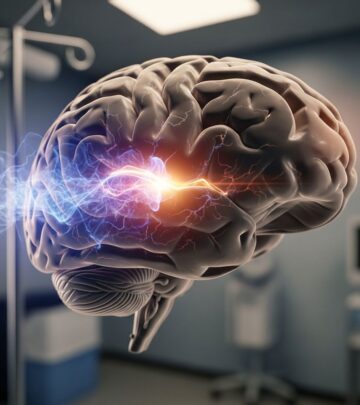
| Deep Brain Stimulation (DBS) | Surgical implant to regulate brain signals | Effective for advanced motor symptoms |
| Speech Therapy | Techniques for soft speech and swallowing | Addresses bradykinesia impacts |
Building a Support Network
Support groups provide emotional relief and practical advice tailored to YOPD’s life-stage challenges, like parenting or career shifts.
- National organizations offering virtual and in-person meetings for young adults.
- Peer mentoring programs connecting newly diagnosed individuals with long-term thrivers.
- Family caregiver workshops to handle disclosure and planning.
Financial and Employment Strategies
YOPD often strikes during peak earning years, necessitating proactive planning. Resources include disability insurance guides, workplace accommodations, and vocational rehabilitation.
Key Tips:
- Review employer benefits for FMLA and ADA protections.
- Explore SSDI/SSI eligibility early, even while working.
- Consult financial planners specializing in chronic illness for long-term security.
Lifestyle Adaptations for Daily Wellness
Beyond medical care, lifestyle modifications enhance symptom control and independence.
Exercise and Nutrition
Regular aerobic and strength training slows progression; aim for 150 minutes weekly. Anti-inflammatory diets rich in antioxidants support brain health.
Related Stories



Mental Health Support
Anxiety and depression are common; therapy and mindfulness practices help. YOPD-specific counseling addresses identity shifts.
Family and Relationship Dynamics
Disclosing a YOPD diagnosis involves timing considerations for partners, children, and extended family. Resources offer scripts and strategies for open conversations.
- Couples counseling focused on role adaptations.
- Parenting guides for managing energy with young children.
- Genetic counseling for family planning.
Ongoing Research and Future Outlook
Research targets genetic factors in YOPD, promising biomarker tests for earlier detection and disease-modifying therapies. Participation in clinical trials provides access to cutting-edge options.
Frequently Asked Questions (FAQs)
What is the typical age range for YOPD?
Diagnosis between 21-50 years, representing 4-20% of Parkinson’s cases.
Does YOPD progress faster than typical Parkinson’s?
No, it generally progresses more slowly, with better preservation of cognition and balance.
Are there support groups just for younger people?
Yes, many organizations host YOPD-specific groups addressing employment, fertility, and social concerns.
Can exercise really help manage symptoms?
Absolutely; tailored programs improve mobility and may delay progression.
Should I get genetic testing?
If there’s family history, yes, to inform treatment and family risks.
Additional Resource Directory
Compile a personalized toolkit:
- Hotlines: 24/7 helplines for immediate advice.
- Apps: Symptom trackers and exercise reminders.
- Webinars: Free sessions on emerging treatments.
- Local Chapters: Find nearby exercise classes and events.
References
- Early Onset Parkinson’s Disease — American Parkinson Disease Association. 2023. https://www.apdaparkinson.org/what-is-parkinsons/early-onset-parkinsons-disease/
- Early-Onset Parkinson’s Disease — Michael J. Fox Foundation. 2024. https://www.michaeljfox.org/news/early-onset-parkinsons-disease
- Ask the MD: Young-Onset Parkinson’s Disease — Michael J. Fox Foundation (YouTube). 2022-10-12. https://www.youtube.com/watch?v=PR_Eyku57HU
- Young-Onset Parkinson’s — Parkinson’s Foundation. 2025. https://www.parkinson.org/understanding-parkinsons/what-is-parkinsons/young-onset-parkinsons
- Young-Onset Parkinson’s: Navigating Your Journey — Photopharmics. 2024. https://photopharmics.com/young-onset-parkinsons-navigating-your-journey-after-an-early-diagnosis/
- Parkinson’s Disease – Symptoms and Causes — Mayo Clinic. 2025-01-15. https://www.mayoclinic.org/diseases-conditions/parkinsons-disease/symptoms-causes/syc-20376055
Similar Articles








Read full bio of medha deb