Diabetes Medicines Explained: 10 Key Classes And Insulin Types
A comprehensive guide to diabetes medications, their types, how they work, and essential management tips for better health.
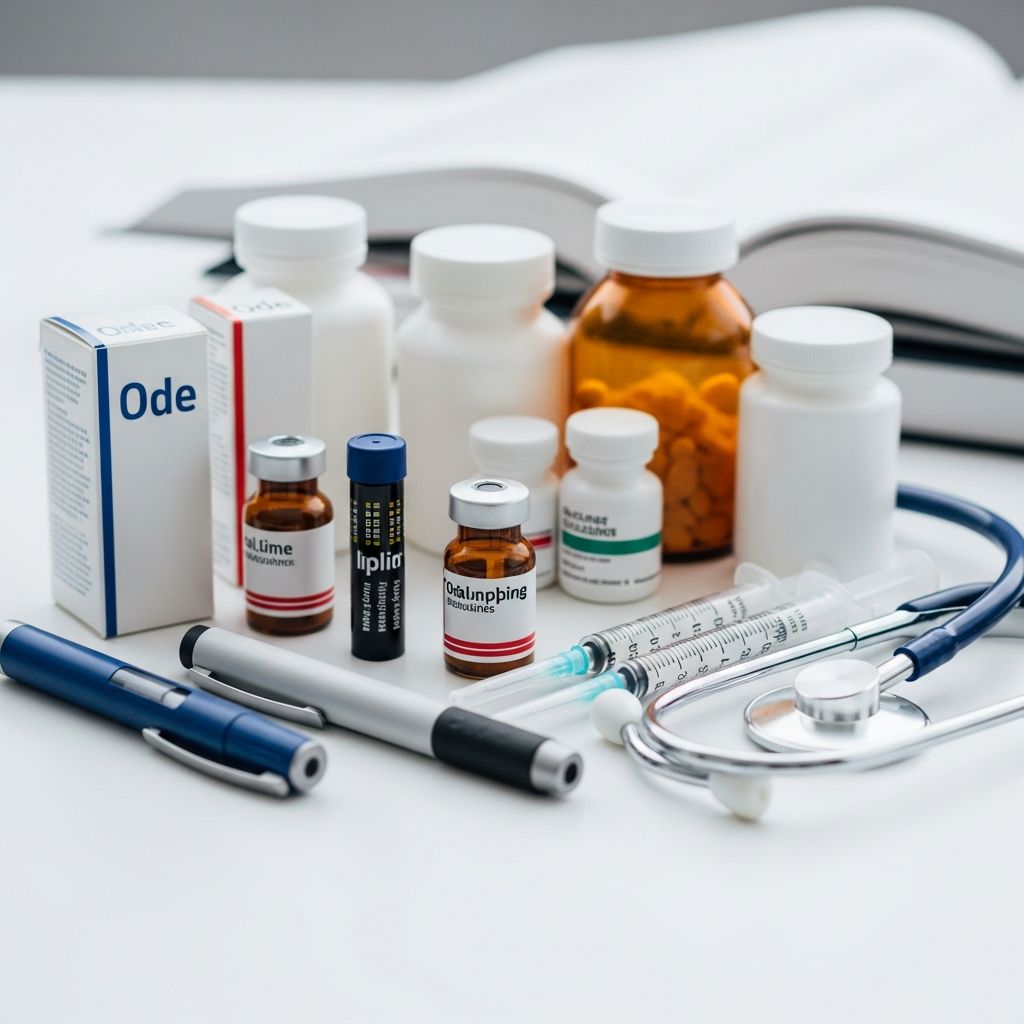
Diabetes requires careful management with medications to control blood sugar levels and prevent complications. This guide explains common diabetes medicines, including insulin for type 1 and type 2 diabetes, oral tablets, injectables, and other treatments. Understanding how these work helps you take them correctly and live healthier.
Why do I need medicines for my diabetes?
Medicines are essential for diabetes because the body either doesn’t produce enough insulin (type 1 diabetes) or can’t use it effectively (type 2 diabetes). Insulin helps glucose enter cells for energy; without proper medication, blood sugar rises, leading to symptoms like fatigue, thirst, and long-term issues such as heart disease, nerve damage, and kidney problems.
For type 1 diabetes, insulin is always required as the pancreas produces little to no insulin. In type 2 diabetes, lifestyle changes may suffice initially, but most people eventually need medicines to maintain target blood sugar levels, typically HbA1c under 7% or as advised by your doctor.
Medicines used to treat type 1 diabetes
Type 1 diabetes treatment centers on insulin replacement since the body cannot produce it. Insulin is injected or delivered via a pump to mimic natural insulin release.
Types of insulin
Insulins vary by onset, peak, and duration. Key types include:
- Rapid-acting insulin: Starts working in 15 minutes, peaks in 1-2 hours, lasts 3-5 hours. Examples: insulin lispro (Humalog, Lyumjev), insulin glulisine (Apidra). Used for mealtime boluses.
- Short-acting (regular) insulin: Onset 30-60 minutes, peaks 2-4 hours, lasts 5-8 hours. Example: Humulin R.
- Intermediate-acting (NPH): Onset 1-2 hours, peaks 4-12 hours, lasts 12-18 hours. Provides basal coverage.
- Long-acting insulin: Onset 1-2 hours, minimal peak, lasts 20-24+ hours. Examples: insulin glargine (Lantus, Basaglar, Toujeo), insulin detemir (Levemir), insulin degludec (Tresiba).
- Ultra-long-acting: Lasts up to 42 hours, like Tresiba for flexible dosing.
- Premixed insulin: Combines rapid/short with intermediate, e.g., Humalog Mix 75/25, NovoLog Mix 70/30. Convenient for twice-daily regimens.
Concentrated insulins like Humulin R U-500 are for high-dose needs.
Insulin delivery methods
Options include syringes, pens (e.g., SoloStar, KwikPen), insulin pumps, and inhalers (Afrezza, rapid-acting powder). Pumps deliver basal and bolus doses continuously.
Medicines used to treat type 2 diabetes
Type 2 diabetes treatments start with metformin but often combine classes for better control. Ten main oral/injectable classes exist.
Metformin (biguanides)
The first-line treatment, metformin reduces liver glucose production, improves insulin sensitivity, and decreases intestinal glucose absorption. Taken 1-3 times daily, often with food to reduce diarrhea. Brands: Glucophage, Glumetza. Combinations: with DPP-4 (Janumet), SGLT2 (Synjardy), sulfonylureas (Glucovance).
Sulfonylureas
Stimulate pancreas beta cells to release more insulin. Older class, risk of hypoglycemia and weight gain. Examples: glipizide (Glucotrol), glyburide (Glynase), glimepiride (Amaryl). Taken once/twice daily.
Related Stories



DPP-4 inhibitors
Prevent breakdown of incretin hormones (GLP-1, GIP), boosting insulin release and reducing glucagon when blood sugar is high. Low hypoglycemia risk. Examples: sitagliptin (Januvia), saxagliptin (Onglyza), linagliptin (Tradjenta), alogliptin (Nesina).
GLP-1 receptor agonists and dual GIP/GLP-1
Injectables mimicking GLP-1: slow gastric emptying, increase insulin, reduce appetite. Weekly options common. Examples: semaglutide (Ozempic), dulaglutide (Trulicity), liraglutide (Victoza), tirzepatide (Mounjaro, dual). Aid weight loss.
SGLT2 inhibitors
Block kidney glucose reabsorption, excreting it in urine. Benefits heart/kidney health. Examples: empagliflozin (Jardiance), dapagliflozin (Farxiga), canagliflozin (Invokana).
Thiazolidinediones (TZDs)
Improve insulin sensitivity in fat/muscle. Example: pioglitazone (Actos). Risk of fluid retention, heart failure.
Other classes
- Meglitinides (prandial regulators): Rapid insulin release for meals, e.g., repaglinide, nateglinide.
- Alpha-glucosidase inhibitors: Slow carb digestion, e.g., acarbose, miglitol. GI side effects.
- Dopamine-2 agonists: Bromocriptine (Cycloset) resets circadian rhythm.
- Bile acid sequestrants: Colesevelam (Welchol).
How do I take my diabetes medicines?
Follow your prescription precisely. Timing matters: mealtime insulins before eating, metformin with meals, sulfonylureas before breakfast. Use pill organizers, apps for reminders. Never skip doses without advice.
Insulin storage and injection tips
Store unopened insulin in fridge (2-8°C), in-use at room temp (<30°C) for 28-42 days. Rotate sites (abdomen, thighs, arms). Prime pens, inject at 90° angle.
What if I forget to take a dose?
For insulin: Check blood sugar; take if recent meal, adjust next dose. Oral meds: Take soon if within hours, skip if near next. Contact doctor for advice, especially if low blood sugar symptoms.
Side-effects of diabetes medicines
| Medication Class | Common Side Effects | Rare/Serious |
|---|---|---|
| Insulin | Low blood sugar (hypoglycemia), weight gain, injection site reactions | Allergic reactions |
| Metformin | GI upset (nausea, diarrhea), metallic taste | Lactic acidosis (rare) |
| Sulfonylureas | Hypoglycemia, weight gain | Skin rash |
| DPP-4 inhibitors | Headache, URI | Pancreatitis, joint pain |
| GLP-1 agonists | Nausea, vomiting, slowed digestion | Pancreatitis, thyroid tumors (animal data) |
| SGLT2 inhibitors | UTI, yeast infections, dehydration | Ketoacidosis, Fournier’s gangrene |
Monitor and report issues.
Alcohol and diabetes medicines
Alcohol can cause hypoglycemia with insulin/sulfonylureas; metformin risks lactic acidosis. Limit intake, eat carbs, monitor blood sugar.
Medicines for symptoms and other problems
Treat high cholesterol (statins), blood pressure (ACE inhibitors), pain (paracetamol, avoid NSAIDs if kidney issues). Aspirin for heart protection in some.
Sick day rules for diabetes medicines
- Monitor blood sugar/ketones frequently.
- Continue most meds but stop SGLT2 if vomiting.
- Hydrate, eat carbs if able, seek help if unwell >24h.
Self-management tips
Test blood sugar regularly, adjust diet/exercise, attend reviews, carry ID and glucose. Use CGM for real-time data.
Frequently Asked Questions (FAQs)
Can I stop diabetes medicines?
Never without doctor advice; sudden stop risks high sugar.
Do diabetes medicines cause weight gain?
Some like insulin/sulfonylureas do; GLP-1/SGLT2 promote loss.
Are there pills for type 1 diabetes?
No, insulin required lifelong.
How do new drugs like tirzepatide work?
Dual GLP-1/GIP agonists for superior sugar/weight control.
(Word count: 1678)
References
- List of Common Diabetes Medications — Healthline. 2023. https://www.healthline.com/health/diabetes/medications-list
- Oral & Injectable Medications for Type 2 Diabetes — American Diabetes Association. 2024-01-15. https://diabetes.org/health-wellness/medication/oral-other-injectable-diabetes-medications
- Diabetes tablets and medication — Diabetes UK. 2024. https://www.diabetes.org.uk/about-diabetes/looking-after-diabetes/treatments/tablets-and-medication
- Diabetes treatment: Medications for type 2 diabetes — Mayo Clinic. 2024-05-10. https://www.mayoclinic.org/diseases-conditions/type-2-diabetes/in-depth/diabetes-treatment/art-20051004
- Oral and Injectable (Non-Insulin) Pharmacological Agents for Glycemic Control in Patients With Type 2 Diabetes — NCBI Bookshelf. 2023. https://www.ncbi.nlm.nih.gov/books/NBK279141/
- Diabetes & Oral Medication: Types & How They Work — Cleveland Clinic. 2024. https://my.clevelandclinic.org/health/articles/12070-oral-diabetes-medications
Similar Articles








Read full bio of medha deb