Zero Weight Loss from Zero-Calorie Drinks?
Exploring the complex relationship between diet beverages and weight management outcomes.
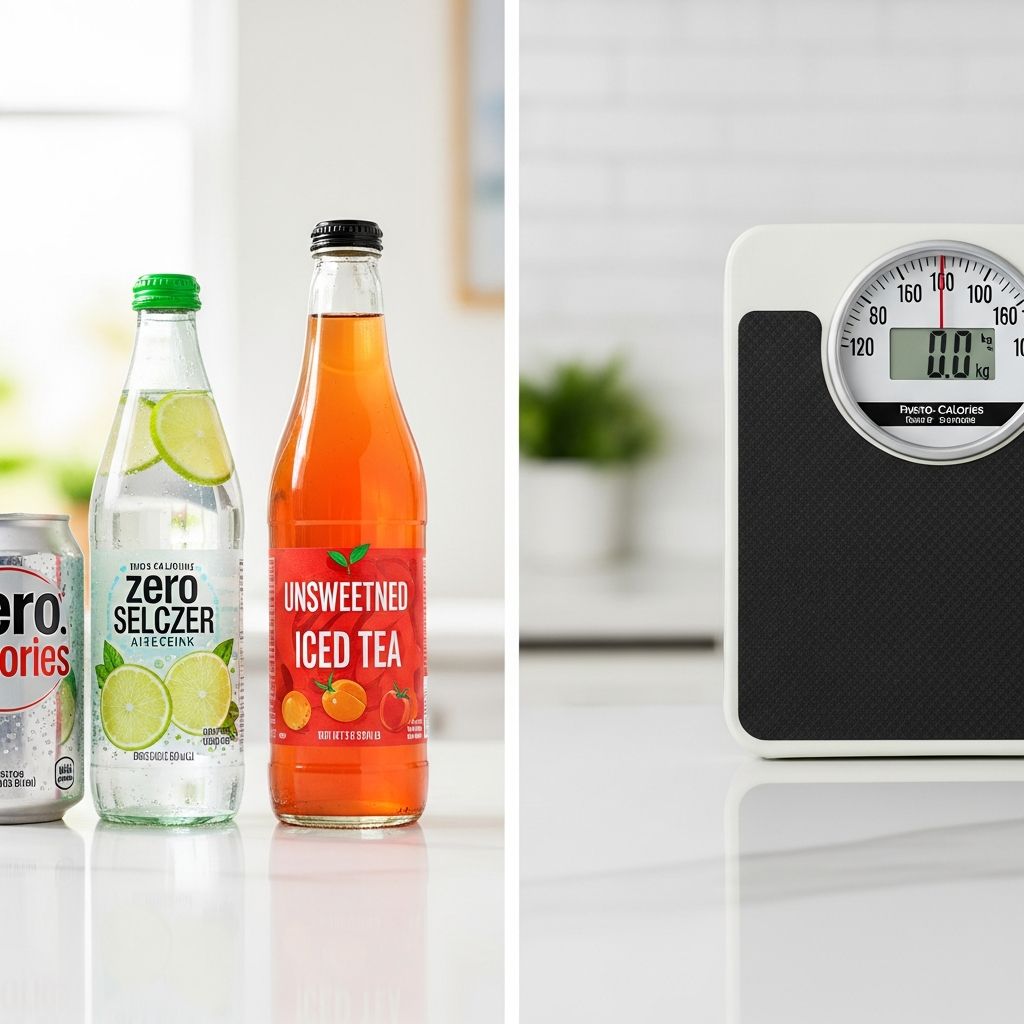
Zero Weight Loss from Zero-Calorie Drinks? Say It Ain’t So
The promise seems straightforward: switch from sugary sodas to zero-calorie alternatives and watch the pounds melt away. Diet drinks line supermarket shelves with appealing marketing messages suggesting they’re a guilt-free way to enjoy your favorite beverages while maintaining a healthy weight. Yet the reality of zero-calorie drinks and weight loss is considerably more nuanced than advertising suggests. Recent research presents a complex picture that challenges common assumptions about these popular beverages and their role in weight management.
Millions of people consume diet sodas and other artificially sweetened beverages daily, often with the primary intention of supporting weight loss efforts. However, scientific evidence increasingly suggests that simply replacing regular soda with zero-calorie alternatives may not deliver the expected weight loss benefits. This disconnect between consumer expectations and actual outcomes raises important questions about how our bodies process these drinks and what factors truly contribute to successful, sustainable weight management.
The Appeal of Zero-Calorie Beverages
Zero-calorie drinks gained prominence as a revolutionary solution to reducing sugar intake while maintaining the satisfaction of drinking flavorful beverages. The logic seems impeccable: if calories drive weight gain, then consuming drinks with zero calories should theoretically support weight loss or at minimum prevent weight gain. This straightforward reasoning led to explosive growth in the diet beverage market, with manufacturers introducing countless variations of zero-calorie sodas, sports drinks, and flavored waters.
The appeal extends beyond simple mathematics. For many people habituated to consuming sweet-tasting beverages, diet drinks offer a perceived middle ground between sugary sodas and plain water. They provide taste satisfaction without the caloric burden, making them attractive to individuals trying to reduce their overall calorie consumption while still enjoying familiar flavors and ritual. This positioning has made zero-calorie drinks a multi-billion-dollar industry with aggressive marketing campaigns targeting weight-conscious consumers.
What Does the Research Actually Show?
When examining the scientific evidence on zero-calorie drinks and weight loss, the findings present a more complicated narrative than either proponents or critics might suggest. Recent systematic reviews and meta-analyses of randomized controlled trials reveal that substituting low and no-calorie sweetened beverages (LNCSBs) for sugar-sweetened beverages (SSBs) was associated with small improvements in body weight, with an average reduction of approximately 1.06 kilograms, along with modest decreases in BMI and body fat percentage.
However, these improvements appear significantly more modest than consumers might expect. A reduction of slightly more than one kilogram represents a meaningful but limited weight loss outcome that many individuals seeking substantial weight reduction would find disappointing. Furthermore, the magnitude of improvement becomes even less impressive when considering that most study participants were explicitly instructed to replace sugary drinks with zero-calorie alternatives, creating an artificial intervention scenario that may not reflect real-world consumption patterns.
Long-term observational studies present an even more perplexing picture. While some research shows that regular consumption of low-calorie sweetened beverages reduces calorie intake and promotes less weight gain compared to consuming sugar-sweetened drinks, other investigations show no effect whatsoever, and some studies actually document weight gain among diet drink consumers. This inconsistency across research studies makes drawing definitive conclusions challenging and suggests that individual responses to zero-calorie beverages vary considerably.
Related Stories



The Paradox of Diet Drink Consumption
One of the most intriguing findings in weight management research involves what researchers call the “diet drink paradox.” Observational studies tracking people’s actual beverage consumption patterns over years frequently show that regular consumers of diet drinks gain weight rather than lose it. This counterintuitive finding contradicts what controlled trials suggest should happen when people switch from sugary to zero-calorie drinks.
Several explanations could account for this apparent paradox. First, individuals who consume diet drinks may be more prone to weight gain due to underlying metabolic differences or lifestyle factors unrelated to the beverages themselves. Second, people consuming diet drinks might compensate by consuming additional calories from food sources, offsetting any caloric savings from beverage substitution. Third, the sweetness of artificial sweeteners might trigger metabolic or hormonal responses that actually promote weight gain rather than support weight loss.
This disconnect between clinical trial results and real-world observational evidence represents a significant limitation in our understanding of how zero-calorie drinks affect weight management. It suggests that the controlled conditions of randomized trials, where participants explicitly attempt to use diet drinks as substitutes for sugary beverages, may not reflect typical consumption patterns or the complex behavioral and metabolic factors influencing weight change in everyday life.
Understanding Artificial Sweeteners
Zero-calorie drinks achieve their minimal caloric content through the use of artificial sweeteners—compounds designed to provide sweetness without the caloric load of sugar. The eight low-calorie sweeteners include six currently approved by the Food and Drug Administration and two plant-derived extracts. These sweetening compounds have been subjected to rigorous safety testing and declared safe by regulatory authorities, yet their role in weight management remains debated among nutrition researchers.
The mechanisms by which artificial sweeteners might influence weight are complex and not fully understood. Some researchers propose that consuming sweet-tasting substances without corresponding caloric intake might confuse the body’s energy balance mechanisms, potentially triggering compensatory eating behaviors or metabolic adaptations. Others suggest that artificial sweeteners might alter the composition of gut bacteria or affect hormonal signals related to appetite and satiety. However, current evidence remains insufficient to definitively establish any of these mechanisms as primary drivers of weight gain among diet drink consumers.
Expert Perspectives on Zero-Calorie Drinks
Nutrition experts and health organizations offer varying perspectives on the role of zero-calorie beverages in weight management. The American Heart Association’s science advisory acknowledges that while much discussion surrounds potential adverse effects of low-calorie sweeteners, much of this remains speculation rather than established fact. The organization notes that much of the discussion about potential adverse effects lacks definitive evidence.
Some nutrition researchers take a more critical stance. Leading experts suggest that while artificial sodas may serve a limited transitional role for individuals trying to reduce sugar intake, they represent nothing health-promoting in themselves. From this perspective, diet drinks function as a harm-reduction strategy rather than a positive nutritional choice—potentially useful for helping people move away from sugar-sweetened beverages but not an endpoint for healthy beverage consumption.
The American Heart Association also acknowledges a practical reality: for individuals habituated to sweet-tasting beverages who struggle to transition directly to plain water, diet drinks might serve as a helpful intermediate step. This perspective recognizes that perfect dietary choices sometimes yield to practical considerations about what individuals will actually consume. However, experts emphasize that such use should remain temporary rather than becoming a permanent dietary staple.
Factors Beyond Zero-Calorie Drinks Affecting Weight
Understanding why zero-calorie drinks don’t reliably produce weight loss requires considering the multifactorial nature of weight management. Beverage choice represents just one component of overall diet and lifestyle. Factors including total caloric intake, physical activity levels, sleep quality, stress management, and genetic predisposition all significantly influence body weight. A person consuming zero-calorie drinks while maintaining excessive overall calorie intake from food sources would likely gain or maintain weight regardless of beverage choices.
Additionally, research suggests that people often engage in compensatory eating when making changes in one area of their diet. An individual who switches to diet sodas might unconsciously increase consumption of calorie-dense foods, believing they’ve “earned” the right to indulge in other areas. This behavioral phenomenon, sometimes called psychological licensing, could explain why observational studies frequently show weight gain among diet drink consumers despite the theoretical caloric savings.
Special Considerations for Different Populations
Research on zero-calorie drinks reveals that effects may vary across different populations. For children and adolescents, the evidence base remains particularly limited, with virtually no long-term data on health effects. Health experts generally recommend water and unsweetened beverages for young people rather than habituating them to artificial sweeteners. However, children with diabetes who maintain balanced diets and monitor blood sugar levels carefully may benefit from short-term substitution of low-calorie drinks for sugary beverages as part of their diabetes management strategy.
For adults with overweight or obesity at risk for or having diabetes, research suggests that substituting zero-calorie drinks for sugar-sweetened beverages produces modest improvements in body weight and cardiometabolic risk factors. For this specific population, diet drinks may offer some benefits as an alternative to sugary beverages over the moderate term. However, plain water or unsweetened beverages remain the preferred choice for optimal health outcomes.
The Role of Water as a Superior Alternative
One of the most consistent findings across weight management research involves the benefits of replacing sugar-sweetened beverages with water. In large prospective cohort studies, substituting water for sugary drinks was associated with less weight gain—approximately one pound within each four-year period compared to the average three-pound weight gain associated with sugar-sweetened beverage consumption.
Water offers distinct advantages over zero-calorie drinks as a beverage choice. It provides complete hydration without any calories, artificial sweeteners, or potentially confounding metabolic effects. It satisfies thirst without triggering the complex mechanisms that might be activated by consuming sweet-tasting substances. For these reasons, nutrition experts consistently recommend water as the optimal beverage choice for weight management and overall health, even though many people find the transition from flavored beverages challenging.
Practical Recommendations for Weight Management
Based on current evidence, several practical recommendations emerge for individuals seeking to manage their weight effectively:
Transition gradually to water: Rather than immediately eliminating all flavorful beverages, consider gradual transitions. Starting with zero-calorie drinks as a stepping stone toward increased water consumption may be more sustainable for some individuals than attempting an abrupt dietary shift.
Avoid compensatory eating: When making positive dietary changes such as switching to zero-calorie drinks, remain mindful of overall calorie intake. The caloric savings from beverage substitution shouldn’t trigger unconscious increases in food consumption.
Focus on total diet quality: Beverage choice represents just one component of weight management. Addressing overall dietary patterns, including portion sizes and nutritional balance, remains essential.
Incorporate physical activity: Successful, sustainable weight management typically requires combining dietary modifications with regular physical activity and other lifestyle factors.
Limit long-term consumption: Rather than viewing zero-calorie drinks as a permanent beverage solution, consider them a temporary aid during dietary transitions rather than a long-term staple.
The Bottom Line on Zero-Calorie Drinks and Weight Loss
The evidence on zero-calorie drinks and weight loss reveals a gap between marketing promises and scientific reality. While controlled clinical trials show that substituting diet drinks for sugary beverages produces modest weight loss averaging around one kilogram, real-world observational studies frequently show that regular diet drink consumers gain rather than lose weight. This paradox suggests that the actual impact of zero-calorie beverages on weight management in everyday life differs substantially from what occurs in structured research settings.
Zero-calorie drinks may offer value as a transitional strategy for individuals habituated to sweet beverages who struggle with immediate water consumption. However, they should not be viewed as a sustainable, long-term solution for weight management or as equivalent to water consumption. The modest weight improvements documented in clinical trials represent a small fraction of what most people seeking weight loss would hope to achieve, and these improvements often fail to materialize in real-world settings.
For optimal weight management and overall health, nutrition experts consistently recommend plain water or unsweetened beverages as the beverage of choice. While zero-calorie drinks occupy a gray area—neither harmful in the way sugary beverages are nor beneficial in the way water is—they represent a compromise solution rather than an ideal choice. Understanding this nuance helps consumers make informed decisions about their beverage consumption patterns aligned with their actual health goals.
Frequently Asked Questions
Q: Do zero-calorie drinks actually help with weight loss?
A: Research shows mixed results. Controlled trials document modest weight loss averaging about one kilogram when people substitute zero-calorie drinks for sugary beverages, but observational studies of real-world consumption often show weight gain among regular diet drink consumers. The discrepancy suggests that actual weight effects depend on individual factors and overall dietary patterns rather than simply replacing sugary drinks with zero-calorie alternatives.
Q: Are artificial sweeteners safe?
A: Yes, the eight artificial sweeteners currently approved by regulatory authorities have undergone rigorous safety testing. However, safety regarding short-term consumption differs from long-term health effects, which remain less thoroughly studied, particularly in children.
Q: Is water really better than zero-calorie drinks?
A: For weight management and overall health, water is the superior choice. Research consistently shows that substituting water for sugary beverages produces better weight outcomes than substituting zero-calorie drinks. Water provides complete hydration without calories, artificial sweeteners, or potentially confounding metabolic effects.
Q: Can zero-calorie drinks help with diabetes management?
A: For people with diabetes who maintain balanced diets and carefully monitor blood sugar levels, zero-calorie drinks may provide short-term benefits as substitutes for sugary beverages. However, water and unsweetened beverages remain preferable choices even for this population.
Q: Why do some studies show weight gain among diet drink consumers?
A: Several factors might explain this paradox. People who consume diet drinks may have underlying metabolic differences, may compensate by consuming additional food calories, or may experience metabolic responses to artificial sweeteners that promote weight gain. The actual causes likely involve complex interactions among multiple factors.
Q: Should children drink zero-calorie beverages?
A: Health experts generally recommend water and unsweetened beverages for children rather than zero-calorie drinks, due to limited long-term safety data and concerns about habituating young people to artificial sweeteners. An exception exists for children with diabetes under medical supervision.
References
- Study Finds Low-Calorie Sweetened Beverages Could Help Weight Loss — CBS Boston. 2022. https://www.cbsnews.com/boston/news/study-finds-low-calorie-sweetened-beverages-could-help-weight-loss/
- Association of Low- and No-Calorie Sweetened Beverages as a Replacement for Sugar-Sweetened Beverages With Body Weight and Cardiometabolic Risk: A Systematic Review and Meta-analysis — JAMA Network Open. 2022-03-01. https://pubmed.ncbi.nlm.nih.gov/35285920/
- Limit Low-Calorie Sodas and Drinks, and Stick to Water Instead, Researchers Advise — American Heart Association. 2018-07-29. https://www.heart.org/en/news/2018/07/29/limit-low-calorie-sodas-and-drinks-and-stick-to-water-instead-researchers-advise
- Low-Calorie Sweeteners — The Nutrition Source — Harvard School of Public Health. 2024. https://nutritionsource.hsph.harvard.edu/healthy-drinks/artificial-sweeteners/
Similar Articles








Read full bio of medha deb