Zika Virus Risks And Protection: Essential Safety Guide
Understand Zika virus transmission, symptoms, pregnancy risks, and proven prevention strategies for travelers and communities.
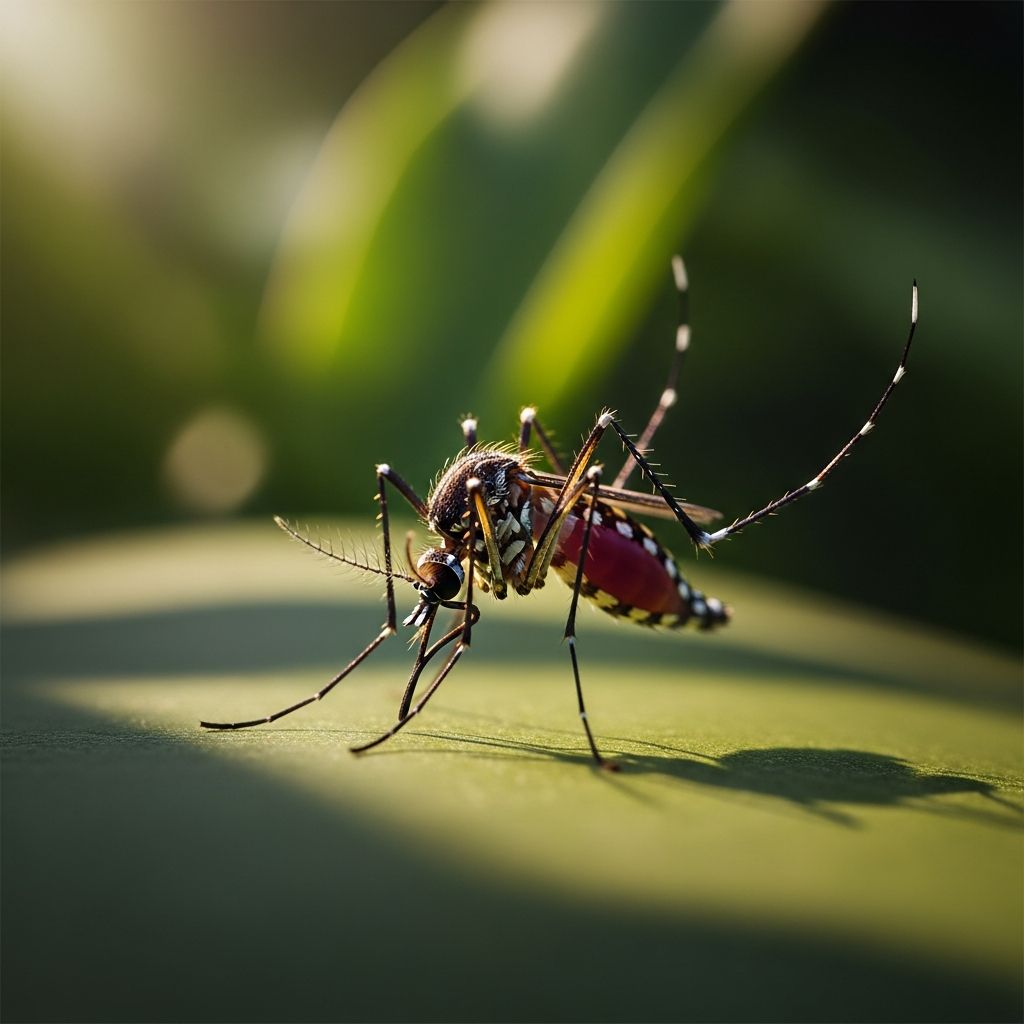
Zika virus is a flavivirus primarily spread by Aedes mosquitoes, causing mostly asymptomatic infections but serious complications in pregnancy.
Understanding the Zika Virus
The Zika virus belongs to the Flaviviridae family, closely related to dengue and yellow fever viruses. It circulates in two main phylogenetic lineages: Asian and African. Discovered in Uganda in 1947, it remained obscure until major outbreaks in the Americas starting in 2015.
Globally, transmission persists at low levels in parts of the Americas, Asia, and Africa, with sporadic outbreaks reported. In 2016, the World Health Organization declared Zika-related microcephaly a Public Health Emergency of International Concern, later lifted after confirming links to congenital defects.
How Zika Spreads
Primary Transmission: Infected Aedes aegypti and Aedes albopictic mosquitoes bite during daylight hours, thriving in tropical and subtropical climates. Their range is expanding due to climate change.
- Mosquitoes acquire the virus from infected humans and transmit it via bites.
- Urban settings with standing water favor breeding.
Alternative Routes:
- Sexual Transmission: Virus persists in semen up to 62 days post-symptoms; documented cases from symptomatic males.
- Mother-to-Child: Transplacental or during delivery; not via breastfeeding.
- Blood and Organs: Potential via transfusions or transplants.
No evidence of spread through casual contact, air, or water.
Recognizing Zika Symptoms
About 80% of infections are asymptomatic. When present, symptoms emerge 3-12 days post-exposure and last 2-7 days.
| Symptom | Frequency | Description |
|---|---|---|
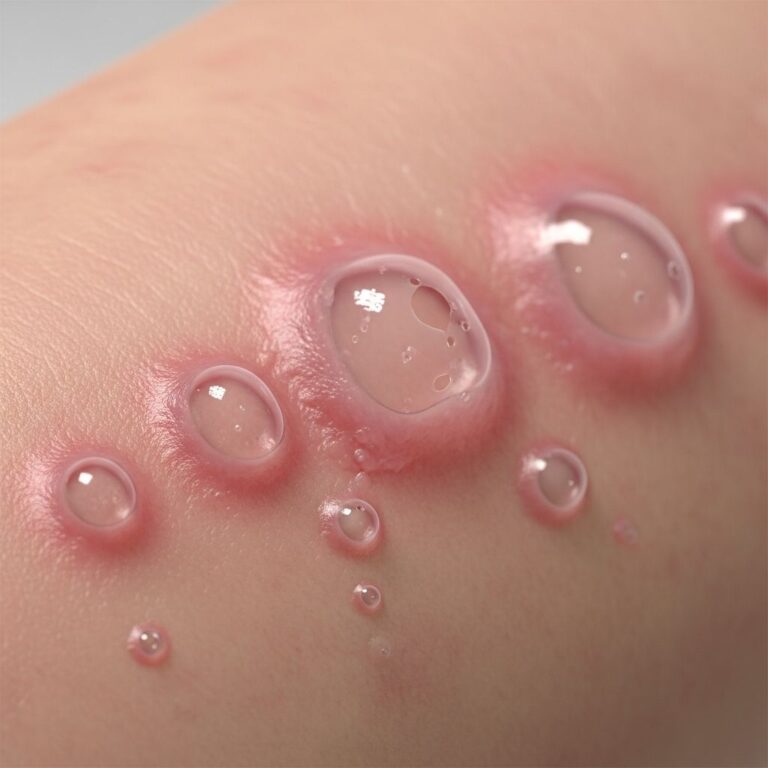
| Maculopapular Rash | 90%+ | Red, bumpy, itchy; starts on face, spreads body-wide. |
| Fever | 65-80% | Mild, low-grade. |
| Conjunctivitis | 55-82% | Red eyes without pus. |
| Joint/Muscle Pain | 65-70% | Arthralgia, myalgia. |
| Headache | 45-80% | Often retro-orbital. |
Rarely, Zika triggers Guillain-Barré syndrome, causing temporary muscle weakness and nerve issues.
Serious Complications in Pregnancy
Zika during pregnancy risks fetal harm, especially in the first trimester. Key concerns include:
- Microcephaly: Abnormally small head/brain, leading to developmental delays.
- Other Defects: Eye abnormalities, hearing loss, limb contractures.
- Pregnancy Loss: Miscarriage or preterm birth.
Infection anytime in pregnancy can affect the fetus; monitoring via ultrasound and amniocentesis is advised.
Diagnosis Methods
Suspect Zika in symptomatic individuals with travel to endemic areas or exposure risks. Confirm via lab tests:
- RT-PCR: Detects viral RNA in blood, urine, saliva (best first 3-5 days; urine up to 3 weeks).
- Serology: IgM antibodies from day 5; confirm with neutralization to rule out cross-reactivity (dengue, etc.).
Differentiate from similar illnesses like dengue or chikungunya, which share symptoms but differ in rash/conjunctivitis prominence.
Prevention Strategies
No vaccine or specific treatment exists; focus on avoidance.
Mosquito Bite Protection
- Use EPA-registered repellents (DEET, picaridin).
- Wear long sleeves/pants, especially dawn/dusk.
- Eliminate standing water to prevent breeding.
- Sleep under insecticide-treated nets in endemic areas.
Sexual and Travel Precautions
For travelers/partners:
- Pregnant Women: Avoid travel to Zika areas.
- Sexual Partners: Condoms or abstinence for 3 months post-travel/symptoms.
- Asymptomatic returnees: Mosquito protection for 3 weeks.
Related Stories



Community and Blood Safety
Health systems screen blood donations; defer donors with risks.
Treatment Approaches
Supportive care suffices: rest, fluids, acetaminophen for pain/fever. Avoid aspirin/NSAIDs due to hemorrhagic risks with flaviviruses.
Symptomatic patients: Prevent mosquito bites for first week to halt transmission.
Global Status and Surveillance
Post-2017 decline, Zika lingers in Americas (e.g., Brazil), Pacific Islands, India, Africa. CDC tracks risk areas; check before travel.
Enhanced surveillance monitors pregnant women and newborns in affected regions.
Frequently Asked Questions (FAQs)
Can Zika be fatal?
No direct fatalities reported; complications like Guillain-Barré are rare and treatable.
Is Zika still a threat in 2026?
Yes, low-level transmission continues; verify current CDC/WHO maps.
Should I get tested after travel?
If symptomatic or planning pregnancy, consult a doctor for PCR/serology.
Does prior dengue infection affect Zika?
Possible cross-reactivity complicates serology; PCR preferred early.
Are children at higher risk?
Infection is milder, but fetal exposure causes most pediatric issues.
Key Takeaways for Safety
- Prioritize prevention in endemic zones.
- Pregnant individuals: Strict avoidance.
- Post-exposure: Safe sex practices essential.
Stay informed via official sources for evolving risks.
References
- Zika Virus Infection – Merck Manual Consumer Version — Merck Manuals. 2023. https://www.merckmanuals.com/home/infections/arboviruses-arenaviruses-filoviruses/zika-virus-infection
- Factsheet about Zika virus disease — European Centre for Disease Prevention and Control (ECDC). 2023-10-05. https://www.ecdc.europa.eu/en/zika-virus-infection/facts/factsheet
- Zika Virus – FDA — U.S. Food and Drug Administration. 2024. https://www.fda.gov/emergency-preparedness-and-response/mcm-issues/zika-virus
- Zika information for the public — Massachusetts Department of Public Health. 2023. https://www.mass.gov/info-details/zika-information-for-the-public
- Zika Virus – StatPearls — NCBI Bookshelf. 2023-07-17. https://www.ncbi.nlm.nih.gov/books/NBK430981/
- Comprehensive Zika Virus Information for Healthcare Providers — California Department of Public Health. 2016. https://www.cdph.ca.gov/Programs/CID/DCDC/CDPH%20Document%20Library/ZikaVirusInformationforHCPs.pdf
- Zika virus — World Health Organization (WHO). 2024-04-23. https://www.who.int/news-room/fact-sheets/detail/zika-virus
- Zika Virus – CDC — Centers for Disease Control and Prevention. 2024. https://www.cdc.gov/zika/index.html
Similar Articles








Read full bio of Sneha Tete