Zika Virus: Symptoms, Transmission, and Prevention
Complete guide to Zika virus: transmission, symptoms, diagnosis, treatment, and prevention strategies.
Understanding Zika Virus
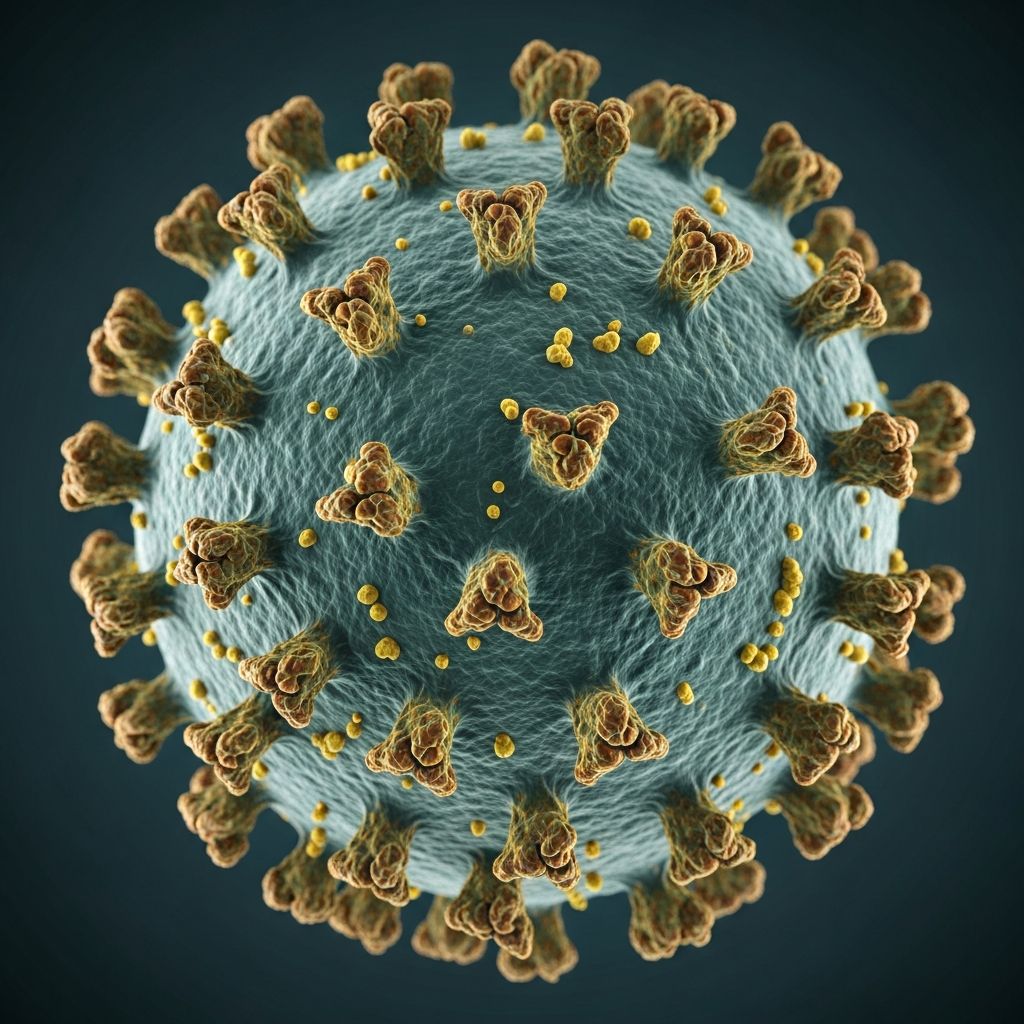
Zika virus is a mosquito-borne flavivirus that has emerged as a significant public health concern worldwide. The virus is primarily transmitted through the bite of infected Aedes mosquitoes, particularly Aedes aegypti and Aedes albopictus species. While most Zika virus infections result in mild illness or remain asymptomatic, the virus has been associated with serious neurological complications and congenital abnormalities in newborns, making it a critical area of medical focus and research.
How Zika Virus is Transmitted
Understanding transmission routes is essential for prevention and outbreak control. Zika virus spreads primarily through mosquito vectors, but can also be transmitted through other means. The virus enters the human body when an infected mosquito takes a blood meal, injecting the virus into the dermis layer of skin. From there, viral replication begins in dendritic cells near the inoculation site and spreads to lymph nodes and into the bloodstream.
Beyond mosquito transmission, Zika virus can be transmitted vertically from a pregnant mother to her unborn baby, which has been the source of significant public health concern. This vertical transmission has been linked to severe congenital abnormalities in fetuses and newborns. Additionally, evidence suggests that sexual transmission may occur, though this is less common than mosquito-borne transmission.
The virus has shown no evidence of a nonprimate animal reservoir, suggesting that human populations and mosquito vectors serve as the primary transmission cycle. Viral nucleic acid has been detected up to 11 days after illness onset, indicating a specific window of infectivity during which transmission is possible.
Clinical Presentation and Symptoms
Asymptomatic Infections
Remarkably, the majority of Zika virus infections are asymptomatic, with studies indicating that 50-80% of infected individuals experience no symptoms whatsoever. This silent transmission capability presents a significant public health challenge, as infected individuals may unknowingly continue to transmit the virus within their communities. The presence of asymptomatic infections means that ZIKV transmission may continue in an area without identifiable outbreaks being reported, as evidenced by the large unreported Zika virus outbreak in Cuba in 2017, with cases continuing to be identified into 2018.
Symptomatic Infections
For patients who do develop symptoms, the incubation period typically ranges from 3 to 14 days following the bite of an infected mosquito. Symptomatic infections account for less than 5% of total infections, and most of these present as mild illness that is clinically indistinguishable from mild dengue or chikungunya infections.
Common symptoms observed in outbreaks include:
- Low-grade fever (occurring in 65-73% of symptomatic cases)
- Rash or skin eruptions
- Joint pain and muscle aches
- Headache and malaise
- Conjunctivitis (red eyes)
- General body discomfort
Symptoms typically last for approximately one week and resolve on their own as the immune system clears the infection. Lifelong immunity is presumed to develop after infection with any strain of Zika virus, providing enduring protection against future infections.
Serious Complications Associated with Zika
Congenital Zika Syndrome
The most devastating consequence of Zika virus infection is its association with congenital abnormalities when infection occurs during pregnancy. Congenital Zika syndrome encompasses a range of serious birth defects, with prominent features including:
Related Stories



- Microcephaly (abnormally small brain and head)
- Severe neurological developmental delays
- Brain malformations and developmental abnormalities
- Eye abnormalities and vision problems
- Hearing defects
- Growth restrictions
These complications are particularly concerning during the first and second trimesters of pregnancy, when fetal development is most critical. Infants born with congenital Zika syndrome may face lifelong neurological challenges and disabilities.
Guillain-Barré Syndrome
Another significant complication associated with Zika virus infection is Guillain-Barré syndrome (GBS), a rare neurological disorder that occurs in approximately 2-3 per 10,000 infections. GBS is believed to result from a post-infectious immune response or direct viral neurotropism affecting the peripheral nervous system. This condition causes progressive weakness that may advance to respiratory failure, requiring intensive care support and mechanical ventilation. Recovery from GBS can be prolonged and may involve long-term rehabilitation.
Diagnostic Testing for Zika Virus
Molecular Testing Methods
Molecular testing provides definitive diagnosis of Zika virus infection. Reverse transcription polymerase chain reaction (rRT-PCR) testing is the gold standard and can detect Zika RNA early in the course of illness. For accurate results, serum should be collected within 14 days of symptom onset, as RNA detection becomes less reliable after this period. Urine samples may remain positive longer than serum samples and should always be collected paired with a serum sample for comprehensive evaluation.
A positive rRT-PCR result on any sample confirms active Zika infection, and no additional testing is required for confirmation. However, a negative rRT-PCR does not exclude Zika infection, as the virus may have already cleared from detectable levels in the sample.
Serological Testing
Zika virus-specific IgM and neutralizing antibodies typically develop by approximately the end of the first week of illness. IgM antibodies may be detectable as early as the fourth day of symptoms and usually remain elevated for 15 to 19 months, with some cases showing persistence for up to 25 months after infection. IgM testing of serum is indicated for patients presenting 2 to 12 weeks after illness onset.
The Zika IgM Antibody Capture Enzyme-Linked Immunosorbent Assay (Zika MAC-ELISA) is used for qualitative detection of IgM antibodies in serum or cerebrospinal fluid (CSF). Diagnostic specimens can be submitted through state health departments to the Division of Vector Borne Diseases at the Centers for Disease Control and Prevention (CDC) for specialized testing.
Differential Diagnosis Considerations
Due to overlapping symptomatology, several conditions must be considered in the differential diagnosis of suspected Zika virus infection:
- Dengue fever
- Chikungunya virus infection
- Acute HIV infection
- Rubella
- Cytomegalovirus infection
- Epstein-Barr virus infection
- West Nile virus
- Atypical measles
- Secondary syphilis
- Early Rocky Mountain spotted fever
Careful consideration of patient exposure history and travel to Zika-endemic regions is essential for accurate diagnosis.
Testing Protocols for Special Populations
Testing recommendations vary based on patient population and clinical scenario. For pregnant women, specialized testing protocols are implemented to detect maternal infection and assess fetal risk. For newborns with suspected congenital Zika syndrome, testing includes paired serum and urine samples collected within two days after birth, along with comprehensive physical and neurological examinations. Head circumference should be retested 24 hours after birth, and ultrasound imaging of the head is recommended within one month of age, with MRI considered if available. Ophthalmological examination and auditory testing should be performed within one month of birth, and screening for other causes of fetal abnormalities is essential.
Treatment Approaches
General Management
Currently, no specific antiviral treatment exists for Zika virus infection. For mild, uncomplicated cases, management is primarily supportive. Patients are advised to rest, maintain adequate hydration, and use over-the-counter pain relievers such as acetaminophen for fever and joint pain. While the immune system typically clears the infection within one to two weeks, supportive care helps manage symptoms during recovery.
Guillain-Barré Syndrome Management
When Zika infection progresses to Guillain-Barré syndrome, specialized intensive care management becomes necessary. Treatment during the acute phase may include immunotherapy, though its effectiveness in Zika-related GBS is still being evaluated. Plasma exchange has demonstrated the most benefits when initiated within 7 to 14 days of symptom onset. Intravenous immunoglobulin administration hastens recovery when provided within two weeks of symptom onset.
ICU-level care is optimal for managing GBS complications, which may include sepsis, unexplained cardiac arrest, and pulmonary embolism. Neurology and infectious disease consultation is recommended to optimize patient management during this serious complication.
Prevention Strategies
Mosquito Control and Personal Protection
Prevention of Zika virus infection centers on reducing mosquito exposure. Effective prevention measures include:
- Using insect repellents containing DEET, picaridin, or oil of lemon eucalyptus
- Wearing long-sleeved shirts and long pants, especially during peak mosquito activity times
- Installing or repairing window and door screens to prevent mosquitoes from entering homes
- Eliminating standing water where mosquitoes breed, including flower pots, bird baths, and clogged gutters
- Using air conditioning when available to remain indoors during high-risk periods
Travel Precautions
Individuals traveling to Zika-endemic regions should take enhanced precautions. Pregnant women should consult healthcare providers before traveling to areas with active Zika transmission. Those returning from affected areas should practice mosquito avoidance for several weeks to prevent local transmission if they become infected.
Community and Public Health Measures
Comprehensive mosquito control programs at the community level significantly reduce transmission risk. Features such as air conditioning prevalence and established mosquito control infrastructure in developed countries have proven effective in limiting transmission of other mosquito-borne illnesses like dengue. Healthcare systems can implement screening protocols for recent travel history to identify and manage potential cases early, preventing further community spread.
Vaccine Development
As of the information available, no FDA-approved vaccine for Zika virus is currently available. However, several candidate vaccines are in research and development stages. Ongoing clinical trials are expected to provide vaccines to prevent Zika infection in the future, offering hope for long-term disease prevention and population immunity.
When to Seek Medical Care
Healthcare consultation is recommended for individuals who develop symptoms consistent with Zika virus infection, particularly those with recent travel to endemic areas. Pregnant women with potential Zika exposure should receive specialized evaluation and counseling regarding risks and testing options. Healthcare providers should maintain a high index of suspicion for Zika in patients presenting with fever, rash, and joint pain who have traveled to affected regions.
Frequently Asked Questions
Q: What is the most common symptom of Zika virus infection?
A: While many Zika infections are asymptomatic, when symptoms occur, low-grade fever is most common, appearing in 65-73% of symptomatic cases. Other frequent symptoms include rash, joint pain, and headache.
Q: Can Zika virus be transmitted sexually?
A: Yes, evidence suggests sexual transmission of Zika virus can occur, though this is less common than mosquito-borne transmission. Precautions should be taken by individuals infected with or exposed to Zika.
Q: How long does immunity last after Zika infection?
A: Lifelong immunity is presumed to develop after infection with any strain of Zika virus, providing enduring protection against future infections with the same strain.
Q: What is the risk of Guillain-Barré syndrome with Zika infection?
A: Guillain-Barré syndrome occurs in approximately 2-3 per 10,000 Zika infections, making it a rare but serious complication that requires intensive care management.
Q: Is there a treatment available for Zika virus?
A: No specific antiviral treatment exists for Zika virus. Management is supportive, focusing on symptom relief and allowing the immune system to clear the infection.
Q: Why is Zika virus particularly dangerous for pregnant women?
A: Zika infection during pregnancy can cause congenital abnormalities in the fetus, including microcephaly, neurological developmental delays, and other serious birth defects affecting long-term health and development.
References
- Zika virus — Johns Hopkins ABX Guide, Unbound Medicine. 2024. https://www.hopkinsguides.com/hopkins/view/Johns_Hopkins_ABX_Guide/540658/all/Zika_virus
- Zika Virus: What You Need to Know from a Johns Hopkins Expert — Johns Hopkins Medicine. February 22, 2016. https://www.youtube.com/watch?v=4ic7PATBtwY
- Zika virus: 5 things you need to know — Johns Hopkins University Hub. January 30, 2017. https://hub.jhu.edu/at-work/2017/01/30/zika-virus-5-things-you-need-to-know/
- Zika Virus Diagnostic Testing — Centers for Disease Control and Prevention (CDC). 2024. https://www.cdc.gov/zika/hc-providers/diagnostic.html
- Global Strategy and Response to address the emergence and spread of the Zika virus — World Health Organization (WHO). 2024. https://www.who.int/emergencies/diseases/zika/zika-strategy-2016-2017.pdf
Similar Articles








Read full bio of medha deb