Zinc And Vitamin C: 5 Benefits For Immunity And Cold Relief
Discover how zinc and vitamin C team up to boost immunity, fight colds, and support overall wellness with science-backed insights.
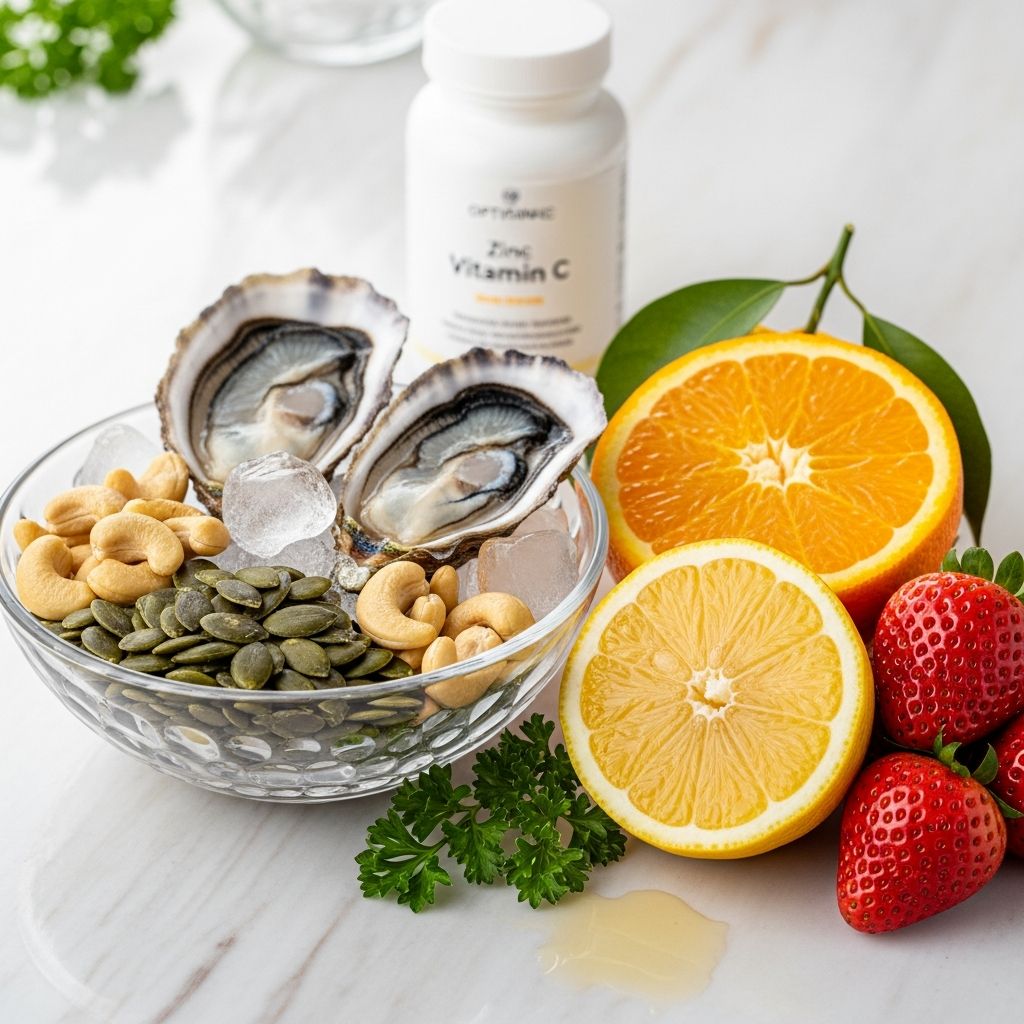
Zinc and vitamin C are essential micronutrients that work synergistically to support immune function, combat infections like the common cold, and promote overall health. Research shows their combination can reduce cold symptoms more effectively than either alone.
What Are Zinc and Vitamin C?
Zinc is a trace mineral vital for over 300 enzymes, DNA synthesis, cell growth, wound healing, and immune response. The body cannot produce it, so it must come from diet or supplements. Vitamin C, or ascorbic acid, is a water-soluble antioxidant that aids collagen production, protects cells from oxidative damage, and enhances immune cell activity.
Both nutrients are crucial for maintaining epithelial barriers, lymphocyte function, and antioxidant defense against pathogens. Deficiencies impair immunity, increasing infection risk.
Health Benefits of Zinc and Vitamin C
These nutrients offer complementary benefits, particularly for immunity and infection prevention.
Immune System Support
Zinc is essential for T- and B-lymphocyte function, thymic hormone production, and antibody formation. It reduces oxidative stress and stimulates immune cells. Vitamin C boosts neutrophil motility, phagocytosis, and interferon production, while acting as an antioxidant for immune cells under oxidative stress.
Together, they enhance innate and adaptive immunity, making them valuable during viral infections.
Reducing Common Cold Duration and Severity
High-dose vitamin C (over 200 mg daily) as prophylaxis modestly reduces cold duration in the general population. Zinc lozenges (10-23 mg, 6+ times daily) shorten colds by up to 33%. A combination of 1000 mg vitamin C + 10 mg zinc reduced rhinorrhea duration by 9-27% and provided faster symptom relief versus placebo in randomized trials (n=94).
Other Benefits
- Wound Healing: Zinc supports cell proliferation and repair; vitamin C is a cofactor for collagen synthesis.
- Antioxidant Protection: Both neutralize reactive oxygen species, reducing inflammation linked to chronic diseases.
- Skin Health: Zinc aids acne reduction and inflammation control; vitamin C promotes collagen for skin integrity.
Deficiency Risks and Symptoms
Deficiencies are common, especially in affluent populations with poor diets, increasing cold susceptibility.
Zinc Deficiency
Symptoms include growth retardation, skin changes, hair loss, diarrhea, impaired taste/smell, and weakened immunity leading to frequent infections. Risk groups: older adults, vegetarians, pregnant individuals, those with malabsorption.
Vitamin C Deficiency
Leads to scurvy: fatigue, bleeding gums, poor wound healing, joint pain. Marginal deficiency causes fatigue, easy bruising, and reduced immunity.
Viral infections rapidly deplete vitamin C levels, exacerbating symptoms.
Recommended Dosages
| Nutrient | RDA (Adults) | Therapeutic for Colds | Upper Limit |
|---|---|---|---|
| Zinc | Men: 11 mg Women: 8 mg | 10-23 mg lozenges 6x/day (short-term) | 40 mg/day |
| Vitamin C | Men: 90 mg Women: 75 mg | 1000+ mg/day (prophylactic/therapeutic) | 2000 mg/day |
For colds, combine 1000 mg vitamin C + 10 mg zinc daily, showing significant rhinorrhea reduction over 5 days. Always consult a doctor for personalized advice.
Food Sources
Top Zinc Sources
- Oysters (74 mg/3 oz)
- Beef (7 mg/3 oz)
- Crab (6.5 mg/3 oz)
- Fortified cereals (2-3 mg/serving)
- Pumpkin seeds (2.2 mg/oz)
Top Vitamin C Sources
- Guava (376 mg/cup)
- Bell peppers (190 mg/cup raw)
- Kiwi (71 mg/fruit)
- Broccoli (81 mg/cup cooked)
- Strawberries (98 mg/cup)
Plant sources have lower zinc bioavailability due to phytates; animal sources are better absorbed.
Supplements: When and How to Use
Supplements are ideal for deficiencies or high-demand periods like colds or stress. Use lozenges for zinc to target throat infections and vitamin C in divided doses for better absorption.
Related Stories



Combination products may offer synergistic effects for faster recovery. Start at cold onset for best results.
Side Effects and Precautions
Zinc is safe up to 40 mg/day short-term but excess causes nausea, vomiting, copper deficiency, and immune suppression. Vitamin C over 2000 mg may cause diarrhea or oxalate kidney stones.
- Avoid high-dose zinc long-term (>40 mg).
- Vitamin C safe for most; caution in kidney disease.
- Pregnant/breastfeeding: stick to RDA unless advised.
Interactions: Zinc reduces antibiotic/copper absorption; vitamin C enhances iron uptake.
Frequently Asked Questions (FAQs)
Can zinc and vitamin C prevent colds?
They modestly reduce duration/severity but don’t fully prevent colds. Prophylactic use helps high-risk groups.
What’s the best time to take these supplements?
For colds, start immediately upon symptoms. Daily for prevention, with meals to minimize stomach upset.
Are they safe for children?
Use age-appropriate doses under pediatrician guidance. Lozenges pose choking risk for young kids.
Do vegetarians need more zinc?
Yes, due to lower absorption from plants. Aim for 50% higher intake.
Can they help with COVID-19?
May support immunity and mitigate symptoms adjunctively, but await RCT evidence. Not a substitute for vaccines/treatments.
Expert Tips for Optimal Use
Incorporate zinc- and vitamin C-rich foods daily. Supplement during winter or stress. Monitor for deficiencies via blood tests. Pair with balanced diet for best results.
References
- A Combination of High-Dose Vitamin C plus Zinc for the Common Cold — Maggini S, Beveridge S, Suter M. Journal of International Medical Research. 2012-01-01. https://journals.sagepub.com/doi/pdf/10.1177/147323001204000104
- The effect of Vitamin C and Zn supplementation on the immune response in COVID-19 patients — PMC. 2022-06-13. https://pmc.ncbi.nlm.nih.gov/articles/PMC9233349/
- Zinc: Benefits, Deficiency, Food Sources and Side Effects — Healthline. Recent update. https://www.healthline.com/nutrition/zinc
- Zinc and Your Health — Harvard T.H. Chan School of Public Health. Recent update. https://nutritionsource.hsph.harvard.edu/zinc/
Similar Articles








Read full bio of Sneha Tete