Zinc for COVID-19: Benefits, Safety, and Evidence
Exploring zinc supplementation as a potential adjunct therapy for COVID-19 recovery and immune support.
Understanding Zinc and COVID-19
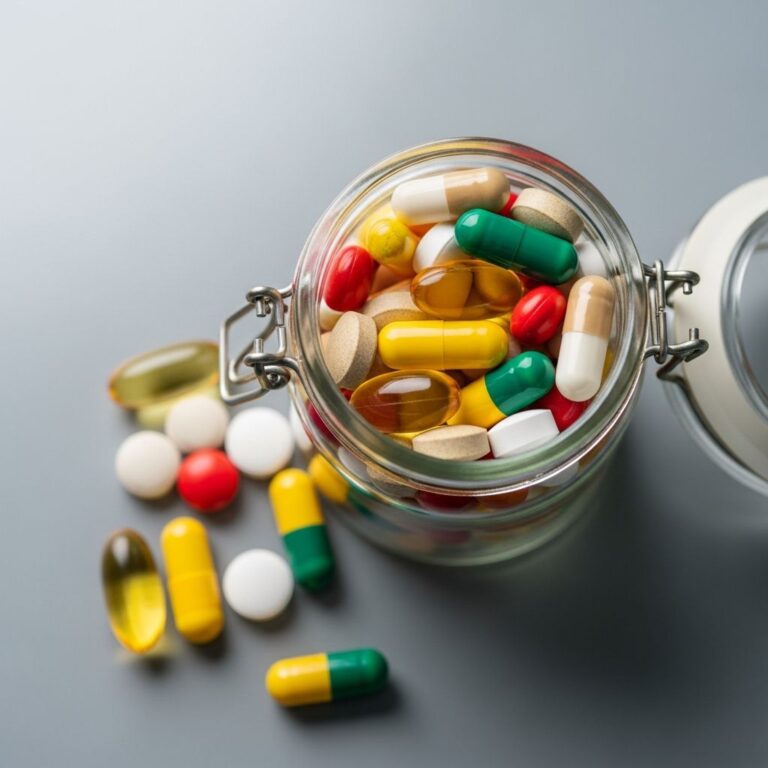
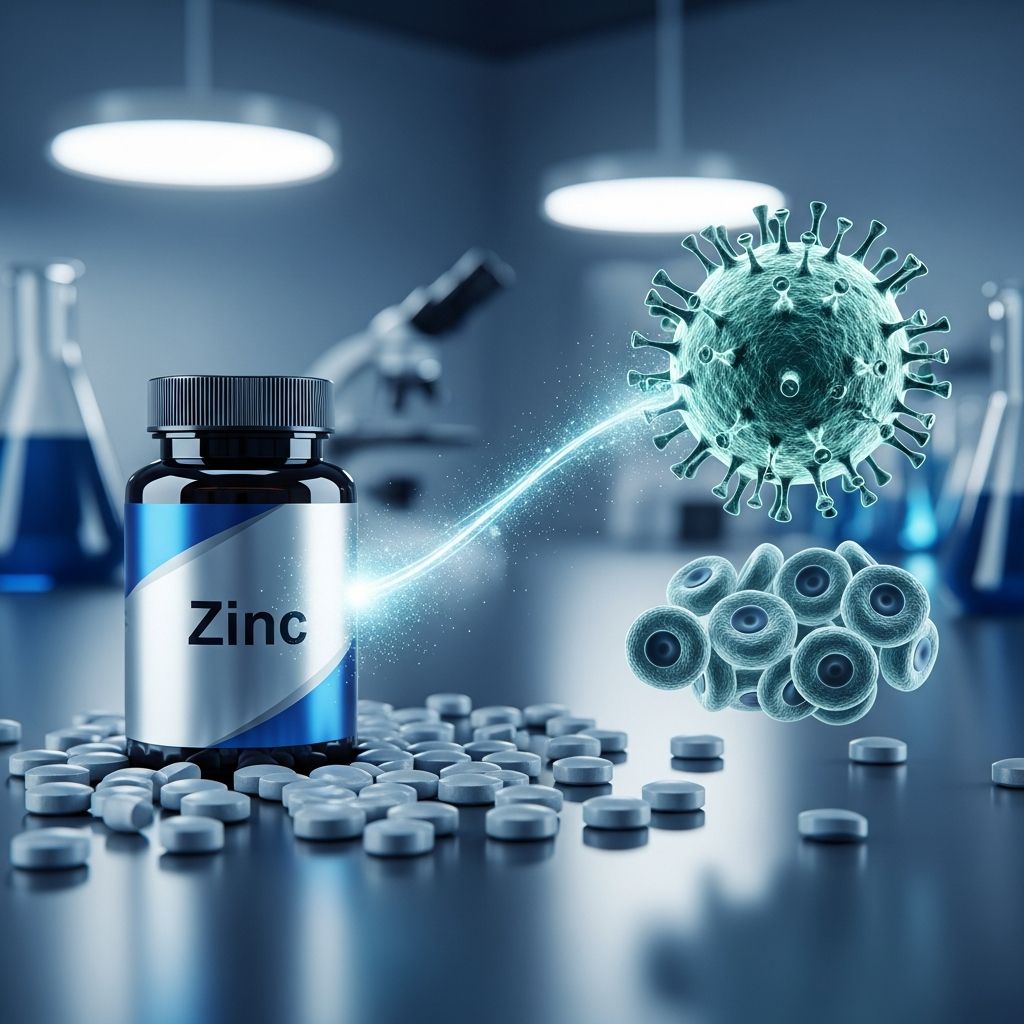
Zinc is an essential trace element that plays a critical role in immune function and has been the subject of considerable research regarding its potential benefits for COVID-19 patients. As the second most abundant essential trace element in the human body, zinc is fundamental to supporting the immune system’s response to infectious diseases. Given that coronaviruses frequently cause common colds and upper respiratory infections, scientists have investigated whether zinc could offer similar benefits for severe acute respiratory syndrome coronavirus 2 (SARS-CoV-2), the virus responsible for COVID-19.
The interest in zinc for COVID-19 stems from its well-documented effects on immune health and viral infections. Research has demonstrated that zinc deficiency is associated with increased susceptibility to various infectious pathogens, making supplementation particularly relevant during viral outbreaks. Furthermore, studies have shown that COVID-19 patients often have significantly lower zinc levels compared to healthy individuals, and this deficiency has been associated with a greater than five-fold increased likelihood of developing complications.
The Mechanism: How Zinc May Combat SARS-CoV-2
Understanding how zinc works against COVID-19 requires examining multiple biological mechanisms. Zinc interferes with viral replication by inhibiting the main protease, which is crucial for the virus’s ability to multiply. This protease inhibition has been observed in several RNA viruses, including poliovirus and influenza, and evidence suggests similar mechanisms apply to SARS-CoV-2.
Beyond direct antiviral effects, zinc operates through several complementary pathways:
- Immune modulation: Zinc acts as an immunoregulatory agent, supporting both innate and acquired immunity by modulating T and B lymphocytes
- Mucociliary clearance: Zinc may improve the body’s natural ability to clear viral particles from respiratory tissues
- Inflammation reduction: As a potent anti-inflammatory and anti-oxidative stress agent, zinc helps mitigate some of the severe inflammatory responses associated with COVID-19
- Interferon production: Zinc supports the restoration of interferon-alpha production, a key antiviral immune response
- Receptor binding inhibition: Zinc is implicated in inhibiting the virus’s binding to angiotensin-converting enzyme 2 (ACE2) receptors on cell membranes, preventing viral entry
- Secondary infection prevention: Zinc reduces the risk of secondary bacterial infections that often complicate COVID-19
Evidence from Clinical Research
Clinical evidence supporting zinc supplementation for COVID-19 continues to accumulate. A systematic review analyzing nine eligible studies found that zinc supplementation was associated with lower COVID-19 in-hospital mortality. The data revealed that in-hospital mortality in patients receiving zinc supplementation was 21.6%, compared to 23.04% in patients treated without zinc (odds ratio=0.71; 95% confidence interval: 0.62–0.81).
For shorter-term outcomes, 28- to 30-day mortality in zinc-treated patients was 7.7%, compared to 11.9% for patients who did not receive zinc supplementation, though this difference did not reach statistical significance. These findings suggest that zinc supplementation shows promise as an adjunct therapy, particularly for reducing in-hospital mortality rates.
Research extending from common cold studies provides additional context. A meta-analysis of seven randomized controlled trials demonstrated that zinc lozenges shortened the mean duration of common colds by 33% (95% confidence interval: 21%–45%). One double-blind study found that patients receiving zinc lozenges cleared symptoms more than three days earlier—4.4 days versus 7.6 days in the placebo group—and experienced fewer days with cough, headache, hoarseness, and nasal congestion.
Zinc Deficiency and COVID-19 Severity
An important consideration in zinc supplementation is the high prevalence of zinc deficiency worldwide, even in developed nations. Zinc deficiency is common and risks for deficiency can compound, making supplementation relevant both for preventing deficiency and for addressing acute deficiencies acquired during viral infections.
Related Stories



The relationship between zinc status and COVID-19 severity appears significant. Patients with lower zinc levels on admission to hospitals had higher mortality rates, highlighting the importance of adequate zinc status in disease outcomes. COVID-19 patients with zinc deficiency acquired during the acute infection may benefit from active monitoring and targeted interventions.
Dosage Recommendations and Administration
Optimal zinc dosing for COVID-19 remains an area of active research. One notable retrospective review examined high-dose oral zinc in outpatient COVID-19 patients, utilizing a frequent and high-dose regimen that differed significantly from previous approaches. The study employed zinc at higher frequencies (every 2-4 hours rather than once daily) and longer duration (more than 10 days rather than 5 days), using zinc gluconate or acetate rather than zinc sulfate.
The rationale for this dosing approach included three key considerations:
- Zinc may require frequent dosing to directly inhibit SARS-CoV-2 replication
- Two weeks of 200 mg zinc daily has demonstrated negligible toxicity
- Previous trials that failed to show benefit were often underdosed
Additionally, zinc gluconate was found to be better tolerated than zinc acetate in clinical observations, suggesting that the specific formulation may influence both efficacy and tolerability.
Safety Profile and Side Effects
A critical advantage of zinc supplementation is its favorable safety profile. Systematic review data indicates that zinc supplementation is risk-free in COVID-19 patients, with no documented negative side effects such as acute renal damage or increased requirements for mechanical ventilation compared to patients not receiving zinc. High-dose zinc therapy appears to be safe and feasible, with minimal peripheral infusion site irritation reported in COVID-19 patients.
This safety advantage is particularly important when considering zinc as an adjunct therapy. Unlike many pharmaceutical interventions, zinc supplementation carries minimal risk of serious adverse effects while offering potential benefits. Limited drug interactions further support its use alongside standard COVID-19 treatments.
Combination Therapies
Emerging research suggests that zinc may work synergistically with other interventions. Studies examining combinations have yielded promising results:
- Zinc plus vitamin C: Patients receiving a combination of zinc and vitamin C mounted a greater antibody response compared to other interventions, suggesting this combination could stimulate antibody production following SARS-CoV-2 infection
- Zinc plus doxycycline: The combination of doxycycline and zinc has demonstrated protective effects in COVID-19 patients
- Zinc with zinc ionophores: An intriguing mechanistic hypothesis suggests that providing zinc along with zinc ionophores as antiviral therapy may produce combined beneficial effects
Special Considerations: Duration and Symptom Recovery
Beyond mortality and general recovery, zinc supplementation appears to have specific benefits for symptom management. Zinc therapy plays a significant role in shortening the duration of smell recovery in COVID-19 patients, which is particularly relevant given that loss of taste and smell is a common symptom. This finding highlights zinc’s potential role in supporting sensory function recovery during the post-acute phase of infection.
The timing and duration of zinc supplementation may also matter. Outpatient COVID-19 patients taking high-dose oral zinc have been reported to recover shortly after initiating supplementation, though more research is needed to establish optimal timing relative to symptom onset.
Population Considerations
Zinc supplementation has particular relevance for vulnerable populations at higher risk of zinc deficiency. These groups include:
- Older adults, who often have inadequate zinc intake
- Individuals with chronic conditions affecting nutrient absorption
- Hospitalized patients requiring critical care
- Those in developing regions with limited nutritional resources
- Immunocompromised individuals who may benefit from enhanced immune support
For these populations, zinc provides a safe and cost-effective alternative to enhance immunity and potentially improve COVID-19 outcomes.
Current Research Status and Limitations
While the evidence base continues to grow, important limitations remain. Despite 12 clinical trials being underway investigating zinc supplementation for COVID-19, many promising direct antiviral effects still lack robust clinical data. Most existing studies are retrospective reviews or small-scale trials rather than large randomized controlled trials, which means further research is necessary to establish definitive efficacy.
The distinction between preexisting zinc deficiency and acute deficiency acquired during SARS-CoV-2 infection is important, as supplementation strategies may differ. This nuance requires careful clinical assessment and monitoring in individual patients.
Frequently Asked Questions
Q: Is zinc a cure for COVID-19?
A: No, zinc is not a COVID-19 cure, but it could help diminish the extent of illness and potentially reduce symptom duration. It functions best as an adjunct therapy alongside standard treatments rather than as a replacement for them.
Q: How much zinc should I take if I have COVID-19?
A: Optimal dosing varies based on individual factors and should be determined in consultation with a healthcare provider. Research suggests that frequent, higher-dose regimens may be more effective than single daily doses, but medical supervision is recommended.
Q: Can zinc help prevent COVID-19 infection?
A: Zinc is recommended as part of preventative supplementation for COVID-19 and general immune support, particularly for individuals at risk of zinc deficiency. However, it should not replace vaccination or other proven preventive measures.
Q: Are there any side effects from zinc supplementation?
A: Zinc supplementation for COVID-19 has demonstrated a favorable safety profile with minimal side effects. Two weeks of 200 mg daily zinc has negligible toxicity. However, extremely high doses over extended periods may cause issues, so appropriate dosing is important.
Q: Should everyone take zinc supplements for COVID-19?
A: Zinc supplementation is particularly beneficial for individuals with known or suspected deficiency, hospitalized patients, and vulnerable populations. However, supplementation decisions should be personalized based on individual health status and existing zinc levels.
Q: Which form of zinc is most effective?
A: Zinc gluconate and zinc acetate appear to be better tolerated than zinc sulfate in clinical settings. The specific formulation and dosing frequency may influence both effectiveness and tolerability.
Q: Can zinc interact with COVID-19 medications?
A: Zinc has limited drug interactions, making it a relatively safe complement to standard COVID-19 treatments. However, it is always advisable to inform healthcare providers about all supplementation to ensure comprehensive medication management.
References
- Zinc treatment of outpatient COVID-19: A retrospective review of 28 patients — National Center for Biotechnology Information (NCBI). 2021. https://pmc.ncbi.nlm.nih.gov/articles/PMC8013504/
- Zinc against COVID-19? Symptom surveillance and deficiency risk — PLOS Neglected Tropical Diseases. 2020. https://journals.plos.org/plosntds/article?id=10.1371%2Fjournal.pntd.0008895
- The effect of zinc supplementation on the course of COVID-19: A systematic review — Annals of Agricultural and Environmental Medicine. 2024. https://www.aaem.pl/The-effect-of-zinc-supplementation-on-the-course-of-COVID-19-A-systematic-review,155846,0,2.html
- Zinc could help diminish the extent of COVID-19 — UCHealth Today. 2020. https://www.uchealth.org/today/zinc-could-help-diminish-extent-of-covid-19/
- The nutritional roles of zinc for immune system and COVID-19 patients — Frontiers in Nutrition. 2024. https://www.frontiersin.org/journals/nutrition/articles/10.3389/fnut.2024.1385591/full
Similar Articles








Read full bio of medha deb