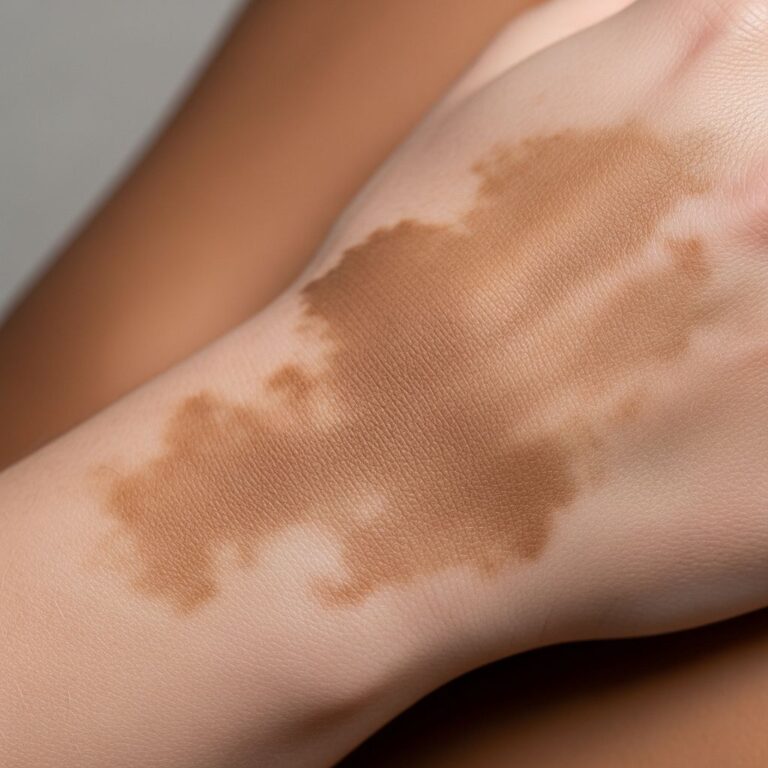
Zinc Oxide: Benefits, Uses, And Safety For Sensitive Skin
Discover zinc oxide's powerful benefits for skin protection, acne treatment, and sun safety, plus expert tips on safe usage.
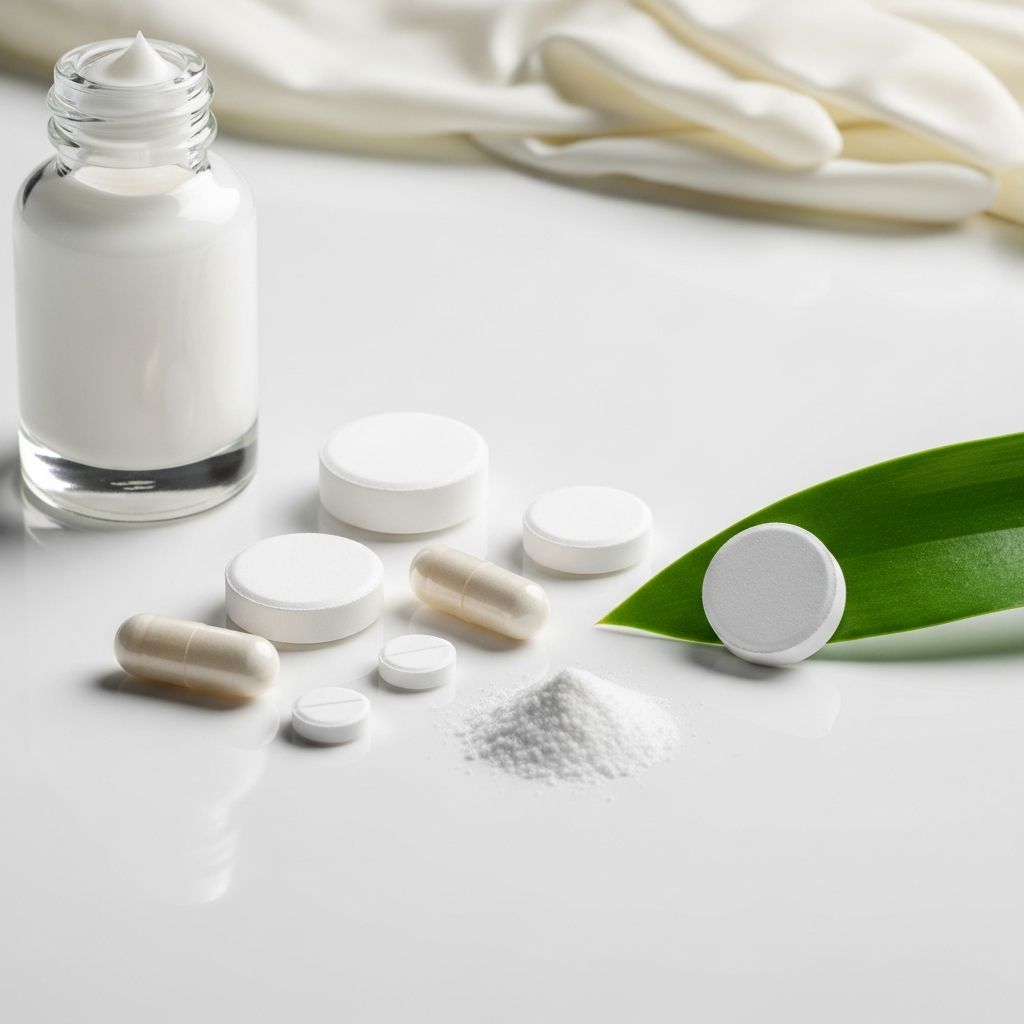
Zinc oxide is a white, powdery mineral compound widely used in skincare products for its protective and soothing properties. It forms a physical barrier on the skin to block harmful UV rays, treat irritations, and support healing. Unlike chemical sunscreens, zinc oxide sits on the skin’s surface, reflecting sunlight without absorption, making it suitable for sensitive skin.
What Is Zinc Oxide?
Zinc oxide (ZnO) is an inorganic compound derived from zincite mineral or synthesized industrially. In health and skincare, it’s recognized for its non-toxic, broad-spectrum UV protection and anti-inflammatory effects. The FDA classifies it as generally recognized as safe and effective (GRASE) for over-the-counter (OTC) topical uses like sunscreens and diaper rash treatments.
Historically used since ancient times for wound care, modern formulations include creams, ointments, pastes, lotions, and powders. Its insoluble nature in water prevents it from penetrating deep into the skin, reducing irritation risks compared to chemical filters.
Benefits of Zinc Oxide
Zinc oxide offers multiple evidence-based benefits, primarily for skin health due to its barrier-forming, antimicrobial, and anti-inflammatory properties.
- Sun Protection: Provides broad-spectrum UVA/UVB coverage by physically blocking rays. Studies show nanoparticle zinc oxide offers superior protection without compromising safety.
- Skin Soothing: Calms irritated skin, reduces redness, and promotes healing in conditions like diaper rash, minor burns, and cuts.
- Anti-Acne: Zinc’s antibacterial action targets Propionibacterium acnes, reducing inflammation and unclogging pores.
- Wound Healing: Supports tissue repair by maintaining a moist environment and preventing bacterial growth.
- Anti-Inflammatory: Lowers oxidative stress and inflammatory markers, beneficial for eczema and rosacea.
Common Uses of Zinc Oxide
Zinc oxide stars in various topical products for everyday and medical needs.
Sunscreen
As a mineral sunscreen active ingredient, zinc oxide reflects UV rays effectively. It’s ideal for children, pregnancy, and sensitive skin, with concentrations of 15-25% providing SPF 30+ protection. The Cleveland Clinic notes its use in lotions and sprays for daily application.
Diaper Rash Treatment
High-concentration pastes (up to 40%) create a barrier against moisture and irritants. Applied at each diaper change, it prevents and heals mild to moderate rashes.
Acne and Skin Treatments
In spot treatments or creams (1-10% zinc), it reduces blemishes and oil production. Combined with sulfur or salicylic acid, it enhances efficacy.
Wound Care and Minor Burns
Ointments protect cuts, scrapes, and sunburns, accelerating recovery by shielding from friction and bacteria.
Other Uses
- Rash creams for eczema or psoriasis.
- Lip balms for chapped skin.
- Post-workout balms to prevent chafing.
How Zinc Oxide Works
Zinc oxide’s mechanism relies on its physical and chemical properties. It forms a semi-permeable film that repels water, irritants, and microbes while allowing skin to breathe. For UV protection, larger particles scatter visible light (leaving a white cast), while nanoparticles enhance spreadability without gaps.
Antibacterial effects stem from zinc ions disrupting bacterial cell membranes. Anti-inflammatory action inhibits pro-inflammatory cytokines, as supported by NIH research on zinc’s role in reducing oxidative stress.
Related Stories



| Feature | Zinc Oxide (Physical) | Chemical Filters |
|---|---|---|
| Mechanism | Reflects/blocks UV | Absorbs UV, converts to heat |
| Skin Penetration | Minimal (surface barrier) | Absorbed into skin |
| Best For | Sensitive skin, babies | Water-resistant activities |
| Irritation Risk | Low | Higher (allergies common) |
| White Cast | Possible (non-nano) | None |
Safety and Side Effects
Zinc oxide is safe for most users when used as directed. Topical absorption is negligible, avoiding systemic effects seen with oral zinc overdose.
- Common Side Effects: Rare mild stinging or dryness; discontinue if rash develops.
- Allergies: Uncommon; patch test new products.
- Nanoparticles: FDA deems safe; no evidence of penetration beyond stratum corneum.
- Ingestion Risk: Avoid swallowing large amounts; may cause nausea.
Pregnant individuals and infants can use it safely under medical guidance.
Zinc Oxide for Specific Skin Conditions
Diaper Rash
Apply thick layer to clean, dry skin. Combines with petrolatum for enhanced barrier. NIH data links zinc deficiency to poor healing, underscoring topical benefits.
Acne
Daily use reduces lesions by 30-50% in studies. Pairs well with retinoids.
Eczema and Rosacea
Soothing barrier relieves flare-ups; use fragrance-free formulas.
Sunburn and Minor Wounds
Aloe-infused versions cool and heal faster than petrolatum alone.
How to Use Zinc Oxide Products
- Clean and dry the affected area.
- Apply a thin, even layer; thicker for barriers (e.g., diaper rash).
- Reapply sunscreen every 2 hours or after swimming/sweating.
- Combine with moisturizers if needed, but test for compatibility.
- Store in cool, dry place; check expiration.
For sunscreens, seek ‘broad-spectrum’ and ‘water-resistant’ labels with SPF 30+.
Dosage and Product Selection
No strict dosage for topicals; follow product instructions. Sunscreens: 1 oz (shot glass) for full body. Choose non-comedogenic, hypoallergenic options. Consult dermatologists for chronic issues.
Frequently Asked Questions (FAQs)
What is zinc oxide used for?
Zinc oxide treats diaper rash, sunburn, acne, cuts, and provides sun protection in creams and ointments.
Is zinc oxide safe for babies?
Yes, it’s a first-line treatment for diaper rash and safe in mineral sunscreens for infants over 6 months.
Does zinc oxide clog pores?
Non-comedogenic forms don’t; it’s suitable for acne-prone skin.
Can zinc oxide replace chemical sunscreen?
Yes, it offers reliable broad-spectrum protection without absorption risks.
Is zinc oxide reef-safe?
Yes, unlike oxybenzone; Hawaii bans chemical sunscreens favoring zinc.
How does oral zinc differ from topical oxide?
Oral supports immunity systemically; topical is for skin barrier only, poorly absorbed orally.
Who Should Use Zinc Oxide?
Ideal for sensitive skin, children, pregnant people, athletes, and outdoor workers. Those with zinc deficiency may benefit doubly, as per NIH guidelines.
Avoid if allergic to zinc. Patch test always.
Conclusion
Zinc oxide stands out for safe, effective skin protection and treatment. Its barrier properties, backed by clinical evidence, make it a staple in dermatology. Incorporate it mindfully for optimal skin health.
References
- Zinc: Benefits, Deficiency, Food Sources and Side Effects — Healthline. 2023-10-15. https://www.healthline.com/nutrition/zinc
- Zinc: Benefits, sources, and side effects — Medical News Today. 2023-08-20. https://www.medicalnewstoday.com/articles/263176
- Zinc – Health Professional Fact Sheet — Office of Dietary Supplements, NIH (.gov). 2024-06-07. https://ods.od.nih.gov/factsheets/Zinc-HealthProfessional/
- Zinc Oxide: Brands & Uses — Cleveland Clinic (.org). 2024-02-12. https://my.clevelandclinic.org/health/drugs/18700-zinc-oxide-cream-ointment-paste
Similar Articles








Read full bio of Sneha Tete