Zinc Sulfate Tablets (Solvazinc, AadZinc)
Comprehensive guide to zinc sulfate tablets for treating zinc deficiency, including usage, dosage, side effects, and precautions.
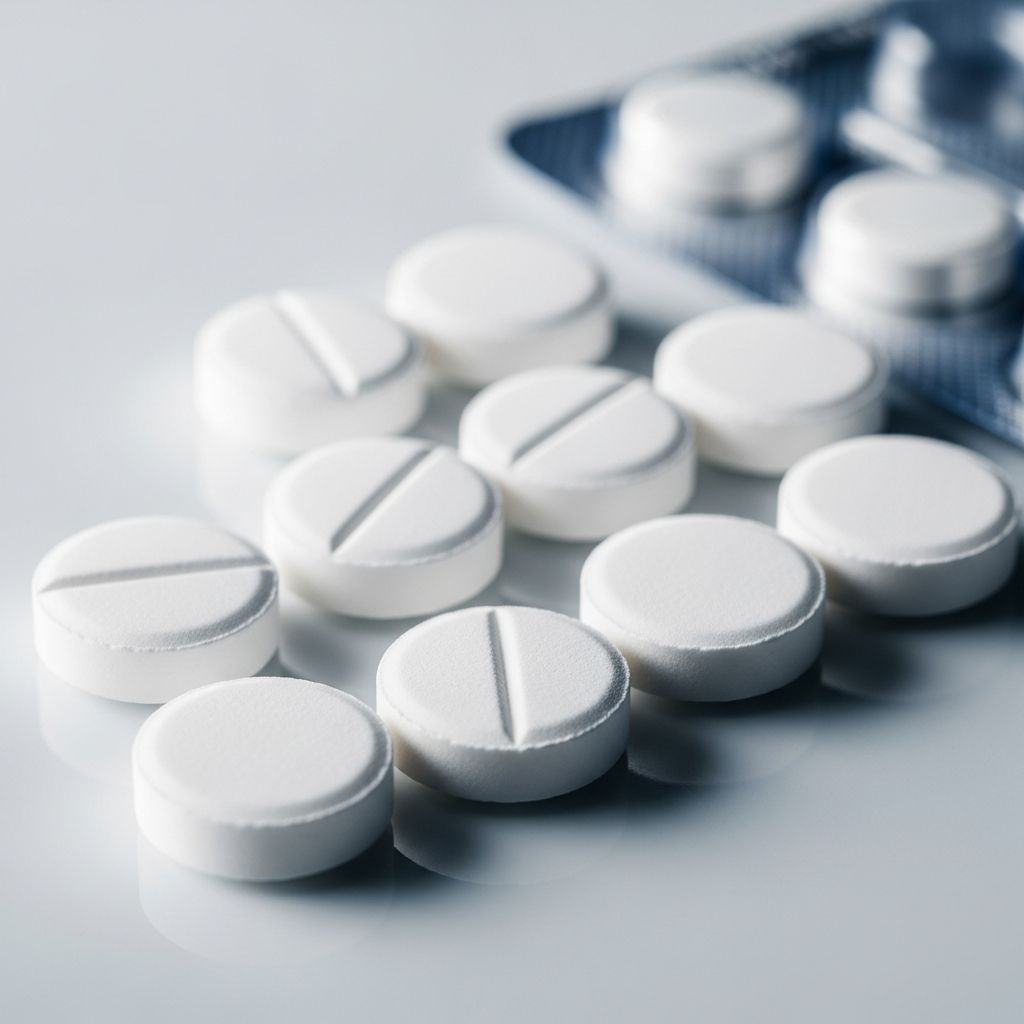
Zinc sulfate tablets, such as Solvazinc® and AadZinc®, are effervescent formulations used to address
zinc deficiency
. These dissolvable tablets provide an essential mineral vital for numerous bodily functions.| Type of medicine | A mineral |
|---|---|
| Used for | Zinc deficiency |
| Also called | Solvazinc®, AadZinc®, ZincoPhate® |
| Available as | Effervescent (dissolvable) tablets, capsules |
Solvazinc® and AadZinc® tablets are effervescent—dissolve the tablet in a glass of water before swallowing. ZincoPhate® capsules should be swallowed whole with a glass of water; do not open the capsules. Take each dose just after a meal or with a snack.
About zinc sulfate
Zinc is a vital trace mineral essential for over 300 enzymes in the body, supporting immune function, wound healing, DNA synthesis, protein production, and cell division. It plays a key role in maintaining skin integrity, taste, smell, and growth.
Zinc deficiency can arise from inadequate dietary intake, malabsorption syndromes (e.g., Crohn’s disease, celiac disease), increased losses (e.g., burns, trauma, diarrhea), or conditions like pregnancy, lactation, or total parenteral nutrition (TPN). Symptoms include impaired immune response, hair loss, diarrhea, loss of appetite, poor wound healing, skin lesions, and altered taste/smell.
Zinc sulfate replenishes low zinc levels or prevents deficiency. It is used alone or with oral rehydration therapy (ORT) for acute diarrhea in children, reducing duration and severity. As a topical astringent, it aids minor skin irritations. In intravenous form, it supplements TPN solutions.
Conditions warranting supplementation include large skin burns, injuries, metabolic diseases impairing zinc absorption, and zinc-deficient diarrhea in children under 5. Excess zinc, however, causes toxicity, so supplements are prescribed only when deficiency is confirmed.
**Key benefits:**
- Treatment and prevention of zinc deficiency
- Adjunct to ORT for diarrhea in children, shortening episodes and preventing recurrence
- Supports wound healing and sensory functions
Before taking zinc sulfate
Consult your doctor or pharmacist before starting to ensure suitability. Inform them if:
- You are pregnant or breastfeeding—zinc needs may increase, but doses must be monitored
- You have kidney problems—impaired clearance may lead to accumulation
- You have copper deficiency—high zinc interferes with copper absorption
- You take other medications, including over-the-counter, herbal, or complementary therapies
- You’ve had allergic reactions to medicines
**Contraindications:** Avoid in sideroblastic anemia or known copper deficiency, as high zinc doses exacerbate these. No absolute contraindications for standard use, but caution in vomiting children—repeat dose if vomited within 30 minutes.
**Drug interactions:**
- Iron, calcium, or ferrous salts reduce zinc absorption—separate by 2 hours
- Tetracyclines, fluoroquinolones: Zinc decreases their absorption—take zinc 2 hours before
- Penicillamine, chelators: Reduce zinc absorption
- Thiazides may increase zinc excretion
Zinc excess can induce copper deficiency, leading to sideroblastic anemia (reversible upon discontinuation).
How to take zinc sulfate
Read the manufacturer’s leaflet for full details on usage and side effects. Follow your doctor’s or pharmacist’s dose instructions, printed on the label.
**Dosage guidelines:**
| Age/Group | Dose | Frequency/Duration |
|---|---|---|
| Adults/Children >30kg (~10 years) | 1 tablet (20mg elemental zinc) | 1-3 times daily |
| Infants 2-6 months | ½ tablet (10mg) | Once daily for 10-14 days with ORT |
| Children 6 months-5 years | 1 tablet (20mg) | Once daily for 10-14 days with ORT |
Related Stories



Dissolve effervescent tablets (e.g., Solvazinc®) in a glass of water. Swallow capsules whole with water. Take with food or snack to minimize stomach upset.
For diarrhea: Dissolve in 5ml teaspoon of water; administer entire spoonful daily alongside ORT for 10-14 days.
If you miss a dose, take the next one as scheduled—do not double up.
Getting the most from your treatment
- Attend follow-up appointments for progress checks, including zinc level monitoring
- Consult pharmacist before buying other medicines—avoid iron/calcium products concurrently
- Inform antibiotic prescribers of zinc use, as it may reduce efficacy of some types
- Maintain a balanced diet; zinc sulfate supplements dietary shortfalls, not replaces food sources like meat, shellfish, legumes, nuts
- For diarrhea treatment, combine with ORT to optimize recovery and prevent dehydration
Regular monitoring prevents over-supplementation, which risks toxicity.
Can zinc sulfate cause problems?
Most people tolerate zinc sulfate well at prescribed doses. Common side effects are mild and transient.
| Side Effect | What to Do |
|---|---|
| Stomach pain, indigestion, nausea, vomiting | Stick to simple meals; avoid spicy/rich foods |
| Diarrhea | Drink plenty of fluids |
| Headache | Hydrate; use pharmacist-recommended painkiller. Consult doctor if persistent |
| Fatigue, irritability | Usually passes quickly |
**Serious effects (high doses):**
- Sideroblastic anemia, low white cells from copper deficiency
- Low blood copper/iron levels
These reverse after stopping excess zinc. Seek immediate medical help for severe symptoms like persistent vomiting or anemia signs.
Overdose risks toxicity: nausea, vomiting, lethargy, hypotension. Topical use may cause irritation.
How to store zinc sulfate
Store below 25°C in original packaging, away from moisture, heat, and light. Keep out of reach of children. Do not use after expiry date. Dispose of unused medicine via pharmacy take-back.
Effervescent tablets: Store in dry conditions to prevent degradation.
Important information about all medicines
Never share medicines. Take exactly as directed. Report new symptoms promptly. For emergencies, contact healthcare services. This guide supplements, not replaces, professional advice.
Frequently Asked Questions (FAQs)
Q: What is zinc sulfate used for?
A: Primarily for treating or preventing zinc deficiency, and as adjunct therapy for diarrhea in children under 5, alongside ORT.
Q: How should I take effervescent zinc tablets?
A: Dissolve in water and take with food to reduce stomach upset. Capsules: swallow whole.
Q: Can zinc sulfate be taken with antibiotics?
A: Inform your doctor; it may interfere with tetracyclines or quinolones—space doses by 2 hours.
Q: What are signs of zinc deficiency?
A: Poor wound healing, hair loss, diarrhea, taste/smell changes, weakened immunity.
Q: Is zinc safe during pregnancy?
A: Yes, if prescribed; needs may rise, but consult a doctor.
Q: What if my child vomits after the dose?
A: Re-administer if within 30 minutes.
Word count: 1678 (excluding HTML tags and metadata)
References
- Zinc (as sulphate) 20mg dispersible tablet (ZINCOL® 20) Patient Information Leaflet — Rwanda FDA. 2024-05. https://rwandafda.gov.rw/wp-content/uploads/2024/05/ZINCOL_20_Zinc(as%20Sulphate)_20mg%20dispersible%20tablets_PIL.pdf
- Zinc sulfate: Uses, Interactions, Mechanism of Action — DrugBank Online. Accessed 2026. https://go.drugbank.com/drugs/DB09322
- Zinc Sulfate – Oral Patient Medicine Information — MIMS Singapore. Accessed 2026. https://www.mims.com/singapore/drug/info/zinc-sulfate/patientmedicine/zinc-sulfate-oral
- Zinc sulfate tablets (Solvazinc, AadZinc) — Patient.info. Accessed 2026. https://patient.info/medicine/zinc-sulfate-tablets-solvazinc-aadzinc
- Zinc Sulfate Oral — MSF Medical Guidelines. Accessed 2026. https://medicalguidelines.msf.org/en/viewport/EssDr/english/zinc-sulfate-oral-16684806.html
- Zinc (as sulfate monohydrate) 20mg Tablets Patient Information Leaflet — WHO Prequalification. Accessed 2026. https://extranet.who.int/prequal/sites/default/files/whopar_files/DI002part3v1.pdf
- Zinc deficiency, excess and supplementation — Patient.info Doctor. Accessed 2026. https://patient.info/doctor/dermatology/zinc-deficiency-excess-and-supplementation-pro
- Zinc – Health Professional Fact Sheet — Office of Dietary Supplements, NIH (.gov). 2025 (updated). https://ods.od.nih.gov/factsheets/Zinc-HealthProfessional/
Similar Articles








Read full bio of medha deb