Zinc: What It Does for the Body and Best Food Sources
Discover zinc's vital role in immunity, growth, and healing, plus the best dietary sources.
Zinc: An Essential Mineral for Optimal Health
Zinc is a vital trace mineral that your body needs in small amounts to function properly, yet it plays an outsized role in maintaining overall health and wellness. As one of the most abundant minerals in the human body after iron, zinc serves as a critical cofactor for more than 100 enzymes that drive essential chemical reactions throughout your system. From supporting your immune system to facilitating wound healing and promoting normal growth and development, zinc touches nearly every aspect of your physical well-being. Understanding what zinc does for your body and how to maintain adequate levels through diet can help you optimize your health and prevent the consequences of deficiency.
What Zinc Does for Your Body
Zinc is remarkably versatile in its functions. It is a major player in the creation of DNA, the growth of cells, the building of proteins, the healing of damaged tissue, and the support of a healthy immune system. Because zinc helps cells to grow and multiply, adequate zinc is required during times of rapid growth, such as childhood, adolescence, and pregnancy. The mineral is involved with the senses of taste and smell, and it contributes to protein structure and gene expression regulation.
Immune System Support
One of zinc’s most critical roles is in supporting immune function. Zinc supports the growth and normal functioning of immune cells, including lymphocytes, neutrophils, and macrophages that protect the body from viruses and bacteria. Even a mild or moderate deficiency can slow down the activity of these protective cells, making you more vulnerable to infections. This is particularly concerning for children in low and middle-income countries, where zinc deficiency is a common health problem that contributes to stunting of growth, diarrhea, pneumonia, and malaria. Similarly, the elderly who may have low zinc intakes from a poor appetite due to multiple diseases and medications are at risk for infections, such as pneumonia and skin ulcers.
Growth and Development
During childhood and adolescence, zinc is essential for proper growth and development. Research has demonstrated that zinc supplementation in infants and early childhood increases specific growth outcomes, with evidence for potentially stronger effects after 2 years of age. Among children aged 2 years and older, zinc supplementation increased height significantly and improved height-for-age Z scores. This connection between zinc and growth makes adequate intake particularly important for parents seeking to support their children’s development.
Wound Healing and Tissue Repair
Zinc is a cofactor for polymerases and proteases involved in wound repair and intestinal epithelial cell regeneration. This means that adequate zinc levels are essential for your body’s ability to heal cuts, scrapes, and other injuries efficiently. Athletes, individuals recovering from surgery, and those with chronic wounds all benefit from maintaining optimal zinc levels to support the healing process.
Enzyme Function and Metabolism
Zinc catalyzes enzyme activity and contributes to protein structure, making it essential for numerous metabolic processes. It is involved in cell division, intestinal electrolyte absorption, neurotransmission, immune response, and enzymatic catalysis or stabilization. Through these pathways, zinc contributes to DNA and RNA synthesis, protein metabolism, and overall growth and development.
How Much Zinc Do You Need?
The Recommended Dietary Allowance (RDA) provides guidance on daily zinc intake based on age and life stage. For adults 19 years and older, the RDA is 11 mg per day for men and 8 mg per day for women. Pregnancy and lactation require slightly more at 11 mg and 12 mg per day, respectively. These recommendations ensure that you maintain adequate zinc levels to support all of the mineral’s vital functions without exceeding safe upper limits.
Related Stories



Best Food Sources of Zinc
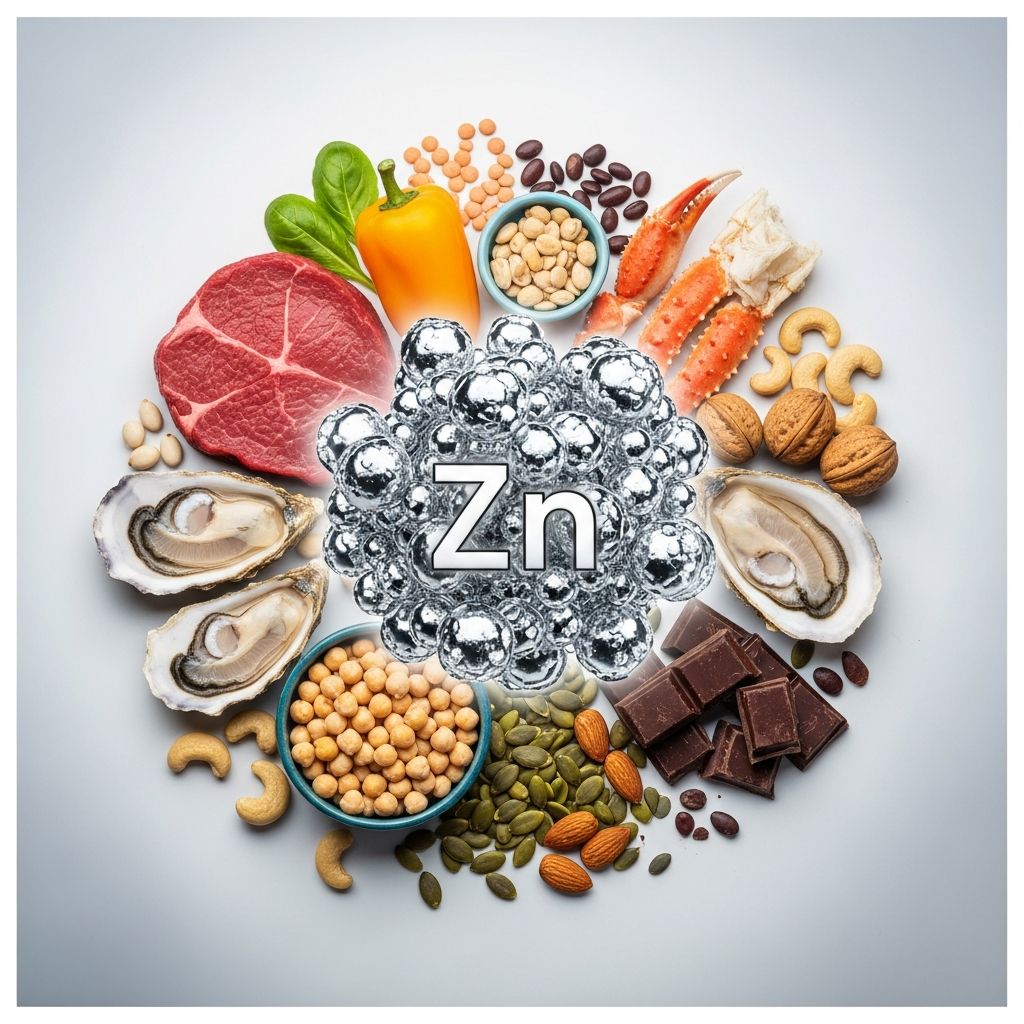
Zinc is found in a variety of foods, and incorporating these sources into your regular diet is the most natural and effective way to maintain adequate zinc levels. Animal-based sources tend to be particularly rich in bioavailable zinc, meaning your body can absorb and utilize it more efficiently than from plant-based sources.
Animal-Based Sources
The richest sources of zinc include beef, poultry, and seafood. Shellfish, in particular, are exceptionally high in zinc and provide substantial amounts in relatively small servings. Other excellent animal-based sources include:
– Lean meat (beef, lamb, pork)- Poultry (chicken, turkey)- Fish and seafood (oysters, crab, lobster, shrimp)- Eggs- Dairy products (cheese, milk, yogurt)
Plant-Based Sources
For vegetarians and vegans, zinc is available from plant sources, though the absorption rate may be lower due to the presence of compounds that inhibit zinc uptake. Good plant-based zinc sources include:
– Legumes (beans, lentils, chickpeas)- Nuts and seeds (pumpkin seeds, cashews, almonds)- Whole grains- Fortified cereals- Wheat germ
Zinc Content Comparison Table
| Food Source | Serving Size | Zinc Content (mg) | % of RDA (Men) |
|---|---|---|---|
| Oysters (cooked) | 3 ounces | 32 | 291% |
| Beef (cooked) | 3 ounces | 7 | 64% |
| Crab (cooked) | 3 ounces | 6.5 | 59% |
| Chicken (cooked) | 3 ounces | 2.4 | 22% |
| Pumpkin seeds | 1 ounce | 8.5 | 77% |
| Cashews | 1 ounce | 1.6 | 15% |
| Chickpeas (cooked) | 1 cup | 2.4 | 22% |
| Wheat germ | 2 tablespoons | 2.4 | 22% |
Signs and Symptoms of Zinc Deficiency
Zinc deficiency can develop gradually and its symptoms are often nonspecific, making it easy to overlook. Globally, nearly 1 in 5 (17%) of the world’s population is at risk of zinc deficiency due to inadequate dietary intake of major sources including lean meat, shellfish, and nuts, with Asia and Africa having the highest prevalence. Common symptoms of zinc deficiency include:
– Growth retardation in children- Diarrhea- Hair loss (alopecia)- Tongue inflammation (glossitis)- Nail dystrophy or damage- Decreased immunity and increased infections- Hypogonadism in males- Loss of taste and smell- Delayed wound healing- Skin rashes and dermatitis
Certain populations are at higher risk for zinc deficiency, including patients with malnutrition, alcoholism, inflammatory bowel disease, and malabsorption syndromes. Additionally, vegetarians and vegans may be at increased risk due to the lower bioavailability of zinc from plant sources and the presence of inhibitors like phytates that reduce zinc absorption.
Who Should Consider Zinc Supplements
While obtaining zinc from food is ideal, some individuals may benefit from supplements. Commercial zinc supplements contain 7 to 80 mg of elemental zinc and are commonly formulated as zinc oxide or salts with acetate, gluconate, and sulfate. Zinc supplements are commonly used to alleviate a number of conditions, including zinc-deficient states, diarrhea, age-related macular degeneration, upper respiratory infection (URI), wound healing, and human immunodeficiency virus (HIV). However, supplementation should be approached carefully, as excessive zinc intake can interfere with copper absorption and cause toxicity.
Zinc and Upper Respiratory Infections
A meta-analysis including 12 randomized controlled trials with a total of 5,512 children in developing countries found a reduction in upper respiratory infection incidence in those using zinc supplements compared with placebo (8 percent; 95% CI, 1 to 15 percent). Regarding treatment, a meta-analysis of eight randomized controlled trials with 890 predominantly adult participants with URI in industrialized countries who were treated with zinc lozenges found no evidence of a statistically significant reduction in duration.
Zinc Absorption and Bioavailability
Zinc is absorbed in the small intestine, and its absorption can be influenced by various dietary factors. Prolonged, severe decreases or increases in zinc intake are necessary to substantially affect zinc stores, which means your body maintains some ability to regulate zinc levels. However, the bioavailability of zinc varies depending on the food source and what else you consume. Animal-based sources provide more readily absorbable zinc than plant-based sources, which contain compounds like phytates and tannins that can inhibit zinc absorption.
To enhance zinc absorption, consider consuming zinc-rich foods with vitamin C-containing foods, as vitamin C can improve mineral absorption. Conversely, consuming large amounts of calcium or iron supplements at the same time as zinc may reduce zinc absorption.
Frequently Asked Questions
Q: Can I get too much zinc?
A: Yes, excessive zinc intake can be harmful. The upper tolerable intake level for adults is 40 mg per day. Too much zinc can interfere with copper absorption, impair immune function, cause nausea, and interact with certain medications. It is best to obtain zinc from food sources when possible and only use supplements under medical guidance.
Q: Is zinc deficiency common in developed countries?
A: Zinc deficiency is less common in developed countries with diverse food supplies, but it can still occur in individuals with certain medical conditions, malabsorption issues, restricted diets, or the elderly with poor appetites. Vegetarians and vegans may also need to be more mindful of their zinc intake.
Q: How long does it take to correct a zinc deficiency?
A: The time required to correct zinc deficiency depends on the severity of the deficiency and the form of treatment. With adequate dietary intake or appropriate supplementation, improvements in immunity and symptom resolution can often be observed within several weeks to months.
Q: Can children take zinc supplements?
A: Children can benefit from zinc supplementation when deficiency is present or when recommended by a healthcare provider, particularly in developing countries. Research has shown that zinc supplementation in infants and early childhood increases specific growth outcomes. However, supplementation should be appropriate to the child’s age and weight and should be supervised by a healthcare professional.
Q: Are plant-based zinc sources as effective as animal-based sources?
A: Plant-based zinc sources are less bioavailable than animal-based sources due to the presence of compounds like phytates that inhibit absorption. However, they can still contribute meaningfully to zinc intake, especially when consumed in combination with vitamin C-rich foods or when plant sources are soaked or fermented to reduce inhibitors.
Q: Does cooking affect zinc content in foods?
A: Cooking methods generally do not significantly deplete zinc content, though some water-soluble minerals may be lost if foods are boiled in large amounts of water. Steaming and baking are good cooking methods that preserve zinc content.
Practical Tips for Maintaining Optimal Zinc Levels
– Include protein-rich animal sources in your diet several times per week, such as lean beef, poultry, or seafood- If you follow a vegetarian or vegan diet, combine plant-based zinc sources with vitamin C to enhance absorption- Soak or sprout legumes and grains to reduce phytates and increase zinc bioavailability- Be aware of your zinc intake if you are pregnant, lactating, or have a medical condition affecting absorption- Avoid excessive supplementation and consult with a healthcare provider before starting zinc supplements- Monitor for symptoms of deficiency, particularly if you are in a high-risk group
Conclusion
Zinc is an essential mineral that plays critical roles in immunity, growth, wound healing, and countless enzymatic processes throughout your body. By understanding its functions and maintaining adequate intake through a balanced diet rich in zinc-containing foods, you can support your overall health and prevent the complications associated with deficiency. Whether you obtain zinc from animal sources like beef and seafood or from plant-based options like legumes and nuts, ensuring consistent dietary intake remains the most effective strategy for maintaining optimal zinc levels and supporting your body’s vital functions.
References
- Effect of Zinc Supplementation on Growth Outcomes in Children — Harvard University. 2024. https://dash.harvard.edu/bitstreams/7312037e-b5d6-6bd4-e053-0100007fdf3b/download
- Zinc: An Essential Micronutrient — National Center for Biotechnology Information (NIH). 2009. https://pmc.ncbi.nlm.nih.gov/articles/PMC2820120/
- Zinc and Your Health – The Nutrition Source — Harvard T.H. Chan School of Public Health. 2024. https://nutritionsource.hsph.harvard.edu/zinc/
Similar Articles








Read full bio of Sneha Tete