Zoledronic Acid: 6 Uses, Dosage, And Risks
Comprehensive insights into zoledronic acid: its vital role in managing bone disorders, cancer complications, and osteoporosis prevention with detailed usage and safety information.
Zoledronic acid stands as a potent bisphosphonate medication primarily employed to combat bone-related conditions stemming from cancer, osteoporosis, and other disorders. Administered intravenously, it effectively curbs excessive bone breakdown, thereby fortifying skeletal integrity and mitigating fracture risks.
Understanding the Fundamentals of Zoledronic Acid
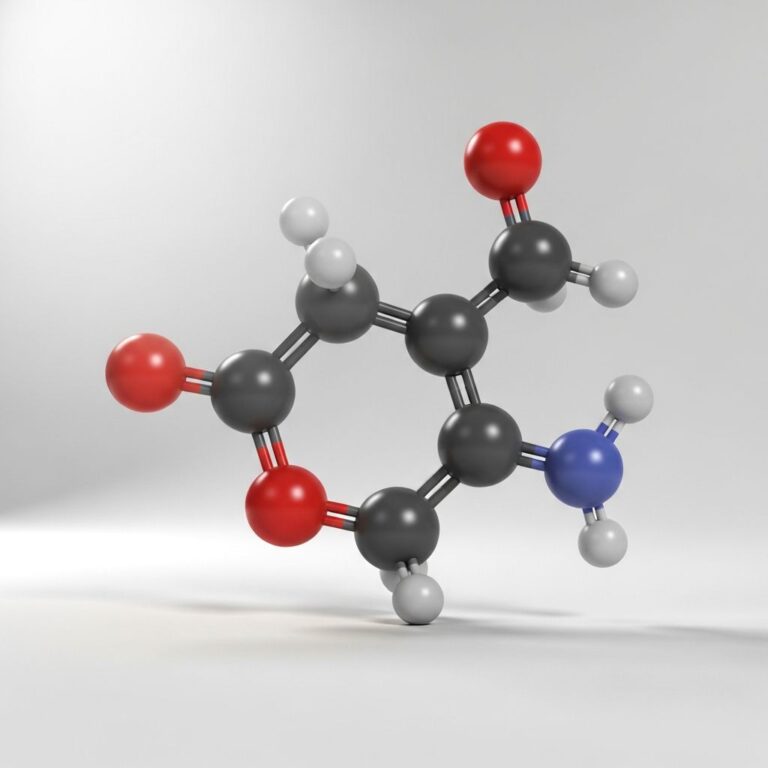
This third-generation nitrogen-containing bisphosphonate targets osteoclasts, the cells responsible for bone resorption. By inhibiting enzymes crucial for osteoclast function, such as farnesyl pyrophosphate synthase and geranylgeranyl pyrophosphate synthase, zoledronic acid disrupts the prenylation of GTP-binding proteins, leading to osteoclast apoptosis. This mechanism not only strengthens bones but also addresses pathological bone loss.
Available under brand names like Zometa for oncology applications and Reclast or Aclasta for osteoporosis management, zoledronic acid offers a convenient once-yearly dosing regimen for many indications, enhancing patient adherence compared to daily oral bisphosphonates.
Primary Medical Applications
Zoledronic acid addresses a spectrum of bone conditions:
- Cancer-Associated Hypercalcemia: Rapidly lowers elevated blood calcium levels triggered by malignancies, preventing severe complications like kidney failure or cardiac issues.
- Bone Metastases and Multiple Myeloma: Reduces skeletal-related events such as fractures, spinal cord compression, and the need for radiation or surgery in patients with solid tumors or blood cancers affecting bones.
- Osteoporosis Management: Prevents and treats postmenopausal osteoporosis in women, osteoporosis in men, and glucocorticoid-induced bone loss, significantly boosting bone mineral density and cutting fracture incidence.
- Paget’s Disease of Bone: Normalizes irregular bone remodeling, alleviating pain and deformity risks with a single infusion in many cases.
In breast cancer contexts, it may also diminish recurrence risks by curbing bone microenvironment support for cancer cells.
Dosage and Administration Protocols
Zoledronic acid is exclusively given as an intravenous infusion by healthcare professionals in clinical settings. Protocols vary by condition:
| Indication | Dose | Frequency | Infusion Duration |
|---|---|---|---|
| Hypercalcemia of Malignancy | 4 mg | Single dose, repeatable if needed | ≥15 minutes |
| Multiple Myeloma / Bone Metastases | 4 mg | Every 3-4 weeks | ≥15 minutes |
| Osteoporosis Treatment | 5 mg (Reclast) | Once yearly | ≥15 minutes |
| Osteoporosis Prevention | 5 mg | Every 2 years | ≥15 minutes |
| Paget’s Disease | 5 mg | Single dose | ≥15 minutes |
| Glucocorticoid-Induced Osteoporosis | 5 mg | Once yearly | ≥15 minutes |
Prior to each dose, assess renal function via serum creatinine and creatinine clearance; withhold if clearance is below 35 mL/min. Hydration is critical, especially for cancer patients. Calcium (1,000-1,500 mg daily) and vitamin D (400-800 IU daily) supplementation is recommended to avert hypocalcemia.
Pharmacokinetics and Effectiveness Data
Following infusion, zoledronic acid rapidly binds to bone hydroxyapatite and is released gradually during resorption, providing prolonged effects lasting months to years. Clinical trials demonstrate up to 70% reduction in skeletal events for bone metastases and 40-50% fracture risk drop in osteoporosis patients.
For hypercalcemia, normalization occurs within 4-7 days in over 80% of cases. In Paget’s disease, bone turnover markers normalize in 6 months for most.
Potential Adverse Effects and Management
While generally well-tolerated, zoledronic acid carries risks:
- Acute Phase Reactions: Flu-like symptoms (fever, myalgia, arthralgia) in 20-30% after first dose, resolving in 3-5 days; mitigated by acetaminophen.
- Renal Impairment: Monitor creatinine; rare acute failure with rapid infusion or dehydration.
- Osteonecrosis of the Jaw (ONJ): Incidence 1-2% in cancer patients; dental check-ups advised pre-treatment.
- Atypical Femoral Fractures: Rare with long-term use; symptoms include thigh pain.
- Hypocalcemia: Prevent with supplements; monitor in at-risk patients.
- Ocular Issues: Conjunctivitis, uveitis; discontinue if severe.
Serious allergic reactions, though uncommon, demand immediate cessation.
Contraindications and Precautions
Avoid in uncorrected hypocalcemia, creatinine clearance <35 mL/min, or pregnancy (Category D; potential fetal harm). Use cautiously in hepatic impairment. Not for patients with recent dental procedures or poor oral hygiene due to ONJ risk. Discontinue NSAIDs 48 hours pre/post-infusion if possible.
Related Stories



Interactions with Other Medications
- Nephrotoxic Drugs: Aminoglycosides, loop diuretics heighten renal risk.
- Proton Pump Inhibitors: May reduce absorption of oral bisphosphonates but irrelevant for IV.
- Calcium-Containing IV Solutions: Precipitate formation; use saline diluent.
Lifestyle Recommendations for Optimal Results
Complement therapy with weight-bearing exercises, smoking cessation, limited alcohol, and a calcium-rich diet. Regular bone density scans and blood tests ensure efficacy and safety.
Special Considerations Across Patient Groups
Elderly Patients
Frail kidneys increase toxicity risk; dose adjustments based on clearance are essential.
Pregnancy and Breastfeeding
Contraindicated; minimal data, but animal studies show skeletal defects. Not recommended during lactation.
Pediatric Use
Not approved; limited safety data.
Monitoring and Follow-Up Essentials
Baseline and pre-dose labs include creatinine, calcium, phosphate, magnesium, PTH. Dental evaluations annually. Report jaw pain, thigh discomfort, or vision changes promptly.
Frequently Asked Questions (FAQs)
What if I miss a dose of zoledronic acid?
Contact your provider for rescheduling; effects persist long-term, but consistency matters for osteoporosis.
Can zoledronic acid cure osteoporosis?
No, it manages progression by strengthening bones and reducing fractures, not curing the underlying cause.
How long do benefits last after infusion?
Up to 12-24 months for bone density gains; annual dosing sustains protection.
Is zoledronic acid safe for kidney patients?
Only if clearance ≥35 mL/min; monitored closely.
Does it interact with my daily vitamins?
Enhances calcium/vitamin D needs; take as prescribed.
Advances and Future Directions
Ongoing research explores zoledronic acid in adjuvant cancer settings and combination therapies for enhanced anti-tumor effects. Biomarkers for ONJ risk prediction are emerging.
References
- Zoledronic acid: Uses, Interactions, Mechanism of Action — DrugBank Online. 2023. https://go.drugbank.com/drugs/DB00399
- Zoledronic Acid Injection: Uses & Side Effects — Cleveland Clinic. 2023-10-01. https://my.clevelandclinic.org/health/drugs/18203-zoledronic-acid-injection-pagets-disease-osteoporosis
- Zoledronic Acid Injection — MedlinePlus. 2024-01-15. https://medlineplus.gov/druginfo/meds/a605023.html
- Zoledronic Acid (Zometa®, Reclast®) — OncoLink. 2023. https://www.oncolink.org/cancer-treatment/oncolink-rx/zoledronic-acid-zometa-R-reclast-R
- Zoledronic Acid (Reclast®) — Bone Health and Osteoporosis Foundation. 2023-05-20. https://www.bonehealthandosteoporosis.org/patients/treatment/medicationadherence/zoledronic-acid-reclast/
- Zoledronic acid (intravenous route) — Mayo Clinic. 2024-02-01. https://www.mayoclinic.org/drugs-supplements/zoledronic-acid-intravenous-route/description/drg-20066951
Similar Articles








Read full bio of medha deb