Zolmitriptan for Migraine: Complete Zomig Guide for Fast Relief
Effective treatment for acute migraine attacks: Learn about Zolmitriptan (Zomig), its uses, dosage, side effects, and precautions.
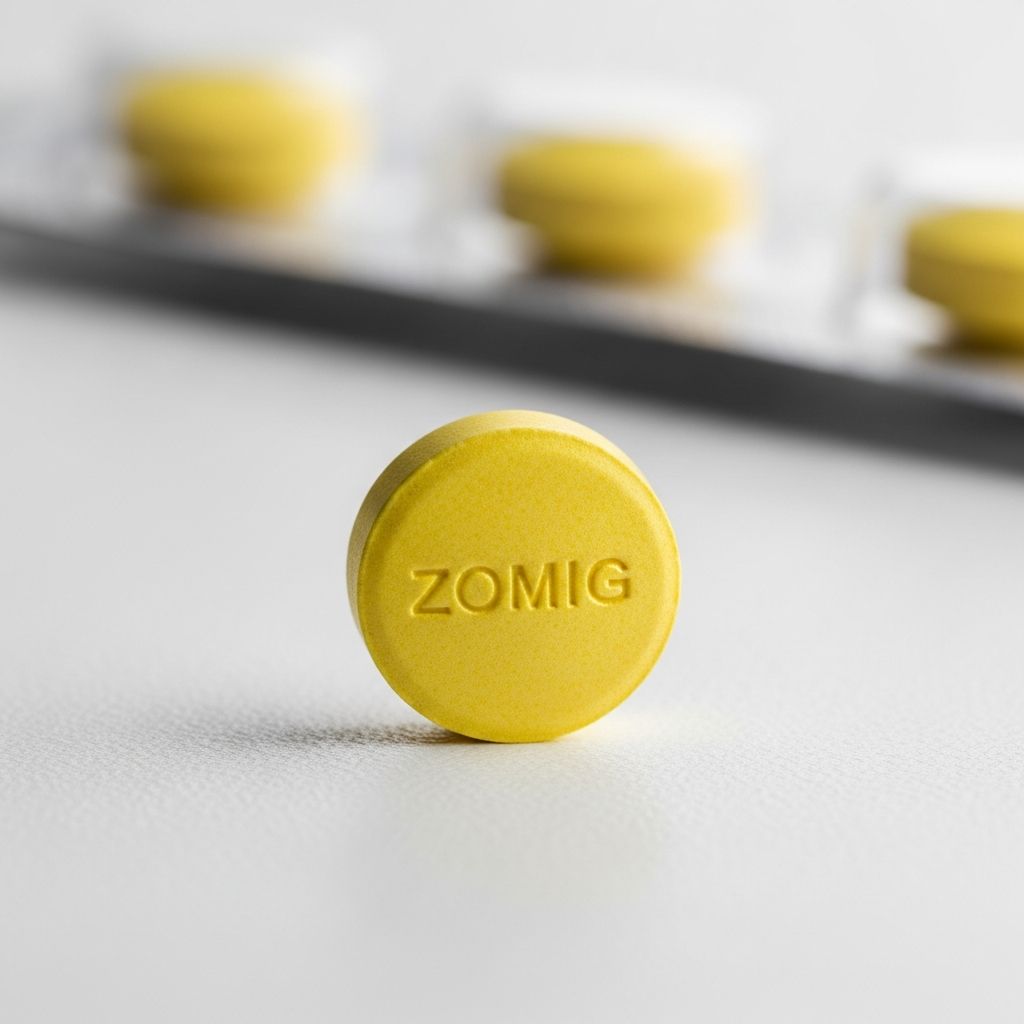
About zolmitriptan
Zolmitriptan is a medication specifically designed to treat the acute symptoms of migraine headaches. It belongs to a class of drugs known as 5HT1-receptor agonists, commonly referred to as triptans. These medications work by mimicking the action of serotonin (5HT), a natural substance in the brain, to alleviate migraine pain and associated symptoms.
Migraines are severe, throbbing headaches often accompanied by nausea, sensitivity to light and sound, and sometimes visual disturbances known as auras. Zolmitriptan targets the underlying mechanisms of migraines by stimulating serotonin receptors on blood vessels in the brain, causing them to narrow. This reduces inflammation and blocks the transmission of pain signals to the brain, providing relief from headache, nausea, and photophobia.
Unlike preventive treatments, zolmitriptan is not intended to reduce the frequency of migraines but to stop an active attack once symptoms begin. It is available under the brand name Zomig ae and comes in several forms: standard tablets, orodispersible (melt-in-the-mouth) tablets, and nasal spray. This variety allows for flexibility, especially for those who experience nausea and cannot swallow pills during an attack.
| Type of medicine | Details |
|---|---|
| Also called | Zomig ae |
| Used for | Treatment of acute migraine attacks (with or without aura) |
| Available as | Tablets, orodispersible tablets, nasal spray |
Triptans like zolmitriptan represent the gold standard for acute migraine treatment in adults aged 18 and over. They are particularly effective for migraines with or without aura, offering relief within 2 hours for many patients.
How to take zolmitriptan
Before starting zolmitriptan, carefully read the manufacturer’s patient information leaflet (PIL) included in the package. It provides detailed instructions, a full list of side effects, and storage information tailored to your specific formulation.
Always follow the dosage prescribed by your doctor, as indicated on the medicine label. Do not exceed the recommended dose, and take zolmitriptan only at the onset of migraine symptoms, specifically during the headache phase—not as a preventive measure.
Tablets (standard or orodispersible)
- The typical starting dose is one 2.5 mg tablet swallowed with water as soon as the headache begins.
- If symptoms improve but return after at least 2 hours, a second 2.5 mg tablet may be taken. The maximum daily dose is usually 10 mg, but your doctor may adjust this based on response.
- For orodispersible tablets, place on the tongue where it dissolves quickly—no water needed. This is ideal if nausea prevents swallowing.
- If the first dose provides no relief, do not take a second dose for that attack; consult your doctor for alternatives.
Nasal spray
- Administer one spray (5 mg or 2.5 mg strength) into one nostril at the first sign of headache.
- A second spray may be used in the same or opposite nostril after 2 hours if symptoms recur, up to a maximum of 10 mg per day.
- If ineffective, avoid repeat dosing for the same attack.
Related Stories



Absorption may take 1-2 hours, with peak effects around 2-3 hours. If you have liver or kidney issues, your doctor may prescribe a lower dose.
Getting the most from your treatment
To optimize zolmitriptans effectiveness, use it promptly when migraine pain starts, not during the aura or prodrome phase. Combining it with a non-steroidal anti-inflammatory drug (NSAID) like naproxen can enhance relief and reduce recurrence, as recommended by your doctor.
- Avoid combinations: Do not take zolmitriptan with other triptans, ergotamine derivatives, or within 24 hours of these drugs to prevent excessive vasoconstriction.
- Migraine diary: Track attacks, triggers (e.g., stress, foods, hormones), symptoms, and treatment response. This helps identify patterns and discuss preventive options if attacks exceed 4 per month.
- Overuse risk: Using triptans or painkillers more than 2 days per week can lead to medication-overuse headache (MOH). If suspected, taper use under medical supervision.
- For frequent migraines, ask about preventives like beta-blockers, topiramate, or CGRP inhibitors.
Rest in a dark, quiet room after dosing to aid recovery. Most users experience relief, but if zolmitriptan consistently fails, your doctor may switch triptans (e.g., sumatriptan, rizatriptan).
Can zolmitriptan cause problems?
Like all medications, zolmitriptan can cause side effects, though not everyone experiences them. Most are mild and transient as your body adjusts.
| Common side effects | Frequency | What to do |
|---|---|---|
| Tiredness, drowsiness, or dizziness | Common (>1 in 10) | Avoid driving or operating machinery until effects wear off. |
| Chest tightness, pressure, or heaviness; neck/jaw/throat pain | Common | Usually short-lived (minutes); stop treatment and seek urgent care if severe or persistent. |
| Nausea, vomiting, dry mouth | Common | May overlap with migraine; sip fluids. |
| Warm sensations, flushing, tingling | Common | Harmless and temporary. |
| Palpitations or mild blood pressure increase | Uncommon | Monitor if you have heart risks. |
Serious side effects (rare): Serotonin syndrome (if combined with antidepressants), allergic reactions (rash, swelling), or cardiovascular events (e.g., heart attack, stroke in at-risk patients). Seek immediate help for severe chest pain, vision changes, or weakness.
Side effects often diminish with continued use. Report persistent issues to your doctor.
Who can and cannot take zolmitriptan?
Zolmitriptan is suitable for most adults with migraines but contraindicated in certain groups:
- Do not take if: Uncontrolled high blood pressure, history of heart attack/stroke, coronary artery disease, peripheral vascular disease, severe liver disease, or recent MAOIs/ergotamines.
- Use cautiously if: Over 65, pregnant/breastfeeding (discuss risks), or on SSRIs/SNRIs (serotonin syndrome risk).
- Not approved for children under 18 or those with basilar/hemiplegic migraines.
Inform your doctor of all medications and conditions before starting.
Pregnancy and breastfeeding
Data on zolmitriptan in pregnancy is limited; use only if benefits outweigh risks. Triptans cross the placenta minimally, but animal studies suggest potential fetal harm. Discuss alternatives with your doctor.
Zolmitriptan passes into breast milk in small amounts. Pump and discard milk for 24 hours post-dose or use formula temporarily.
Other considerations
- Driving: May cause drowsiness; do not drive until you know its effects.
- Alcohol: Limit, as it can trigger migraines or worsen side effects.
- Storage: Keep at room temperature, away from moisture/light.
- Overdose: Seek emergency care for more than recommended dose—symptoms include severe drowsiness, tremors.
If migraines worsen or change, rule out secondary causes via medical evaluation.
Frequently Asked Questions (FAQs)
Q: How quickly does zolmitriptan work?
A: Relief typically starts within 1 hour, peaking at 2-3 hours. Nasal spray acts faster.
Q: Can I take zolmitriptan every day?
A: No, limit to 2 days/week to avoid MOH. Not for prevention.
Q: What if the migraine returns after treatment?
A: Repeat dose after 2 hours if needed; if frequent, see your doctor.
Q: Is zolmitriptan addictive?
A: No, but overuse leads to rebound headaches.
Q: Can I combine with ibuprofen?
A: Yes, often recommended for better results.
References
- Zolmitriptan: MedlinePlus Drug Information
- Zolmitriptan for migraine – Zomig
- Zolmitriptan: Uses, Interactions, Mechanism of Action
- Migraine Treatment and Relief (Triptans)
- Zolmitriptan Tablets
- Package Leaflet: Zolmitriptan Film-coated Tablets
- Zolmitriptan – StatPearls
Similar Articles








Read full bio of medha deb