Zonisamide for Epilepsy (Zonegran, Desizon)
Comprehensive guide to zonisamide (Zonegran, Desizon) for treating partial seizures in adults and children aged 6+ as monotherapy or add-on therapy.

Take them to your doctor’s surgery to show your doctor. Never take more than the prescribed dose. If you suspect that you or someone else might have taken an overdose of zonisamide, go to the accident and emergency department of your local hospital at once. Take the container with you, even if it is empty. This is so the doctors know what medicine has been taken and can give appropriate treatment.
About zonisamide
Zonisamide is a medicine called an antiepileptic. It is used to prevent or stop seizures in people with epilepsy. Epilepsy is a long-term condition where a person has seizures that start in one part of the brain (partial seizures). These seizures can sometimes spread to the whole brain (secondary generalisation).
Zonisamide is available on prescription. It comes as capsules. The usual brand names are Zonegran® and Desizon®. Zonisamide was first approved in Europe as Zonegran by the European Medicines Agency (EMA) for partial seizures, including monotherapy in newly diagnosed adults and adjunctive therapy in adults and children aged 6 years and above.
Before taking zonisamide
Some medicines are not suitable for people with certain conditions, and sometimes a medicine may only be used if extra care is taken. For these reasons, before you start taking zonisamide it is important that your doctor knows:
- If you are pregnant, trying for a baby or are breastfeeding.
- If you have any problems with the way your kidneys work, or if you have any problems with the way your liver works.
- If you have any difficulties breathing or any lung problems.
- If you have any mental health problems.
- If you have any skin problems.
- If you have ever had a bad reaction to a medicine containing a sulfonamide.
- If you are taking or using any other medicines. This includes any medicines you are taking which are available to buy without a prescription, as well as herbal and complementary medicines.
In addition to the above, let your doctor know if you drink a lot of alcohol.
If you are unsure about any of the above, speak to your doctor before you take zonisamide.
How to take zonisamide
Before taking zonisamide capsules
- You can take the capsules either with or without food.
- Swallow the capsules whole with a drink of water. Do not chew or crush the capsules.
Dosage for adults
The dose you are given will depend upon how you respond to zonisamide. Your doctor will start you on a low dose (usually 100 mg each day). Your dose is then increased every two weeks or so until you reach the dose that controls your seizures. The maximum dose is 400 mg each day. Most people need between 200 mg and 400 mg each day.
Related Stories



Dosage for children aged 6 years or more
The starting dose is usually 2-4 mg/kg bodyweight each day. This is increased every two weeks until the best dose is reached. The usual dose is 6-8 mg/kg each day.
Dosage in special situations
Dose increases may need to be made less frequently in patients with liver or kidney problems or those taking certain other medicines. Before stopping zonisamide, the dose should be decreased gradually.
Try to take zonisamide at the same time(s) each day. If you forget to take a dose, take one as soon as you remember. If you do not remember until the following day, skip the missed dose. Do not take two doses at the same time to make up for a forgotten dose.
Can zonisamide cause problems?
Like all medicines, zonisamide can cause side-effects although not everyone gets them. The most common side-effects are feeling drowsy, tired and lacking in energy. Your doctor will discuss these with you.
| Common side effects | Description |
|---|---|
| Drowsiness and fatigue | Feeling sleepy, tired, or lacking energy. These are most common when starting treatment or increasing dose. |
| Loss of appetite and weight loss | Reduced hunger leading to weight loss. Monitor weight regularly. |
| Dizziness | Feeling lightheaded or unsteady. Avoid driving until settled. |
| Headache | Common initially; usually improves over time. |
| Nausea | Feeling sick; take with food to reduce. |
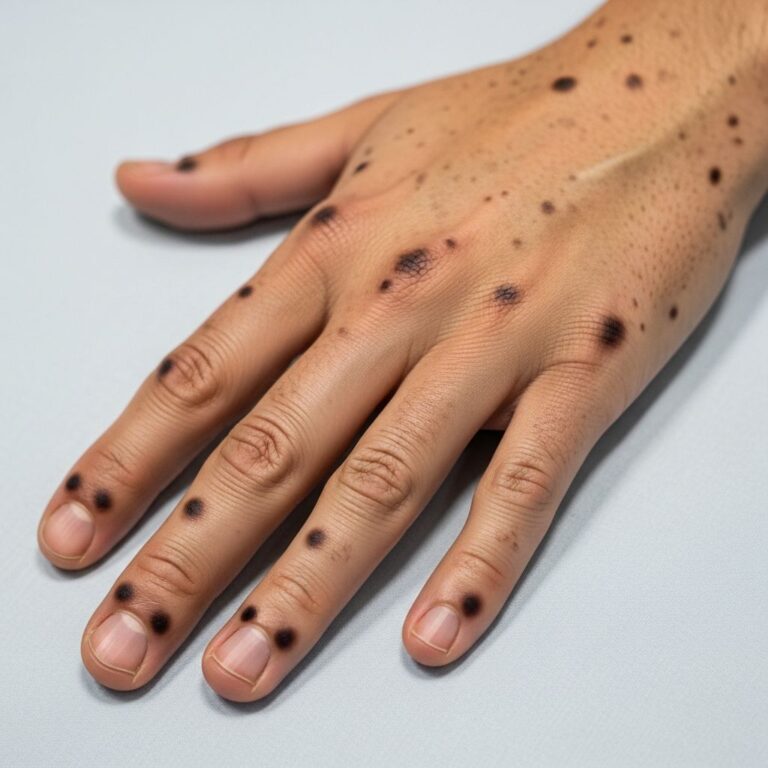
Serious side effects (rare but important): Metabolic acidosis (low blood bicarbonate), kidney stones, suicidal thoughts, severe skin reactions (e.g., Stevens-Johnson syndrome), blood disorders, psychosis, or oligohidrosis (reduced sweating, especially in children).
Psychomotor slowing and difficulty with concentration occurred in the first month of treatment and were associated with doses above 300 mg/day. Antiepileptic drugs like zonisamide increase the risk of suicidal thoughts or behavior; monitor for changes in mood.
How to cope with side effects of zonisamide
- Feeling sick (nausea) – Stick to simple meals. Avoid rich or spicy food.
- Headache – Rest, drink plenty of fluids. Speak to a doctor if severe.
- Feeling dizzy – Lie down until feeling better. Do not drive.
- Weight loss – Eat calorie-dense foods; consult a dietitian if needed.
Contact your doctor if side effects persist or worsen. Seek immediate help for severe rash, breathing issues, confusion, or suicidal thoughts.
Warnings while using zonisamide
- Driving and machinery: Zonisamide may cause drowsiness. Do not drive or operate machinery until you know how it affects you.
- Alcohol: Avoid alcohol as it increases drowsiness.
- Heat/sweating: Risk of reduced sweating and overheating; stay hydrated, especially in hot weather.
- Pregnancy: Discuss with doctor; may harm fetus. Effective contraception needed.
- Sudden stopping: Abrupt withdrawal may increase seizures. Taper gradually.
Interactions with other medicines
Zonisamide interacts with CYP3A4 inducers (e.g., carbamazepine, rifampicin) requiring dose adjustments. Changes in concomitant anti-epileptics may alter zonisamide levels. Inform your doctor of all medications.
How epilepsy medicines work
Zonisamide blocks sodium and calcium channels on nerve cells, preventing abnormal electrical activity spread. It also enhances GABA, stabilizing brain activity. This reduces partial seizure frequency, with or without secondary generalization.
Clinical evidence and effectiveness
In a study of 583 newly diagnosed adults, 69.4% on zonisamide monotherapy were seizure-free for 6 months (vs. 74.7% on carbamazepine). As add-on: adults saw 51% seizure reduction (vs. 16% placebo); 50% of children had seizures halved (vs. 31% placebo).
FDA-approved as adjunctive therapy for partial seizures in adults; effective in refractory cases. EMA approves monotherapy in adults and adjunctive from age 6.
Frequently Asked Questions (FAQs)
Q: What is zonisamide used for?
A: Zonisamide treats partial seizures with/without secondary generalisation as monotherapy in newly diagnosed adults or add-on in adults/children 6+.
Q: How does zonisamide work?
A: Blocks sodium/calcium channels and enhances GABA to prevent seizure spread.
Q: What is the starting dose?
A: Adults: 100 mg/day, increased gradually to 200-400 mg. Children: 2-4 mg/kg/day.
Q: Can I stop zonisamide suddenly?
A: No, taper gradually to avoid increased seizures.
Q: Is zonisamide safe in pregnancy?
A: Consult doctor; use contraception. Risk to fetus possible.
Q: What are serious side effects?
A: Metabolic acidosis, kidney stones, suicidal thoughts, severe rash, blood disorders. Seek immediate medical help.
When will I feel better?
Effects vary. Some notice fewer seizures within weeks; full benefit may take months. Regular monitoring needed.
Key facts about zonisamide
- Works in most people within a few weeks but may take up to 3 months.
- Not addictive.
- Suitable for long-term use.
- Commonly causes drowsiness, weight loss.
(Word count: 1723)
References
- Zonegran | European Medicines Agency (EMA) — EMA. 2023. https://www.ema.europa.eu/en/medicines/human/EPAR/zonegran
- ZONEGRAN® (zonisamide) capsules, for oral administration — FDA. 2020-10-01. https://www.accessdata.fda.gov/drugsatfda_docs/label/2020/020789s036lbl.pdf
- Epilepsy Treatment – AED Zonisamide (Zonegran) — Epilepsy Group. 2023. https://www.epilepsygroup.com/epilepsy-information-sub2-detail5-59-12-122-143/epilepsy-treatment-AED-zonisamide-zonegran.htm
- Zonisamide – StatPearls — NCBI Bookshelf, NIH. 2023-08-14. https://www.ncbi.nlm.nih.gov/books/NBK507903/
- Zonisamide | Neurology Clinical Practice — American Academy of Neurology. 2022. https://www.neurology.org/doi/10.1212/CPJ.0000000000200210
Similar Articles








Read full bio of Sneha Tete