Zoonotic Diseases: Types, Transmission & Treatment
Understanding zoonotic diseases: How infections spread from animals to humans and prevention strategies.
What Are Zoonotic Diseases?
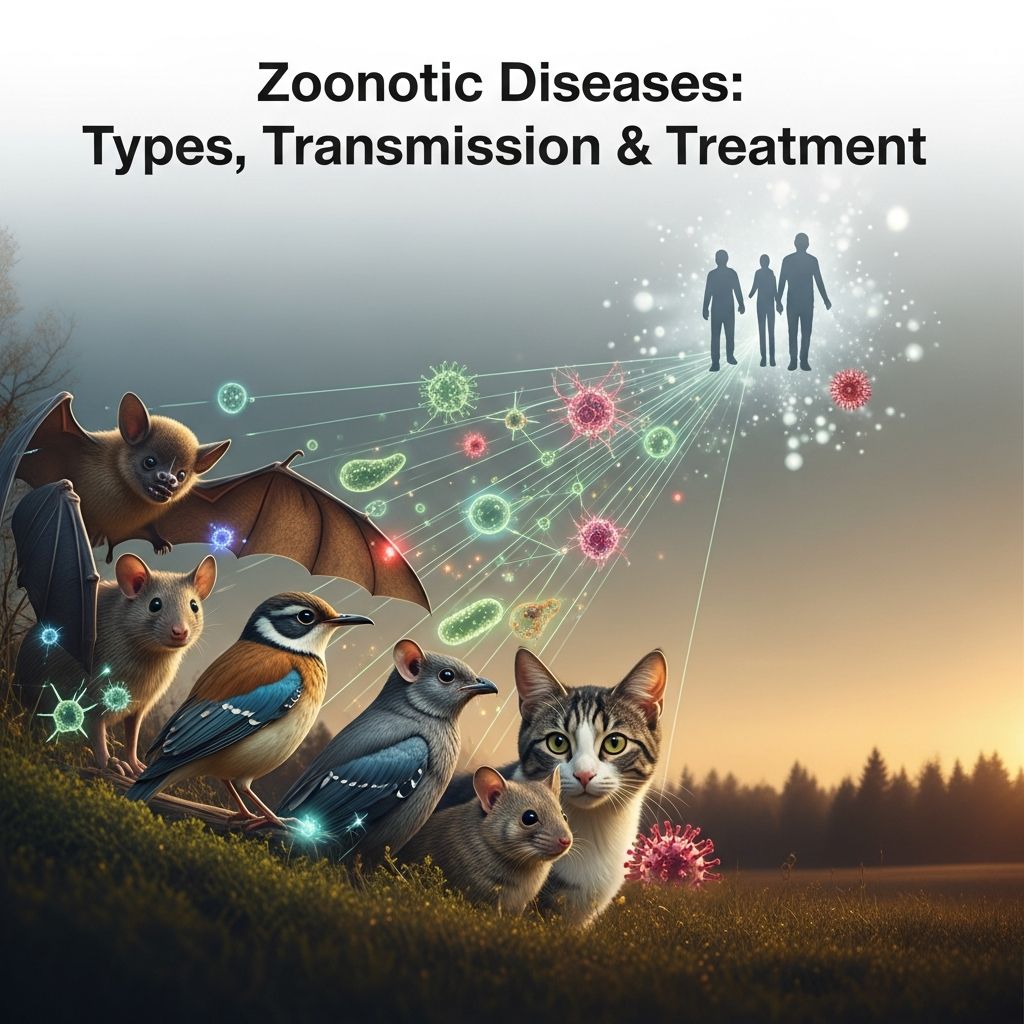
Zoonotic diseases, also known as zoonoses, are infectious illnesses that spread between animals and humans. These diseases are caused by various pathogens including bacteria, parasites, viruses, fungi, and prions. What makes zoonotic diseases particularly significant is that the animals involved are vertebrates—animals with backbones—such as cows, sheep, rats, dogs, cats, bats, and birds. The biological similarity between human and animal bodies allows pathogens to adapt and survive in both species, creating a pathway for disease transmission across species barriers.
Understanding zoonotic diseases is crucial because some of the deadliest outbreaks in human history have been zoonotic in origin. The plague, Spanish flu, HIV/AIDS, and COVID-19 pandemics all emerged from animal sources before spreading to human populations.
How Zoonotic Diseases Spread
Zoonotic illnesses can spread through multiple transmission routes, making prevention and control challenging. Understanding these pathways is essential for minimizing your risk of infection.
Primary transmission routes include:
- Direct contact with infected body fluids from animals
- Animal bites and scratches
- Contaminated water sources
- Consumption of infected or undercooked meat
- Exposure to animal waste and contaminated environments
- Handling infected animal products
An important distinction exists in how zoonotic diseases behave after transmission to humans. Some zoonotic diseases only spread from animals to humans and do not transmit between people. Others, such as Ebola, initially spread from animals to humans but then continue to spread from person to person, causing periodic outbreaks. Still others undergo mutations after infecting humans, becoming exclusively human pathogens like HIV and COVID-19. Once a disease mutates to only infect humans, it is no longer technically considered zoonotic, though animal reservoirs of the original form may persist.
Types of Pathogens That Cause Zoonotic Diseases
Zoonotic diseases can be caused by several different categories of pathogens. While most zoonotic illnesses are bacterial, parasitic, or viral, other types exist as well.
Bacterial Zoonoses
Bacteria are small, single-celled organisms that often release toxins capable of causing illness. These organisms spread through contaminated food, water, or direct contact. Common bacterial zoonoses include conditions transmitted through livestock and wild animals.
Viral Zoonoses
Viruses represent a significant category of zoonotic pathogens. These infectious agents can cause serious illnesses and are often responsible for major outbreaks and pandemics.
Parasitic Zoonoses
Parasites are organisms that live on or inside other organisms for survival. Parasitic zoonoses often spread through contaminated food, water, or insect vectors.
Fungal and Prion Zoonoses
While less common, fungal infections like ringworm can spread from animals to humans. Prion diseases, such as variant Creutzfeldt-Jakob disease (vCJD, commonly called “mad cow disease”), represent another category of zoonotic illness, though they are exceptionally rare.
Common Symptoms of Zoonotic Diseases
The symptoms of zoonotic diseases vary significantly depending on the specific illness and the pathogen involved. However, several common symptoms frequently appear across different zoonotic infections. These may include fever, cough, muscle aches, headache, fatigue, gastrointestinal disturbances, and skin rashes or lesions. Some zoonotic diseases present with more severe symptoms, while others cause mild illness. The severity depends on factors including the specific pathogen, the route of transmission, the individual’s immune system strength, and how quickly treatment begins.
Related Stories



Animals That Carry Zoonotic Diseases
Almost any animal can carry zoonotic illnesses, but certain species are more commonly associated with disease transmission to humans. Understanding which animals pose the greatest risk helps in prevention and exposure avoidance.
- Bats: Known reservoirs for serious viral diseases including rabies and viral hemorrhagic fevers
- Livestock: Cattle, sheep, and pigs commonly transmit bacterial and parasitic diseases
- Rodents: Rats and mice carry numerous pathogens including hantavirus and leptospirosis
- Birds: Sources of influenza and other avian diseases
- Domestic pets: Dogs and cats can transmit rabies, toxoplasmosis, and other diseases
- Wildlife: Raccoons, squirrels, and other wild animals may harbor various pathogens
Risk Factors for Zoonotic Infections
While anyone can potentially contract a zoonotic disease, certain individuals face higher risk. You might be at increased risk for zoonotic infections if you:
- Work with animals professionally (veterinarians, farmers, wildlife handlers)
- Engage in hunting or trapping activities
- Travel to tropical or endemic regions
- Have a compromised immune system
- Live in areas with high wildlife-human contact
- Handle raw meat or animal products without proper precautions
- Keep exotic pets or work in animal facilities
Diagnosis of Zoonotic Diseases
Healthcare providers typically diagnose zoonotic diseases through examination of tissue or body fluid samples. Common diagnostic methods include blood tests, urine cultures, and respiratory samples. These samples are analyzed through various laboratory techniques to identify the specific pathogen responsible for infection.
Depending on your symptoms, your healthcare provider may also recommend imaging tests such as chest X-rays or CT scans to assess the extent of infection and any complications that may have developed. A detailed history of animal exposures and recent travel is crucial for accurate diagnosis, as it helps narrow down the differential diagnosis and identify the likely pathogen.
Treatment Options for Zoonotic Illnesses
Treatment for zoonotic illness depends entirely on the specific infection and pathogen involved. Not all zoonotic diseases have specific medications that eliminate the infection. Treatment approaches may include:
- Antibiotics for bacterial infections
- Antiparasitic medications for parasitic diseases
- Antiviral medications for certain viral infections
- Antifungal treatments for fungal zoonoses
- Supportive care including rest, hydration, and symptom management
- Hospitalization for severe cases
- Immune system support for immunocompromised individuals
Many zoonotic illnesses are treatable and rarely fatal when diagnosed and managed promptly. However, certain diseases require specific interventions and monitoring to prevent serious complications.
Severity and Mortality of Zoonotic Diseases
While most zoonotic illnesses are treatable and rarely fatal, some pose serious health threats. Viral hemorrhagic fevers, including Ebola virus and Marburg virus, carry high mortality rates. Rabies is particularly notable because it is virtually always fatal once symptoms begin. In contrast, most other zoonotic illnesses respond well to treatment when diagnosed early and managed appropriately.
The mortality rates for different zoonotic diseases vary widely. For example, mpox virus exists in two clades with different mortality profiles: Clade I virus has a mortality rate of approximately 10%, while Clade II virus historically has mortality rates below 1%. Smallpox, before eradication, had mortality rates ranging from 30% to 50% in unvaccinated individuals.
Prevention and Risk Reduction Strategies
Fortunately, numerous precautions can protect both you and your animal companions from zoonotic disease transmission. While most serious zoonotic illnesses are rare, prevention remains the most effective strategy.
Key prevention measures include:
- Practice good hygiene, particularly handwashing after animal contact
- Avoid contact with wild animals
- Keep vaccinations current for yourself and pets
- Handle raw meat safely and cook it thoroughly
- Use proper protective equipment when working with animals
- Maintain clean living environments and pet areas
- Avoid consuming bushmeat or exotic animals
- Seek immediate medical attention for animal bites or scratches
- Use insect repellent in areas with disease-carrying vectors
When to Seek Professional Help
If you are at higher risk for zoonotic diseases due to your work, hobbies, or a compromised immune system, consult your healthcare provider about your specific concerns. Your provider can help develop a personalized plan to reduce your risk, identify symptoms to watch for, and ensure you receive treatment quickly if needed. This is particularly important for individuals who regularly interact with animals or travel to areas where zoonotic diseases are endemic.
Frequently Asked Questions
Q: Can zoonotic diseases spread from person to person?
A: Some zoonotic diseases can spread from person to person after initial transmission from animals. Diseases like Ebola, COVID-19, and influenza can spread between infected individuals, while others only transmit from animals to humans.
Q: What is the most dangerous zoonotic disease?
A: Rabies is considered one of the most dangerous zoonotic diseases because it is almost always fatal once symptoms appear. Viral hemorrhagic fevers like Ebola also have high mortality rates. However, the risk depends on access to treatment and the specific disease.
Q: How can I protect myself from zoonotic diseases?
A: Practice good hygiene after animal contact, keep vaccinations current, handle food safely, use protective equipment when working with animals, and avoid contact with wild animals. Seek medical attention immediately for animal bites or scratches.
Q: Are zoonotic diseases becoming more common?
A: Climate change and environmental factors have expanded favorable conditions for some zoonotic diseases beyond their traditional geographic boundaries, potentially increasing their prevalence in new regions.
Q: Can pets transmit zoonotic diseases to humans?
A: Yes, domestic pets can transmit zoonotic diseases including rabies, toxoplasmosis, and other infections. Proper hygiene, vaccination, and veterinary care are important for minimizing transmission risk.
Q: What should I do if I think I have a zoonotic disease?
A: Contact your healthcare provider immediately and inform them of any animal exposures, particularly bites, scratches, or contact with sick animals. Prompt diagnosis and treatment are crucial for managing these infections effectively.
References
- Zoonotic Diseases: Types, Transmission & Treatment — Cleveland Clinic. 2024-03-06. https://my.clevelandclinic.org/health/diseases/zoonotic-diseases
- The Import of Zoonotic Diseases — Harvard Law Review, Vol. 138. https://harvardlawreview.org/print/vol-138/the-import-of-zoonotic-diseases/
- Mpox: Keep it on the differential — Cleveland Clinic Journal of Medicine, Vol. 90, No. 9. https://www.ccjm.org/content/90/9/565
- Smallpox and monkeypox: Looking back and looking ahead — Cleveland Clinic Journal of Medicine, Vol. 90, No. 3. https://www.ccjm.org/content/90/3/141
- Leptospirosis: Causes, Symptoms, Diagnosis & Treatment — Cleveland Clinic. https://my.clevelandclinic.org/health/diseases/24021-leptospirosis
- Pathogen: Types, Causes, Effects on Body & Control — Cleveland Clinic. https://my.clevelandclinic.org/health/articles/pathogen
- Plague: Types, History, Causes & Prevention — Cleveland Clinic. https://my.clevelandclinic.org/health/diseases/17782-plague
Similar Articles








Read full bio of medha deb