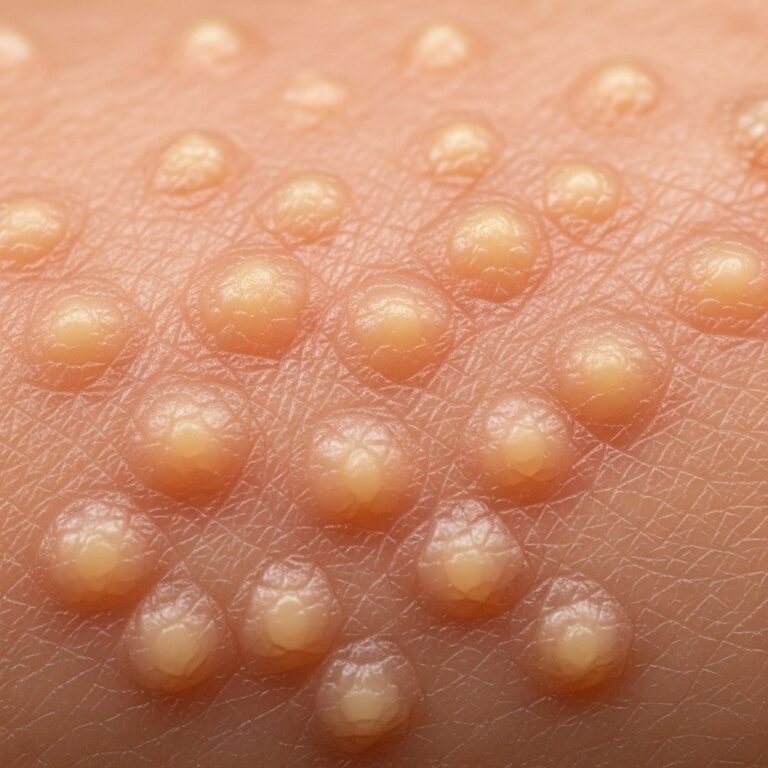
Zoryve Breakthrough for Atopic Dermatitis
Discover how Zoryve offers new hope for atopic dermatitis patients with once-daily topical treatment approved for ages 6 months and up.
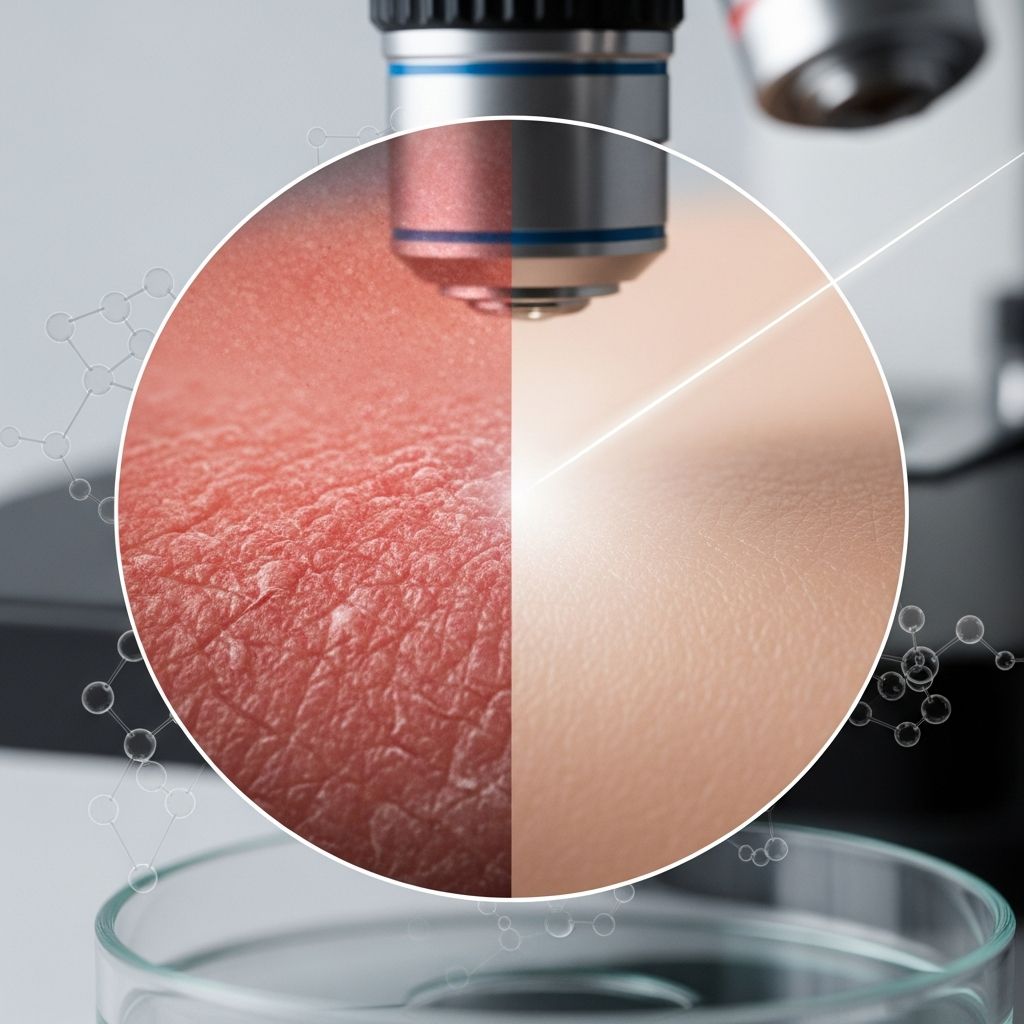
Atopic dermatitis, commonly known as eczema, affects millions worldwide, causing intense itching, red inflamed skin, and significant quality-of-life disruptions. A major advancement in treatment came with the FDA approval of Zoryve (roflumilast) cream 0.15% as a once-daily topical phosphodiesterase-4 (PDE4) inhibitor for non-immunosuppressed patients aged 6 months and older with mild to moderate atopic dermatitis. This approval expands options beyond traditional steroids, offering steroid-free relief for flares and maintenance.
Understanding Atopic Dermatitis Challenges
Atopic dermatitis is a chronic inflammatory skin condition characterized by dry, itchy, and inflamed skin. It often begins in childhood and can persist into adulthood, with flares triggered by allergens, irritants, stress, or environmental factors. The primary goals of management include restoring the skin barrier, reducing inflammation, alleviating itch, and preventing infections.
Patients frequently cycle through treatments due to inadequate control or side effects like skin thinning from long-term corticosteroid use. Moisturizers form the foundation, applied daily to hydrate and protect the barrier, but they alone rarely suffice during active flares.
Emerging Role of PDE4 Inhibitors in Eczema Care
Phosphodiesterase-4 inhibitors like roflumilast target a key enzyme that promotes inflammation in the skin. By blocking PDE4, Zoryve reduces pro-inflammatory cytokines, addressing the root of atopic dermatitis without immunosuppression. This mechanism complements existing therapies, providing a novel steroid-free option suitable for sensitive areas like the face and neck.
Unlike topical corticosteroids (TCS), which remain first-line for flares, PDE4 inhibitors offer long-term safety for maintenance, minimizing risks associated with prolonged steroid exposure. Clinical guidelines from bodies like the American Academy of Dermatology endorse such targeted topicals for moderate disease.
Clinical Evidence Supporting Zoryve Approval
The approval stemmed from robust Phase 3 trials (INTEGUMENT-1 and INTEGUMENT-2) involving over 1,300 patients aged 6 months and older. These randomized, double-blind studies compared Zoryve 0.15% to vehicle cream applied once daily for 4 weeks.
- In INTEGUMENT-1, 32% of Zoryve patients achieved clear or almost clear skin (IGA 0/1) versus 15% on vehicle (p<0.0001).
- INTEGUMENT-2 showed 28% success rate for Zoryve compared to 12% for vehicle.
- Both trials reported significant itch reduction (EASI itch score ≥4-point improvement) in 44-48% of Zoryve users versus 22-25% on vehicle.
Long-term data from a 52-week extension confirmed sustained efficacy and safety, with over 80% of responders maintaining control during maintenance phase. These results position Zoryve as effective for children as young as 6 months, addressing a critical unmet need in pediatric care.
Comprehensive Treatment Strategies Incorporating Zoryve
Effective atopic dermatitis management is multifaceted, tailored to severity. Here’s a breakdown:
| Severity Level | Key Interventions | Role of Zoryve |
|---|---|---|
| Mild | Daily emollients, low-potency TCS for flares | Proactive maintenance to prevent flares |
| Moderate | Medium-potency TCS, topical calcineurin inhibitors (TCI), wet wraps | Once-daily for active lesions, steroid-sparing |
| Severe | Systemic biologics (dupilumab), JAK inhibitors, phototherapy | Adjunct for localized control |
Start with skin care: Bathe gently with fragrance-free cleansers, pat dry, and apply thick emollients within 3 minutes to lock in moisture. For itch, sedating antihistamines at night help break the scratch cycle.
Practical Application and Patient Tips
Apply a pea-sized amount of Zoryve to affected areas once daily, rubbing gently until absorbed. It can be used on up to 20% body surface area, ideal for widespread flares. Combine with emollients; no occlusion needed.
Related Stories



- Avoid triggers: Identify and eliminate irritants like wool, harsh soaps, or dust mites.
- Wet-wrap technique: For severe flares, apply Zoryve or TCS under damp gauze topped with dry layer for enhanced penetration.
- Infection control: Use bleach baths (1/2 cup per full tub) if crusting or oozing suggests bacterial overgrowth.
Monitor for common side effects like application-site pain (1.2-2.5%), nausea (1.4%), or diarrhea (1.1%), which are typically mild and transient.
Pediatric Considerations in Atopic Dermatitis
Children under 12 represent 60% of cases, with infants prone to extensive involvement. Zoryve’s approval for ages 6 months+ fills a gap, as prior topicals often carried age restrictions. Trials showed consistent efficacy across age groups, with 40% of infant successes in IGA 0/1.
Parents should prioritize gentle routines: Fragrance-free products, lukewarm baths 10-15 minutes daily, and immediate moisturizing. For facial eczema, non-steroidal options like Zoryve prevent periorificial dermatitis risks.
Comparing Zoryve to Traditional Therapies
| Therapy | Pros | Cons | Best For |
|———|——|——|———-|
| TCS | Rapid flare control | Skin atrophy risk, rebound | Short-term flares |
| TCI (e.g., tacrolimus) | Steroid-free, face-safe | Burning sensation, slow onset | Maintenance |
| PDE4 (Zoryve) | Once-daily, broad age approval | Mild-moderate only | Long-term control |
| Biologics (dupilumab) | Systemic for severe | Injections, cost | Refractory cases |
Zoryve stands out for convenience and safety profile, reducing reliance on TCS.
Infection Prevention and Management
Impaired barrier increases infection risk, especially Staphylococcus aureus. Signs include honey-crusted lesions or pustules. Treat with topical mupirocin or oral cephalexin (7-10 days); culture if no response. Viral (eczema herpeticum) requires acyclovir. Daily emollients and antimicrobials like Zoryve help prevent secondary issues.
Future Directions in Eczema Treatment
Ongoing research expands options: New IL-13 inhibitors (lebrikizumab, tralokinumab) and IL-31 blockers (nemolizumab) join dupilumab as first-line systemics. Combination therapies and microbiome-targeted agents promise personalized care. Patient registries track long-term Zoryve outcomes, informing guidelines.
Frequently Asked Questions (FAQs)
What is Zoryve used for?
Zoryve (roflumilast) cream 0.15% treats mild to moderate atopic dermatitis in patients 6 months and older, applied once daily.
Is Zoryve safe for babies?
Yes, clinical trials confirmed safety and efficacy from 6 months up, with no new safety signals.
How quickly does Zoryve work?
Significant improvements in skin clearance and itch seen as early as week 1, with peak at 4 weeks.
Can Zoryve be used with other treatments?
Yes, combine with emollients; consult dermatologist for TCS or systemics.
What if Zoryve causes side effects?
Discontinue if severe; most resolve quickly. Common: mild site reactions.
Empowering Patients for Better Outcomes
Success hinges on adherence: Track flares in a journal, adhere to routines, and partner with dermatologists. Support groups via National Eczema Association provide resources. With innovations like Zoryve, long-term control is achievable, restoring comfort and confidence.
References
- Treatment of Atopic Dermatitis — American Academy of Pediatrics. 2021-06-11. https://www.aap.org/en/patient-care/atopic-dermatitis/treatment-of-atopic-dermatitis/
- An Overview of Atopic Dermatitis Disease Burden… — Journal of Clinical and Aesthetic Dermatology. 2024. https://jcadonline.com/current-treatments-for-atopic-dermatitis/
- Atopic Dermatitis: Diagnosis and Treatment — American Academy of Family Physicians. 2020-05-15. https://www.aafp.org/pubs/afp/issues/2020/0515/p590.html
- Atopic eczema — National Health Service (NHS). Accessed 2026. https://www.nhs.uk/conditions/atopic-eczema/
- Eczema (Atopic Dermatitis) Overview — American Academy of Allergy, Asthma & Immunology. Accessed 2026. https://www.aaaai.org/tools-for-the-public/conditions-library/allergies/eczema-(atopic-dermatitis)-overview
- Eczema types: Atopic dermatitis diagnosis and treatment — American Academy of Dermatology. Accessed 2026. https://www.aad.org/public/diseases/eczema/types/atopic-dermatitis/treatment
- Treatments for atopic dermatitis — National Center for Biotechnology Information (PMC). 2023. https://pmc.ncbi.nlm.nih.gov/articles/PMC10664093/
Similar Articles








Read full bio of medha deb