Zucchini Benefits: 7 Powerful Ways To Boost Your Health
Discover the impressive health benefits of zucchini, from nutrient density to heart health and weight management.
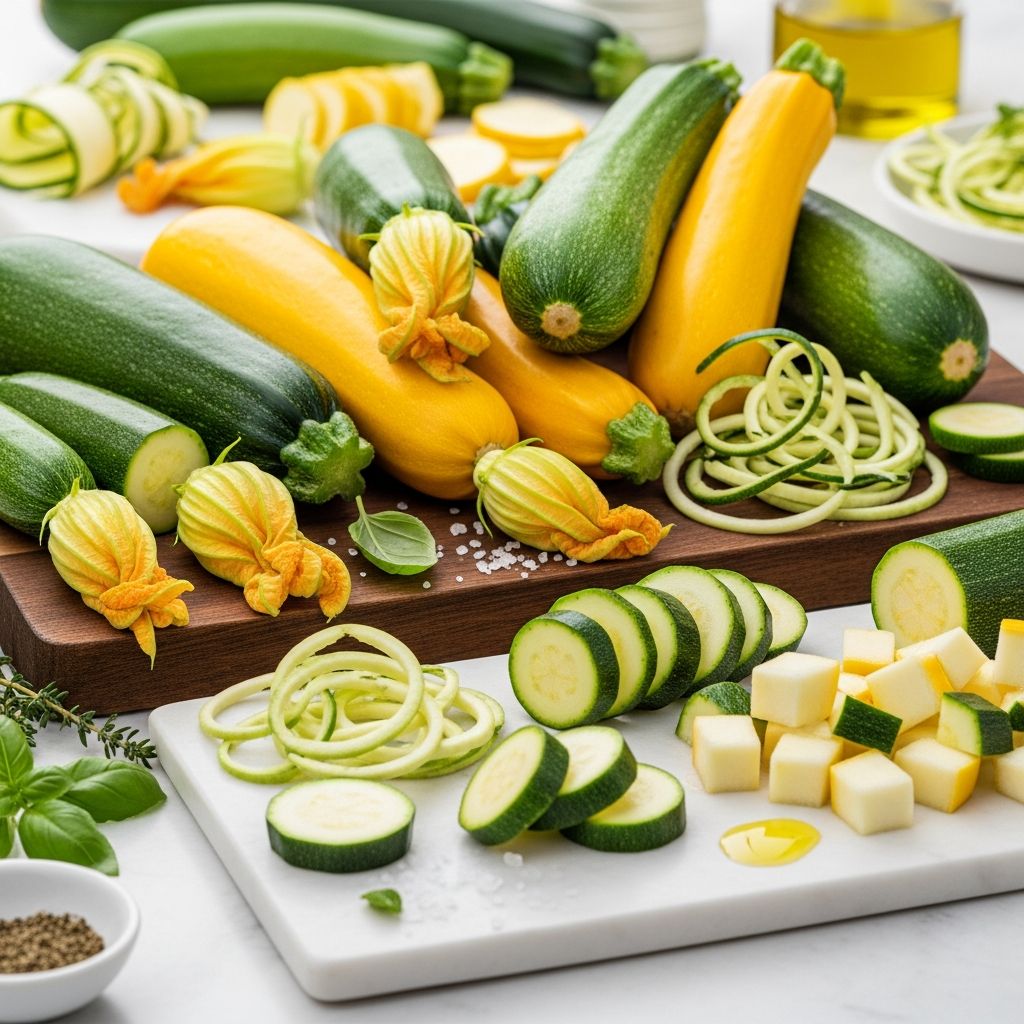
Zucchini, a versatile summer squash, offers a wealth of health benefits due to its low calorie count, high water content, and abundance of essential nutrients, antioxidants, and fiber. This mild-flavored vegetable, botanically a fruit, supports everything from digestion to heart health and weight management.
What Is Zucchini?
Zucchini (Cucurbita pepo) belongs to the squash family and is widely available year-round in the US, though it’s a summer staple. Shaped like a cucumber with edible skin, it comes in green, yellow, and other varieties, featuring a soft, buttery interior and subtle taste that makes it easy to incorporate into meals raw or cooked.
Everything but the stem is edible, and keeping the peel provides extra fiber. It’s 94% water, contributing to its low calorie density—only 20-21 calories per chopped cup—while delivering vitamins like C, K, B6, and minerals such as potassium and magnesium.
Zucchini Nutrition Facts
One cup of raw, chopped zucchini with skin (124g) provides approximately:
- **Calories:** 20-21
- **Protein:** 1g
- **Fat:** 0.2g (no cholesterol)
- **Carbohydrates:** Low, with 1g fiber
- **Vitamin C:** Significant for immune support and collagen formation
- **Vitamin K:** Supports bone health
- **Potassium:** 10% DV, aids blood pressure
- **Copper:** 10% DV
- **Phosphorus:** 5% DV
- **Vitamin B6:** 8% DV
- **Thiamine:** 5% DV
- Small amounts of iron, calcium, zinc, magnesium, and other B vitamins
Raw zucchini retains more vitamin C than cooked, while cooking preserves vitamin A. Its profile makes it ideal for low-carb, nutrient-dense diets.
Health Benefits of Zucchini
1. Rich in Many Nutrients
Zucchini packs a variety of vitamins and minerals essential for overall health. Its vitamin A supports vision and immunity, while B vitamins like thiamine, riboflavin, niacin, and B6 aid energy metabolism. Potassium and magnesium regulate blood pressure, nerve function, and blood glucose.
2. High in Antioxidants
Zucchini is loaded with antioxidants like lutein, zeaxanthin, beta-carotene, and vitamin C, which combat free radicals and oxidative stress. These protect eyes from age-related conditions like cataracts and macular degeneration, support skin health, and may reduce risks of prostate cancer and heart disease. The skin holds the highest antioxidant levels, with yellow varieties slightly richer.
Vitamin C forms collagen for tissues, bones, and muscles, enhances iron absorption, and prevents cholesterol oxidation to maintain healthy levels and reduce arterial plaque.
3. Contributes to Healthy Digestion
With soluble and insoluble fiber, zucchini promotes regular bowel movements, prevents constipation, and feeds gut bacteria to produce short-chain fatty acids (SCFAs). SCFAs nourish gut cells, reduce inflammation, and alleviate symptoms of IBS, Crohn’s disease, and ulcerative colitis. Its high water content further aids digestion and satiety.
4. May Reduce Blood Sugar Levels
Low in carbs and rich in fiber, zucchini helps stabilize blood sugar and insulin, beneficial for type 2 diabetes management. Diets high in such vegetables lower diabetes risk by preventing post-meal spikes.
Related Stories



5. May Improve Heart Health
Fiber, particularly pectin, lowers total and LDL cholesterol. Potassium dilates blood vessels to reduce blood pressure, while carotenoids protect against heart disease and stroke. Observational studies link higher fiber intake to lower heart disease risk.
6. May Strengthen Your Vision
Lutein, zeaxanthin, vitamin C, and beta-carotene accumulate in the retina, reducing risks of macular degeneration—the top cause of vision loss in older adults—and cataracts.
7. May Aid Weight Loss
At 94% water and low calories, zucchini promotes fullness without excess energy. Fiber curbs hunger, and studies associate high intake of non-starchy veggies like zucchini with weight loss and slower weight gain.
Other Potential Benefits
- Bone health: Lutein, zeaxanthin, vitamin K, and magnesium strengthen bones.
- Anticancer effects: Test-tube and animal studies show zucchini extracts inhibit cancer cell growth; human research needed.
- Healthy prostate: Seed extracts may limit prostatic hyperplasia in animals.
- Thyroid function: Peel extracts stabilize hormones in rats; more human studies required.
Potential Downsides of Zucchini
Zucchini is generally safe but contains cucurbitacins, natural compounds that can cause bitterness and stomach upset in high amounts. Choose firm, unblemished squash and wash thoroughly. Those with squash allergies should avoid it. Oxalates may pose issues for kidney stone formers in excess, though moderate intake is fine.
How to Select and Store Zucchini
Buy firm, heavy-for-size zucchini with bright, unblemished skin. Store uncut in a perforated plastic bag in the fridge’s crisper for up to 2 weeks. Once cut, use within 2-4 days. Avoid washing until ready to use.
Easy Ways to Add Zucchini to Your Diet
Versatile zucchini shines raw or cooked:
- Slice raw for salads, sandwiches, or dips like hummus.
- Spiralize into ‘zoodles’ as a pasta substitute.
- Grill, sauté, bake, or roast.
- Shred into breads, muffins, or frittatas.
- Stuff or add to stir-fries, soups, and casseroles.
For zoodles: Use a spiralizer or julienne peeler, then sauté lightly with sauce for a low-carb meal.
| Recipe | Calories per Serving | Key Nutrients |
|---|---|---|
| Zucchini Noodles with Pesto | ~170 | Low carb, high fiber, vitamin C |
| Baked Zucchini Chips | ~100 | Potassium, antioxidants |
| Zucchini Bread (1 slice) | ~150 | Vitamin A, fiber |
Frequently Asked Questions (FAQs)
Is zucchini keto-friendly?
Yes, with only ~3g net carbs per cup, it’s excellent for keto diets due to high water and fiber content.
Can you eat zucchini raw?
Absolutely—raw zucchini is crisp, hydrating, and retains maximum vitamin C. Slice for salads or snacks.
Does cooking zucchini reduce nutrients?
Cooking lowers vitamin C but boosts vitamin A availability. Steaming or light sautéing preserves most nutrients.
Is zucchini skin edible?
Yes, the skin is nutrient-rich with extra fiber and antioxidants—wash well and eat it.
How much zucchini should you eat daily?
1-2 cups fits most diets, providing benefits without excess oxalates. Pair with varied veggies.
Bottom Line
Zucchini is a nutrient powerhouse offering antioxidants, fiber, and hydration for digestion, blood sugar control, heart health, vision, and weight loss. Its versatility makes it easy to enjoy daily—add it to your plate for better health.
References
- 12 Health and Nutrition Benefits of Zucchini — Healthline. 2023 (accessed 2026). https://www.healthline.com/nutrition/zucchini-benefits
- Health Benefits of Zucchini — Advanced Health (Oregon State University Extension). 2022-01. https://advancedhealth.com/wp-content/uploads/2022/01/47-Aug-Zucchini-handout.pdf
- Suggested Veggie of the Month: Zucchini — UConn Health Wellness Center. 2018-05. https://health.uconn.edu/wellness-center/wp-content/uploads/sites/182/2018/05/June-Veggie.pdf
Similar Articles








Read full bio of medha deb