Zucchini vs. Cucumber: Nutrition, Benefits & Uses
Explore the nutritional differences and health benefits of zucchini and cucumber.
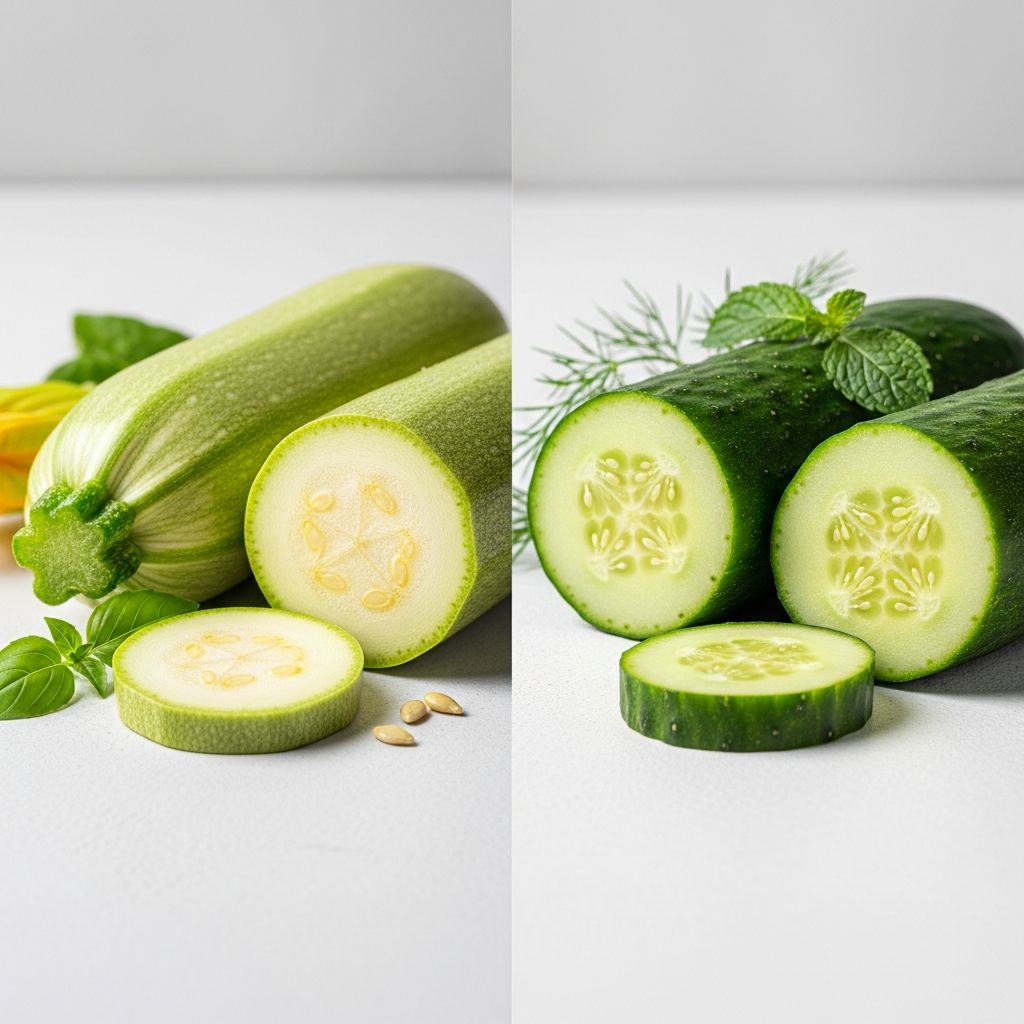
Zucchini vs. Cucumber: A Comprehensive Nutritional and Health Comparison
Zucchini and cucumber are two of the most popular vegetables found in home kitchens and grocery stores worldwide. Despite their similar appearance—both featuring a cylindrical shape, green skin, and small seeds—these vegetables belong to the same gourd family and offer distinct nutritional profiles and health benefits. Understanding the differences between zucchini and cucumber can help you make informed dietary choices and maximize the nutritional value of your meals.
Botanical Classification and Basic Characteristics
Although commonly referred to as vegetables, both zucchini and cucumber are technically fruits, as they develop from the flower’s ovary and contain seeds. This botanical distinction aside, they are treated as vegetables in culinary applications. Both vegetables consist of approximately 95% water, making them excellent choices for hydration and weight management. However, zucchini is slightly denser than cucumber, which affects their nutritional density and serving sizes.
Caloric Content and Macronutrient Comparison
When it comes to calories, both vegetables are remarkably low in energy content. A 100-gram serving of cucumber with peel provides approximately 15 calories, while peeled cucumber contains only 10 calories per 100 grams. Zucchini, meanwhile, contains 17 calories per 100 grams, making it slightly more calorie-dense than cucumber. These minimal differences mean both vegetables are ideal for weight-loss diets and calorie-conscious meal planning.
Protein and Fat Content
Neither zucchini nor cucumber is particularly rich in protein or fat, but there are notable differences. Zucchini contains more protein compared to cucumber, though the quantities remain modest in both cases. Both vegetables contain all essential amino acids, albeit in small amounts. Regarding fat content, zucchini contains approximately three times more fat than cucumber; however, even 100 grams of zucchini covers only 3% of the daily fat requirement. Both vegetables are absent in cholesterol and trans fats, making them heart-healthy options.
Carbohydrate Profile
Cucumber is slightly richer in total carbohydrates compared to zucchini and peeled cucumber. The key difference lies in fiber content: zucchini contains two times more dietary fiber than cucumber. Conversely, cucumber contains 1.5 times more net carbs than zucchini. This distinction makes zucchini a better choice for those prioritizing fiber intake, while cucumber suits those monitoring net carbohydrate consumption.
Vitamin Content: A Detailed Breakdown
One of the most significant differences between these two vegetables lies in their vitamin composition. Zucchini is substantially richer in most vitamins compared to cucumber.
- Vitamin C: Zucchini contains 6.4 times more vitamin C than cucumber. This powerful antioxidant supports immune function, collagen synthesis, and skin health.
- Vitamin E: Zucchini provides four times more vitamin E, which protects cells from oxidative damage and supports skin and eye health.
- B Vitamins: Zucchini contains four times more vitamin B6, 3.4 times more folate (vitamin B9), and almost three times more vitamin B3 (niacin) than cucumber. These B vitamins are essential for energy production, neurological function, and DNA synthesis.
- Vitamin A and B1: Zucchini is richer in both of these vitamins, supporting vision and metabolic health.
- Vitamin K: Cucumber compensates by being 3.8 times richer in vitamin K, a critical nutrient for blood clotting and bone health.
- Vitamin B5: Cucumber contains more pantothenic acid, which aids in energy and hormone production.
Both vegetables notably lack vitamin D and vitamin B12, which must be obtained from other dietary sources or supplementation.
Mineral Content Comparison
Zucchini generally contains more minerals than cucumber, with the exception of selenium and sodium. Zucchini is richer in iron, potassium, magnesium, copper, zinc, and phosphorus—all essential for various bodily functions including bone health, energy production, and immune function. Cucumber, however, contains 1.5 times more selenium, an important antioxidant mineral, and contains four times less sodium than zucchini. Both vegetables are equal in calcium content, and one serving of either covers less than 7% of the daily mineral requirement.
Health Benefits and Disease Prevention
Related Stories



Weight Management
Both cucumber and zucchini are excellent choices for weight-loss diets due to their low calorie density and high water content. Their fiber content (especially in zucchini) promotes satiety and supports digestive health, helping maintain a healthy body weight.
Blood Sugar Management and Diabetes
Research indicates that both vegetables offer benefits for blood sugar management. Cucumber contains active compounds with anti-diabetic, anti-hyperglycemic, and hypoglycemic effects, making it useful for treating and managing diabetes mellitus. Zucchini may also support type 2 diabetes management by increasing insulin levels, reducing glucose levels, and improving glucose tolerance. These properties make both vegetables suitable for individuals with diabetes or those seeking to prevent metabolic disorders.
Liver and Pancreatic Health
Studies have found that cucumber extracts may protect the liver and pancreas from damage associated with diabetes. While similar protective effects from zucchini remain unknown, its overall nutrient profile supports organ health through antioxidant and anti-inflammatory mechanisms.
Cancer Prevention and Treatment
Both cucumbers and zucchini demonstrate anticancer properties beneficial for cancer prevention and treatment. Cucumber contains cucurbitacins—specialized plant compounds that can block tumor cell development and signaling pathways, effectively causing cancer cells to die. Research shows these compounds have antitumor activity against lung, pancreatic, colon, breast, liver, and cervical cancers. Zucchini exhibits anticancer action through direct cytotoxic effects, which are further enhanced by its antioxidant properties.
DASH Diet Compatibility
Both vegetables are recommended for the DASH (Dietary Approaches to Stop Hypertension) diet, which emphasizes nutrient-rich, low-sodium foods to manage blood pressure and cardiovascular health.
Culinary Uses and Preparation Methods
While nutritionally similar in many ways, zucchini and cucumber differ significantly in culinary applications. Cucumber is typically consumed raw in salads, as a snack, or in beverages like infused water. Its crisp texture and mild flavor make it ideal for fresh preparations. Zucchini, conversely, is versatile and can be eaten raw, grilled, roasted, sautéed, or baked. Its slightly denser texture holds up well to cooking methods, making it suitable for casseroles, stir-fries, and noodle alternatives like zucchini noodles.
Nutritional Comparison Table
| Nutrient (per 100g) | Cucumber | Zucchini | Difference |
|---|---|---|---|
| Calories | 15 | 17 | Zucchini: +2 |
| Protein (g) | Lower | Higher | Zucchini: ~2x more |
| Dietary Fiber (g) | Lower | Higher | Zucchini: 2x more |
| Net Carbs (g) | Higher | Lower | Cucumber: 1.5x more |
| Vitamin C (mg) | Lower | Higher | Zucchini: 6.4x more |
| Vitamin K (mcg) | Higher | Lower | Cucumber: 3.8x more |
| Potassium (mg) | Lower | Higher | Zucchini: richer |
| Water Content (%) | ~95% | ~95% | Similar |
Frequently Asked Questions
Q: Can I eat zucchini and cucumber raw?
A: Yes, both can be eaten raw. Cucumber is typically consumed raw due to its crisp texture, while zucchini can be eaten raw in salads or as crudités, though it is more commonly cooked.
Q: Which is better for weight loss: zucchini or cucumber?
A: Both are excellent for weight loss due to low calorie content and high water density. Zucchini offers more fiber, which may enhance satiety, while cucumber is slightly lower in calories.
Q: Are zucchini and cucumber suitable for diabetics?
A: Yes, both vegetables have demonstrated benefits for blood sugar management and are suitable for individuals with diabetes or those seeking to prevent metabolic disorders.
Q: Which vegetable has more vitamin C?
A: Zucchini contains significantly more vitamin C—approximately 6.4 times more than cucumber, making it a superior source of this immune-supporting antioxidant.
Q: Can I substitute zucchini for cucumber in recipes?
A: Substitution depends on the recipe. For raw applications like salads, zucchini works but differs in texture. For cooked dishes, substitution is easier; however, cucumber will become mushy when heated.
Q: Is the skin of cucumber and zucchini nutritious?
A: Yes, both skins contain valuable nutrients and fiber. Peeling cucumber reduces calorie content slightly but removes beneficial compounds. Keeping skins on maximizes nutritional intake.
Q: Which is better for the DASH diet?
A: Both are recommended for the DASH diet. Cucumber’s lower sodium content and higher vitamin K may offer slight advantages for blood pressure management.
Conclusion: Making the Right Choice
Choosing between zucchini and cucumber ultimately depends on your specific nutritional needs and culinary preferences. Zucchini excels in providing vitamin C, fiber, and various minerals, making it ideal for those seeking enhanced nutrient density and heat-stable cooking applications. Cucumber shines with its vitamin K content, lower carbohydrate profile, and refreshing raw texture, making it perfect for salads and hydrating preparations. Both vegetables offer remarkable health benefits, support weight management, aid in disease prevention, and are versatile additions to any balanced diet. For maximum nutritional benefit, incorporating both into your regular dietary rotation ensures you benefit from their complementary nutrient profiles and health-promoting properties.
References
- Zucchini vs. Cucumber — Health Impact and Nutrition Comparison — Foodstruct. 2025. https://foodstruct.com/compare/zucchini-vs-cucumber
- Zucchini vs. Cucumber: Vitamins, Water Content, and Uses — HowStuffWorks. 2025. https://recipes.howstuffworks.com/zucchini-vs-cucumber.htm
Similar Articles








Read full bio of medha deb