Chromoblastomycosis: Diagnosis, Treatment And Prevention Guide
Chronic fungal skin infection from dematiaceous fungi, causing warty lesions in tropical regions.
Chromoblastomycosis is a chronic granulomatous fungal infection affecting the skin and subcutaneous tissue, caused by dematiaceous (pigmented) fungi endemic to tropical and subtropical regions.
What is chromoblastomycosis?
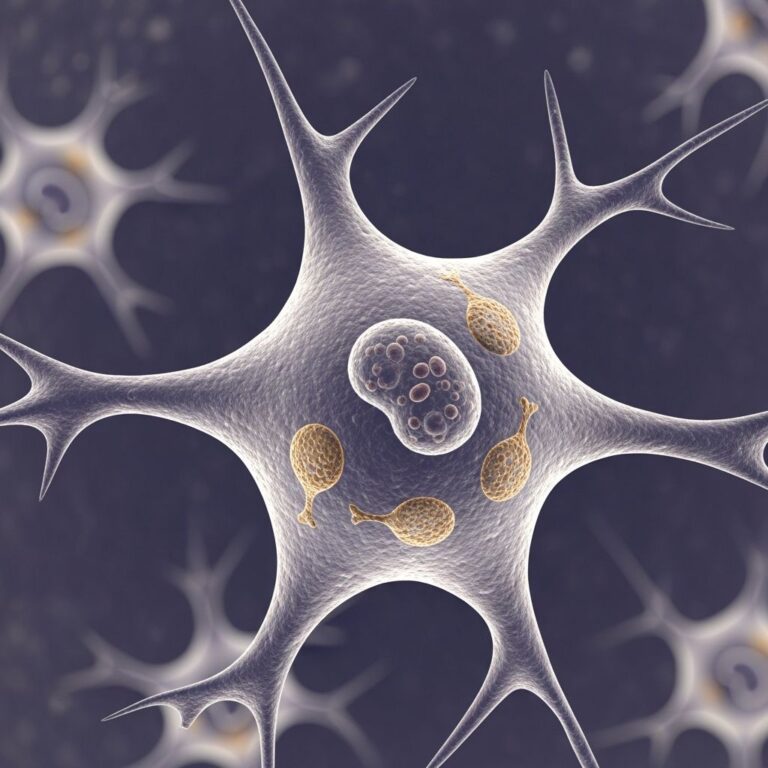
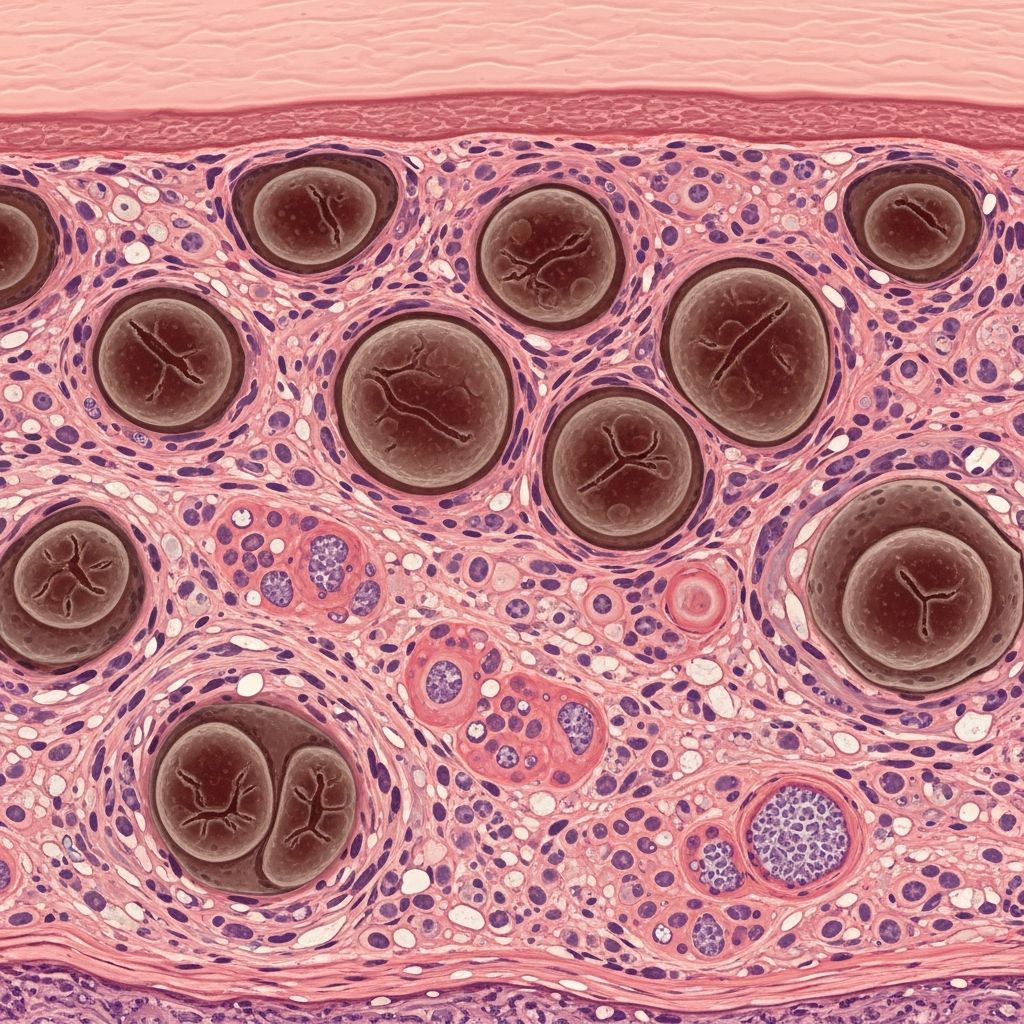
Chromoblastomycosis, also known as chromomycosis, is one of the most prevalent implantation mycoses worldwide, characterized by slow-growing, warty plaques and cauliflower-like lesions that arise from traumatic inoculation of melanin-producing fungi into the skin. These dematiaceous fungi produce distinctive sclerotic bodies (muriform cells or Medlar bodies) in tissues, appearing as copper-penny-like structures under microscopy. The disease predominantly affects rural workers in humid tropical areas, leading to significant morbidity through disfigurement, disability, and rare secondary skin cancers. Globally, its incidence is unknown but highest in Madagascar, Brazil, and other subtropical locales.
The infection remains localized to the dermis and subcutis in most cases, rarely disseminating except in immunocompromised individuals. Chronic inflammation results in granulomatous reactions with epithelioid cells, increased dermal capillaries, and fibrosis infiltrated by histiocytes, lymphocytes, and plasma cells. Despite available treatments, chromoblastomycosis is notoriously difficult to eradicate due to fungal resilience and lesion recalcitrance.
Who gets chromoblastomycosis?
Chromoblastomycosis primarily afflicts adult males engaged in agricultural or outdoor labor in tropical and subtropical climates, where exposure to contaminated soil or vegetation is common. Populations in Madagascar, Brazil, Dominican Republic, Mexico, and parts of Africa, Asia, and South America are most affected. Children and females are rarely impacted due to lower trauma risk.
Immunocompetent hosts typically develop localized disease, but those with diabetes, HIV, or immunosuppression may experience dissemination or aggressive forms. Poverty, limited healthcare access, and barefoot walking in endemic areas exacerbate risk.
Causes
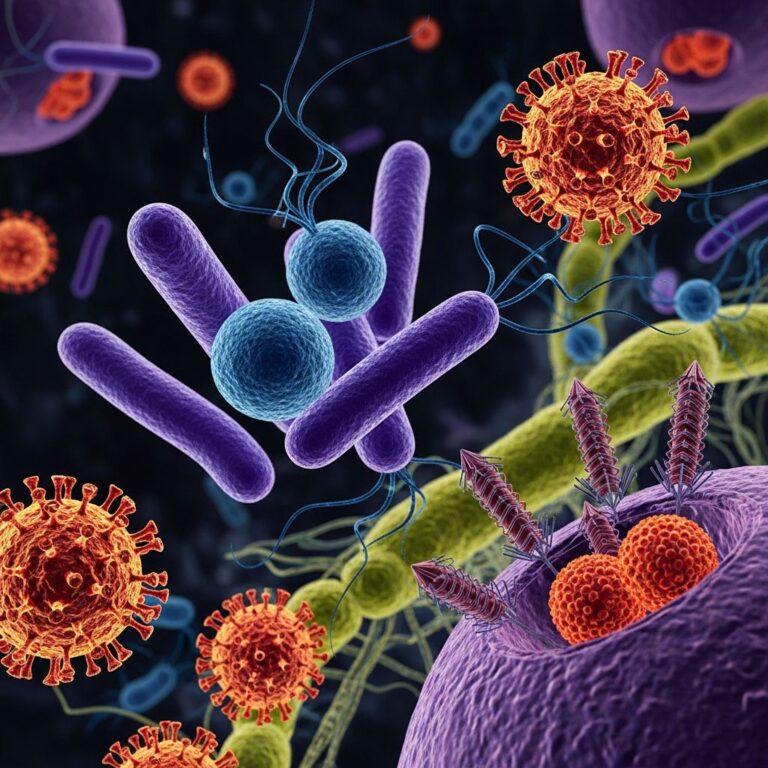
The causative agents are dematiaceous fungi, with Fonsecaea pedrosoi being the most common (70-90% of cases), followed by Fonsecaea compacta, Cladophialophora carrionii, Phialophora verrucosa, and Rhinocladiella aquaspersa. These saprophytic fungi thrive in soil, decaying wood, and plant debris.
Infection occurs via percutaneous trauma, such as cuts from thorns, splinters, or insect bites, implanting fungal propagules (conidia or hyphae fragments) into skin. An incubation period of weeks to months precedes lesion appearance. Autoinoculation via scratching spreads lesions peripherally, while lymphatic involvement can cause elephantiasis-like swelling.
Clinical features
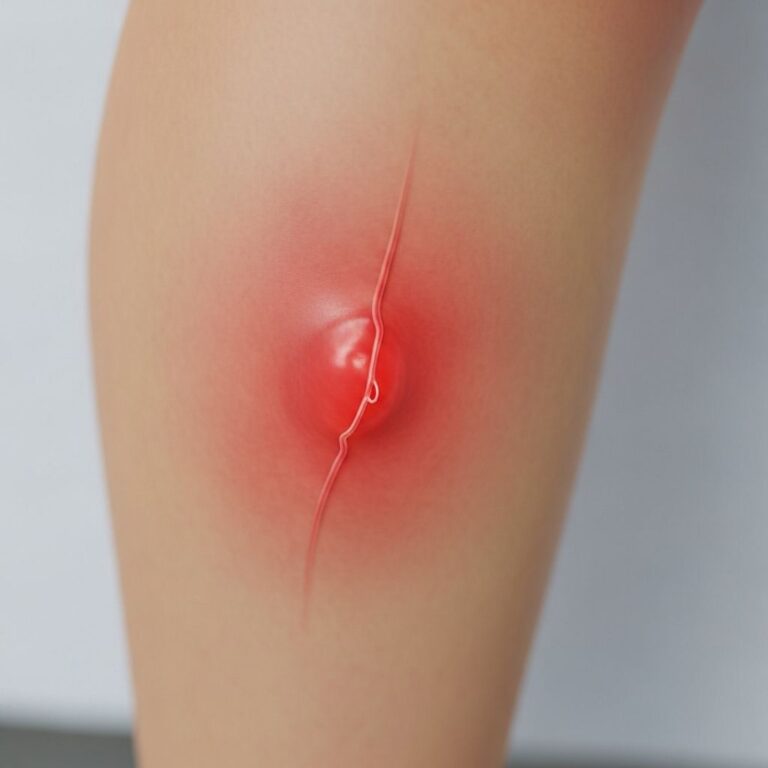
Lesions typically begin as a small, asymptomatic macule or papule at the trauma site on exposed areas like legs (most common), feet, arms, hands, or face. Over time, they evolve into polymorphic forms:
- Nodular: Firm, raised nodules.
- Tumoral/cauliflower-like: Most common; verrucous, hyperkeratotic plaques exceeding 10 cm.
- Verrucous: Warty, crusted surfaces mimicking warts.
- Plaque: Flattened, scaly patches with central atrophy or scarring.
- Cicatricial: Scar-like with fibrosis.
Symptoms include pruritus (dominant), mild pain, and bacterial superinfection in >60% of cases. Advanced disease causes lymphedema, ankylosis, ulceration, and rarely squamous cell carcinoma. Dark dots on lesions represent fungal clusters.
| Clinical Form | Description | Frequency |
|---|---|---|
| Tumoral (cauliflower) | Exophytic, verrucous growths | Most common |
| Verrucous | Wart-like hyperkeratosis | Common |
| Plaque | Scaly, atrophic centers | Frequent |
| Nodular | Subcutaneous nodules | Less common |
Diagnosis
Diagnosis combines clinical suspicion with laboratory confirmation. Key methods include:
- Direct microscopy: 10-20% KOH mount reveals golden-brown sclerotic bodies (4-12 µm, thick-walled, muriform division).
- Histopathology: Skin biopsy shows pseudoepitheliomatous hyperplasia, granulomas, and characteristic sclerotic bodies (Medlar, copper penny, or Fumagoid cells) in dermis.
- Culture: Sabouraud agar at 25-30°C yields slow-growing, pigmented colonies; identifies species via morphology.
- Molecular tests: PCR and sequencing for precise etiology, especially in research.
Related Stories



Differential diagnoses: leishmaniasis, sporotrichosis, mycetoma, squamous cell carcinoma, verruca vulgaris, tertiary syphilis, yaws, and lupus vulgaris.
Treatment
No universal gold standard exists; management combines antifungals, surgery, and physical therapies, often prolonged (months-years). Success rates vary by lesion size, site, and duration.
Antifungal therapy (first-line)
- Itraconazole (ITZ): 400-600 mg/day; mycologic cure in 50-80%.
- Terbinafine (TBF): 250-500 mg/day; superior antifibrotic activity, fewer interactions.
- Combination ITZ + TBF: For refractory cases.
- Posaconazole/Fluconazole: Alternatives for failures.
Treatment duration: until clinical/mycologic resolution.
Physical/surgical methods
- Cryotherapy: Liquid nitrogen sprays (2-3 cycles/session, 6-7 sessions); effective for small lesions, combine with antifungals.
- Surgery: Excision for early, small lesions.
- Thermotherapy: Local heat (42-45°C) daily for 2-6 months.
- Electrodesiccation/CO2 laser: For superficial plaques.
Monotherapy fails in large lesions; multimodality preferred. Monitor for relapse, secondary bacterial infections.
What is the outcome for chromoblastomycosis?
Prognosis is good for early, small lesions (>80% cure), but poor for chronic, extensive disease (relapse >50%). Disability from scarring/lymphedema affects livelihoods in endemic areas. Rare metastases or carcinomas worsen outlook. Interprofessional care improves outcomes.
Prevention
Prevent via:
- Wearing protective footwear/gloves in endemic zones.
- Prompt wound care after trauma.
- Avoiding barefoot walking on soil.
- Early diagnosis/treatment to halt spread.
WHO emphasizes awareness in neglected tropical diseases.
Frequently Asked Questions (FAQs)
What causes chromoblastomycosis?
Traumatic implantation of dematiaceous fungi like Fonsecaea pedrosoi from soil/plants.
Is chromoblastomycosis contagious?
No, it is not person-to-person; acquired via environmental trauma.
How is chromoblastomycosis diagnosed?
By microscopy/histology showing sclerotic bodies in biopsy.
What is the best treatment?
Itraconazole or terbinafine, often with cryotherapy.
Can chromoblastomycosis be cured?
Yes, especially early; chronic cases require prolonged therapy.
References
- Chromoblastomycosis — PubMed/NCBI. 2014-11-01. https://pubmed.ncbi.nlm.nih.gov/25395928/
- Chromoblastomycosis – StatPearls — NCBI Bookshelf. 2023-07-17. https://www.ncbi.nlm.nih.gov/books/NBK470253/
- Fungus – Chromoblastomycosis — Perri Dermatology. 2023. https://perridermatology.com/dr-perris-blog/fungus-chromoblastomycosis/
- Chromoblastomycosis — Clinical Microbiology Reviews/ASM Journals. 2017-07-12. https://journals.asm.org/doi/10.1128/cmr.00032-16
- Chromoblastomycosis — Dermatology Advisor. 2023. https://www.dermatologyadvisor.com/home/decision-support-in-medicine/dermatology/chromoblastomycosis-2/
- Chromoblastomycosis: a contemporary review — Clinical and Experimental Dermatology/OUP. 2024. https://academic.oup.com/ced/advance-article-abstract/doi/10.1093/ced/llaf201/8131579
- Chromoblastomycosis – DermNet — DermNet NZ. 2023. https://dermnetnz.org/topics/chromoblastomycosis
- Chromoblastomycosis — World Health Organization (WHO). 2024-05-22. https://www.who.int/news-room/fact-sheets/detail/chromoblastomycosis
Similar Articles








Read full bio of Sneha Tete