Latex Allergy: 5 Key Symptoms, Causes, And Treatment
Comprehensive guide to latex allergy: symptoms, causes, diagnosis, prevention, and management strategies for safe living.
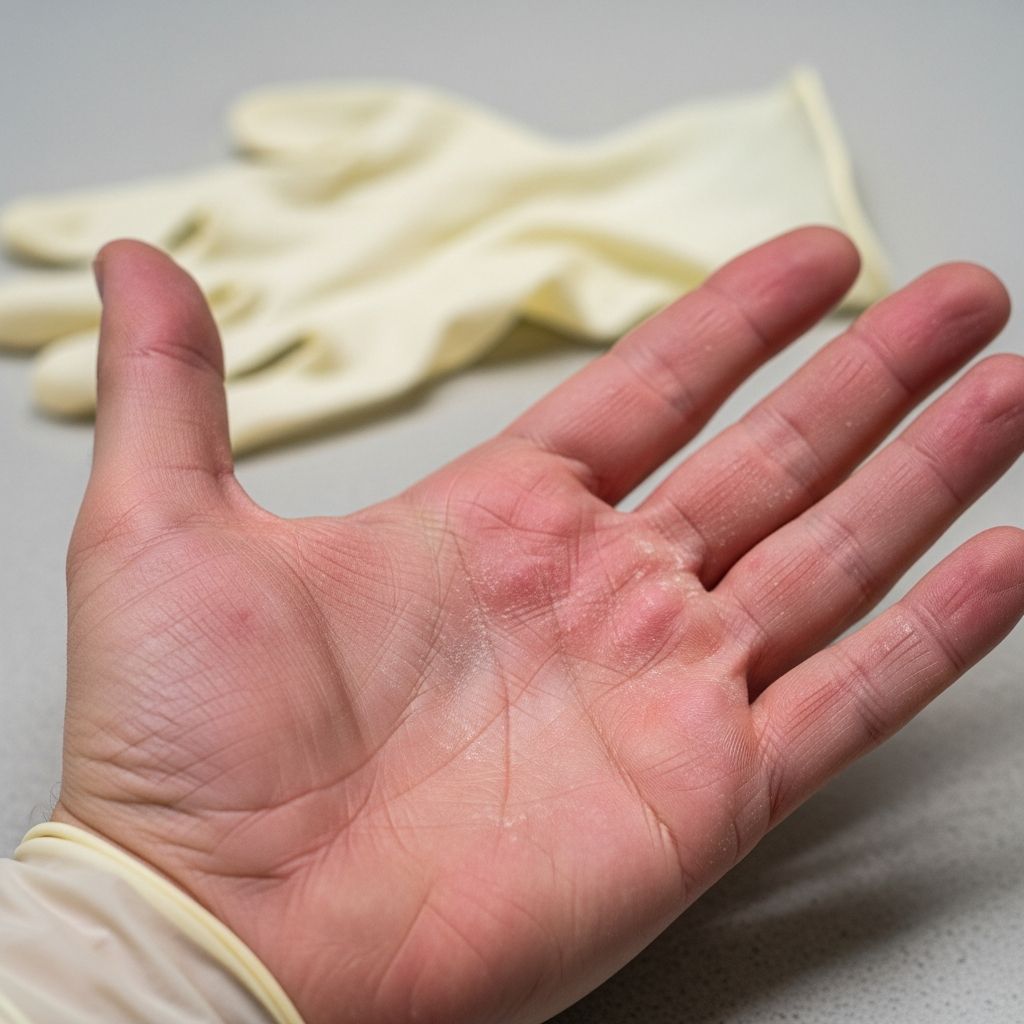
Latex allergy occurs when the immune system overreacts to proteins in natural rubber latex, leading to symptoms ranging from mild skin irritation to life-threatening anaphylaxis. This condition affects millions worldwide, particularly those with frequent latex exposure.
What is latex allergy?
Natural rubber latex derives from the sap of the Hevea brasiliensis tree and contains proteins that can trigger IgE-mediated hypersensitivity reactions. These proteins provoke the immune system to produce specific antibodies, releasing histamine and other chemicals upon re-exposure, causing inflammation and allergic symptoms.
There are two main types of reactions to latex: IgE-mediated allergy (Type I hypersensitivity), which is immediate and potentially severe, and irritant or allergic contact dermatitis (Type IV hypersensitivity), which is delayed and caused by chemicals in latex processing rather than proteins themselves.
Who is at risk of developing latex allergy?
High-risk groups include:
- Healthcare workers due to frequent glove use.
- Patients with multiple surgeries or catheterizations, such as those with spina bifida (up to 70% prevalence).
- Individuals with food allergies to cross-reacting fruits like banana, avocado, kiwi, and chestnut.
- Rubber industry workers and those with hand eczema.
Sensitization develops over time with repeated exposure, and genetic factors may contribute.
What are the clinical features of latex allergy?
Contact urticaria (immediate type I reaction)
Symptoms appear within minutes: itching, redness, hives, or angioedema at contact sites. In severe cases, systemic reactions occur.
Respiratory symptoms
Inhalation of latex particles from powdered gloves causes rhinitis (sneezing, runny nose), conjunctivitis, or asthma (wheezing, shortness of breath).
Anaphylaxis
Life-threatening reaction involving multiple systems: hypotension, tachycardia, bronchospasm, gastrointestinal upset. Can occur from mucosal exposure like condoms or during surgery.
Delayed contact dermatitis (type IV)
Develops 12-36 hours post-exposure: erythematous, scaly, itchy patches. Caused by accelerators like thiurams, not latex proteins.
Cross-reactions
Latex proteins share epitopes with certain foods, leading to oral allergy syndrome: tingling mouth, lip swelling from banana, avocado, etc.
How is latex allergy diagnosed?
Diagnosis involves history, skin testing, and serology:
- Skin prick test: Using commercial latex extract or glove fragment; wheal >3mm indicates positivity. Gold standard but risky in severe cases.
- Serum IgE: Measures specific latex IgE antibodies; useful for confirmation.
- Patch testing: For contact dermatitis to rubber additives.
- Challenge test: Rarely, inhalation or use test in controlled settings.
Allergists perform testing with emergency preparedness.
What is the treatment for latex allergy?
No cure exists; management focuses on avoidance and symptom relief:
- Mild reactions: Oral antihistamines, topical corticosteroids, calamine lotion.
- Severe reactions/anaphylaxis: Intramuscular epinephrine (0.3-0.5mg), followed by emergency care with IV fluids, oxygen, steroids.
- Immunotherapy: Emerging option with sublingual or subcutaneous latex extracts to desensitize; not universally available.
All high-risk patients should carry epinephrine auto-injectors.
What is the prevention for latex allergy?
Primary prevention
Use powder-free, low-protein latex gloves or synthetic alternatives (nitrile, vinyl). Hospitals should adopt latex-safe protocols.
Secondary prevention for sensitized individuals
Strict avoidance: inform healthcare providers, wear medical alert bracelets, use latex-free products.
Related Stories



| Product | Latex-Containing | Latex-Free Alternatives |
|---|---|---|
| Gloves | Natural rubber latex | Nitrile, neoprene, vinyl |
| Condoms | Latex | Polyurethane, polyisoprene |
| Catheters | Silicone-coated latex | Silicone, PVC |
| Balloon catheters | Latex | Silicone |
| Elastic bandages | Elastic threads | Cotton, synthetic elastics |
Future developments
Research advances low-allergen latex, improved diagnostics, and broader immunotherapy access. Powder-free policies have reduced occupational sensitization by 80% in some settings.
Frequently Asked Questions
What foods cross-react with latex?
Banana, avocado, kiwi, chestnut, papaya; cause oral itching in 30-50% of latex-allergic individuals.
Can I develop latex allergy suddenly?
Yes, after repeated exposures, even years later, especially in at-risk professions.
Is synthetic rubber safe?
Nitrile and vinyl lack latex proteins and are safe alternatives.
What if exposed accidentally?
Remove latex, wash skin, take antihistamine; seek ER for breathing issues or swelling.
Do all latex gloves cause reactions?
No, low-protein, powder-free ones are safer, but avoidance is best.
References
- Latex Allergy: Symptoms, Diagnosis, Types, Treatment — WebMD. 2023-10-15. https://www.webmd.com/allergies/latex-allergies
- Latex Allergic Treatment in NJ & PA — Becker ENT & Allergy. 2024-05-20. https://www.beckerentandallergy.com/allergy/latex-allergy
- Latex Allergy: Causes, Symptoms, Diagnosis & Treatment — Cleveland Clinic. 2024-02-12. https://my.clevelandclinic.org/health/diseases/8623-latex-allergy
- Latex allergy – Diagnosis and treatment — Mayo Clinic. 2024-08-05. https://www.mayoclinic.org/diseases-conditions/latex-allergy/diagnosis-treatment/drc-20374291
- Latex Allergy Symptoms, Diagnosis, Treatment — American Academy of Allergy, Asthma & Immunology (AAAAI). 2023-11-30. https://www.aaaai.org/conditions-treatments/allergies/latex-allergy
- Latex allergy – Symptoms and causes — Mayo Clinic. 2024-08-05. https://www.mayoclinic.org/diseases-conditions/latex-allergy/symptoms-causes/syc-20374287
Similar Articles








Read full bio of Sneha Tete