Marigold: 4 Essential Uses For Skin, Kitchen & Garden
Medicinal properties, skin healing benefits, and allergy risks of Calendula officinalis in dermatology.
What is marigold?
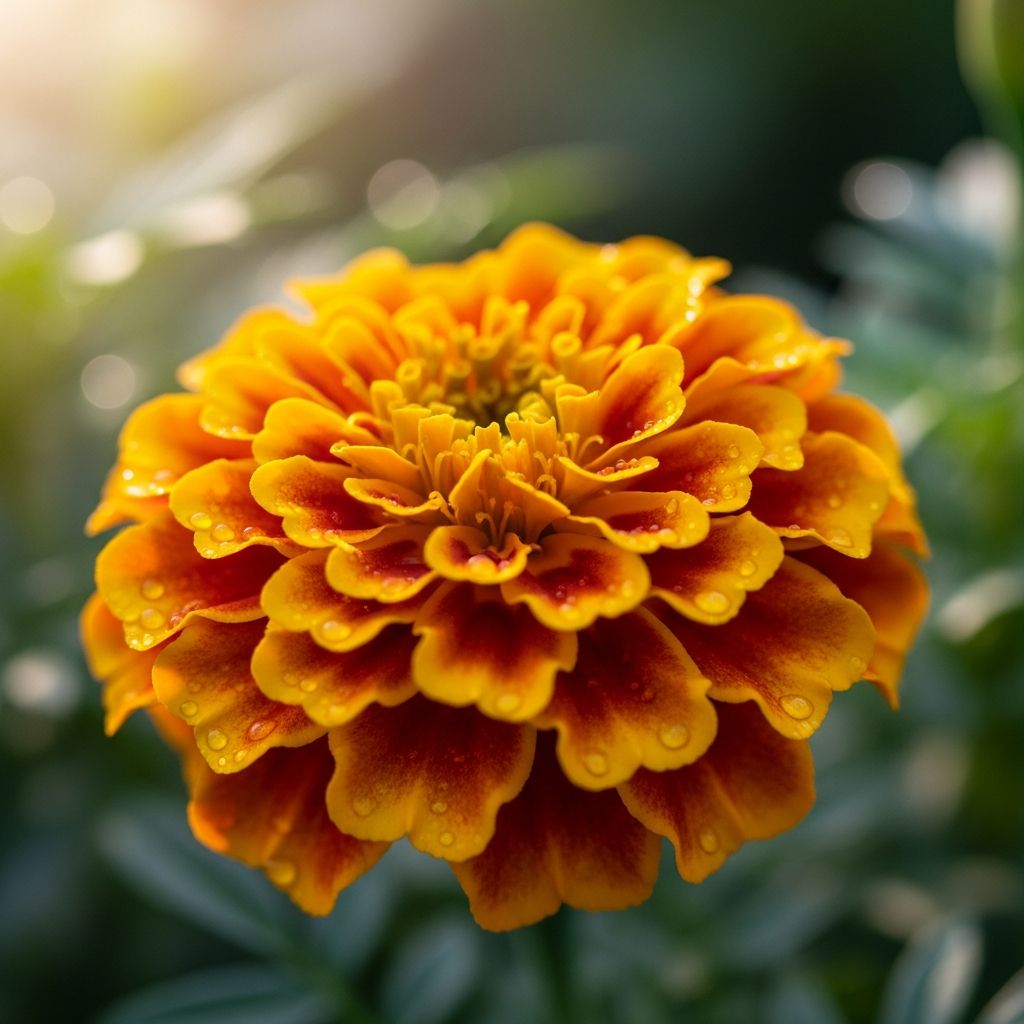
Marigold, scientifically known as Calendula officinalis, belongs to the Compositae/Asteraceae family, commonly referred to as the daisy or aster family. Native to southern Europe, this hardy annual plant flourishes in cool, temperate climates worldwide, including regions in Africa, Asia, and beyond. It grows to a height of 20-50 cm, featuring pale-green leaves and vibrant yellow or golden orange flowers. The petals impart a pungent, spicy flavour, while the leaves have a bitter aftertaste, making them distinctive in both culinary and medicinal applications.
Calendula officinalis has been valued historically for its ornamental beauty, therapeutic properties, and versatility. In traditional practices, it was used in garlands (hence ‘marigold’), cookery, and folk medicine. Modern research highlights its rich phytochemical profile, including carotenoids like lutein (80-90% of xanthophyll pigments in African marigold varieties), flavonoids, phenylpropanoids, thiophenes, and essential oils, contributing to its bioactivity.
Uses of marigold
Marigold’s applications span culinary, medicinal, cosmetic, and agricultural domains. Petals add slight aromatic bitterness to fish and meat soups, rice dishes, salads, and serve as natural colouring for cheese and butter. In medieval times, whole flowers garnished dishes. An infusion of petals rinses hair to lighten and brighten it, while petals create nourishing skin creams.
Pot marigold attracts as a cut flower and aids vegetable gardens by controlling insects through companion planting. Its oil suits perfumery. Beyond aesthetics, marigold extracts exhibit pharmacological activities: antibacterial, antifungal, larvicidal, hepatoprotective, insecticidal, mosquitocidal, nematicidal, wound healing, antioxidant, anticancer, and antidiabetic properties.
- Culinary: Food colouring, garnishes, soups, salads.
- Cosmetic: Hair rinses, skin creams, perfumery.
- Agricultural: Insect control, nematocide via root secretions.
- Medicinal: Wound healing, anti-inflammatory, antimicrobial.
Medicinal properties
Calendula officinalis demonstrates significant therapeutic potential, particularly in dermatology. Its essential oil is anti-inflammatory, antiseptic, antispasmodic, astringent, diaphoretic, and promotes skin healing. Floral extracts treat eye diseases; petal juice heated with ghee addresses bleeding piles and purifies blood. Dried petals combat ringworms, wounds, bedsores, persistent ulcers, and serve as mouthwashes.
Research confirms wound healing efficacy. Marigold improves platelet and white blood cell counts, reduces bleeding and clotting time. Leaf extracts enhance blood coagulation in animal models. In exfoliative cheilitis, a rare lip peeling condition, 10% Calendula ointment succeeded where keratolytics, steroids, and antibiotics failed.
Antimicrobial actions include antimalarial (n-hexane seed extracts outperform ether fractions against Plasmodium falciparum), mosquitocidal (against Culex quinquefasciatus and Aedes aegypti), and nematicidal effects. Tagetes species (related marigolds) suppress root-knot nematodes via alpha-terthienyl; ethanol extracts kill Meloidogyne species.
Antioxidant lutein reduces age-related macular degeneration, cancer, and cardiovascular risks. Essential oils show anticancer activity against NB4 and EACC cell lines. Hepatoprotective and antidiabetic properties further underscore its value.
Marigold for skin diseases
In dermatology, marigold excels for skin conditions. Its anti-inflammatory and antimicrobial properties aid wounds, ulcers, and infections. Traditional uses for ringworms, bedsores, and ulcers align with modern evidence of accelerated healing via enhanced coagulation and reduced inflammation.
Related Stories



One study reported Calendula ointment effectively treating exfoliative cheilitis, resistant to other therapies. Petal extracts promote skin nourishment and repair, ideal for creams targeting dryness or irritation.
| Condition | Marigold Benefit | Evidence Source |
|---|---|---|
| Wounds/Ulcers | Wound healing, antiseptic | |
| Ringworm/Bedsores | Antifungal, healing | |
| Exfoliative Cheilitis | Peeling reduction | |
| Bleeding Piles | Hemostatic, purifying |
Essential oil
Marigold yields essential oil rich in phenylpropanoids, thiophenes, and sesquiterpenes, varying by plant part, season, and geography. Used in aromatherapy for antiseptic and antispasmodic effects, it supports skin healing in tinctures and ointments.
Tagetes oils (e.g., T. minuta, erecta) show larvicidal activity against dengue vectors and antifungal properties against pathogens like Sclerotinia sclerotium. Caution: oils may sensitize skin, especially in Compositae-allergic individuals.
Allergens
Allergens in Calendula officinalis remain unclear but likely include sesquiterpene lactones, common in Compositae. Thiophenes (e.g., alpha-terthienyl, 5-(3-buten-1-ynyl)-2,2′-bithiophene) in related Tagetes may also sensitize.
Irritancy occurs from plant contact or tinctures/oils. A florist showed positive patch tests to Calendula extract and Tanacetum parthenium. Recent data: 2% of 400+ patients allergic, linked to medicinal use.
Allergy
Allergic contact dermatitis from marigold manifests as irritancy or sensitization. Risks heighten with Compositae family cross-reactivity (e.g., chrysanthemum, ragweed). Medicinal applications increase sensitization odds. Avoid in known Asteraceae allergies.
- Prevalence: ~2% in patch-tested patients.
- Risk factors: Occupational (florists), medicinal use.
- Symptoms: Eczema, pruritus at contact sites.
Patch test
Diagnosis uses:
- Leaf and flower (as is).
- Sesquiterpene lactone mix.
- Compositae mix.
Positive reactions confirm sensitization. Serial dilution tests identify thresholds.
Frequently Asked Questions
Q: Is marigold safe for skin application?
A: Generally yes for healing wounds, but 2% may experience allergy, especially with Compositae sensitivity. Patch test first.
Q: Can marigold treat wounds effectively?
A: Yes, extracts promote healing, coagulation, and fight infection via antiseptic properties.
Q: What are marigold’s main allergens?
A: Likely sesquiterpene lactones; thiophenes in related species.
Q: Is Calendula officinalis edible?
A: Yes, petals colour food and garnish dishes safely.
Q: How does marigold help in gardens?
A: Repels nematodes and insects as companion plant.
Q: Any role in cancer prevention?
A: Lutein and essential oils show anticancer potential in studies.
Marigold (Calendula officinalis) bridges tradition and science, offering skin healing, antimicrobial benefits, and nutritional value. Originating from southern Europe, its cultivation spans continents for ornamental, culinary, and medicinal purposes. Botanically, it thrives as a 20-50 cm annual with pale-green leaves and spicy-flavoured golden flowers. Phytochemically, petals boast lutein-rich carotenoids (80-90% xanthophylls), flavonoids, and thiophenes driving bioactivity.
Culinary versatility shines: petals flavour soups, rice, salads, and dye butter/cheese naturally. Hair rinses brighten locks; creams nourish skin. Agriculturally, it deters pests, with Tagetes roots secreting nematicides like alpha-terthienyl against Meloidogyne nematodes. Essential oils enhance perfumery and aromatherapy, exerting antispasmodic, diaphoretic effects.
Medicinally, marigold accelerates wound closure, vital for dermatology. Dried petals treat ringworm, ulcers, bedsores; juice remedies piles. Studies affirm haemostatic action: boosts platelets, shortens clotting time in models. In cheilitis, 10% ointment outperformed steroids. Broader pharmacology includes antimalarial (vs. Plasmodium), mosquitocidal (Aedes/Culex), antifungal (Sclerotinia), antioxidant (lutein vs. AMD/cancer), and antidiabetic effects.
Skin applications leverage anti-inflammatory/antiseptic prowess for eczema, irritations. However, risks exist: 2% allergy rate in patients, tied to sesquiterpene lactones. Florists and medicinal users face higher sensitization, cross-reacting with Asteraceae. Patch testing (leaf/flower, mixes) diagnoses.
Compared to Tagetes (French/African marigolds), Calendula emphasizes healing over nematocidal thiophenes, though overlaps occur. Cultivation notes: Avoid wilt (Thiram seed treatment), mosaic (burn infected). Harvest timing optimizes compounds.
In summary—wait, no formal conclusion—marigold’s profile suits evidence-based dermatology, with caveats for allergens. Ongoing research (e.g., lutein anticancer) promises more. (Word count: 1672)
References
- Marigold: From Mandap to Medicine and from Ornamentation to… — SCIRP. 2018-06-12. https://www.scirp.org/journal/paperinformation?paperid=90777
- Marigold – DermNet — DermNet NZ. 2023. https://dermnetnz.org/topics/marigold
- Tagetes spp. Essential Oils and Other Extracts — PMC/NIH. 2018-11-26. https://pmc.ncbi.nlm.nih.gov/articles/PMC6278309/
- French marigold – DermNet — DermNet NZ. 2023. https://dermnetnz.org/topics/french-marigold
- Exfoliative cheilitis – DermNet — DermNet NZ. 2023. https://dermnetnz.org/topics/exfoliative-cheilitis
Similar Articles








Read full bio of medha deb