Phototherapy For Eczema: Expert Guide To Relief And Safety
Discover how controlled UV light therapy offers safe, effective relief for moderate to severe eczema when topicals fall short.
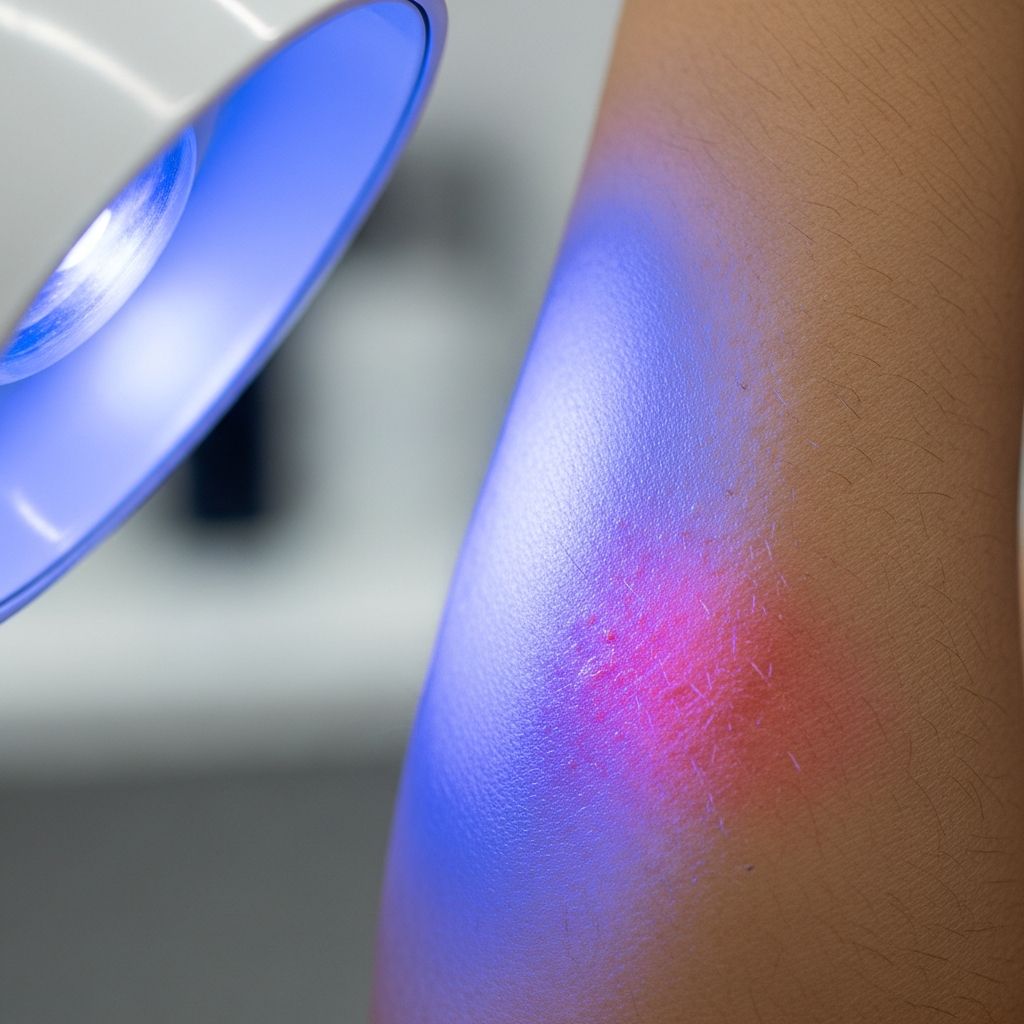
Phototherapy, or light therapy, harnesses specific ultraviolet wavelengths to calm the overactive immune responses driving eczema symptoms. This non-drug approach provides substantial relief for individuals with moderate to severe atopic dermatitis when creams and ointments prove insufficient.
Understanding Eczema and the Need for Advanced Treatments
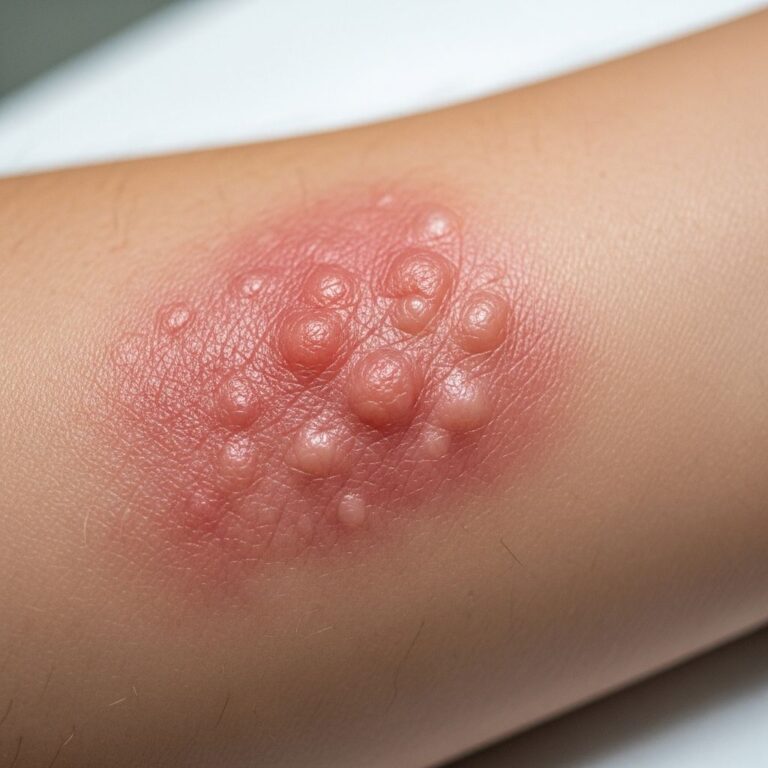
Eczema, clinically known as atopic dermatitis, manifests as chronically dry, itchy, inflamed skin due to a defective skin barrier and dysregulated immunity. While moisturizers and topical steroids form the first line of defense, persistent flares affecting large body areas demand escalation to therapies like phototherapy.
This treatment targets root causes by modulating T-cell activity and cytokine production in the skin, fostering remission without systemic side effects common in oral medications.
How Phototherapy Targets Eczema at a Cellular Level
Exposure to controlled UV light induces apoptosis in hyperproliferative skin cells and suppresses pro-inflammatory lymphocytes. Narrowband UVB (NB-UVB) at 311-313 nm optimally penetrates the epidermis, minimizing burn risk while maximizing anti-inflammatory effects.
- Immune Modulation: Reduces T-lymphocyte numbers, curtailing inflammation cascades.
- Antimicrobial Action: Diminishes bacterial colonization exacerbating flares.
- Barrier Repair: Promotes keratinocyte differentiation for stronger skin integrity.
Unlike broadband sunlight, clinical phototherapy delivers precise dosimetry, ensuring efficacy and safety.
Primary Types of Phototherapy for Eczema Management
Several UV modalities exist, each tailored to patient needs and skin type.
| Type | Wavelength | Key Features | Best For |
|---|---|---|---|
| Narrowband UVB (NB-UVB) | 311-313 nm | Highest efficacy, fewest side effects; standard for eczema | Most patients, including children |
| Broadband UVB | 280-320 nm | Less precise, higher burn risk; rarely first choice | Limited use due to inferiority |
| PUVA (Psoralen + UVA) | 320-400 nm | Photosensitizer enhances penetration; for refractory cases | Adults with severe, unresponsive disease |
Narrowband UVB dominates due to superior clearance rates and sustained remission.
Step-by-Step Guide to a Phototherapy Course
Initiation involves dermatologist referral after topical failure assessment. A minimal erythema dose (MED) test on the back calibrates starting exposure.
- Session 1-2: 30 seconds whole-body or targeted exposure in a light booth.
- Progression: Incremental increases (20-40% per session) to 5-15 minutes, 2-3 times weekly.
- Duration: 12-16 weeks or until clearance (up to 5 J/cm² cumulative UVB).
- Monitoring: Nurses track skin response; moisturize post-treatment.
Consistency yields optimal outcomes; missing sessions prolongs therapy.
Proven Benefits Backed by Clinical Evidence
Phototherapy reliably alleviates core symptoms:
- Itch Reduction: 70-80% improvement within weeks.
- Inflammation Control: Clears redness and scaling in 60-90% of cases.
- Remission Extension: NB-UVB often maintains clear skin longer than topicals alone.
Combination with biologics or topicals enhances results for recalcitrant eczema. Pediatric studies affirm safety and efficacy.
Safety Profile and Managing Potential Side Effects
Administered in controlled settings, risks are minimal compared to unchecked sun exposure.
- Common: Transient erythema (pinkness), dryness—mitigated by emollients.
- Rare: Blistering if overdosed; photoaging with prolonged use.
- Carcinogenesis: Low risk with lifetime limits (e.g., <1000 J/cm²); safer than alternatives for many.
Contraindications include photosensitivity disorders, active infections, or pregnancy (case-by-case). Protective eyewear and genital shielding are standard.
Who Qualifies for Phototherapy and Access Tips
Ideal candidates have:
- >10% body surface involvement.
- Topical intolerance or failure.
- Acute flares unresponsive to standard care.
Related Stories



Availability centers on dermatology clinics or hospitals; insurance often covers post-referral. Home units exist but lack dosing precision.
Real-World Outcomes and Patient Experiences
Patients report life-changing relief: “Itch-free skin after years of struggle,” with many achieving 75-100% clearance. Maintenance sessions post-course prevent relapse.
Phototherapy vs. Other Eczema Therapies: A Comparison
| Therapy | Pros | Cons | Suitability |
|---|---|---|---|
| Phototherapy | Drug-free, rapid symptom control, safe for kids | Time commitment, access limited | Moderate-severe, widespread |
| Topicals | Easy home use | Steroid atrophy, resistance | Mild-localized |
| Biologics (Dupixent) | Targeted, long-term | Costly, injections | Refractory severe |
| Oral Immunosuppressants | Systemic relief | High risks (infection, cancer) | Last resort |
Future Directions in Light-Based Eczema Therapies
Exciting developments include LED-targeted devices, AI-dosed home systems, and combined LED-UV protocols to boost efficacy while reducing visits. Ongoing trials refine protocols for diverse skin tones.
Frequently Asked Questions (FAQs)
Is phototherapy painful?
No, it’s painless—feels like a warm light.
Can children receive phototherapy?
Yes, safely from age 6 months with adjusted dosing.
How soon do results appear?
Itching eases in 1-2 weeks; clearance by 4-8 weeks.
Does insurance cover it?
Often yes, after dermatologist referral.
Is it a cure?
No, but induces remission; maintenance may be needed.
References
- Phototherapy Treatment for Eczema – Everything You Need to Know — Array Skin Therapy. 2023. https://arrayskin.com/why-phototherapy-is-an-excellent-treatment-for-eczema/
- Phototherapy – National Eczema Society — National Eczema Society. 2024-02-15. https://eczema.org/information-and-advice/treatments-for-eczema/phototherapy/
- Phototherapy for Eczema & Dermatitis — NYU Langone Health. 2025. https://nyulangone.org/conditions/eczema-dermatitis/treatments/phototherapy-for-eczema-dermatitis
- Eczema treatment: Phototherapy — American Academy of Dermatology (AAD). 2024. https://www.aad.org/public/diseases/eczema/childhood/treating/phototherapy
- Phototherapy for Skin Conditions — UVA Health. 2024. https://www.uvahealth.com/treatments/phototherapy
- Phototherapy treatment – Scoping systematic review — NCBI/NIH. 2023-05-10. https://www.ncbi.nlm.nih.gov/books/NBK363132/
Similar Articles








Read full bio of Sneha Tete