Psoriasis 2025: Complete Guide To Symptoms, Causes & Treatment
Comprehensive guide to understanding psoriasis: causes, symptoms, types, treatments, and living with this chronic skin condition.
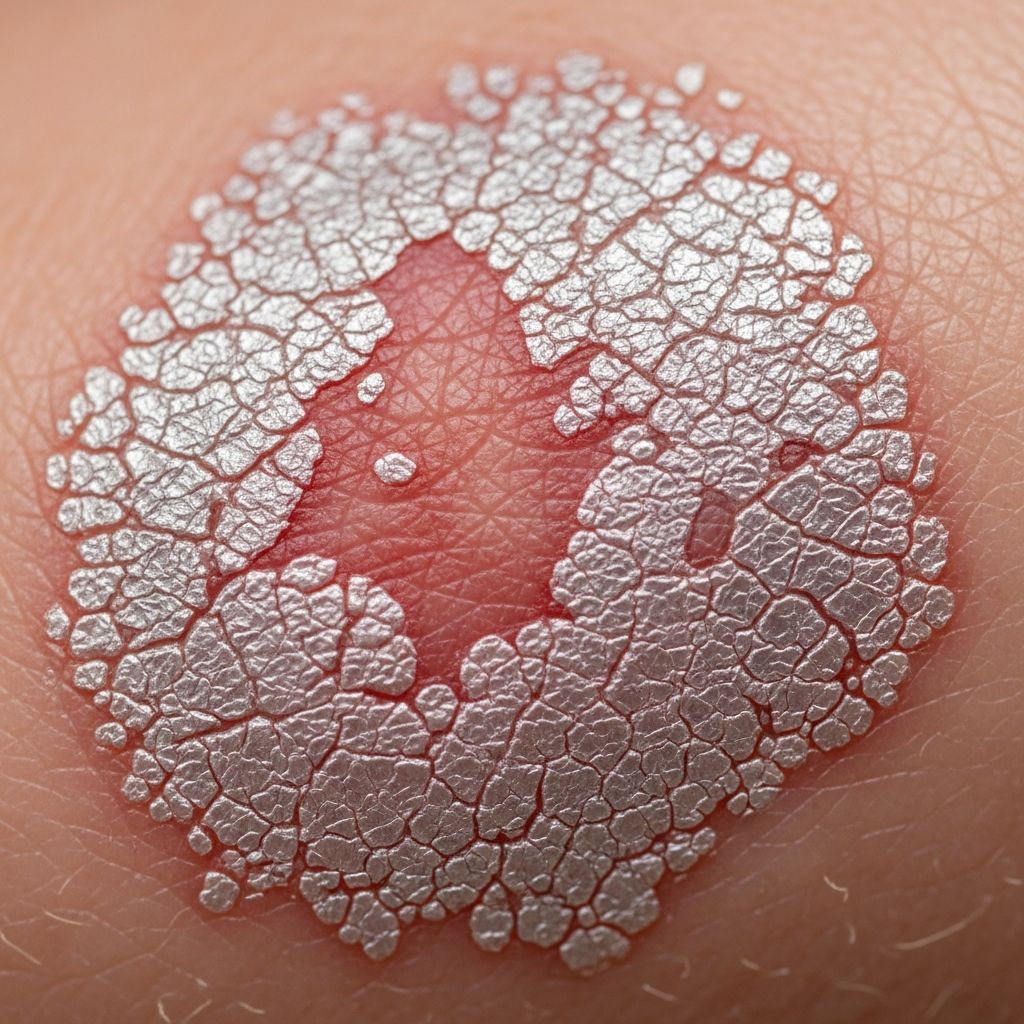
Psoriasis is a common, chronic inflammatory skin condition characterized by red, scaly patches (plaques) that can itch, crack, and cause discomfort. It affects millions worldwide and tends to flare up periodically throughout life, but it is not contagious or cancerous.
What is psoriasis?
Psoriasis occurs when skin cells multiply too quickly, leading to buildup of thick, scaly plaques typically pink or red with silvery-white scales. These plaques most commonly appear on elbows, knees, scalp, lower back, and navel, though any skin area can be affected. Plaques have sharp borders and feel rough to the touch. Mild cases involve small patches, while severe ones cover larger areas, potentially causing pain, fissures, or bleeding.
The condition impacts quality of life, with tools like the Dermatology Life Quality Index (DLQI) measuring psychological and social effects. Severity is assessed using Psoriasis Area and Severity Index (PASI), body surface area, and patient global assessment.
What are the different types of psoriasis?
Several types exist, with chronic plaque psoriasis being the most prevalent (80-90% of cases). Other variants include:
- Chronic plaque psoriasis: Red plaques with silvery scales on extensor surfaces like elbows and knees.
- Guttate psoriasis: Small, drop-like spots often triggered by infections, scattering across the body.
- Pustular psoriasis: White pustules on red skin; generalised form is a medical emergency with fever and toxicity.
- Erythrodermic psoriasis: Widespread redness and shedding, causing severe discomfort.
- Psoriatic arthritis: Joint inflammation affecting 10-30% of psoriasis patients, causing pain and swelling.
High-impact sites like scalp, face, genitals, hands, and feet are harder to treat and significantly affect daily life.
How common is psoriasis?
Psoriasis affects about 2% of the UK population, or roughly 1.2 million people. It can start at any age but peaks in 20s-30s and 50s-60s. Men and women are equally affected, with genetic factors playing a key role—10% lifetime risk if a first-degree relative has it.
What causes psoriasis?
Psoriasis is genetically determined and inflammatory, involving an overactive immune response where T-cells trigger rapid skin cell growth (every 3-4 days vs. normal 28-30 days). It is not caused by infection or poor hygiene but by a combination of genes (e.g., HLA-Cw6) and environmental factors.
How is psoriasis diagnosed?
Diagnosis is clinical, based on appearance and history—no biopsy usually needed. Doctors assess extent (mild <5% body surface, moderate 5-10%, severe >10%), sites involved, nails, joints, and comorbidities like cardiovascular risks. Tools include PASI score, DLQI, and Physician’s Global Assessment. Refer to dermatology if severe, high-impact sites, or psoriatic arthritis suspected.
What triggers psoriasis?
Flare-ups often lack obvious cause, but common triggers include:
- Stress: Psychological stress worsens symptoms; stress management helps.
- Infections: Streptococcal throat infections trigger guttate psoriasis.
- Medications: Beta-blockers, lithium, antimalarials.
- Skin injury: Koebner phenomenon—plaques at injury sites.
- Alcohol and smoking: Increase severity and cardiovascular risks.
- Cold weather: Worsens plaques.
Psoriasis treatments
Treatment depends on severity, sites, and response. Start with education, reassurance (non-infectious), and emollients. Options follow a stepwise approach per NICE and PCDS guidelines.
Topical treatments
First-line for mild-moderate psoriasis: potent steroid-calcipotriol combinations (e.g., Dovobet®) for rapid control. Others include vitamin D analogues, corticosteroids, coal tar, dithranol, salicylic acid. Apply once/twice daily; use emollients liberally. Scalp: shampoos/foams.
Related Stories



| Treatment Type | Examples | Use |
|---|---|---|
| Vitamin D analogues | Calcipotriol, tacalcitol | Slow cell growth; twice daily |
| Topical steroids | Betamethasone, clobetasol | Reduce inflammation; short-term |
| Combinations | Calcipotriol/betamethasone | First-line for plaques |
| Others | Coal tar, salicylic acid | Scale removal, itch relief |
Phototherapy
UVB (narrowband preferred) or PUVA for moderate-severe cases unresponsive to topicals. 2-3 sessions/week in hospital; effective but risks skin aging/cancer with long-term use.
Systemic treatments
For severe psoriasis (>10% BSA, PASI >10, DLQI >10):
- Non-biologics: Methotrexate, ciclosporin, acitretin—monitor bloods/liver.
- Biologics: TNF inhibitors (etanercept), IL-17/23 inhibitors (secukinumab, guselkumab)—highly effective for moderate-severe, refer to specialist.
Other treatments for psoriasis
- Scalp psoriasis: Medicated shampoos, steroid solutions.
- Nail psoriasis: Topicals, systemic if severe.
- Genital/flexural: Mild steroids, calcineurin inhibitors.
- Psoriatic arthritis: DMARDs, biologics.
Problems related to psoriasis
Beyond skin: psoriatic arthritis (joint pain/swelling), cardiovascular disease, metabolic syndrome, depression. Nails show pitting/oil-drop changes. Cracks/fissures cause pain; erythroderma/pustular forms need urgent care.
Can you prevent psoriasis?
Not fully preventable due to genetics, but avoid triggers: manage stress, treat infections promptly, quit smoking/alcohol, moisturize skin, protect injuries. Consistent treatment prevents flares.
What is the outlook for psoriasis?
Chronic with flares/remissions; many achieve clear skin with treatment. Early control improves life quality. Monitor for arthritis/comorbidities. Patient support groups aid coping.
Frequently Asked Questions (FAQs)
Q: Is psoriasis contagious?
A: No, it is not infectious and cannot be passed to others.
Q: Does psoriasis turn into cancer?
A: No, it is benign, though long-term phototherapy needs monitoring.
Q: Can psoriasis affect joints?
A: Yes, up to 30% develop psoriatic arthritis; report pain to your doctor.
Q: How do I manage itch and dryness?
A: Use emollients frequently; avoid scratching to prevent infection.
Q: When to see a dermatologist?
A: If widespread, high-impact sites, poor response to topicals, or joint symptoms.
Self-care tips
- Moisturize daily with fragrance-free emollients.
- Avoid triggers like alcohol, smoking, stress.
- Take medications as prescribed.
- Discuss joint/nail issues promptly.
- Join support groups for advice.
References
- Psoriasis – an overview — British Association of Dermatologists. 2023. https://www.skinhealthinfo.org.uk/condition/psoriasis/
- Psoriasis Leaflet — Patient.info. 2024-01-09. https://patient.info/skin-conditions/psoriasis-leaflet
- Chronic Plaque Psoriasis — Patient.info. 2024. https://patient.info/doctor/dermatology/chronic-plaque-psoriasis
- Psoriasis: an overview and chronic plaque psoriasis — Primary Care Dermatology Society (PCDS). 2025-01-09. https://www.pcds.org.uk/clinical-guidance/psoriasis-an-overview
- Generalised Pustular Psoriasis — Patient.info. 2024. https://patient.info/doctor/dermatology/generalised-pustular-psoriasis
- Psoriatic Arthritis — Patient.info / NHS. 2024. https://patient.info/skin-conditions/psoriasis-leaflet/psoriatic-arthritis
- Psoriasis — NHS.uk. 2024-08-15. https://www.nhs.uk/conditions/psoriasis/
Similar Articles








Read full bio of medha deb