Pyogenic Granuloma: Diagnosis, Treatment & Prevention Guide
Rapidly growing benign vascular skin lesion prone to bleeding: causes, diagnosis, and treatments explained.
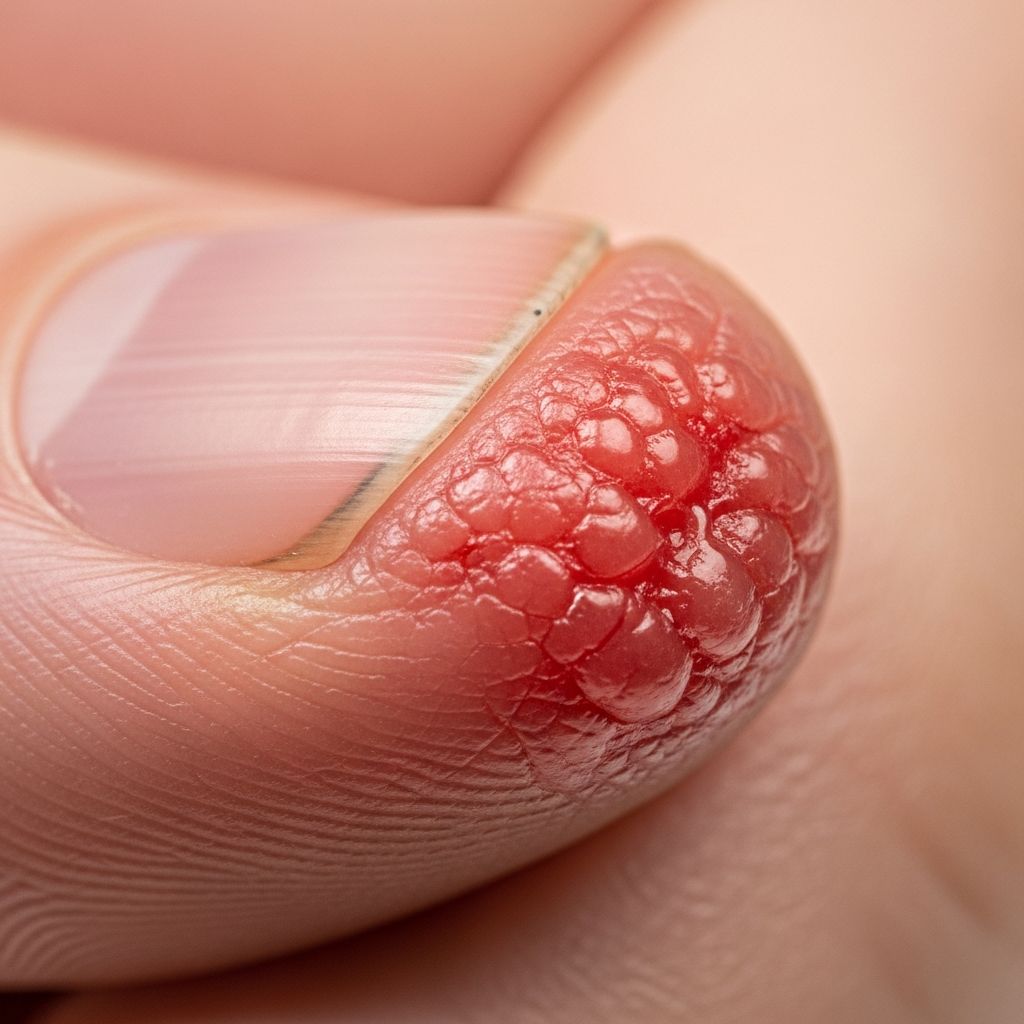
Pyogenic granuloma, also known as lobular capillary haemangioma, is a relatively common benign vascular skin growth that develops rapidly over a few weeks. It typically presents as a small, raised, red or reddish-purple nodule measuring 5–10 mm in diameter, often with a smooth, shiny surface that may become crusty or ulcerated. These lesions are friable and bleed profusely with minimal trauma, making them a frequent reason for patients to seek dermatological care. Although non-cancerous, pyogenic granulomas can be cosmetically concerning or recurrent, particularly in areas prone to irritation.
What is pyogenic granuloma?
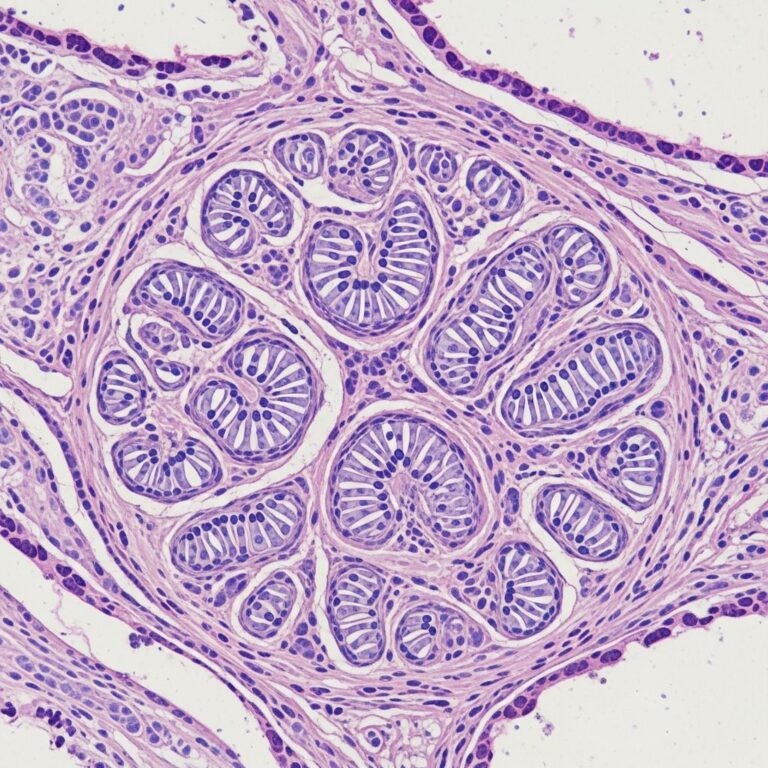
Pyogenic granuloma is a reactive proliferation of blood vessels in the skin, resembling granulation tissue. Despite its name, it is neither pyogenic (pus-forming) nor a true granuloma; the term is historical and misleading. It arises from an exuberant angiogenic response, often triggered by local factors, leading to a polypoid or pedunculated nodule. The lesion is composed of lobular arrangements of capillaries in a loose stroma, with endothelial cell proliferation and surrounding inflammation. Histologically, it features a prominent lobular capillary pattern in the dermis, sometimes with ulceration of the overlying epidermis and a characteristic collarette of thickened epidermis at the base.
These growths are most prevalent in children and young adults but can occur at any age. They are solitary in most cases but can present multiply, especially in pregnancy or with satellite lesions. Common locations include the hands (fingers, palms), face, neck, and mucous membranes such as gums. Oral pyogenic granulomas, often linked to poor oral hygiene or trauma, can rarely lead to underlying bone erosion if untreated.
Who gets pyogenic granuloma?
Pyogenic granuloma affects individuals across all age groups, with a peak incidence in the second decade of life. It is more common in females, particularly during pregnancy, where hormonal influences contribute to up to 5–10% of cases. Children and adolescents are also frequently affected, possibly due to higher rates of minor trauma. Risk factors include:
- Trauma or injury: The most common trigger, such as cuts, splinters, or burns, accounting for many cases on extremities.
- Pregnancy: Known as granuloma gravidarum, these often appear on gums or skin and regress postpartum.
- Inflammation or infection: Associated with viral infections or chronic irritation.
- Medications: Rarely linked to systemic drugs like retinoids or protease inhibitors.
- Genetic predisposition: Rare syndromes like Warner-Wilson-Jones syndrome feature recurrent satellite lesions.
Individuals with frequent skin trauma, such as manual laborers or athletes, are at higher risk. In ocular regions, postoperative sites after trauma or surgery are common.
What causes pyogenic granuloma?
The exact aetiology remains unclear, but pyogenic granuloma is widely regarded as a reactive process rather than neoplastic. Minor trauma disrupts the skin barrier, inducing an exaggerated angiogenic response mediated by growth factors like vascular endothelial growth factor (VEGF) and basic fibroblast growth factor (bFGF). Hormonal changes, particularly elevated oestrogen in pregnancy, amplify this response. Infection may play a role, though no specific pathogen is consistently identified. In some cases, it follows laser treatments, tattoos, or piercings.
Pathogenesis involves rapid endothelial proliferation forming capillary lobules embedded in edematous stroma with mixed inflammation. Mature lesions develop fibrosis, potentially leading to spontaneous regression. Unlike malignant vascular tumours, pyogenic granulomas lack atypical cells and do not metastasize.
What are the clinical features of pyogenic granuloma?
Pyogenic granuloma evolves rapidly, often reaching maximum size (average 6.5 mm) within 2–6 weeks. Key clinical features include:
- Appearance: Starts as a pinhead-sized papule, growing to 3–20 mm; red, brown-red, purple, or blue-black; smooth, moist, or rough/crusty surface.
- Shape: Dome-shaped, pedunculated, or sessile with a collarette scale at the base.
- Bleeding: Hallmark feature; bleeds easily and profusely even from minor contact, forming a sticky crust.
- Symptoms: Usually painless, but may be tender if ulcerated or secondarily infected.
- Sites: Fingers (periungual common), face, scalp, trunk, limbs; oral cavity (gingiva); rarely conjunctiva or cornea.
Related Stories



In pregnancy, lesions are often larger and multiple. Satellite lesions suggest recurrence or syndromic forms. Differential diagnoses include basal cell carcinoma, squamous cell carcinoma, amelanotic melanoma, glomus tumour, or kaposi sarcoma—prompting biopsy if atypical.
Diagnosis
Diagnosis is primarily clinical, based on rapid growth, vascular appearance, and bleeding history. Dermoscopy reveals red lacunae (blood-filled vessels), white rail-line vessels, and a white collarette. If uncertain, biopsy is performed: excisional, shave, or punch. Histology confirms lobular capillary haemangioma with endothelial proliferation, inflammation, and no atypia. Immunohistochemistry (e.g., CD31, CD34 positive for vessels) aids confirmation. In oral cases, radiographs assess bone involvement.
Treatment of pyogenic granuloma
Treatment is indicated for bleeding, cosmetics, or recurrence risk. Small lesions (<3 mm) may regress spontaneously, especially postpartum. Options include:
| Method | Description | Recurrence Rate | Suitability |
|---|---|---|---|
| Curettage & Cautery | Shave/scrape under local anaesthetic, then electrocautery; base sent for histology | ~5–10% | Most common; small-medium lesions |
| Surgical Excision | Full-thickness removal with sutures; lowest recurrence | 2–5% | Large/recurrent; allows pathology |
| Laser (CO2/Pulsed Dye) | Vaporizes lesion; good cosmetics | Variable | Facial/pediatric |
| Cryotherapy | Liquid nitrogen freeze; simple office procedure | ~2% | Small lesions |
| Topical/Intralesional | Timolol gel, steroid/beta-blocker injection, silver nitrate | Low in children | Non-surgical first-line, esp. kids/eyes |
For pregnant patients, defer until postpartum. Home remedy: table salt application (hypertonic sclerosis) for tiny lesions. Recurrence (up to 15%) managed by wider excision. Follow-up monitors satellites.
Complications
- Bleeding: Profuse, requiring pressure or medical attention.
- Recurrence: Common if incomplete removal; satellites in 5%.
- Infection/Ulceration: Secondary bacterial overgrowth.
- Scarring: Minimal with proper technique; hypertrophic in some.
- Cosmetic: Hypo/hyperpigmentation, especially on face.
- Oral: Bone resorption, tooth displacement if gingival.
Prevention
Prevent by protecting skin from trauma: gloves for manual work, prompt splinter removal. Maintain oral hygiene. Avoid picking lesions. In high-risk (pregnancy), monitor gums. No proven systemic prevention.
Further reading and references
For deeper insights, consult dermatology texts or peer-reviewed sources on vascular proliferations.
Frequently Asked Questions (FAQs)
Q: Is pyogenic granuloma cancerous?
No, it is a benign vascular growth, not malignant. Biopsy rules out cancers if atypical.
Q: Do pyogenic granulomas go away on their own?
Small ones may regress spontaneously, especially postpartum, but most persist and bleed, warranting treatment.
Q: How long does a pyogenic granuloma take to grow?
Rapidly, reaching max size in 1–6 weeks.
Q: Can children get pyogenic granuloma?
Yes, common in kids; topical timolol preferred.
Q: Why does it bleed so much?
Due to superficial, dilated capillaries with poor support.
References
- Pyogenic Granuloma (PG) | Symptoms, Diagnosis & Treatment — Cincinnati Children’s Hospital. 2023. https://www.cincinnatichildrens.org/health/p/pyogenic-granuloma
- Pyogenic Granuloma — EyeWiki (American Academy of Ophthalmology). 2024-01-15. https://eyewiki.aao.org/Pyogenic_Granuloma
- Pyogenic Granuloma – StatPearls — NCBI Bookshelf / NIH (Peer-reviewed). 2023-07-17. https://www.ncbi.nlm.nih.gov/books/NBK556077/
- Pyogenic granuloma — DermNet NZ (Authoritative dermatology resource). 2024. https://dermnetnz.org/topics/pyogenic-granuloma
- Pyogenic Granuloma: Causes, Diagnosis, and Treatments — Healthline (Reviewed by medical experts). 2023. https://www.healthline.com/health/pyogenic-granuloma
- Pyogenic granuloma — Texas Children’s Hospital. 2023. https://www.texaschildrens.org/content/conditions/pyogenic-granuloma
Similar Articles








Read full bio of Sneha Tete