Shaving: 7 Essential Precautions For Safer, Smoother Skin
Comprehensive guide to safe shaving techniques, common side effects, and effective precautions for smooth skin.
Shaving represents one of the most ancient and widespread techniques for eliminating unwanted hair across extensive or targeted body regions. This method employs a razor or sharp-edged instrument to sever hair shafts flush with the skin surface, delivering swift yet temporary results ideal for routine grooming.
How it works
Shaving operates by mechanically cutting hair at the epidermal level without extracting the follicle, allowing regrowth from the root. Men commonly apply it daily for facial hair removal as part of morning rituals, while women favor it for underarms, legs, and bikini zones.
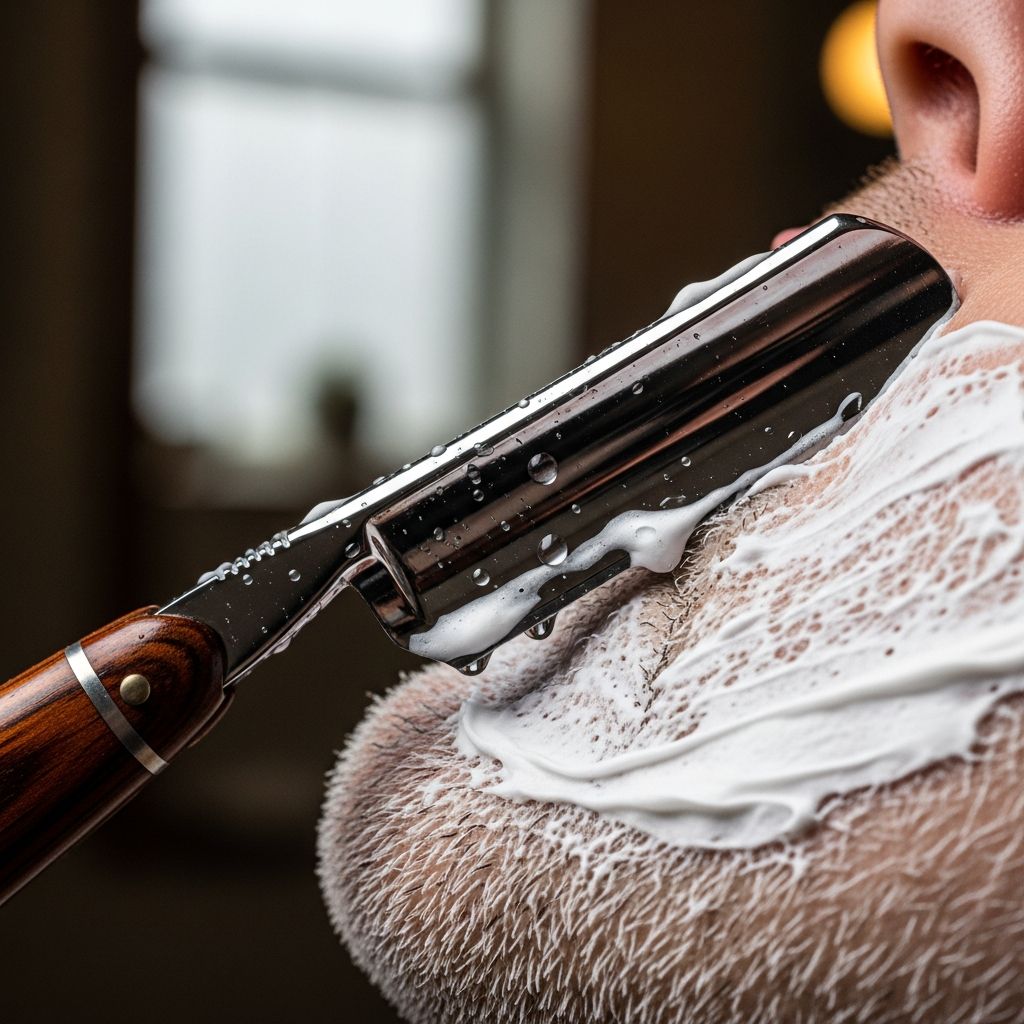
Two primary shaving categories exist: wet shaving (manual) using safety or straight razors with lather, and dry shaving via electric razors sans water or cream. Wet shaving softens hair and skin through soap, foam, or gel application prior to blade passage. Dry shaving, pioneered by Jacob Schick’s electric razor in the 1920s, features blades shielded by a perforated foil; hairs protrude through holes and meet oscillating or rotary cutters.
Efficacy
Shaving excels in rapidly clearing large hair volumes, yet regrowth emerges within hours to days, necessitating frequent repetition for sustained smoothness. The persistent myth of shaving inducing thicker regrowth stems from the blunt-cut hair tip feeling coarser than its natural tapered end, though clinical evidence refutes any alteration in growth rate, thickness, or color. A 1928 study and subsequent dermatological reviews confirm hair bulb characteristics remain unchanged post-shave.
Suitability
Nearly all individuals seeking hair reduction qualify for shaving, encompassing males and females targeting mustaches, beards, eyebrows, limbs, axillae, bikini lines, or pubic regions. Its accessibility, low cost, and minimal discomfort render it universally appealing when executed properly.
Side effects
Though generally safe, improper technique triggers issues, predominantly with wet shaving:
- Cuts and nicks: Superficial skin lacerations from dull blades or excessive pressure.
- Razor burn: Erythema and stinging from friction or chemical irritants in products.
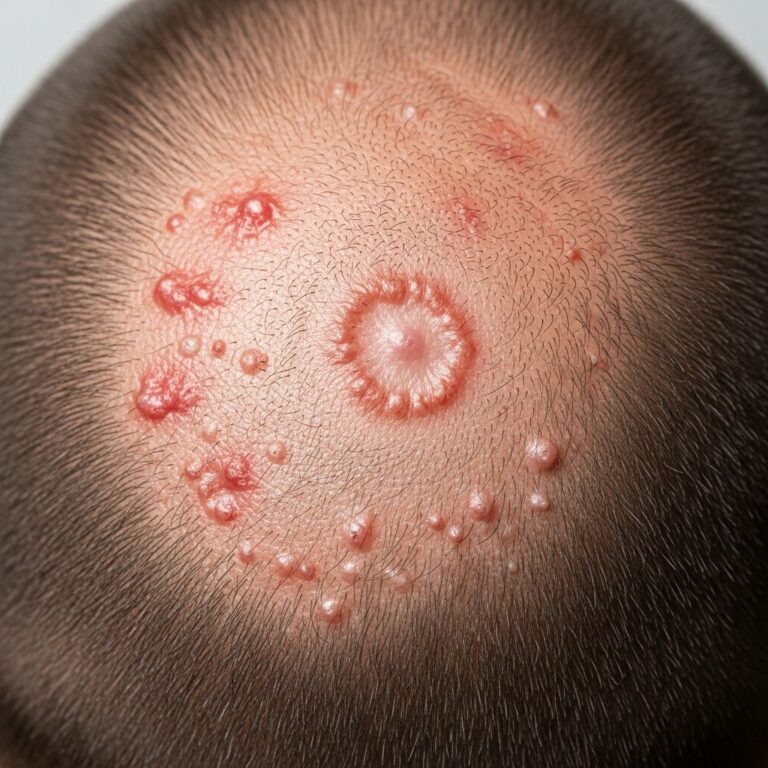
- Razor bumps (pseudofolliculitis barbae): Inflammatory follicular papules from curly hairs re-entering skin post-shave, prevalent in beard areas.
- Ingrown hairs: Curled follicles trapped beneath epidermis causing inflammation.
- Folliculitis: Bacterial or fungal infection of shaved follicles, manifesting as pustules.
Electric shaving reduces but does not eliminate these risks.
Uses
Beyond cosmetics, shaving addresses medical needs like pre-surgical site preparation or managing hypertrichosis. Men adopted routine facial shaving during World War I for gas mask seals. Women utilize it for aesthetic leg, arm, and intimate area depilation.
Precautions
Minimize adverse effects through these evidence-based strategies:
- Employ sharp, clean razors; replace disposable blades after 5–7 uses.
- Shave post-softening shower; apply generous lubricant (cream/foam over soap).
- Follow hair growth direction to avert irritation; multi-pass gently if needed.
- Avoid stretching skin tautly, which promotes ingrowns.
- Rinse blade frequently; pat skin dry sans rubbing.
- Moisturize post-shave with alcohol-free products; apply cool compresses for calm.
- Skip shaving over irritated/infected skin; treat with hydrocortisone 1% if mild.
| Area | Key Techniques | Common Pitfalls |
|---|---|---|
| Face (Men) | Wash first, shave with growth, use gel/soap | Pressing hard; dull blades |
| Armpits | Multiple passes; shave bi-directionally | Rushing; ignoring multi-directional growth |
| Groin/Bikini | New razor per session; rinse often; trim first | Coarse hair clogging; cuts from haste |
| Legs | Wet thoroughly; long strokes with growth | Dry shaving; against grain initially |
Related Stories



Shaving products: Modern aerosol creams moisturize via emollients (glycerin, lanolin), surfactants, and propellants creating microbubbles for glide. Less irritating than soap.
Frequently Asked Questions
Does shaving make hair grow back thicker?
No. The blunt tip creates a sturdier feel/appearance, but follicle properties unchanged per clinical studies.
Is electric shaving better than wet?
Electric reduces cuts/bumps for sensitive skin/curly hair but yields less close results.
How to prevent razor bumps?
Shave with growth, exfoliate gently, moisturize; consider cessation 4–6 weeks for resolution.
Can anyone shave pubic hair safely?
Yes, with new blades, trimming first, lubrication; watch for irritation in coarse areas.
What if irritation persists post-shave?
Apply hydrocortisone; avoid shaving until healed; consult dermatologist for folliculitis.
This guide synthesizes dermatological best practices for optimal shaving outcomes, emphasizing technique to harness its convenience while mitigating risks.
References
- Shaving — DermNet NZ, Vanessa Ngan. 2013. https://dermnetnz.org/topics/shaving
- Does Shaving Make Hair Thicker or Faster? Myths and Facts — Healthline, Kristeen Cherney (med. rev. Cynthia Cobb). 2019-12-04. https://www.healthline.com/health/does-shaving-make-hair-thicker
- Pseudofolliculitis Barbae (Razor Bumps) — DermNet NZ. Accessed 2026. https://dermnetnz.org/topics/pseudofolliculitis-barbae
- Hair Removal Techniques — DermNet NZ, Vanessa Ngan. 2005. https://dermnetnz.org/topics/hair-removal-techniques
Similar Articles








Read full bio of medha deb