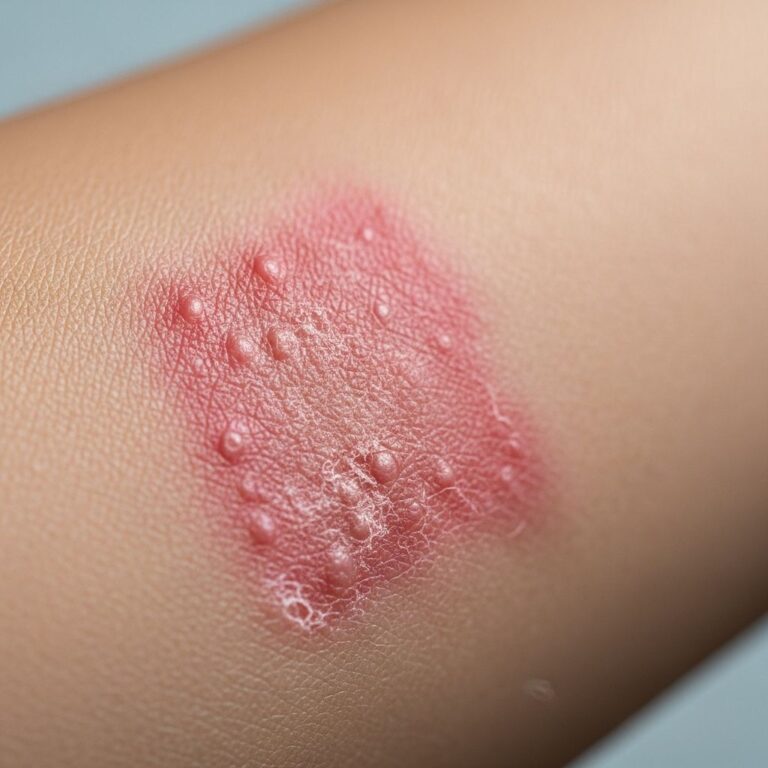
Stevens-Johnson Syndrome: Causes, Symptoms & Treatment
Understanding SJS: A life-threatening skin condition requiring immediate medical attention and specialized care.
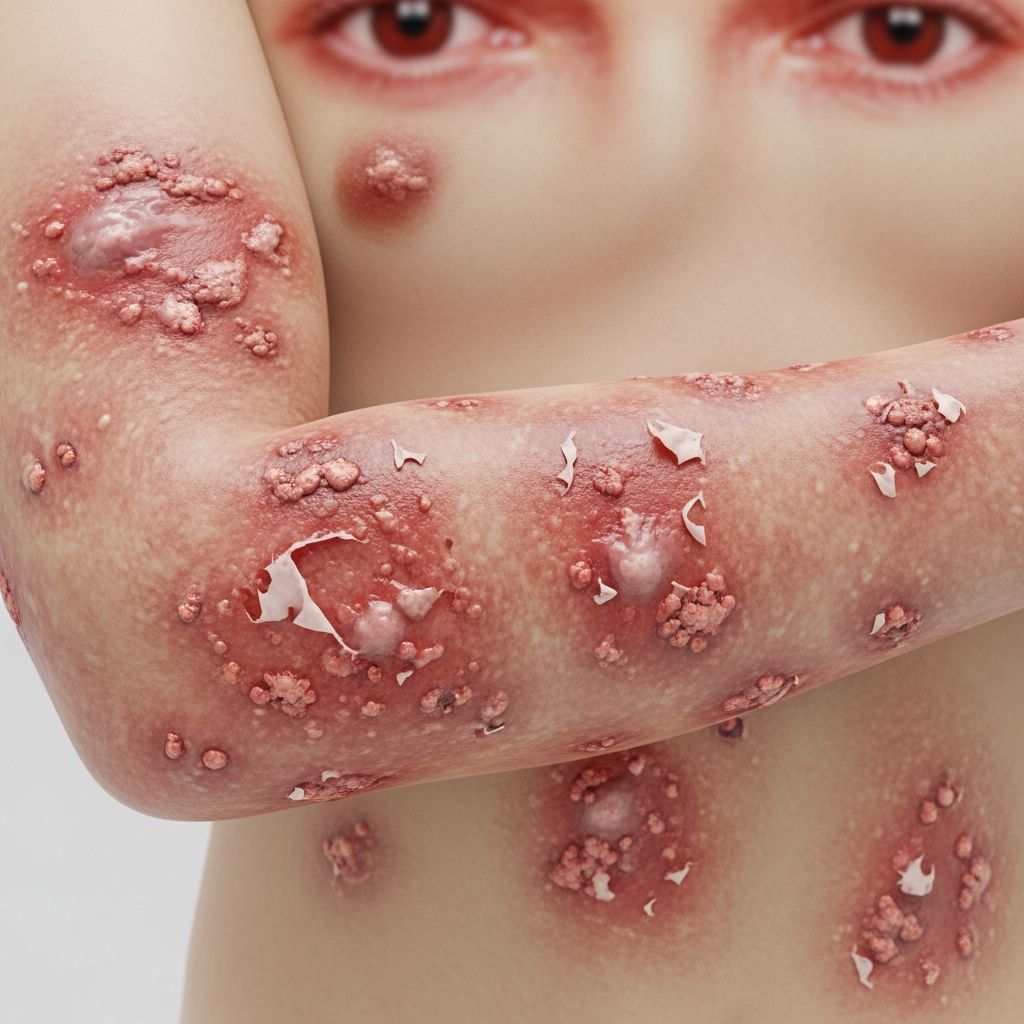
Stevens-Johnson Syndrome: Overview and Definition
Stevens-Johnson syndrome (SJS) and toxic epidermal necrolysis (TEN) are serious skin conditions that cause your skin to develop rashes, blisters, and then peel. SJS and TEN are very serious skin peeling conditions that are caused by an allergic reaction to medications or an illness. These rare but potentially life-threatening disorders affect the skin and mucous membranes, often progressing rapidly over a short period. While SJS typically affects less than 10% of the body surface area, toxic epidermal necrolysis represents a more severe form involving more than 30% of the skin surface and extensive damage to the mucous membranes. Understanding this condition is critical, as prompt recognition and treatment can significantly improve outcomes.
What Causes Stevens-Johnson Syndrome?
A combination of factors is likely involved in developing SJS and TEN, including a genetic bias. Environmental factors might cause the gene to be triggered, making some individuals more susceptible than others. One of these genetic factors includes specific human leukocyte antigens (HLAs) that may increase one’s risk of developing SJS or TEN.
Medications Associated with SJS
Medications are the most common trigger for Stevens-Johnson syndrome. The following drugs are most likely to cause SJS:
- Anticonvulsants (such as phenytoin, carbamazepine, and phenobarbital)
- Antibiotics (including sulfonamides and penicillins)
- Nonsteroidal anti-inflammatory drugs (NSAIDs)
- Allopurinol
- Antithyroid medications
- Antiretroviral drugs
It is important for patients taking these medications to monitor themselves closely and report any unusual skin changes to their healthcare provider immediately.
Other Risk Factors
You are at greater risk of SJS if you have the following conditions:
- HIV infection
- Systemic lupus erythematosus (SLE)
- Previous episodes of SJS or TEN
- Family history of SJS or TEN
- Certain genetic markers, particularly HLA-B*1502 in Asian populations
Asian Americans and South Asian Indians face increased risk because of the human leukocyte antigen allele HLA-B*1502, which makes them more susceptible to SJS when exposed to certain medications.
Recognizing the Symptoms
Understanding the symptoms of Stevens-Johnson syndrome is crucial for early intervention. The condition typically progresses in stages, beginning with nonspecific flu-like symptoms before the characteristic rash appears.
Early Warning Signs
About one to three days before an SJS rash develops, early signs include:
- Fever
- Sore mouth and throat
- Burning eyes
- Fatigue
- Muscle or joint aches
Progressive Symptoms
SJS usually starts with a fever and feeling like you have the flu. A few days later, other symptoms appear, including:
- Painful red or purple skin that looks burned and peels off
- Blisters on your skin, mouth, nose, and genitals
- Red, painful, watery eyes
- Widespread skin pain
- Spreading red or purplish rash
- Shedding skin after blisters develop
The SJS rash is sometimes described as looking like a target: concentric circles that are lighter around the edges and darker in the center. The rash may begin with flu-like symptoms, followed by a maculopapular rash that progresses to a pustular or bulbous rash. Rashes can produce skin sloughing, exposing underlying skin layers and causing extreme pain, hemorrhage, heat loss, and massive fluid and protein loss. There is then an abrupt onset of a tender or painful red skin rash starting on the trunk and extending rapidly over hours to days onto the face and limbs.
Related Stories



Diagnosis of Stevens-Johnson Syndrome
Healthcare providers diagnose SJS and TEN through a combination of clinical evaluation and diagnostic tests. Early and accurate diagnosis is essential for initiating appropriate treatment promptly.
Diagnostic Procedures
Several diagnostic methods may be employed:
- Skin biopsy: A small sample of your skin is removed and sent to a lab to be tested, allowing for microscopic examination of the affected tissue.
- Culture: Skin, tissue, or fluid is removed to send for testing. This can rule out infections that could be causing your condition.
- Blood tests: A sample of your blood goes to a lab to check for signs of infection, organ function, and other complications.
- Imaging of your lungs: If your symptoms suggest pneumonia is causing your SJS, chest imaging may be performed.
Your health care team also will look at your pain level, how fast the rash has spread, and how much of your skin is affected. The acute phase of SJS typically lasts 8–12 days, with the maximum extent of the rash usually reached by four days.
Treatment Options for Stevens-Johnson Syndrome
Stevens-Johnson syndrome is a medical emergency that usually requires hospitalization. Treatment focuses on removing the cause, caring for wounds, controlling pain, and minimizing complications as skin regrows. You’ll be treated for SJS in the hospital by a special team of doctors and nurses. Some people are treated in a burn center or intensive care unit.
Immediate Treatment Steps
The first thing doctors will do is to stop the medication or treat the infection that made you sick. Immediate medication discontinuation aids treatment success. For any patient taking anticonvulsants, advise them to quickly report any sign of rash to their provider and stop the medication.
If the rash is minor, treatment includes stopping the agent and administering diphenhydramine 25 to 50 mg twice a day. For more severe rashes, treatment includes prednisone 10 mg twice a day.
Comprehensive Hospital Care
Treatments for Stevens-Johnson syndrome include multiple coordinated approaches:
- Stopping the problem medication
- IV fluids with electrolytes to replace those lost through damaged skin
- High-calorie food and nutrition to promote healing
- Pain relief medications to manage severe discomfort
- IV immunoglobulin, cyclosporine, and steroids
- Antibiotics to prevent secondary infections
Your body needs to stay hydrated, and your skin needs protein to rebuild. You’ll probably get fluids from an IV at first, then be fed through a tube that goes into your stomach through your nose.
Specialized Care Components
Wound Care: Hospital staff will keep your skin clean. They’ll gently remove dead skin and cover bare patches with a special dressing. Amniotic membrane grafts may be used for your eyes and other affected areas.
Eye Care: Your care team will clean your eyes and use special drops and creams to keep them from drying out, as eye involvement is a significant concern in SJS.
Monitoring: Patients experiencing severe symptoms require laboratory studies to monitor for developing anemia, neutropenia, thrombocytopenia, elevated erythrocyte sedimentation rate, and elevated blood urea nitrogen.
You could be in the hospital from 2 to 4 weeks. It takes time to recover from SJS, and most people do.
Complications and Long-Term Effects
The most severe complication of SJS and TEN is death. Death happens in about 10% of cases of SJS, and about 50% of TEN. Other complications of SJS can include:
- Eye problems including dry eyes, sensitivity to light, and long-term issues with vision; in severe cases, it can lead to visual impairment and, rarely, blindness
- Lung involvement that may lead to an emergency situation in which the lungs can’t get enough oxygen into the blood (acute respiratory failure)
- Pneumonia
- Sepsis, which occurs when your entire body has an inflammatory reaction to an infection
- Shock
- Multiple organ failure, in which more than one of your vital organs stop working properly
Long-Term Sequelae
Sometimes, SJS has effects that will show up years after you heal, including:
- Scars where your skin peeled
- Infections in your gums or mouth
- Lung problems such as bronchitis, which causes a bad cough and trouble breathing
- Permanent skin damage and pigmentation changes
- Emotional and psychological effects from the traumatic experience
It may take weeks to months for symptoms and signs to settle. Many long-term side effects could last months to a lifetime, requiring ongoing medical attention and management.
Prognosis and Recovery
Stevens-Johnson syndrome is rarely fatal. But it’s a serious disease that has to be treated in a hospital. You may need to be in intensive care or a burn unit. Almost everyone recovers from SJS, but some people have long-term complications that affect their skin, eyes, and lungs.
SJS usually resolves within a few days, but severe cases may take several months. Repithelialisation of denuded areas takes several weeks and is accompanied by peeling of the less severely affected skin. Survivors of the acute phase have increased ongoing mortality especially if aged or sick.
Severity scoring systems such as SCORTEN have been developed to predict mortality in SJS and TEN cases. One point is scored for each of seven criteria present at the time of admission, helping healthcare providers assess risk and guide treatment decisions.
Prevention and Patient Education
For any patient taking anticonvulsants or other high-risk medications, advise them to quickly report any sign of rash to their provider. If your condition was caused by a medication, you’ll need to permanently avoid that drug and others like it. This is critical for preventing recurrence.
Instruct patients who’ve been treated for SJS to call 911 or go to the emergency department if symptoms recur. Patients should be informed about the warning signs and the importance of immediate medical attention if they develop flu-like symptoms followed by a rash while taking medications known to cause SJS.
Frequently Asked Questions
Q: How serious is Stevens-Johnson syndrome?
A: Stevens-Johnson syndrome is rarely fatal. But it’s a serious disease that has to be treated in a hospital. You may need to be in intensive care or a burn unit. Almost everyone recovers from SJS, but some people have long-term complications that affect their skin, eyes, and lungs.
Q: Can SJS be prevented?
A: While SJS cannot always be prevented, you can reduce your risk by reporting any rash or unusual skin reactions immediately to your healthcare provider when taking medications known to trigger SJS. Patients with a personal or family history of SJS should inform their doctors before taking new medications.
Q: What should I do if I suspect I have SJS?
A: If you develop a fever followed by a painful rash, especially while taking new medications, go to the emergency room immediately. SJS is a medical emergency that requires prompt hospitalization and specialized care.
Q: How long does recovery from SJS take?
A: Recovery from SJS typically takes 2 to 4 weeks in the hospital, though severe cases may require longer hospitalization. Complete healing and resolution of symptoms may take months, and some long-term effects may persist.
Q: Will I have scars after SJS?
A: Many SJS survivors experience scarring where the skin peeled. The severity of scarring varies depending on the extent of skin involvement and individual healing factors. Specialized wound care during hospitalization can help minimize permanent scarring.
References
- Stevens-Johnson Syndrome (SJS): Causes, Rash & Treatments — Cleveland Clinic. 2024. https://my.clevelandclinic.org/health/diseases/17656-stevens-johnson-syndrome
- Stevens-Johnson Syndrome – Symptoms & Causes — Mayo Clinic. 2024. https://www.mayoclinic.org/diseases-conditions/stevens-johnson-syndrome/symptoms-causes/syc-20355936
- Stevens-Johnson Syndrome (SJS): Causes and Treatments — WebMD. 2024. https://www.webmd.com/skin-problems-and-treatments/stevens-johnson-syndrome
- Stevens Johnson Syndrome / Toxic Epidermal Necrolysis. SJS/TEN — DermNet NZ. 2024. https://dermnetnz.org/topics/stevens-johnson-syndrome-toxic-epidermal-necrolysis
- Stevens-Johnson Syndrome — American Nurse Journal. 2023. https://www.myamericannurse.com/stevens-johnson-syndrome/
- Deadly Drug Rashes: Early Recognition and Multidisciplinary Care — Cleveland Clinic Journal of Medicine. 2023. https://www.ccjm.org/content/90/6/373
Similar Articles








Read full bio of medha deb